









Vacuum insulated glass vs solar windows: a homeowner's and pro's guide
The high performance home building industry has been evolving very quickly over the last few years, and the advances in building technologies we now have access to makes it far easier to attain targets like Net Zero or Passive House.
As builders and homeowners look beyond traditional high performance triple-pane windows as the peak of available performance, two innovative technologies have emerged: vacuum insulated glass (VIG) and solar windows.
About 15 years ago I was fortunate enough to visit laboratories at the National Research Council of Canada where they were testing VIP insulation, in panel form mind you. From where I stood after hearing the challenges researchers pointed out, bringing it to market seemed a long time out. So it's very exciting to see it hit the market, and find its way into windows.
Not only do we have access to vacuum insulated windows finally, the option of solar windows means Vacuum insulated glass may not even be the best energy-conscious window you can buy. We need to consider whether windows are more valuable as an energy saver, or energy harnessing item. But that's a great problem to have.
This comprehensive guide breaks down the core metrics, financial implications, and practical trade-offs to help you select the best window for new builds and home renovations.
- Understanding vacuum insulated glass (VIG)
- Exploring solar windows and building-integrated photovoltaics
- Upfront costs compared
- Durability and expected lifespan
- Maintenance and repairs to consider
- Warranty expectations
- Return on investment and financial payback
- Quality of life and structural view impacts
- Sourcing and availability of vacuum insulated glass
- Sourcing and availability of solar glazing
- In brief
Understanding vacuum insulated glass (VIG)
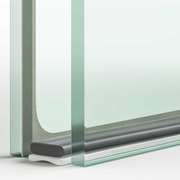
Vacuum insulated glass represents a revolutionary leap in thermal efficiency by eliminating convective and conductive heat transfer entirely. By removing the air between two sheets of glass to create a total vacuum, VIG can achieve an extraordinary center-of-glass thermal resistance of R-10 to R-20 (U-0.57 to U-0.28 W/m²K).
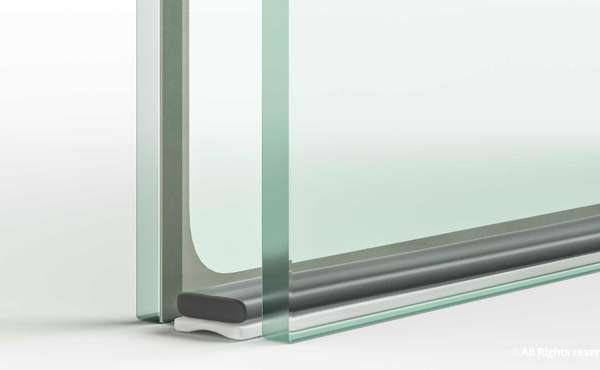
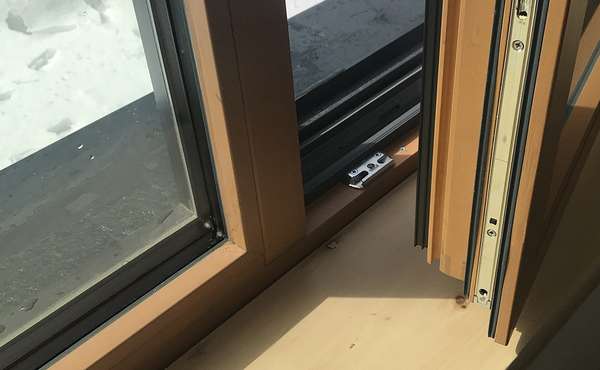
The panes are separated by a microscopic gap measuring between 0.004 inches (0.1 mm) and 0.02 inches (0.5 mm), held open by an array of tiny ceramic or steel micro-spacers. This allows the total unit thickness to stay around 0.24 inches (6 mm) to 0.31 inches (8 mm), making it roughly 33 percent lighter than a standard triple-pane unit while delivering superior insulation. Because of this ultra-thin profile, it is a game-changer for historic retrofits where original wood sashes cannot accommodate thick modern frames.
Exploring solar windows and building-integrated photovoltaics
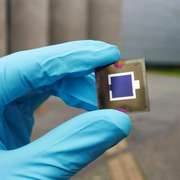
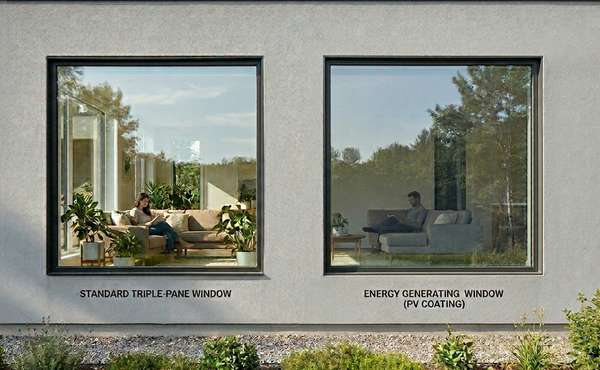
Solar windows act as clear building-integrated photovoltaic systems that harvest renewable energy directly from sunlight. Rather than relying solely on traditional rooftop panels, these windows utilize specialized transparent photovoltaic coatings or thin-film layers to capture ultraviolet and infrared wavelengths while allowing visible light to pass through.
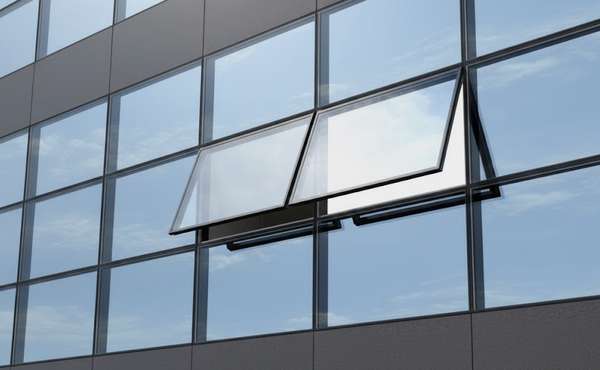
Advanced options can offset a significant portion of a building's operational energy requirements when deployed across large multi-story facades, effectively transforming the structural envelope into a clean power plant. This technology is rapidly expanding from commercial high-rises into high-end residential projects looking to maximize on-site micro-generation.
Upfront costs compared
The initial capital investment for both premium glazing technologies carries a notable premium compared to standard double or triple glazing. For a typical residential project, VIG demands a higher material cost upfront due to specialized vacuum extraction and tempered glass requirements, but it presents a massive installation advantage: its slim profile can frequently be retrofitted into original window sashes, preventing full frame replacement expenses.
Conversely, solar windows present a much higher total upfront cost because they require complex electrical integration, including hidden wiring paths, specialized glazing channels, micro-inverters, and certified electrical labor to tie the system safely into the building grid. Contractors must factor these structural electrical steps into their early budget projections.
Durability and expected lifespan
The operational life of each of these advanced window systems depends on entirely different failure mechanisms. For VIG, durability is tied directly to the permanent integrity of its edge seal. Unlike conventional argon or krypton gas-filled windows that lose at a rate of roughly 1 percent per year, a pristine vacuum unit undergoes no gas depletion and can maintain its thermal rating for over 50 years, provided the flexible metal or polymer edge seal remains uncompromised.
Solar windows face a dual lifespan timeline: while the structural glass envelope can last for decades, the integrated photovoltaic components experience natural material degradation, typically losing 0.5 percent to one percent of their power generation capacity annually over a 20 to 25 year operational lifecycle. Furthermore, the necessary inline electrical components, such as micro-inverters, usually require full replacement after 10 to 15 years.
Maintenance and repairs to consider
Glazing maintenance requirements differ vastly between passive thermal barriers and active energy generators. VIG requires absolutely no specialized maintenance or operational care beyond standard window washing and regular inspections of perimeter caulking.
However, if a structural fracture causes a loss of the internal vacuum, the unit cannot be repaired on-site; its insulating capacity immediately drops to that of a conventional thin double pane, requiring full replacement of the glass unit.
Solar windows demand routine technical oversight, including periodic diagnostic testing of the electrical circuits, monitoring for wiring degradation due to thermal movement, and eventual replacement of worn-out electrical hardware. If a single photovoltaic pane suffers damage, a specialized technician must handle both the physical glazing extraction and the safe disconnection of the active electrical circuit.
Warranty expectations
Understanding manufacturer warranties provides a clear indicator of long-term real-world performance. Leading VIG fabricators generally provide a comprehensive 15 to 20 year warranty specifically covering seal integrity and vacuum retention. Solar window systems carry a split warranty framework to cover both structural and electrical aspects.
Homeowners and professionals should expect a standard 10 year structural warranty on the glass frame and physical unit, paired with a separate 20 to 25 year linear power output warranty that guarantees the photovoltaic output will not drop below 80 percent of its original rating. Any auxiliary electrical components, such as inverters or controllers, are typically covered by separate manufacturer warranties ranging from five to 10 years.
Return on investment and financial payback
The financial return on investment for high-performance glazing depends heavily on local utility rates and architectural scale. VIG delivers an immediate, continuous return on investment by slashing heating and cooling loads, particularly in extreme northern or southern climates where thermal bridging through inferior windows accounts for massive energy loss.
Because VIG eliminates the recurring efficiency losses common in gas-filled units, its thermal savings remain stable across its entire lifecycle. Solar windows offer a different economic model by actively generating electricity to reduce monthly grid reliance, which can yield a fast financial return for high-rise commercial towers with massive vertical surface areas.
For low-rise residential projects, however, the extended payback period for solar windows is significantly longer due to lower power-generation real estate and high balance-of-system electrical costs.
Quality of life and structural view impacts
The daily visual experience looking through these windows creates a clear distinction for building occupants. VIG preserves an exceptional, uncompromised view with a high visible light transmittance of around 66 percent, matching or exceeding standard clear glazing.
While an array of microscopic spacers is embedded between the glass sheets to withstand atmospheric pressure, these pillars are virtually invisible from a normal viewing distance and do not disrupt the architectural sightlines. Solar windows generate clean power by absorbing specific bands of solar radiation, which inherently impacts the indoor lighting environment.
Depending on the specific photovoltaic coating or thin-film technology used, solar windows can introduce a subtle tint, a reduction in total natural light transmission, or a slight reflective sheen, which building professionals must carefully model during the initial design phase to manage expectations regarding interior aesthetics.
Sourcing and availability of vacuum insulated glass
Procuring vacuum insulated glass networks requires working directly with verified commercial supply channels across regional architectural networks.
Where to find VIG glass in Canada
In Canada, high-performance VIG options are becoming available via regional architectural supply chains distributing products such as Vitro Architectural Glass's VacuMax units through localized certified glass fabrication and window manufacturing partners.
Where to find VIG glass in the US
In the United States, Vitro Architectural Glass fabricates and distributes its high-performance VacuMax units exclusively through its specialized network of certified glass partners. LandVac also offers its titanium vacuum glass solutions through domestic North American distributors.
Where to find VIG glass in Australia
In Australia, Vacuum Insulated Glass Australia (VIGA) serves as a primary regional distributor for Panasonic's ultra-thin Glavenir vacuum insulated glass. For broader regional projects, Pilkington also supplies its pioneering Spacia vacuum glazing line.
Sourcing and availability of solar glazing
Sourcing solar windows and building-integrated photovoltaics requires contacting specialized manufacturers directly to obtain technical and regional engineering consultations.
Where to find solar windows in Canada
In Canada, integrated solar glazing solutions are available for large-scale developments by coordinating international commercial BIPV suppliers like ClearVue Technologies with specialized localized curtain wall engineering and solar equipment firms.
Where to find solar windows in the US
In the United States, ClearVue Technologies provides fully integrated solar facade systems and vision glass options through its North American commercial distribution footprints, while domestic entities like SolarWindow Technologies focus on liquid-applied transparent conductive coatings.
Where to find solar windows in Australia
In Australia, ClearVue Technologies is headquartered and actively supplies its complete line of solar facade systems, including transparent solar vision glass, solar cladding, and architectural spandrels, through established localized commercial channels.
In brief
Choosing between vacuum insulated glass and solar windows comes down to balancing passive thermal mastery against active energy production. VIG offers an unparalleled, ultra-thin insulation layer boasting lifespans over 50 years, making it perfect for historic retrofits, high-efficiency envelope-first designs, and pristine views.
Solar windows flip the script by turning the building facade into a functional power plant, making them highly attractive for large commercial architectures, though they demand higher upfront costs and ongoing electrical maintenance.
For most residential building envelopes, prioritizing the long-term, maintenance-free thermal retention of VIG delivers the most robust baseline, while solar windows offer a compelling alternative for urban structures optimizing every square inch of solar exposure.
Now that you know more about vacuum insulated glass vs solar windows, find more info about sustainable glazing and green building techniques in the Ecohome Green Building Guide and these pages below:
-
Vacuum Insulated Glass (VIG): The Ultimate Guide for High-Efficiency Windows
-
Solar Glass Coatings & Transparent PV Windows: Pro Guide
-
Choosing Between Casement, Slider & Tilt and Turn Windows: A Buyers Guide
-
How to Install Windows & Doors Correctly
Sign up now and reap the benefits of a free Ecohome Network Membership!
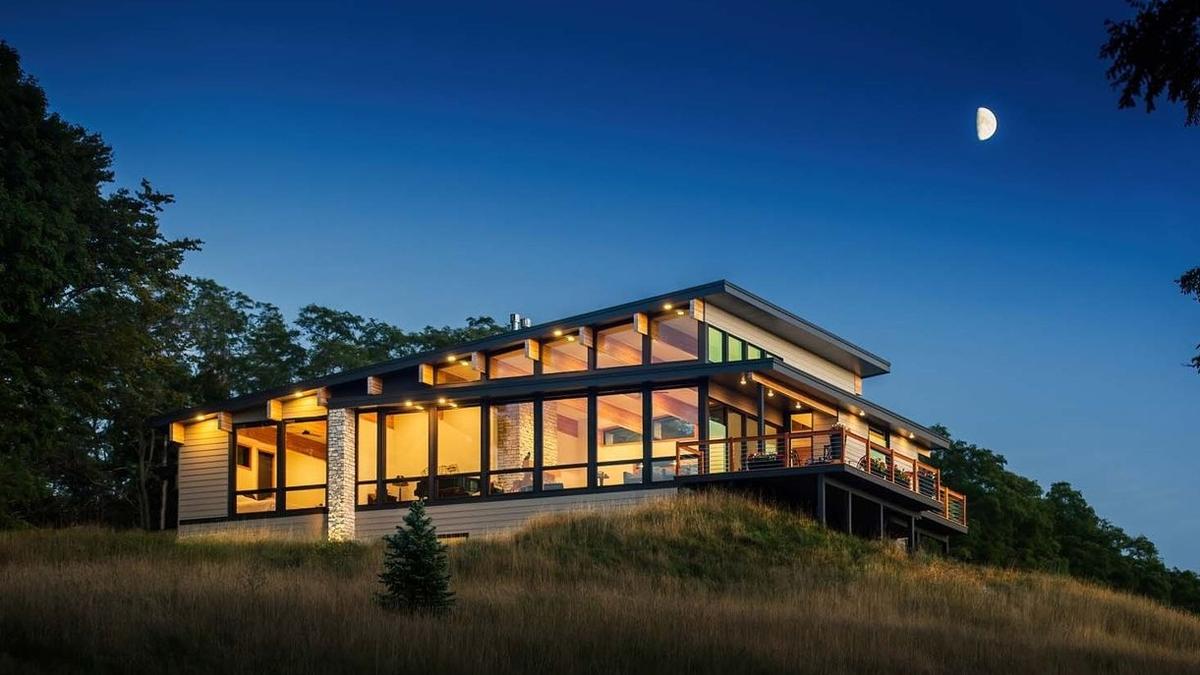
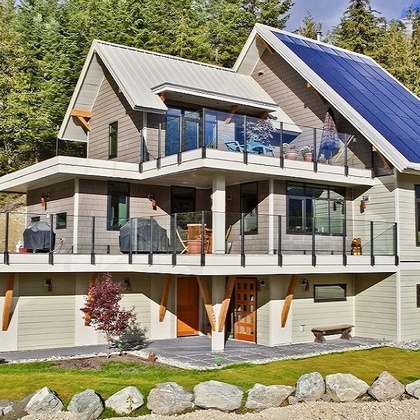
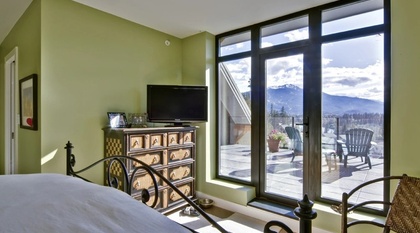
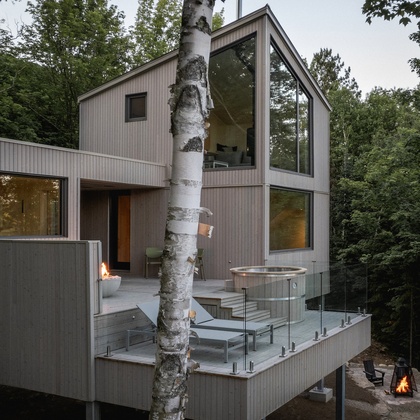
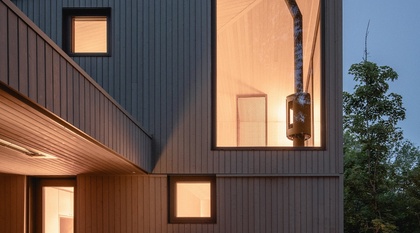
1a) Header Image alt text: Modern home facade featuring high-efficiency large architectural glass windows. 1b) Header image caption: High-performance glazing systems transform energy efficiency and natural daylighting in modern building design. 2a) Image alt text: Close-up cross-section diagram of vacuum insulated glass unit. 2b) Image caption: A vacuum insulated glass unit eliminates conductive heat transfer via an ultra-thin evacuated space. 3a) Image alt text: Transparent solar photovoltaic window generating electricity on a commercial skyscraper. 3b) Image caption: Building-integrated photovoltaics convert clear window glass into active clean energy generators. 4a) Image alt text: Glazier installing an ultra-thin vacuum insulated glass replacement window panel. 4b) Image caption: The slim profile of vacuum insulated glass allows seamless retrofitting into traditional window sashes. 5a) Image alt text: Modern residential interior with pristine panoramic views through clear glass. 5b) Image caption: Maximizing visible light transmittance ensures excellent indoor quality of life and uninterrupted outdoor views. 6a) Image alt text: Commercial high-rise building completely clad in active solar photovoltaic glass panels. 6b) Image caption: Vertical solar facades optimize power generation on multi-story commercial structures with vast surface areas.
















Comments (0)
Sign Up to Comment