









VIG vs. triple pane: why vacuum glazing is the future of energy efficiency
Vacuum insulated glass (VIG) is another a significant leap in window technology, offering a way to achieve extreme thermal resistance without the bulk of traditional multi-pane units. By removing the air between two sheets of glass to create a total vacuum, VIG eliminates convective and conductive heat transfer, resulting in a window that is as thin as a single pane but performs better than many triple-pane systems.
- This guide explores how this sustainable building material works, its benefits for energy-efficient home retrofits, and why it is becoming a preferred choice for both modern architecture and historic preservation.
- Understanding how vacuum glass works
- Thermal performance and R-values
- VIG vs. triple pane: weight and profile
- Retrofitting and historic restoration
- Durability and expected lifespan
- Where can I buy VIG glass near me?
Understanding how vacuum glass works
Air is a great insulator as long as it is hermetically sealed. That's what is in the thin walls of your travel mug that keeps your coffee so hot. Vacuum insulated glass uses that exact same technology.
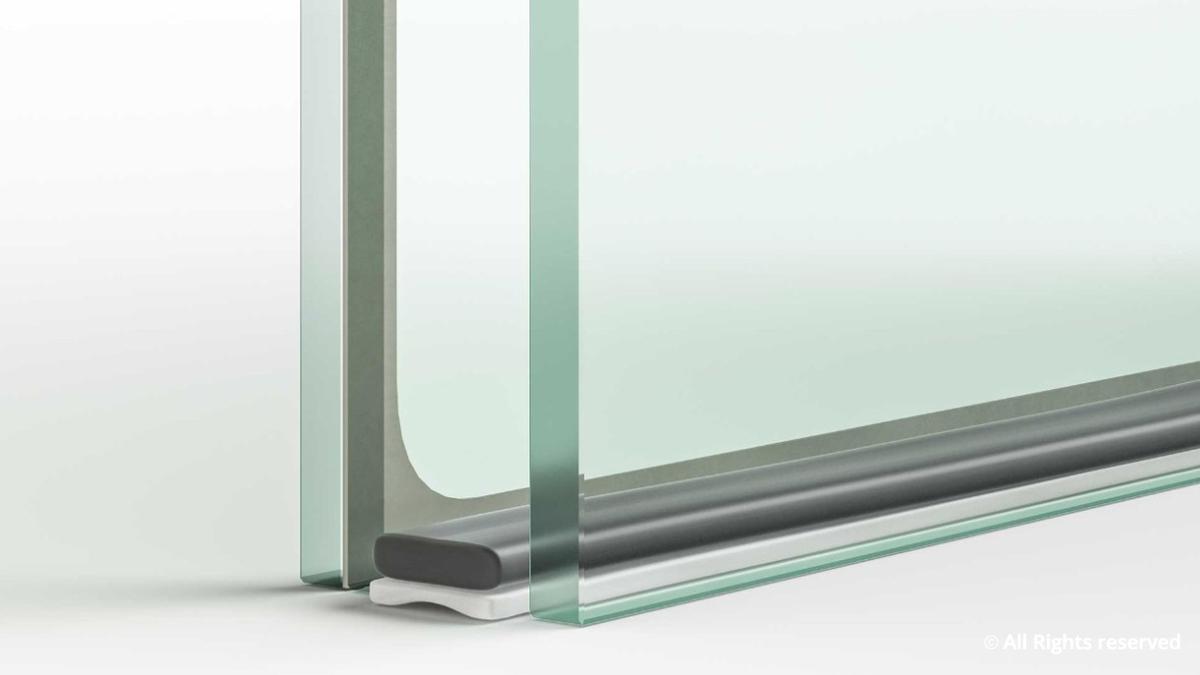
VIG consists of two panes of glass separated by a microscopic gap, typically measuring between 0.004 inches (0.1 mm) and 0.02 inches (0.5 mm). Unlike standard insulated glass units (IGUs) that use air or inert gases like argon, the air in this tiny space is completely evacuated. Because a vacuum contains no molecules, heat cannot travel through it via conduction or convection.
The role of micro-pillars
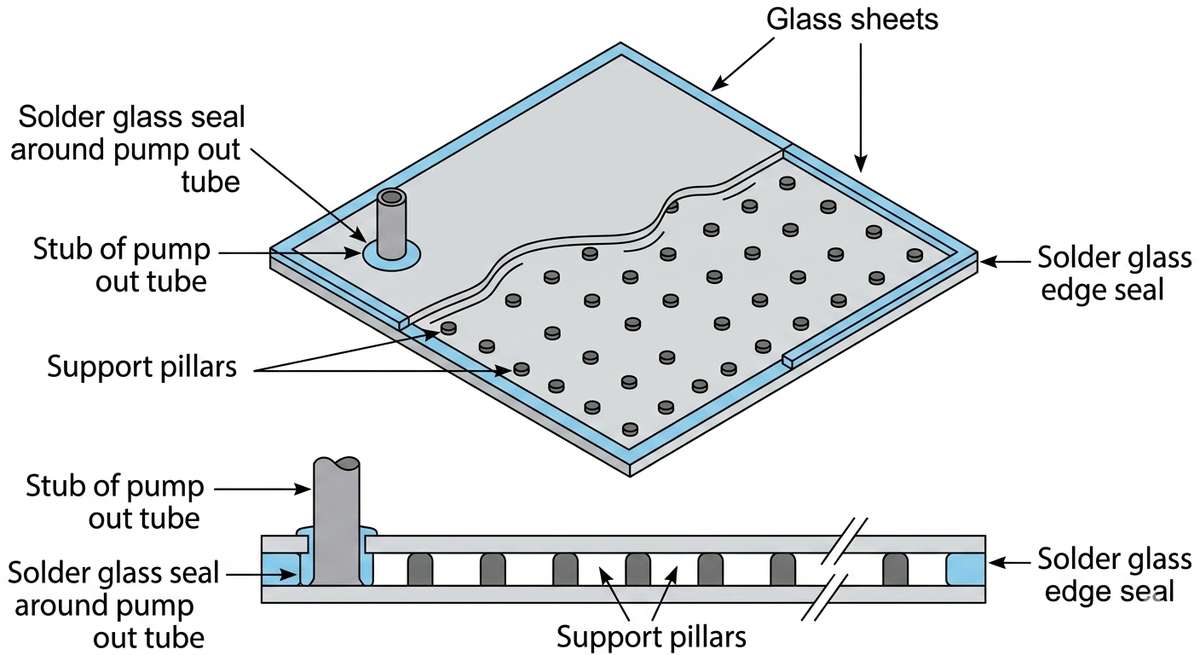
Unlike your curved steel coffee mug that would need a hearty dent to break the seal, it is far more challenging to successfully seal air between two flat planes of glass. To prevent the immense atmospheric pressure from crushing the two panes together, a grid of tiny spacers, or micro-pillars, is placed between the glass.
These pillars are often made of high-strength steel or ceramic and are barely visible to the naked eye. While they do create a minor thermal bridge where heat can pass through the solid material, the overall efficiency remains remarkably high.
Thermal performance and R-values
The center-of-glass thermal performance of VIG is its most compelling feature, often reaching values that were previously impossible in a slim profile. A high-quality VIG unit can achieve an R-value of R-10 to R-14 (U-0.57 to U-0.40 W/m²K), depending on the low-e coatings applied to the internal surfaces.
Comparing performance metrics
In comparison, a standard double-pane window typically offers about R-3 (U-1.89 W/m²K), while a high-performance triple-pane window usually sits between R-7 and R-9 (U-0.81 to U-0.63 W/m²K). By moving to VIG, homeowners and pros can essentially double the insulation value of their glazing while reducing the total window thickness by more than 1 inch (2.5 cm).
See here to understand the difference between R value and U value
VIG vs. triple pane: weight and profile
One of the primary challenges with triple-pane windows is their sheer weight and thickness, which often require specialized, heavy-duty frames and hardware. A triple-pane IGU is usually around 1.37 inches (35 mm) thick and requires three full sheets of glass, adding significant load to the building structure and making installation more labor-intensive.
A slim alternative for modern design
VIG units typically have a total thickness of approximately 1/4 inch (6 mm) to 5/16 inch (8 mm). Because they only use two panes of glass to achieve better performance than three, they are roughly 33 percent lighter than triple-pane equivalents. For architects, this means the ability to design larger glass facades without the structural penalties associated with traditional high-performance glazing.
Retrofitting and historic restoration
Historic homes often suffer from poor energy performance due to original single-pane windows, but replacing these with modern thick frames can ruin the architectural integrity of the building. VIG is a "game-changer" for this sector because it can often be retrofitted directly into original wood sashes that were designed for single 1/8 inch (3 mm) glass.
By using VIG, a contractor can maintain the historic look of a heritage property while providing the occupants with modern comfort and drastically reduced heating bills. This eliminates the need for bulky storm windows or the wholesale replacement of beautiful, old-growth timber frames.
Durability and expected lifespan
The longevity of a vacuum insulated glass unit depends entirely on the integrity of its edge seal. If the vacuum is lost, the thermal performance drops to that of a thin, air-filled double pane. Early VIG models used solder-glass seals which were sometimes prone to stress fractures, but modern units often utilize advanced flexible metal or polymer seals that accommodate the thermal expansion of the glass.
Resistance to performance degradation
Unlike gas-filled windows, which lose their argon or krypton at a rate of about 1 percent per year, a well-sealed vacuum unit does not "leak" its insulation. Some manufacturers now offer warranties of 15 to 20 years, with an expected functional lifespan exceeding 50 years, making them a very durable choice for an ''envelope first'' high-performance home design.
Where can I buy VIG glass near me?
Some manufacturers already offer Vacuum glass, but as with any freshly released game changing product or technology, you're going to pay a premium until the market opens up. The current cost for VIG remain higher than standard double or triple glazing due to the specialized manufacturing process and the requirement for tempered glass in most units.
So it's not something most homeowners will choosing just yet I imagine, this is a premium product best suited for projects where space, weight, or historic preservation are the primary constraints, rather than budget.
Here is a list of manufacturers currently offering VIG glass in Canada and the US
- Vitro Architectural Glass (VacuMax)
- Guardian Glass (Guardian Vacuum IG)
- Pilkington / NSG Group (Pilkington Spacia)
- LandGlass (distributed by VIG Technologies)
- Advanced Impact Technologies Group (RetroWAL systems)
In brief
Vacuum insulated glass offers a high-tech solution to one of building science's oldest problems: how to make windows that don't leak heat. By utilizing a vacuum gap and micro-pillars, these units provide R-12+ performance in a profile as thin as 1/4 inch (6 mm). While the upfront cost is higher, the benefits in weight reduction, historic compatibility, and long-term thermal stability make VIG a top-tier choice for sustainable construction.
Now that you know more about vacuum insulated glass, find more info about high performance windows and green building techniques in the Ecohome Green Building Guide and these pages below:
-
Window film treatments to reflect heat and lower AC bills
-
Are gas filled windows worth the extra cost?
-
Aerogel : super insulation for windows and walls
-
Suspended film windows - triple pane performance without the weight














Comments (0)
Sign Up to Comment