








Choosing window mechanisms: a homeowner's and pro's guide
Windows are a critical component of any building envelope, affecting everything from energy efficiency and air quality to security and comfort. When choosing windows for a new build or a renovation, the mechanism of operation is one of the most important decisions you will make.
For some reason the North American residential window market almost exclusively uses casement, slider, and hung windows. A third option, which in all but the most efficient high end homes is ignored, are European-style tilt and turn windows.
Despite the fact that tilt and turn windows are still a rarely-used fringe product in North America, They've been around for decades. The first time I saw one was in Germany in the early 90s, and I recall being absolutely baffled by how a window could open from the side and from the bottom as well. They just never caught on in Canada and the US, and they are still very rare to see.
But they offer a higher level of versatility and performance, so in the guide we are going to cover the benefits of tilt and turn windows, and help you make an informed window choice.
This guide provides a comprehensive look at the key aspects of this topic. Below is an overview of the sections we will cover, allowing you to jump directly to the information you need.
- How they work
- Which is better: casement, slider or tilt and turn?
- A downside of tilt and turn windows
- Window life span and warranty
- Choosing operational or fixed windows
- Windows and Passive House design: a perfect match
- Cost effectiveness and ROI: are they worth the investment?
- In brief: a summary of window mechanisms
How do window mechanisms work?
Understanding the basic functionality of different types of window mechanism is the first step in making a choice. Each mechanism offers a different approach to ventilation, operation, and sealing.
Casement windows
Casement windows are the ones that are hinged at the side and open outward with a hand crank. When the window is closed, the sash is pulled tightly against the frame's weatherstripping by a multi-point locking mechanism, creating a very tight seal, which improves the airtightness and therefore the energy efficiency of your home. Read more here about heat loss through air leakage and how to make homes airtight.
Slider windows
Slider windows, sometimes called gliding windows, consist of one or more sashes that slide horizontally past each other in a track. While simple to operate and a good choice for spaces with limited interior or exterior room, their sliding mechanism means the seals are not as tight as those of casement or tilt and turn windows, which can lead to air leakage.
Single-hung windows
Also a type of slider, a single-hung window operates vertically. It has a fixed top sash and a lower sash that slides up to open. This is a very common and traditional window style.
Double-hung windows
A variation of the single-hung, a double-hung window has two sashes that both slide vertically. This allows for more versatile ventilation, as you can open the window from the top and the bottom, which can be useful for allowing warm air to exit while cool air enters.
Tilt and turn windows
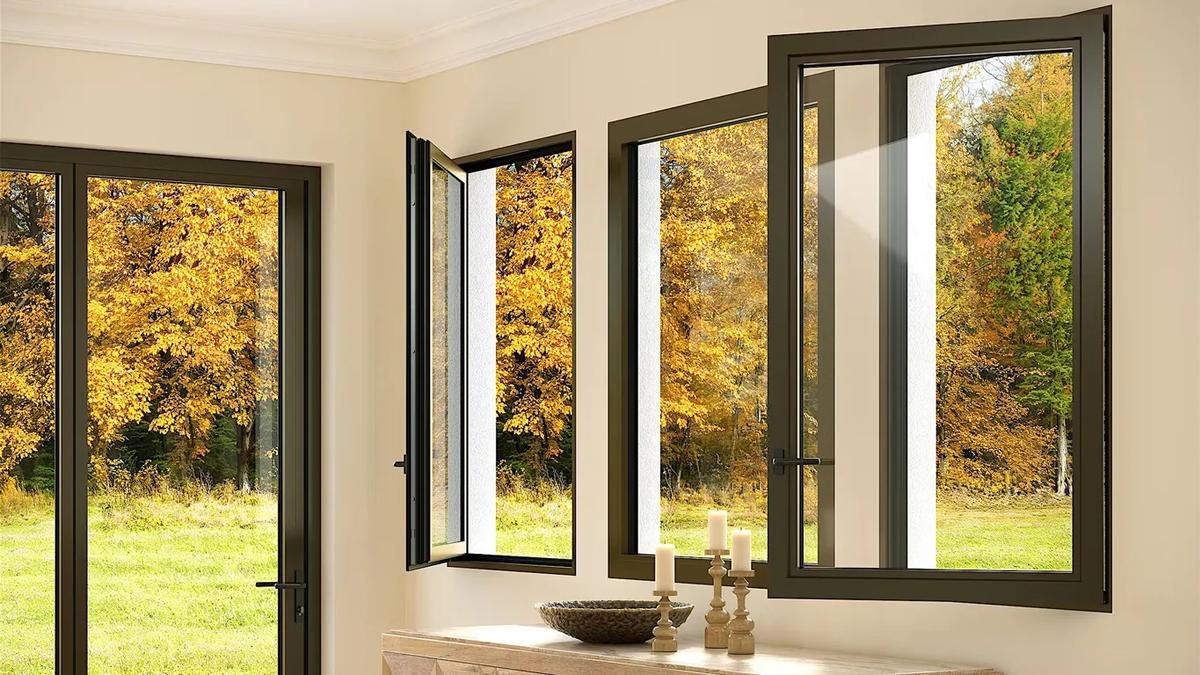
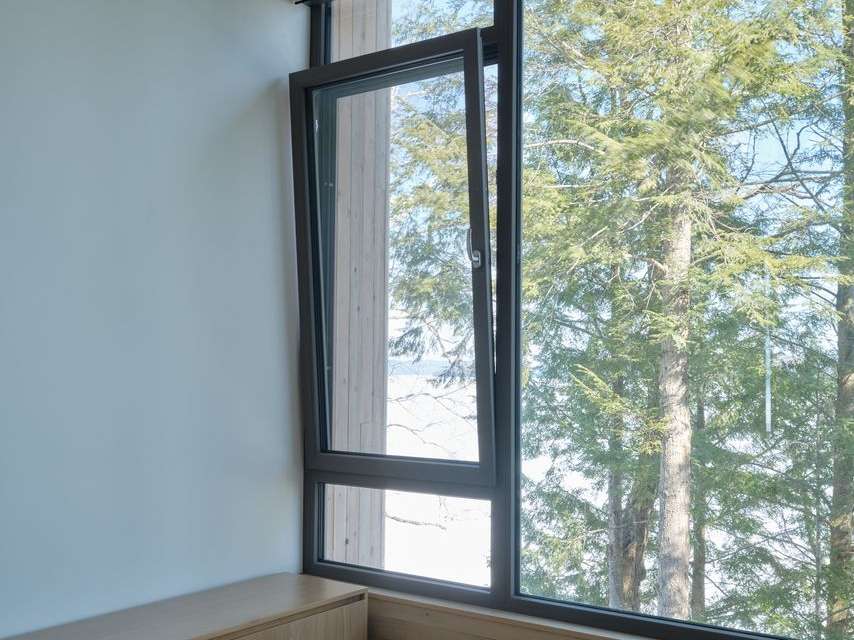
European-style tilt and turn windows are a sophisticated two-in-one design controlled by a single handle. A 90-degree turn of the handle allows the window to tilt inward from the top for secure, controlled ventilation. A full 180-degree turn opens the window fully, swinging inward like a door for maximum airflow and easy cleaning of the exterior glass.
Are tilt and turn windows better than casement or sliders?
The answer depends on your priorities and specific needs. While all three have their place, their performance varies significantly across key criteria.
Airtightness and energy efficiency
From an energy perspective, casement and tilt and turn windows offer superior performance. Their compression seals create a much tighter barrier against drafts and air leakage than the brush or fin seals used in sliders or hung windows. Tilt and turn windows are particularly prized in high-performance building for their reliable, long-term airtightness.
Cost and durability
Slider and hung windows are typically the most affordable option, followed by casement windows. Tilt and turn windows are generally the most expensive due to their complex hardware.
However, this hardware is also extremely robust and durable, often outlasting the mechanisms of other window types. The long-term durability and superior energy savings of a tilt and turn window can offer a solid return on investment over its lifetime.
Security and ventilation
Security is a major benefit of both casement and tilt and turn windows. Both feature multi-point locking systems that make forced entry very difficult. For ventilation, sliders and hung windows are the most straightforward.
Casement windows are great for catching breezes and directing them indoors. Tilt and turn windows offer the best of both worlds - secure, trickle ventilation in the tilt position and a wide-open egress in the turn position.

A downside of tilt and turn windows
One of the capabilities of a tilt and turn window is that it can swing inwards on hinges, similar to casement windows, but those ones swing out instead of in.
I chose casement windows for my home partially for the aitightess, but also for better natural ventilation. A casement window opens outwards, and so it can direct air into your home that would have mostly passed by a slider window, or tilt and turn for that matter. By having casements that open in opposite directions I can steer wind into my house from most directions. They can be opened fully to allow head on breezes in.
This is not to make a huge case about it, in fact had I remembered the tilt and turn windows a decade later when I was building my home, I may well have gotten them. Opening windows outwards happens to work very well given my home design and orientation, but it may not be for everyone. Also, windows that open outwards can be a hazard for walking past them if they open into laneways or onto decks.
Window life span and warranty
The typical lifespan of a high-quality window, whether it's a tilt and turn or a casement, is generally between 20 to 30 years, but it can extend to 50 years or more with proper care and maintenance. However, the lifespan of a window's operational performance might differ depending on the mechanism.
The primary difference lies in the hardware. Tilt and turn windows have a very robust, heavy-duty locking and hinging mechanism designed to handle the weight and size of large, often triple-glazed, sashes. This structural integrity and the compression-based sealing method mean the window's ability to maintain a tight, airtight seal is less likely to degrade over time due to sagging or warping.
While a high-quality casement window also has durable hardware, its cranks and hinges are subject to different kinds of stress and wear. Over many years, the operational components may be more prone to wearing out or needing replacement than the robust, multi-point hardware of a tilt and turn window.
A window's warranty is often a strong indicator of its quality and expected lifespan. When choosing a window, be sure to ask manufacturers about their warranty policies. A longer or more comprehensive warranty on the hardware and the insulated glass unit (IGU) is a sign of a manufacturer's confidence in their product's durability. It reflects a commitment to quality that is more likely to provide a better return on your investment over the long term.
Choosing operational or fixed windows
Operational windows, those that open, are more expensive than fixed or inoperable windows. This is because they require complex hardware and more elaborate sealing systems. A smart strategy to save money and improve overall building performance is to only choose operational windows where they are needed for natural ventilation.
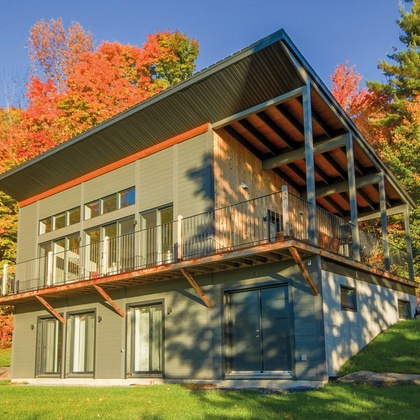
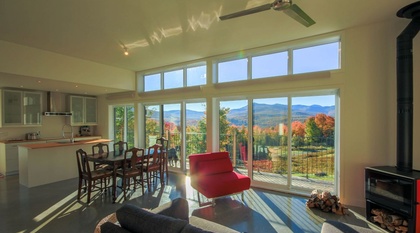
For example, you could install operational windows on the east and west sides of your home to catch prevailing breezes for cross-ventilation. For a south-facing facade, which is often chosen for homes designed for passive solar heat gain, you could opt for fixed windows.
This not only saves on the initial cost but also ensures a better airtight seal, as fixed windows are inherently more airtight than any operable window. It allows you to prioritize function and performance without incurring additional costs where a window will rarely, if ever, be opened.
Windows and Passive House design: a perfect match
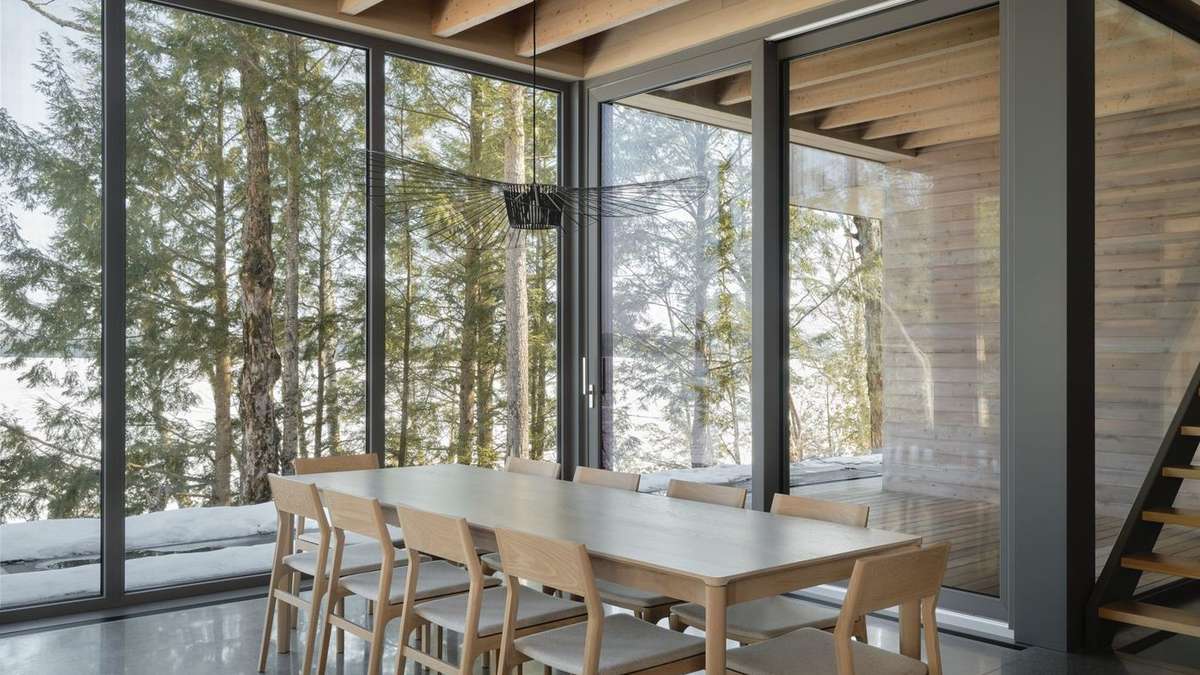
Passive House is a rigorous building standard focused on creating homes with extremely low energy consumption. Windows are a critical component of a Passive House building envelope. They must be incredibly airtight and well-insulated to prevent heat loss in winter and heat gain in summer. This is where tilt and turn windows truly shine.
The reason for their prevalence in Passive House projects is their superior performance in two key areas: airtightness and thermal performance. The multi-point locking system pulls the sash tightly against the frame's compression seals, effectively eliminating air leakage.
This is a non-negotiable requirement for meeting the Passive House standard's stringent air changes per hour (ACH) targets. Furthermore, the robust frame and sash construction can accommodate triple-pane glazing units, which dramatically improves the window's U-value (or R-value in North America) and prevents thermal bridging.
Cost effectiveness and ROI: are they worth the investment?
Tilt and turn windows typically have a higher upfront cost compared to standard casement windows. For example, a quality tilt and turn window might cost 15-25% more than a comparable casement window. However, the long-term return on investment (ROI) is a compelling factor for both homeowners and builders.
The enhanced thermal performance and airtightness directly translate to significant energy savings on your heating and cooling bills over the lifespan of the window. In a cold climate like Canada, or a hot one like Australia, this can be substantial.
While a standard casement window can also be very airtight, the multiple compression seals of the tilt and turn window offer a more robust and reliable seal over time. The hardware's structural integrity is designed to handle the weight of triple-pane glazing, which helps to maintain the window's high performance and airtightness for decades.
From a functional standpoint, the ROI extends beyond simple energy savings. The ease of maintenance and cleaning reduces future costs and effort. The superior security features can provide peace of mind and may even lead to lower insurance premiums. The tilt function allows for passive ventilation, reducing the need for mechanical systems in some cases.
In brief: a summary of window mechanisms
When choosing a window, consider a holistic view of performance, cost, and function. While sliders and hung windows offer classic functionality, and casements provide superior airtightness, the tilt and turn window provides a high-performance alternative, especially for those seeking a unique blend of all three.
Its higher initial cost is often offset by long-term energy savings and durability, making it an excellent choice for a high-performance or Passive House build.
Now that you know more about window mechanisms, find more info about high-performance building techniques in the Ecohome Green Building Guide and these pages below:
-
Passive house home design principles: the ultimate guide
-
Ecohome window buyers guide - what to look for in high performance windows
-
How to know when to replace windows and when they can be repaired
-
How to install windows for durability and energy efficiency
Sign up now and reap the benefits of a free Ecohome Network Membership!













Comments (0)
Sign Up to Comment