U-Value / Green Building & Sustainable Home Renovation Information & Advice

U-Values vs R-Values - The Differences Explained
Insulation and soundproofing

Understanding U-Values: How Are They Different Than R-Values?

...U-values for different elements. While the R-value (RSI) is used for material comparisons, the U-value is the official target for the finished assembly in code compliance. Thermal bridging and effective u-value For building professionals, the U-value is a more accurate measure of a component's real-world performance b...

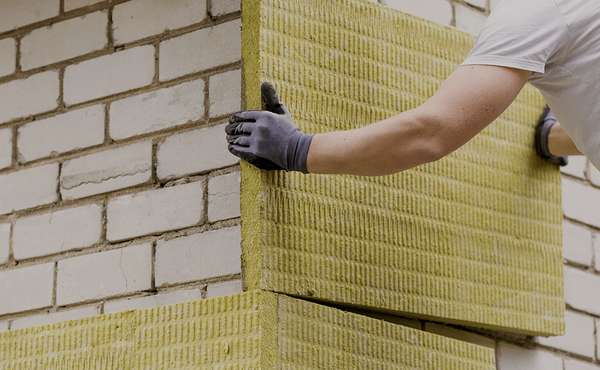
Worker Installing EIFS Exterior Rigid Insulation Panels
Wall assemblies - renovation

Installing EIFS over Brick for Energy Efficiency Renovations and Retrofits

...U-value. For example, a common wall assembly in North America might have an R-value of R-40 (or RSI 7.04), while in the UK, the U-value would be 0.14 W/m²·K. Always check local building codes for specific requirements on material types and attachment methods, especially in high-wind zones. In brief Installing EIFS ove...

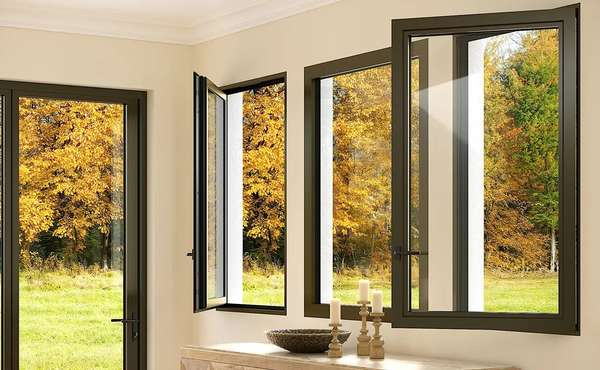
Tilt and turn window in a modern home, shown in both tilt and turn positions.
Windows and doors

Choosing window mechanisms - casement, slider or tilt and turn, which is best?

...U-value (or R-value in North America) and prevents thermal bridging. Cost effectiveness and ROI: are they worth the investment? Tilt and turn windows typically have a higher upfront cost compared to standard casement windows. For example, a quality tilt and turn window might cost 15-25% more than a comparable casement...

Wood frame triple-glazed, argon-filled windows in the Ecohome Demo House
Windows and doors

Choosing windows - which window frame? wood v aluminum v vinyl

...U-Value: The U-value attributed to a window indicates how fast it transfers heat from warm areas to cold. The lower the number, the slower it transfers heat, so low numbers are what you are looking for. A U-value is the inverse of an R-value, so the kind folks in the window industry have come up with equivalent R-value...