
Choosing a roof for a home: a homeowner's & pro's guide
Deciding on a roof profile is one of the most consequential steps in residential design, influencing structural longevity, thermal performance, and future maintenance. Roof shape is the primary aesthetic feature that determines the curb appeal of the home.
Choosing a roof design for new builds or renovations will have a significant impact on your building budget, as complication costs money. See our guide page on which home design features add the most cost to a building budget to avoid cost overruns. This guide breaks down common and specialized roof designs to help you navigate the trade-offs between architectural style and high-performance building standards.
- Gable roofs: simplicity and drainage
- Hip roofs: structural stability
- Flat roofs: modern utility
- Shed roofs: solar optimization
- Butterfly roofs: design and drainage risks
- Gambrel roofs: traditional volume
- Mansard roofs: maximizing interior space
- Saltbox roofs: asymmetric wind protection
- Dormers: adding light and headroom
- Roof overhangs and siding protection
- Managing stormwater with eavestroughs
- Avoiding thermal bridging in roof assemblies
- Impact of snow loads on design
- Ventilation and moisture management
- In brief
Gable roofs: simplicity and drainage
The gable roof is characterized by two sloping sides that meet at a central ridge. It is a staple in North America, the UK, and Europe because it effectively sheds bulk water and snow away from the center of the structure.
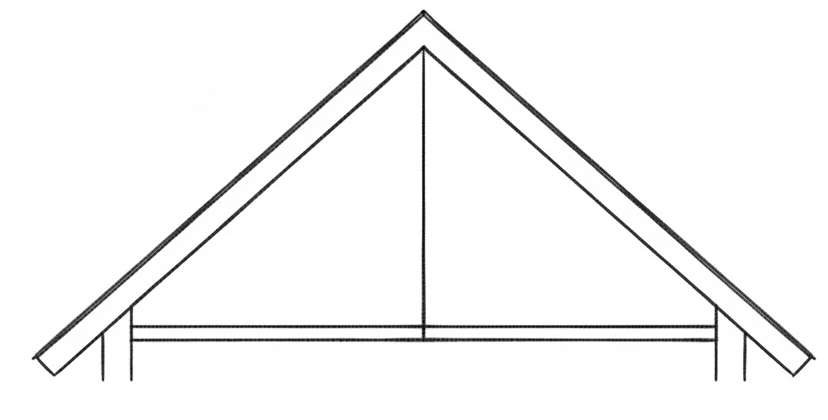
Pros and cons of gable designs
- Pros: Simple to frame and cost-effective. It provides a large triangular volume for vented attic insulation, allowing for deep layers of blown-in cellulose.
- Cons: Vulnerable to wind uplift. In regions like Australia or the US Gulf Coast, gable ends require extra bracing to prevent structural failure during storms.
Hip roofs: structural stability
A hip roof slopes on all four sides, which meet at a ridge or a central point. This profile is aerodynamically superior to the gable design, making it the preferred choice for high-wind zones and coastal regions.
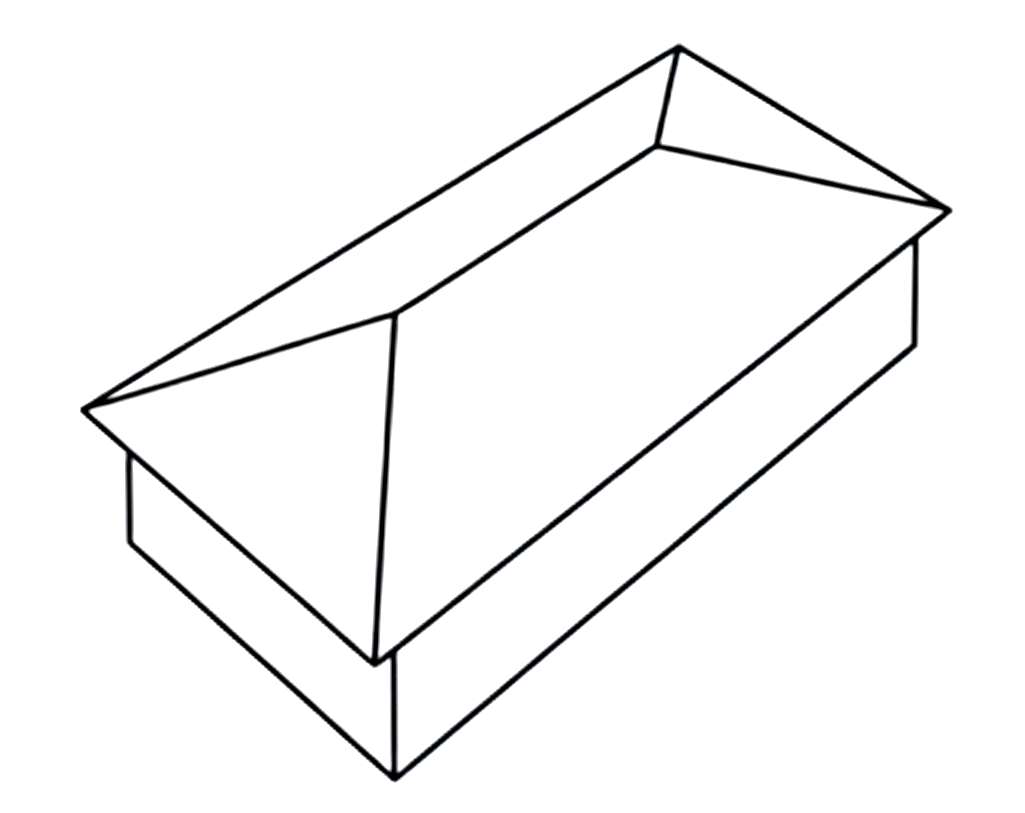
Performance and professional considerations
While more stable, hip roofs are more complex to frame. The design creates multiple valleys and hips, which increase the risk of leaks if flashing is poorly executed. For professionals, ensuring soffit-to-ridge ventilation is more challenging due to the limited ridge length available for venting.
Flat roofs: modern style and utility
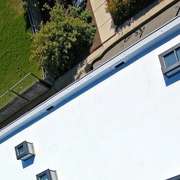
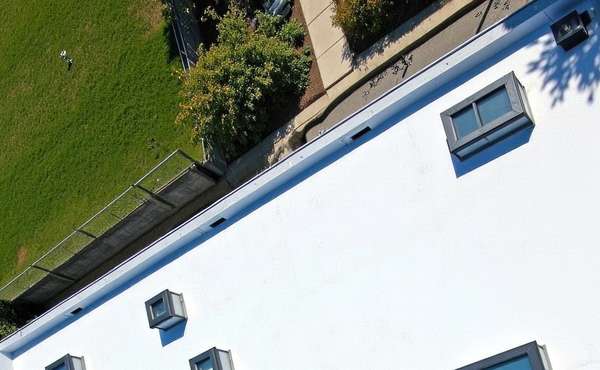
A flat roof is never truly level; it must have a minimum pitch of 1/4 inch per foot (2 cm per 30 cm) to facilitate drainage. This profile is common in modern architecture and urban Passive House builds.
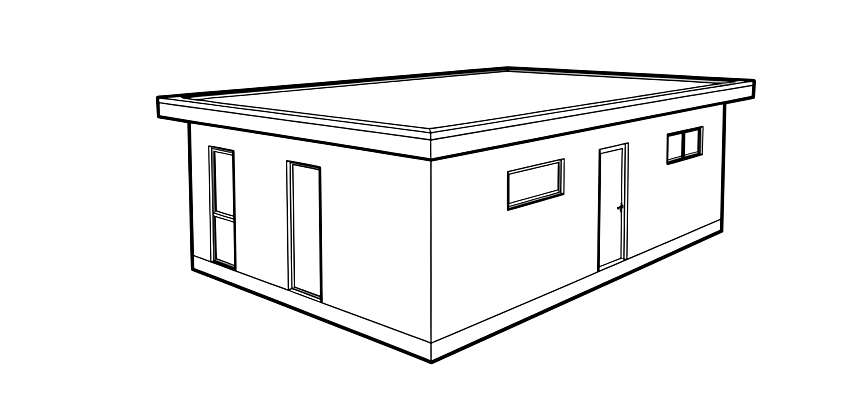
Maintenance and waterproofing
- Pros: Can be used as functional outdoor space or for mounting HVAC and solar equipment out of sight.
- Cons: Requires high-performance waterproofing membranes (like EPDM or TPO) and regular inspections. In snow-heavy climates, the structural rafters must be engineered for massive weight, as snow does not shed naturally.
Shed roof: simple constrution & solar optimization
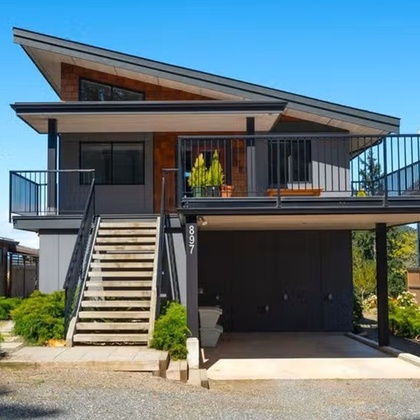
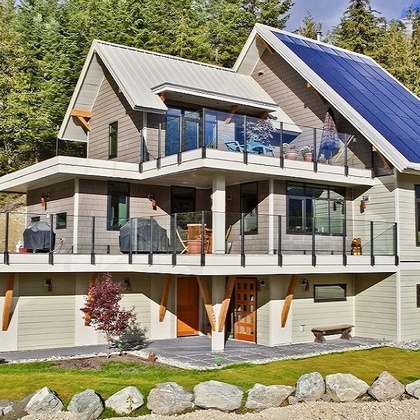
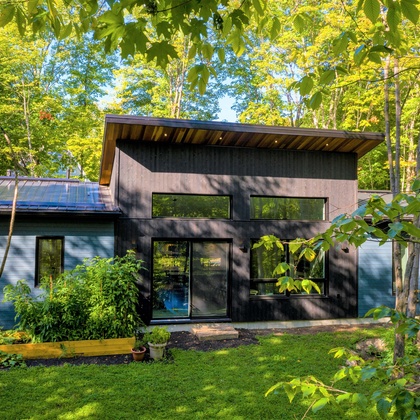
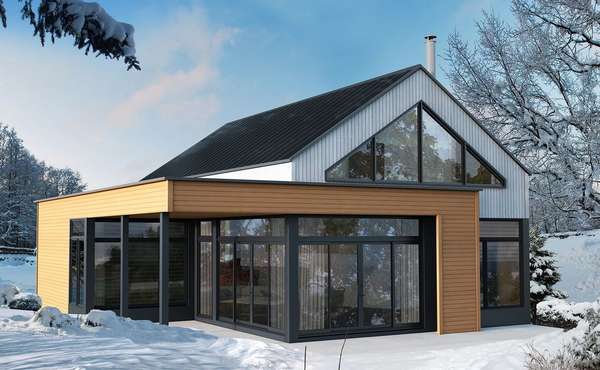
The shed roof, or mono-pitch, consists of a single sloping surface. It is a favorite for sustainable home design because it provides a massive, uninterrupted plane for solar panel arrays.
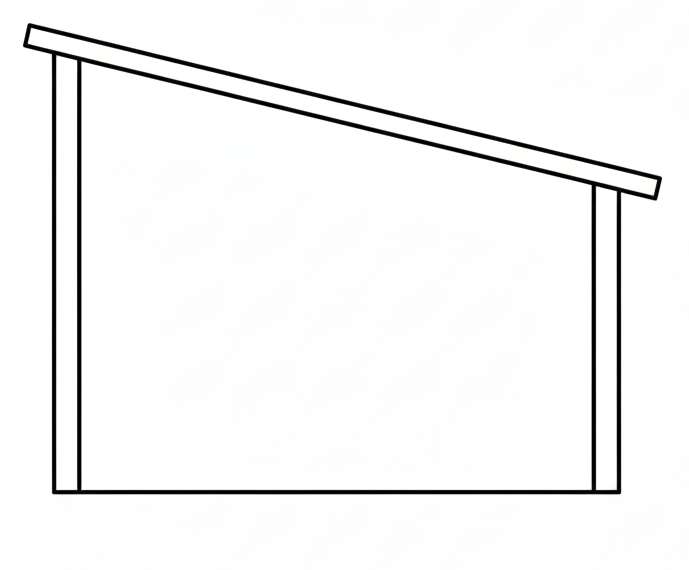
Pros and cons of shed designs
Shed roofs are economical to build and allow for clerestory windows on the high side to bring natural light deep into a home. However, they concentrate 100% of stormwater runoff to a single side of the building, which can overwhelm standard gutters and cause soil erosion near the foundation.
Butterfly roofs: design and drainage risks
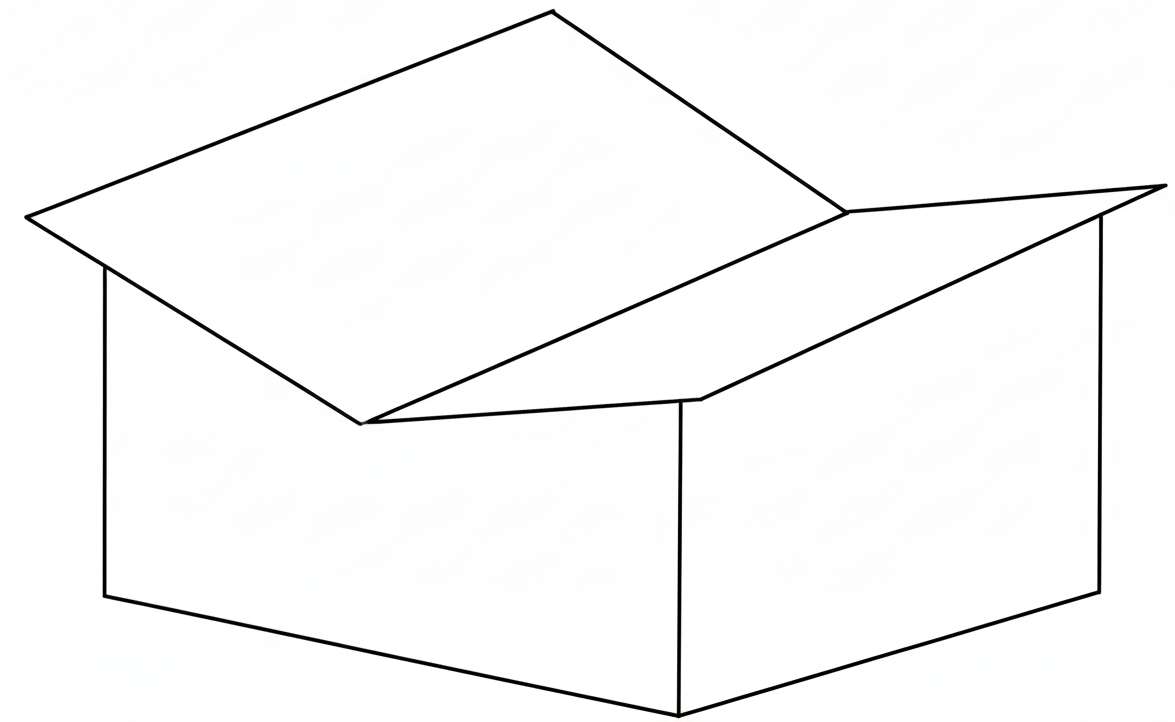
The butterfly roof features two slopes that angle inward toward a central valley. While architecturally iconic, this design is counterintuitive from a building science perspective because it funnels water and snow toward the center of the home.
Critical risks and care
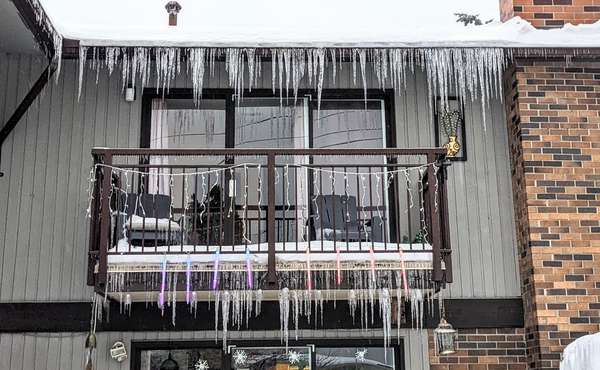
The central valley acts as a massive collector. If the internal box gutter fails or is blocked by debris, the overflow can cause catastrophic interior damage. In cold climates, this valley is prone to extreme snow load and ice dams. Butterfly roofs should be limited to necessary designs and carried out with great care, utilizing redundant waterproofing and oversized drainage scuppers. For more on ice management, see ice dams: prevention on roofs and how to remove them.
Gambrel roofs: traditional design with volume
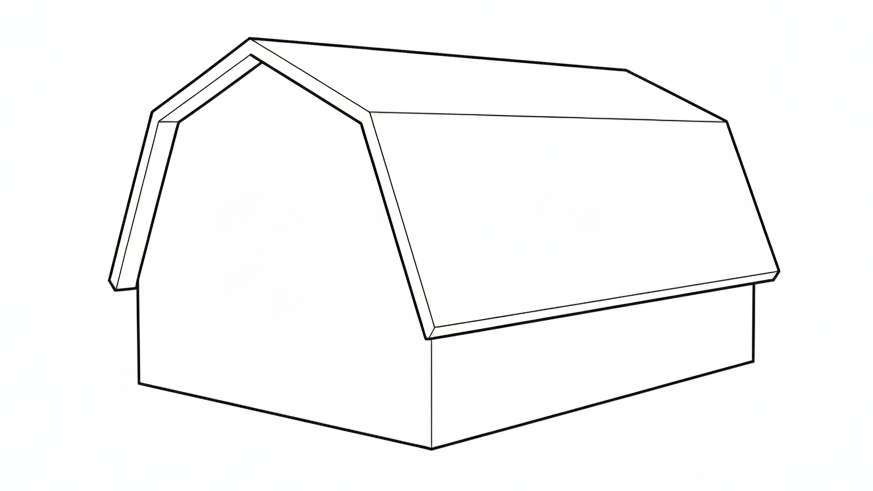
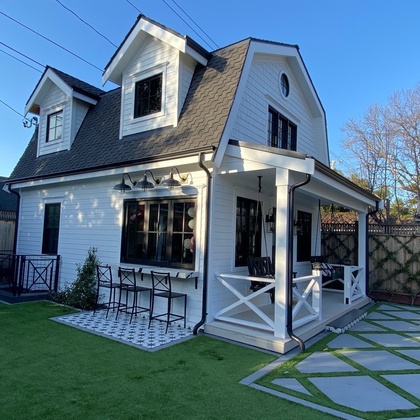
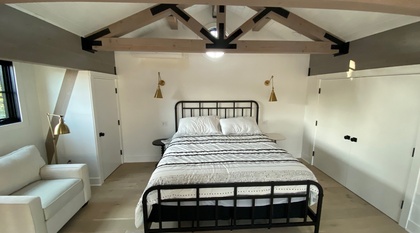
Commonly seen on barns, a gambrel roof has two slopes on each side - a shallow upper slope and a steep lower slope. This design maximizes interior head height without requiring a full second story.
Insulation challenges
The "elbow" or transition between the two slopes is a high-risk area for air leakage and thermal bridging. Pros often use closed-cell spray foam in these tight rafter spaces to ensure an airtight seal and sufficient R-value. For a deeper look at this material, see our guide on spray foam insulation: the pros and cons.
Mansard roofs: maximizing interior space
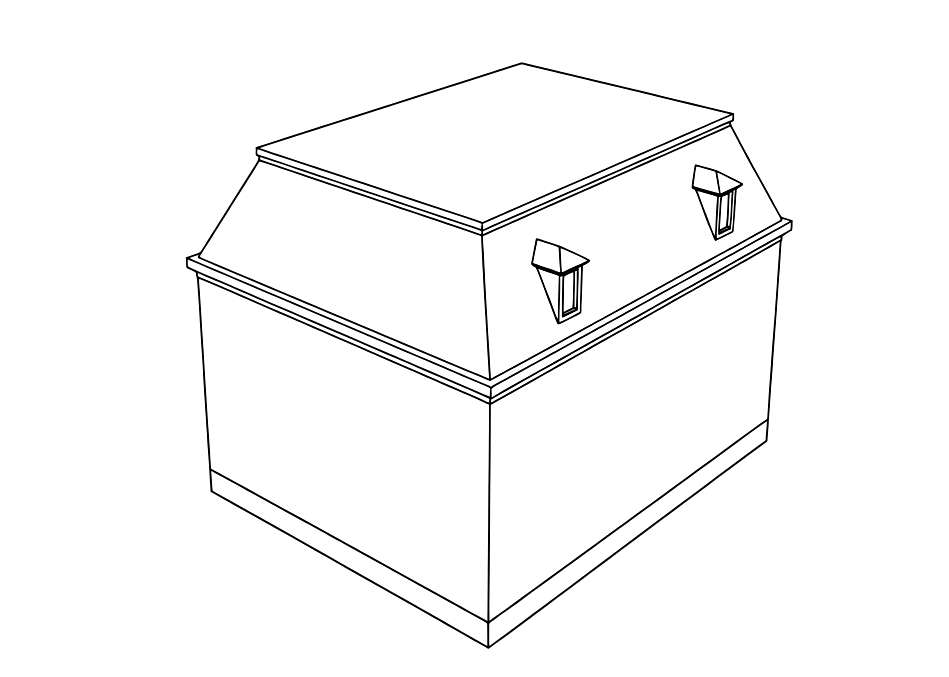
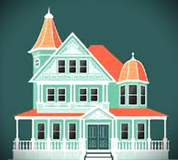
A mansard roof is essentially a hip roof with a dual slope on all four sides. This French-inspired design is the ultimate choice for maximizing usable attic space, often adding an entire extra floor to a home's footprint.
Performance and cost
Because the lower slopes are nearly vertical, they function almost like walls but must be waterproofed like a roof. This makes them expensive to build and difficult to air-seal effectively. They also require rigorous maintenance of the dormer windows typically built into the steep slopes.
Saltbox roofs: asymmetric wind protection
A saltbox roof is asymmetrical, with a long, low slope at the back and a shorter, steeper slope at the front. Historically, this allowed early builders to easily add a rear extension.
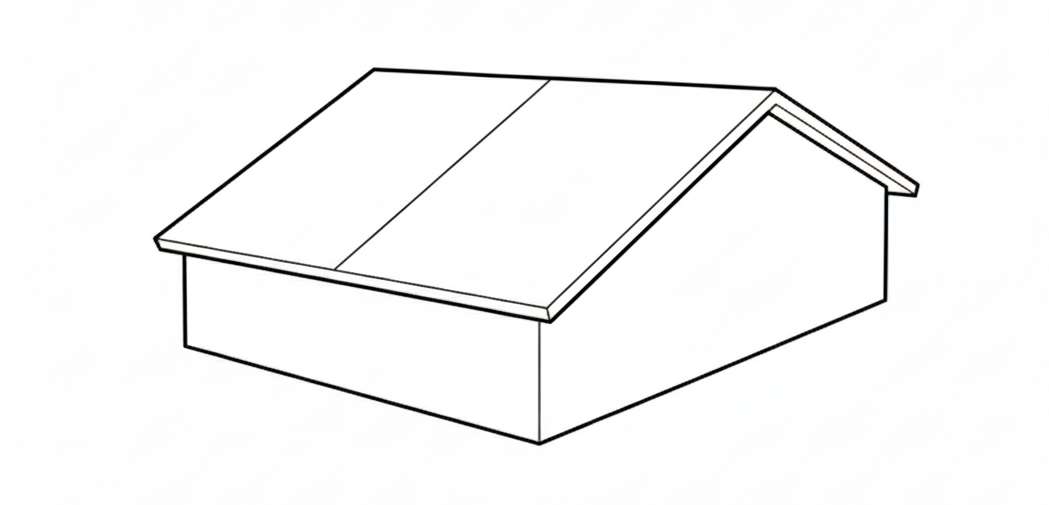
The long rear slope can be oriented to deflect winter winds or provide a massive surface for solar panels. However, the uneven snow loading between the two sides can place asymmetric stress on the house frame, requiring careful structural calculation by the architect or engineer.
Dormers: adding light and headroom
A dormer is a structural element that projects vertically from a sloping roof. While they add natural light and livable space, they are also a significant source of building envelope failure.
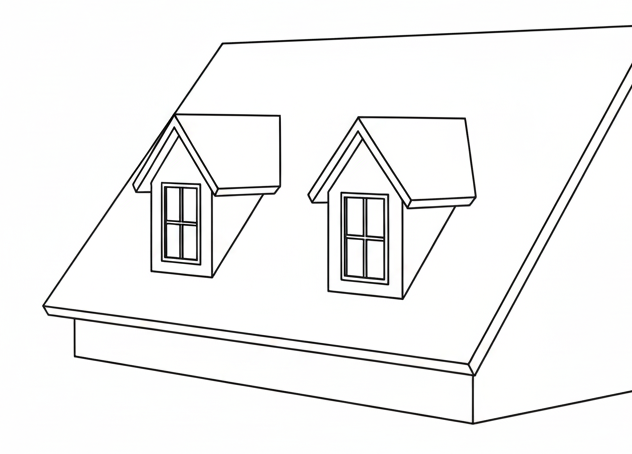
The pro's perspective on dormers
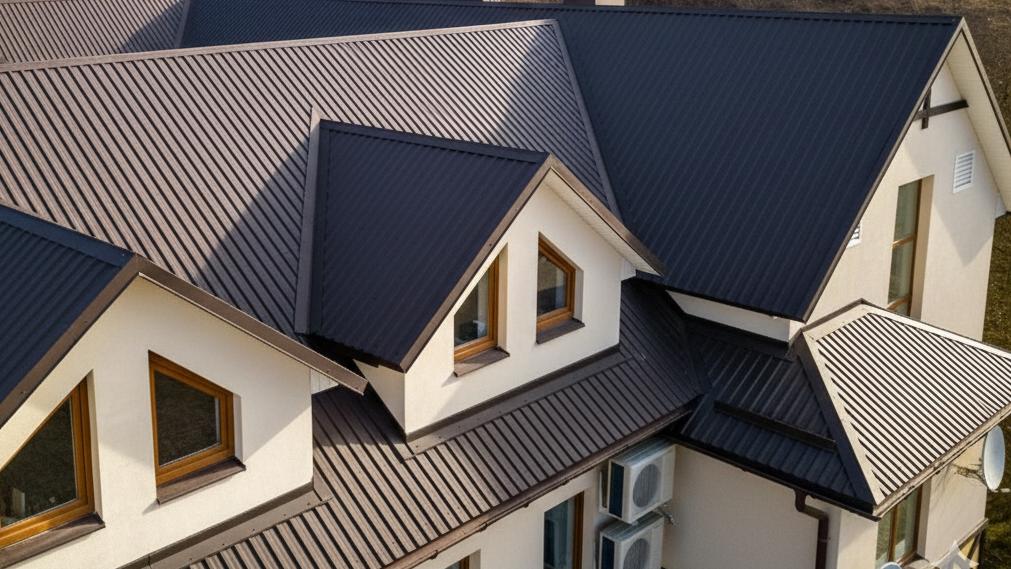
Every dormer creates new valleys and wall-to-roof intersections. These must be flashed with extreme precision to prevent bulk water intrusion. Furthermore, dormers are prone to thermal bridging and air leakage, often requiring specialized insulation details to maintain energy efficiency.
Roof overhangs and siding protection
The design of roof overhangs is a critical factor in siding durability. Overhangs act as an umbrella, protecting the walls from bulk water and UV exposure. It should go without saying, but as a rule we are comfortable saying that a wider overhang on a home is better than a narrow one.
The two biggest factors that affect siding durability are exposure to UV and moisture, so the less your walls see the better. Your paint will last longer, your caulking will last longer and keeping moisture away from walls allows any residual moisture in walls to escape.
Best and worst designs for overhangs
- Best: Hip roofs allow for consistent overhangs (typically 18 inches (45 cm) to 24 inches (60 cm)) on all four sides.
- Worst: Gable roofs often have minimal overhangs on the "rake" or gable ends, leaving those walls exposed to rain.
Deeper overhangs keep the siding drier, which prevents rot and allows the cladding to dry faster after a storm by reducing the total moisture load on the wall assembly.
Managing stormwater with eavestroughs
Managing the volume of water from a roof is essential to protect the foundation. Without properly sized eavestroughs (gutters), runoff can cause basement flooding and soil saturation.
For high-volume designs like shed and butterfly roofs, 6 inch (15 cm) gutters are often mandatory to handle the concentrated flow. For professionals, integrating rainwater harvesting systems can turn this runoff into a valuable resource for irrigation or greywater use.
Avoiding thermal bridging in roof assemblies
Thermal bridging occurs where heat flows through conductive materials like rafters. This is a major issue in cathedral ceilings where insulation is limited to the rafter depth.
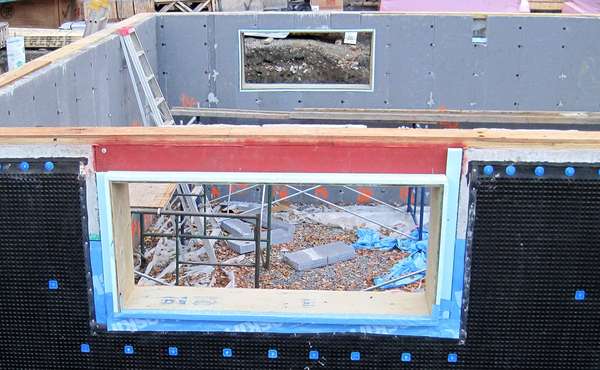
The most effective solution is to install a layer of continuous rigid insulation over the roof deck. This creates a thermal break that keeps the structural rafters warm and helps to prevent interstitial condensation. For more on this, see thow to avoid heat loss from thermal bridging in walls.
Impact of snow loads on design
In cold climates, snow load dictates the structural framing. A flat roof must support the weight of several feet of wet snow, which can exceed 40 pounds per square foot (195 kg per square meter).
Steep roofs like gables and gambrels encourage snow to shed, but this requires safety planning for where that snow will land. Low-slope roofs retain snow, providing a small insulative benefit, but they require much heavier framing. The butterfly roof is the most problematic, as snow accumulates in the center, creating concentrated weight and moisture risks.
Ventilation and moisture management
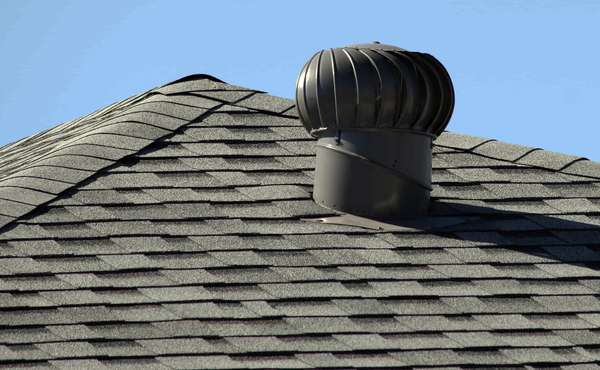
A roof's longevity depends on its ability to stay dry. A traditional vented attic is the most resilient system, as it uses natural convection to remove heat and moisture. In roofs without attics, professionals must ensure 100% airtightness at the ceiling plane.
Failure to manage moisture leads to mould growth and structural rot. Proper attic ventilation is also the primary defense against the formation of ice dams in winter. Always ensure there is sufficient ventilation in roofs to prevent moisture damage.
In brief
- Gable and hip roofs are the standard for reliability and drainage.
- Shed roofs are the best profile for maximizing solar energy.
- Butterfly roofs carry high drainage risks and must be built with great care.
- Deep overhangs are essential for protecting siding and walls.
- Continuous insulation is required to stop thermal bridging in modern roofs.
- Snow loads must be calculated carefully for all low-slope and butterfly profiles.
Now that you know more about choosing a roof for a home, find more info about roofing & green building techniques in the Ecohome Green Building Guide and these pages below:
-
Insulating attics in old homes - energy efficient home renovations
-
Ice dams: prevention on roofs and how to remove them
-
Asphalt shingles or metal roofing, which is better?
-
Renovating to convert unused attics into living space and bedrooms





Comments (0)
Sign Up to Comment