


Attic conversion: a homeowner's and pro's guide
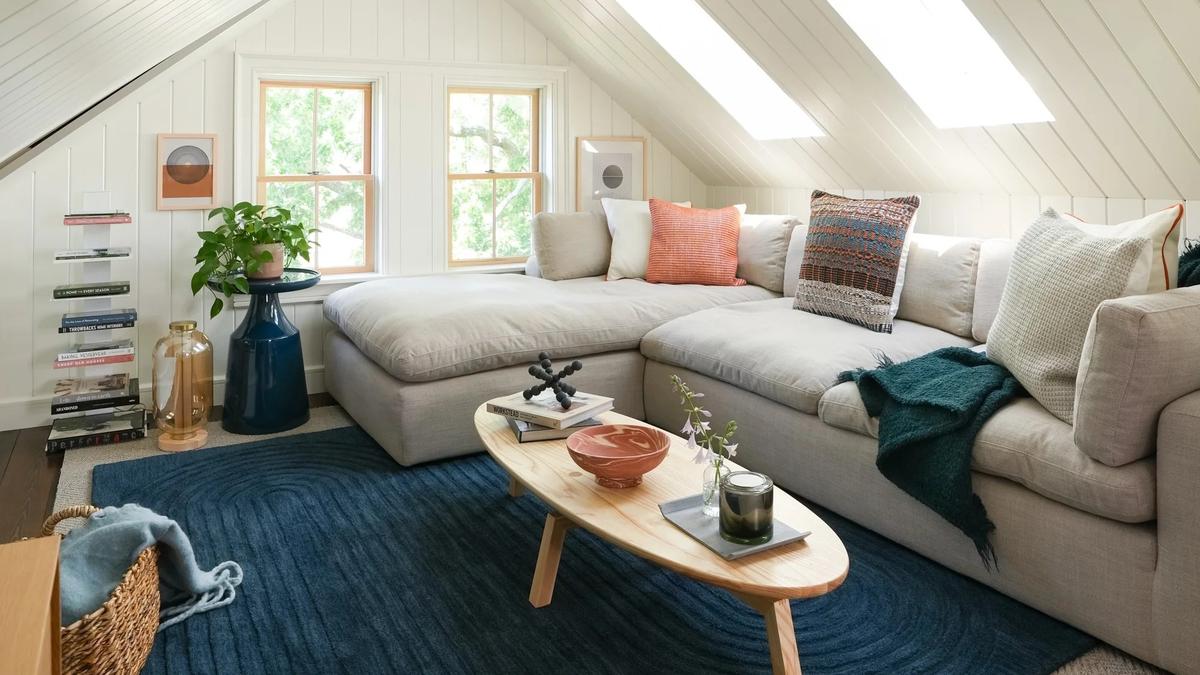
Transforming an underused attic into livable space can be one of the most rewarding home renovations because it is just waiting there for you to come and claim the space. If your home layout allows for it without much structural modification, turning attics into additional living areas can be one of the more affordable ways to add square footage to a home.
However, an attic conversion is far more complex than a typical interior remodel. It requires careful planning to ensure the new space is not only beautiful and functional, but also safe, energy-efficient, and compliant with all building regulations.
This guide will walk you through the essential steps, from initial assessment to final finishing, providing both homeowners and professionals with the critical information needed for a successful, sustainable project.
- Assessing your attic space
- Which type of roof structure is compatible for attic conversions?
- Building codes and structural requirements for attic conversions
- Air sealing and choosing insulation
- Skylights and natural light
- Heating, cooling, and ventilation for attics
- Cost and return on investment
- Our conclusions on attic renovations
Assessing your attic space
Before any design work begins, the first step for both homeowners and professionals is a thorough assessment of the existing attic. Not all attics are suitable for conversion. Key factors to evaluate include sufficient headroom and the availability of a proper access point. These two elements are foundational and will determine the feasibility, cost, and complexity of the entire project.
A professional must assess the existing floor joists, which were likely designed to support the load of a ceiling, not the much heavier live loads of furniture and people. Reinforcing these joists is a non-negotiable step to ensure structural integrity.
A primary consideration for whether or not an attic renovation works or not is headroom. The minimum required headroom for a 'livable' space is typically around 2.3 metres (7.5 feet) for at least half of the floor area. Without sufficient headroom, the space might not meet building code and cannot legally be considered a room.
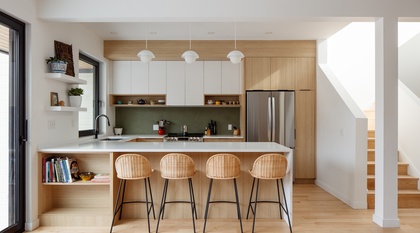
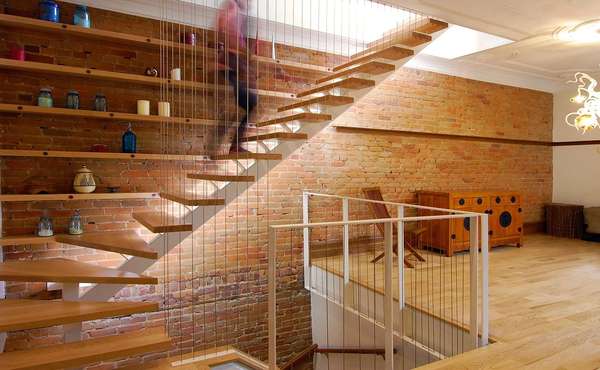
This does not necessarily mean you need full head room througout the entire space, or that there aren't exceptions. Below is an example of a loft space where the headroom falls off at the sides that passed with local inspectors.
Check local regulations for code, and best is if you can forge a personal relationship with inspectors or the permitting department. Whether a proposed renovation project complies with the local building regulalations can be surprisingly random and often at the discretion of a single person. So a sunny disposition and a little charm can be helpful at the permit office to help grease the wheels.
A professional must assess the existing floor joists, which were likely designed to support the load of a ceiling, not the much heavier live loads of furniture and people. Reinforcing these joists is a non-negotiable step to ensure structural integrity.

Access and egress requirements
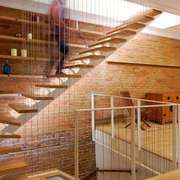
If the new space will be frequently used, it will require a full-sized, code-compliant staircase for both access and as a means of egress in case of an emergency. Stair designs like pull-down ladders, ship stairs and spiral staircases can provide access to seldom used spaces but they are generally not accepted as a primary means of egress by building codes, which is a critical consideration for fire and life safety.
This staircase must meet specific requirements for width, tread depth, and riser height. For many homeowners, finding the space on the floor below for a new staircase can be a significant challenge that requires careful design and planning.
Which type of roof structure is compatible for attic conversions?
The type of roof structure is a major factor in determining the feasibility of an attic conversion. In older homes, you will often find a traditional rafter-based roof, which features an open space with rafters and ceiling joists.
If you open your attic hatch and see open, walkable space with little obstructing your view, it's a good sign that your home might be a candidate for conversion. In this case, the next step is to hire a structural engineer or a knowledgeable general contractor to inspect the space and assess if the floor can be reinforced to carry a living load. This type of construction makes the conversion process more straightforward.
In contrast, most modern homes built in the last several decades use a truss-based roof structure. This is immediately identifiable as an intricate web of lumber crisscrossing the space, making the attic completely unusable and nearly impossible to transform into living space.
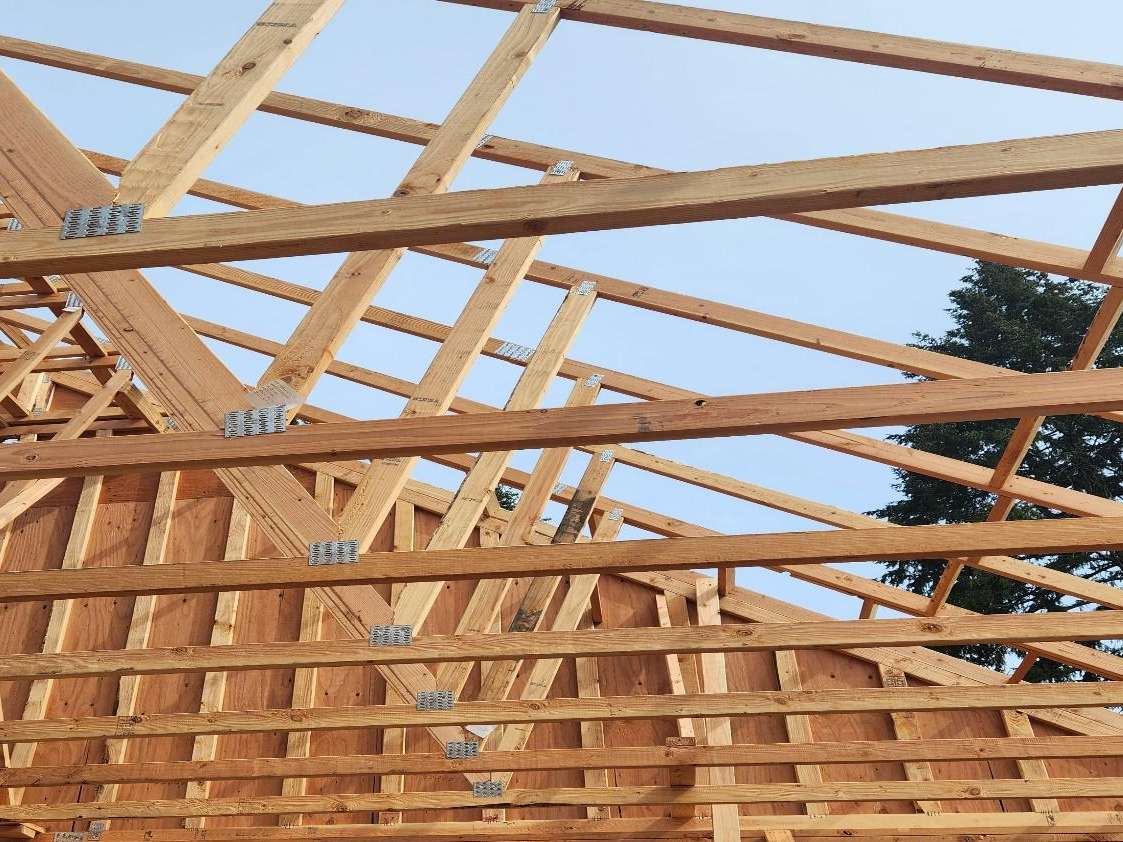
These trusses are an engineered system designed to carry specific loads, and attempting to remove or alter any part of them will compromise the structural integrity of the entire roof. The immense cost and complexity of redesigning and replacing a truss system often makes converting these attics an impractical and unfeasible project.
Building codes and structural requirements for attic conversions
Building codes and local regulations are the non-negotiable foundation of any attic conversion. These rules are in place to ensure the safety and long-term durability of the new space. Compliance is critical for securing permits, insurance, and resale value.
Structural integrity
The existing floor joists in your attic were likely designed to support the load of a ceiling, not the much heavier live loads of furniture, people, and finished flooring. A structural engineer must assess the existing framing and design a new floor system.
This often involves adding new, larger joists to run alongside the existing ones to properly carry the increased load. Ignoring this step can lead to sagging floors, drywall cracks below, and in the worst-case scenario, structural failure.
Fire and life safety
Attic conversions introduce new fire safety considerations. Building codes typically require specific fire separation between the new living space and the rest of the house. Egress windows are also mandatory; they must be large enough and low enough to the floor to serve as an escape route in case of a fire. These regulations vary between countries and even between municipalities, so consulting with a local building inspector or professional is essential.
Air sealing and choosing insulation
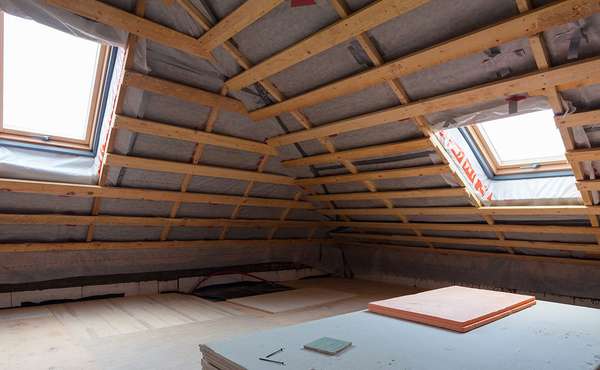
Proper insulation and a continuous air barrier are critical for creating a comfortable, energy-efficient, and healthy attic space. The attic is directly exposed to outside temperatures, and a poor thermal envelope can lead to extreme temperature fluctuations, high energy bills, and poor indoor air quality. For building professionals, a focus on these details is what separates a good renovation from a great one.
Achieving airtightness
Airtightness is the single most important factor for an energy-efficient home. It is achieved by preventing uncontrolled air leakage through gaps, cracks, and seams in the building envelope. In an attic conversion, this involves meticulously sealing all penetrations and junctions. Use durable, flexible sealing materials like acoustic sealant, high-quality tape, and expanding foam.
An airtightness test, or blower door test, can be performed to measure the level of air leakage and identify areas that need more attention. While insulation slows heat transfer, an air barrier is what stops energy loss via air movement. Here you can read all about air barriers and why a home should be airtight.
Choosing eco-friendly insulation
The choice of insulation material has a significant impact on both the home's energy performance and the environment. Eco-friendly insulation options are those that have a low embodied energy, are made from recycled or renewable materials, and do not contain harmful chemicals that can off-gas into the home.
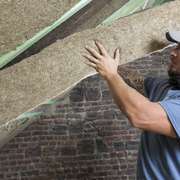
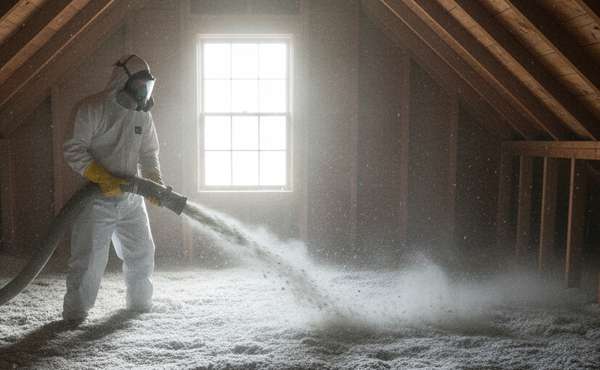
Cellulose: Made from up to 85% recycled newspaper, cellulose has one of the lowest embodied energies of any insulation material. When installed as dense-pack in an enclosed cavity, it provides excellent thermal performance and fire resistance. However, it is a dustier installation and requires a professional for proper density packing to prevent settling.
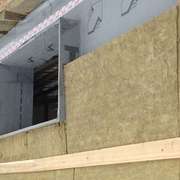
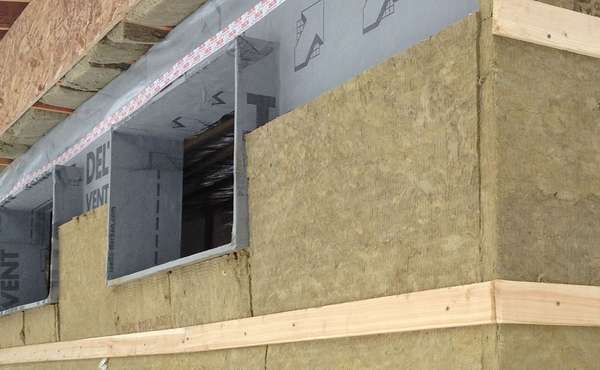
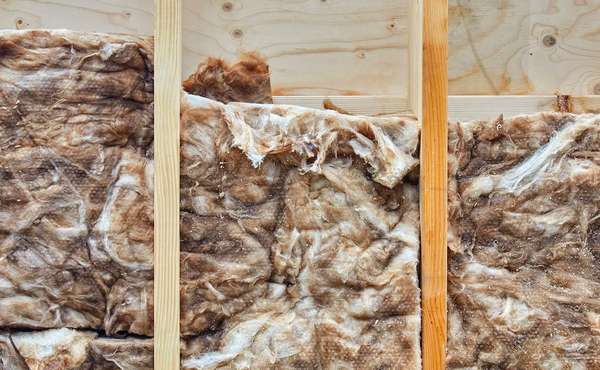
Mineral wool: This insulation is made from recycled slag and rock, giving it a high recycled content. It is naturally fire-resistant, water-repellent, and provides superior acoustic dampening compared to fibreglass. It is also dimensionally stable and won’t settle, making it a great choice for attic walls and cathedral ceilings.
High-density rigid foam: While not as eco-friendly in terms of embodied energy, certain rigid foam boards like expanded polystyrene (EPS) can be a good choice for specific applications due to their high R-value and ability to resist moisture.
For professionals, it is important to understand the different types and their potential for off-gassing, with EPS being a better choice than extruded polystyrene (XPS) from a sustainability perspective. It is also vital to use foam with a zero or low-GWP blowing agent.
Attic radiant barriers
A radiant barrier is a highly reflective material, often made of aluminum foil, that is installed in the attic to reduce summer heat gain. It works by reflecting radiant heat from the sun away from the house, rather than absorbing it. This can be critical for keeping a newly converted attic comfortable and avoiding overheating, especially in hot climates or during hot summer months.

In colder climates that also experience hot summers, radiant barriers are a recommended strategy. By blocking radiant heat, they significantly reduce the cooling load on the air conditioning system, leading to energy savings.
For a radiant barrier to be effective, a small air gap must be maintained on the side facing the heat source, which allows the barrier to reflect the heat before it can be absorbed by the insulation. Without this air gap, the material will conduct heat and lose its effectiveness.
Skylights and natural light
One of the best ways to bring natural light and a sense of openness to a newly converted attic is with a skylight. While they can dramatically improve the aesthetics of a room, it is important for homeowners to understand the risks before committing to an installation.
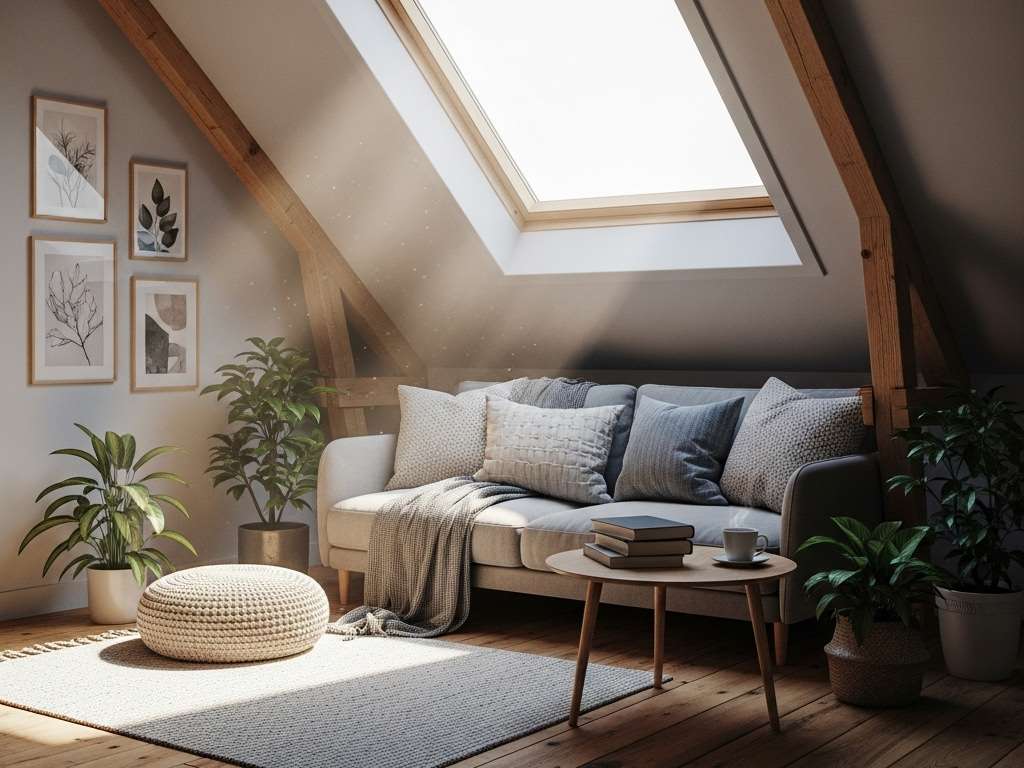
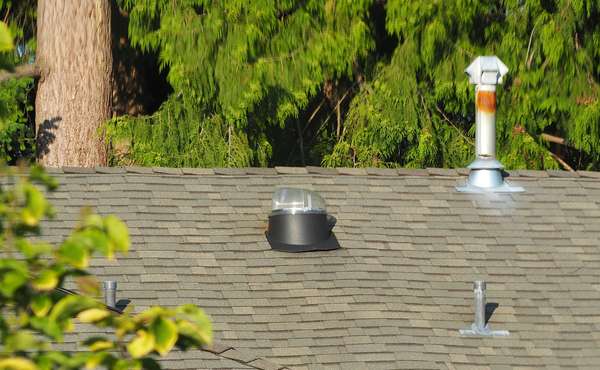
Skylights are a notorious source of air leakage and heat loss in the winter, and solar heat gain in the summer, which can compromise the energy performance of a well-insulated attic. Here you can learn about sun tunnels as efficient and durable alternative to a skylight.
If you choose to install a skylight, it is critical to invest in the highest quality product you can afford. Look for models that are certified to be airtight, have low-e glass, and offer insulated frames. These features can help mitigate the thermal risks associated with skylights. To learn more about the pros and cons of skylights and how to choose the right one for your home, read our guide on choosing the right skylight for your home.
Heating, cooling, and ventilation for attics
Properly heating and cooling the new attic space is often a challenge, as extending existing HVAC ducts can be inefficient. For a sustainable solution, professionals often turn to modern, high-efficiency systems.
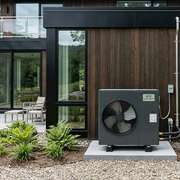
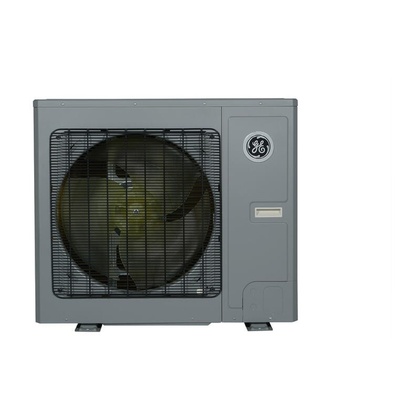
A ductless mini-split heat pump is an excellent choice for a new attic room. It offers both heating and cooling from a single, quiet unit and is highly energy-efficient. To learn more about this technology, you can read our guide on how a ductless mini-split heat pump works. For a whole-house solution that includes the new attic space, a high-efficiency central heat pump is a great choice.
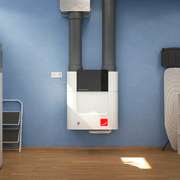
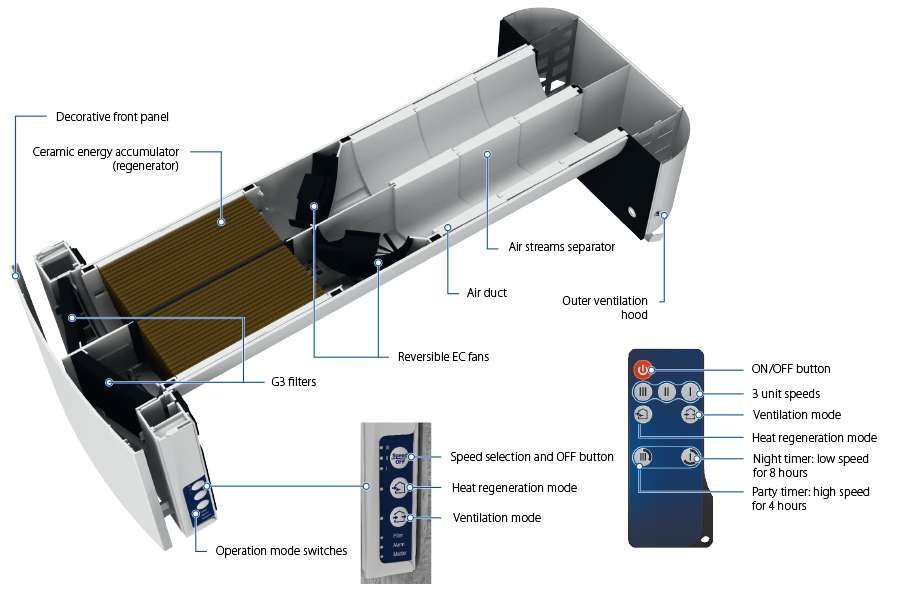
Beyond heating and cooling, proper ventilation is critical for indoor air quality, especially in a new, tightly sealed space. A Heat Recovery Ventilator (HRV) or Energy Recovery Ventilator (ERV) is a system that brings in fresh outdoor air while recovering heat or energy from the stale outgoing air.
These systems are essential for maintaining a healthy and comfortable indoor environment in a newly insulated attic and are a core principle of high-performance building design.
Cost and return on investment
The cost of an attic conversion can vary dramatically, ranging from a basic finish-out to a complex structural modification with a new dormer. A homeowner can expect to spend anywhere from 20,000 to over 100,000 Canadian dollars ($15,000 to $75,000 USD), depending on the scope of work, local labour costs, and material choices. The most significant costs are typically structural reinforcement, insulation, and the installation of a new staircase.
However, an attic conversion consistently provides one of the highest returns on investment among all home renovations. It not only adds valuable square metres but also creates new 'livable' space, which is highly sought after in a competitive real estate market. An energy-efficient and sustainably designed attic conversion can also lead to long-term savings on heating and cooling bills, further increasing the return on investment over the life of the home.
Our conclusions on attic renovations
Converting an attic is a major project that offers substantial rewards, but it requires meticulous planning and a deep understanding of building science. Success hinges on a thorough initial assessment of the space, strict adherence to building codes and structural requirements, and a robust insulation strategy to ensure energy efficiency and comfort.
By prioritizing these elements, homeowners can transform a dormant space into a healthy, sustainable, and valuable part of their home. Professionals who focus on these details will deliver a superior, long-lasting product to their clients.
now that you know more about attic conversions, find more info about structural and green building techniques in the Ecohome Green Building Guide and these pages below:
-
Flexible home concepts - design now for easy future additions
-
All about mini-split heat pumps for small spaces and additions
-
Small HRVs for renovations - try ductless wall insert HRVs for additions
-
Frost in attics - why it happens and how to prevent it
-
Why roofs need ventilation and how to ventilate a roof properly










Comments (0)
Sign Up to Comment