


This guide provides a comprehensive look at the key aspects of this topic. Below is an overview of the sections we will cover, allowing you to jump directly to the information you need.
- Should you remove existing insulation?
- Vermiculite and asbestos: a serious health concern
- Choosing attic insulation: which is best?
- How to properly insulate an attic with batts
- The imperative of attic ventilation
- Air sealing before insulating
- Insulating the underside of roof sheating for an unvented roof
- In brief
Should you remove existing insulation?
One of the first questions when starting an attic insulation project is what to do with the existing material. In most cases, existing insulation does not need to be removed. The cases when it does need to be removed first would be if it's wet, moldy, or if it is or has ever been infested with rodents. Mice love attics in old homes, and their waste can cause health concerns for humans.
Leaving attic insulation in place and adding more on top is often the most practical and affordable approach. This is especially true for materials like fiberglass batts, blown fiberglass, or blown cellulose. They can be easily covered and you get the advantage of that added R-value that is already there.
Assessing your current situation
Before proceeding, a thorough inspection of the attic is required. This involves checking for signs of moisture damage such as water stains on the roof decking or insulation, or visible mold growth. The insulation should also be checked for compression, which reduces its effectiveness.
If you find significant moisture damage, mold, or a noticeable amount of mouse poop, these issues must be addressed and resolved before any new insulation is installed.
Vermiculite and asbestos: a serious health concern
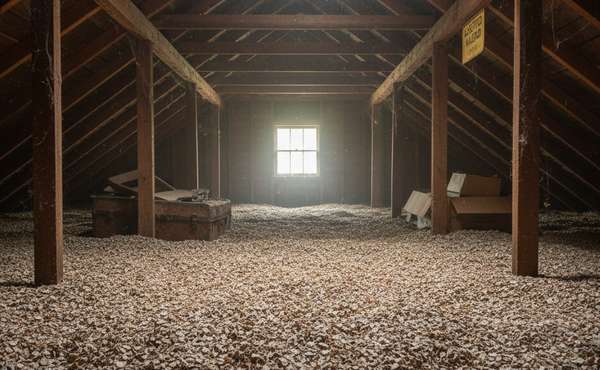
If your older home was built between the 1920s and the early 1990s, you may have vermiculite insulation in your attic. The majority of vermiculite sold for insulation in North America came from a mine in Libby, Montana, which was contaminated with tremolite asbestos.
It is assumed that about 70% of vermiculite is contaminated, and it presents a serious health risk as asbestos fibers can become airborne when disturbed. Asbestos leads to a variety of serious health issues including lung cancer.

Is it safe to leave vermiculite in place?
The safest course of action is to assume that all vermiculite insulation contains asbestos. The most crucial safety principle is to leave it undisturbed. As long as the material is not agitated, it poses minimal risk. Therefore, unless you are planning major renovations that would disturb it, the safest option is to leave it in place and seal it off. You can read here how to know if vermiculite insulation has asbestos and what to do about it.
Choosing attic insulation: which is best?
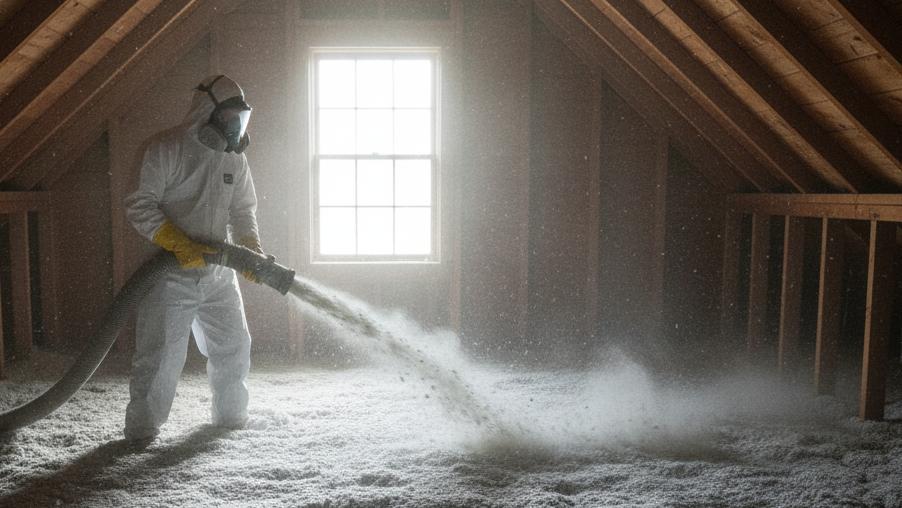
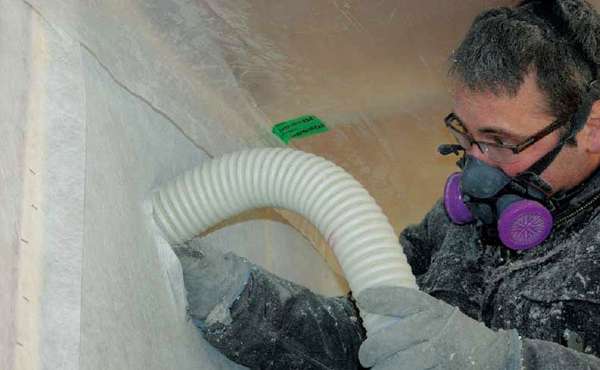
For insulating an old home attic, blown-in insulation is an ideal choice for both professionals and do-it-yourselfers. It is not very hard to do and is very effective. Blown insulation is particularly effective at filling small, irregular gaps and cavities common in older homes, creating a seamless thermal blanket that eliminates air pockets.
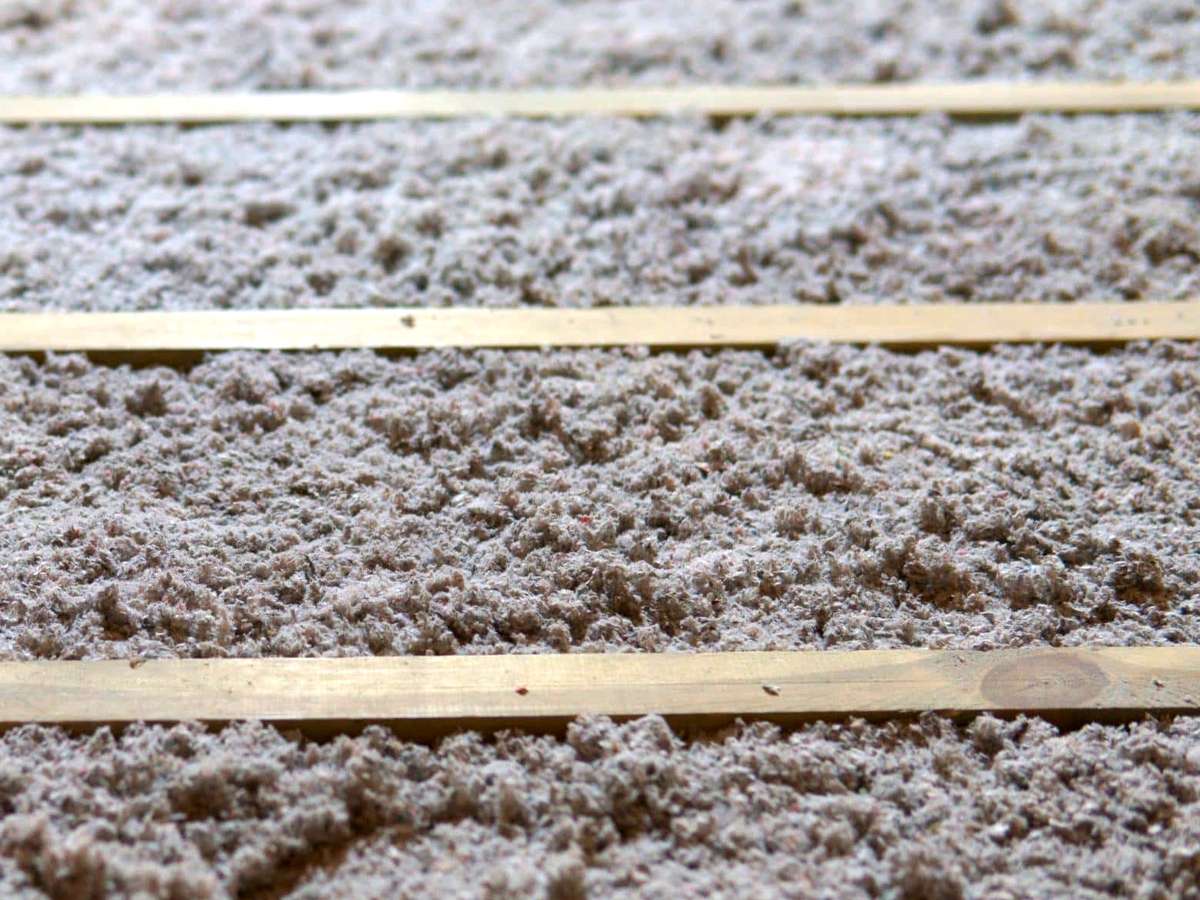
These loose-fill materials can be installed directly over existing insulation, providing a continuous, high-performance layer. The most common types are blown cellulose, blown fiberglass, and blown mineral wool.
Blown cellulose
Made from recycled paper, cellulose is treated with non-toxic fire retardants and insect repellents. It is a dense, effective material with an R-value of approximately R-3.6 per inch (RSI 0.63 per 2.5 cm). It is an environmentally friendly option that performs exceptionally well at preventing heat loss in attics. For a deeper dive into this material, refer to the guide on dense-packed cellulose insulation for wall systems.
Blown fiberglass
Blown fiberglass consists of finely spun glass fibers that are blown into place. It has a high R-value, typically ranging from R-2.2 to R-2.9 per inch (RSI 0.39 to RSI 0.51 per 2.5 cm), and is naturally fire-resistant. It is also non-corrosive and resistant to moisture damage, which makes it a durable choice for attic applications. Blown fiberglass is a popular option due to its affordability and wide availability.
Blown mineral wool
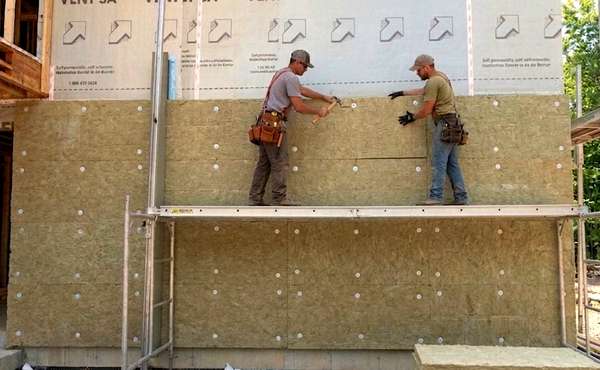
Made from recycled slag from blast furnaces or volcanic rock, mineral wool is known for its fire resistance and moisture resilience. While more commonly used in batt form for walls, a blown-in version is also available and provides an excellent R-value of around R-4.0 per inch (RSI 0.70 per 2.5 cm). It is particularly effective for soundproofing and is a durable, high-performance material.
Fiberglass or mineral wool batts:
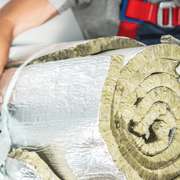
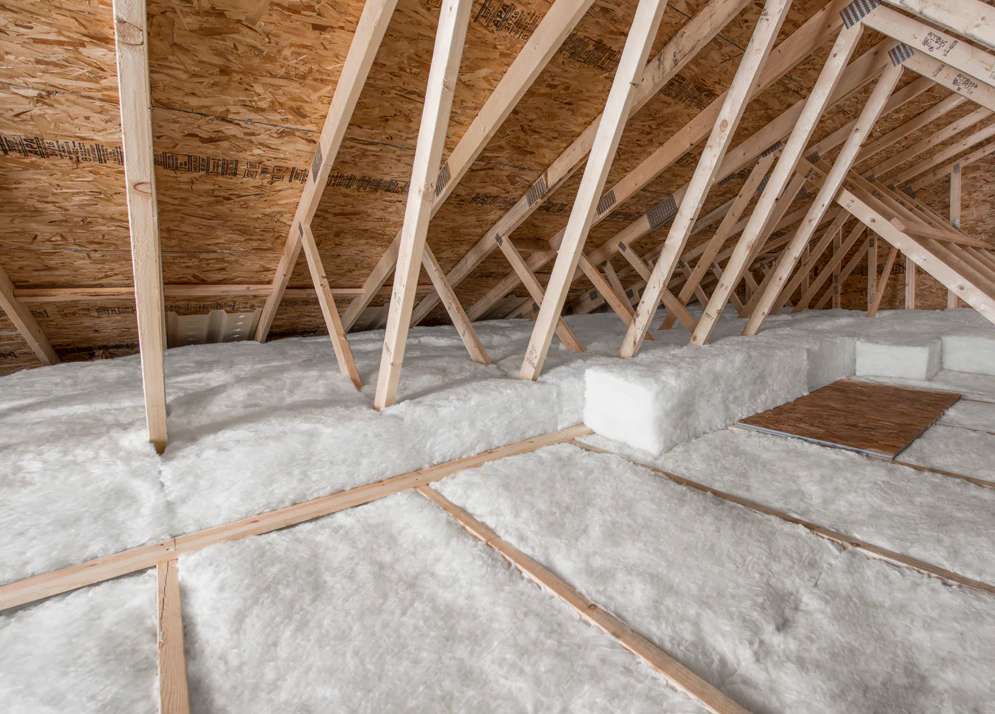
These come in pre-cut rolls or panels and are a viable option for attics with easy access and standard joist spacing. Mineral wool (rock wool) is made from natural rock or industrial byproducts and is excellent for fire resistance and soundproofing. Batts are generally less effective than blown-in insulation at sealing every small gap and irregularity in an old home's framing.
Alternative insulation batts to fiberglass or mineral wool
Batt insulation is often less effective than blown insulation, but it is still a viable method, we just recommend being very diligent if that's the route you're going. Some other natural materials we can name are sheep's wool batt insulation, hemp batt insulation, and a rare but existing type is recycled cotton insulation.
Spray foam insulation in attics
Due to the health and safety risks from spray foam insulation in homes, we always recommend exploring other options first. Cases where it may have a place, is if there is significant air leakage in the home and no other feasible way to seal it. Air leakage can account for about 30% or more of the total heat loss in old homes.
How to properly insulate an attic with batts
Blown insulation in attics is as common as it is because it is usually the easiest and most effective method. If there are no contractors or rental equipment for DIY attic insulation, batts can work too, but try this link first -
Find attic insulation contractor near me
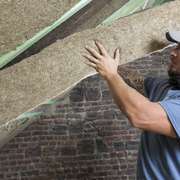
The reason batt insulation in attics is considered less effective is because it cannot fill every tight corner the way blown insulation can. If you approach the process knowing that and a solid plan to create a seamless blanket of batts in your attic then you can likely do a perfectly fine job, here are some tips:
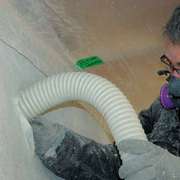
- Firstly, make sure you have the proper PPE - masks, eye protection, a good suit and sealed gloves. That is for health but also comfort, handling fiberglass in particular without protection will leave you pretty itchy afterwards.
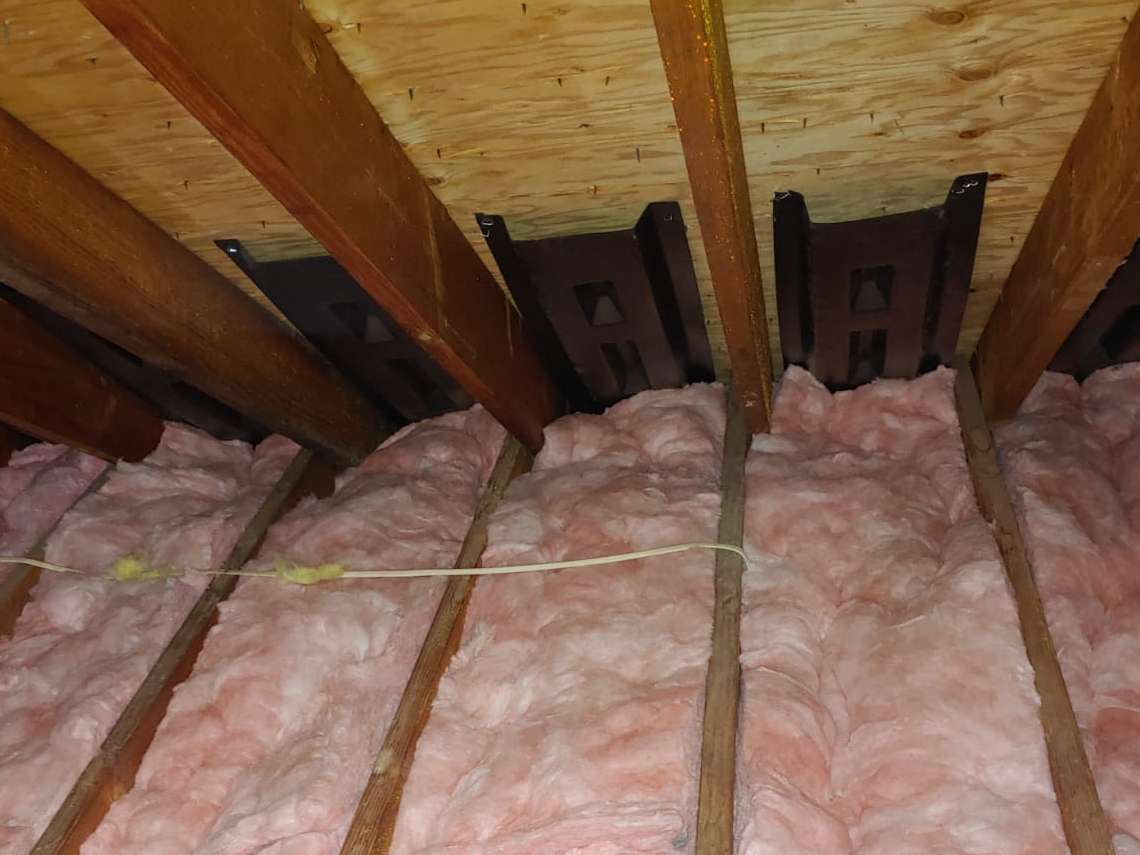
- make sure baffles are in place to prevent batts from blocking the air you need from soffit vents to remove moisture. Read here about why attics need ventilation and how to do it.
- if there are any trusses or wood framing members in the way you can rip up small bits of insulation to gently fill those gaps.
- Rather than one or two layers of thick batts (5.5" or 7.5"), smarter would be 3 or 4 layers of thinner batts (3.5") so you can offset the joints. The cracks between batts will allow a surprising amount of heat to pass, so diligence here is your key to success, and the more crossed-over layers the better.
The imperative of attic ventilation
One of the most common mistakes when insulating attics is blocking soffit vents. Proper ventilation is critical for the health of your home and roof assembly. A well-ventilated attic works by drawing in cool, fresh air through the soffit vents at the eaves and exhausting warm, moist air through ridge vents or other exhaust vents on the roof.
This continuous airflow is vital for two reasons: it prevents moisture buildup in the attic, which can lead to mold and rot, and it keeps the roof deck cool in the summer, prolonging the life of your roofing materials. Never block the soffit vents with insulation. Use baffles, often made of foam or cardboard, to ensure a clear pathway for air to enter the attic from the soffits.
Air sealing before insulating
Before adding any insulation, the first and most critical step is air sealing. This involves meticulously sealing all air leaks between the conditioned living space and the unconditioned attic. Unsealed gaps and cracks around plumbing stacks, electrical wiring, light fixtures, and chimneys allow a significant amount of warm, moist air to escape into the attic. This air can condense on cold surfaces, leading to frost in the winter and mold in the summer.
Use a low-expansion foam or sealant to close all these penetrations. By air sealing first, you not only prevent moisture-related problems but also get the maximum performance out of your insulation, as it won't be bypassed by convective air currents. It is the most effective and least expensive step you can take in the entire process.
Insulating the underside of roof sheating for an unvented roof
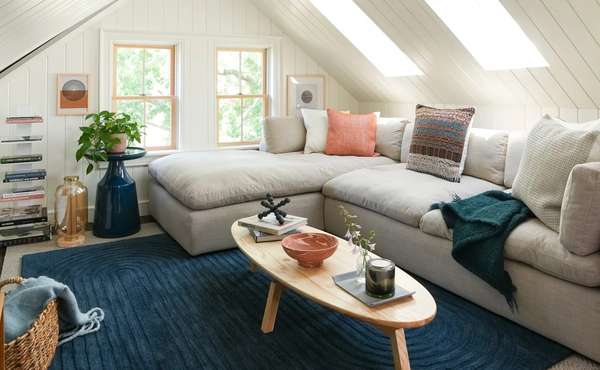
The above all speaks to insulating the attic floor, but there is always the option of insulating the underside of roofs to turn attics into usable living areas. An attic constitutes a 'vented roof', where insulating between trusses and heating the atti space is an 'unvented roof.'
If your attic needs insulation but also has the ability to be converted into living space, this could be an idea worth considering to expand the living area of your home without doing an addition.
Such a conversion does not work with every home, things to consider are attic height, access, and if the space can structurally support what you want to do. Some other useful pages to help you carry that out would be:
- Vented or unvented roofs - what is the difference and which is better?
- Choosing a space-saving staircase design - what is legal and what isn't?
- Renovating to convert unused attic space into living areas or bedrooms
In brief
Upgrading the insulation in an old home attic is a powerful step towards a more comfortable and energy-efficient living space. The process is not simply about adding more insulation, but about taking a holistic approach that includes safely managing existing materials, ensuring proper ventilation, and making air sealing the top priority.
Blown-in insulation, such as cellulose, fiberglass, or mineral wool, is an excellent choice for old homes due to its ability to conform to irregular spaces and create a seamless thermal blanket. By following these steps, homeowners and professionals can achieve a healthier, more sustainable home while preserving its historic integrity.
To avoid "sick building syndrome," ensure your stone home upgrade includes ventilation strategies for airtight historic homes.
Now that you know more about insulating attics in old homes, find more info about insulation and green building techniques in the Ecohome Green Building Guide and these pages below:
-
Choosing the right insulation: the pros, cons and applications
-
The embodied carbon of insulation materials, which are the best choices for insulating homes
-
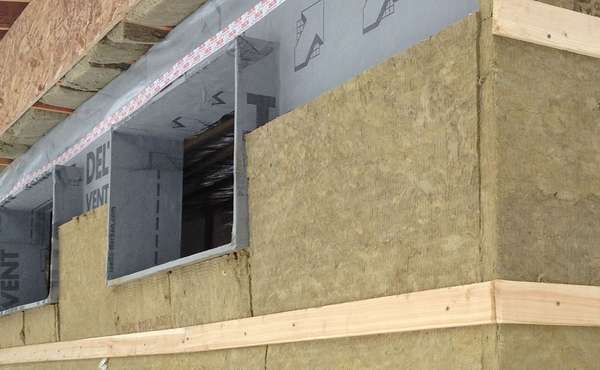
Mineral wool roof insulation: LEED platinum V4
-
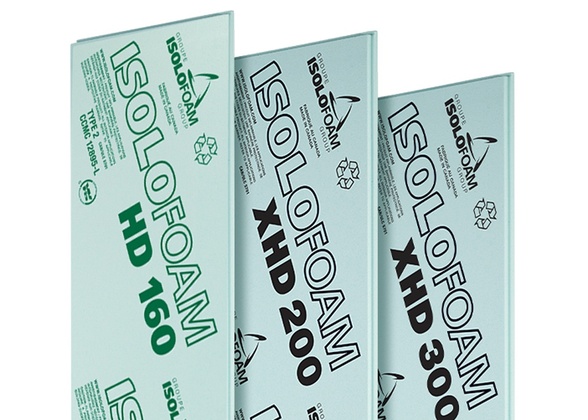
Rigid insulation panels: which ones to use for different applications





Comments (0)
Sign Up to Comment