






Air sealing older homes
Improving the airtightness of an older home is one of the most effective ways to improve its comfort, efficiency, and indoor air quality. Air barriers and air leakage in homes were simply not topics of conversation about 50 years ago, so if your home is from the 1970s or earlier and it has never been updated, you likely have a high rate of air leakage.
It was the oil crisis in the early 70s that ushered in a new philosophy of home performance, intended to reduce the energy consumption needed to keep them warm. That was also the time when the Canadian government tasked a group of designers to effectively 'reinvent' home design, and born was the Saskatchewan Conservation House, the world's first Passive House, which was the best insulated and most airtight home made to that point.
So to bring older homes up to modern standards, one of the most important steps is making a home as airtight as possible and installing an HRV or ERV (Heat Recovery and Energy Recovery Ventilation). This guide covers the best methods, materials, and strategies to make an old house airtight, ensuring a healthier and more comfortable living space for years to come.
- Why airtightness matters for older homes
- Finding air leaks in old houses
- Strategic air sealing during renovations
- Choosing the right air sealing materials
- Understanding ventilation and moisture
- AeroBarrier air sealing spray for homes
- The essential takeaways: Air sealing
Why airtightness matters for older homes
Beyond saving on your energy bills, creating a continuous air barrier in an older home provides a host of other benefits including improved comfort, health, and durability. The primary motivation for air sealing should be to control airflow between the interior and exterior of your home. This prevents cold drafts in the winter, keeps conditioned air inside during the summer, and most importantly, improves indoor air quality.
Uncontrolled air leaks can draw in pollutants, dust, and allergens from basements, crawlspaces, and attics. A properly air-sealed home is a healthier home because it helps keep the air you breathe clean. Air sealing also reduces unwanted noise from the outside, creating a more peaceful and quiet indoor environment.
The old adage that 'a house needs to breathe' is a myth. Houses do not breathe; they leak. A continuous air barrier provides complete control over the movement of air, which is essential for ensuring your home is both comfortable and durable.
Finding air leaks in old houses
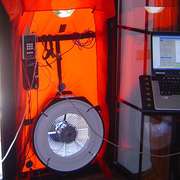
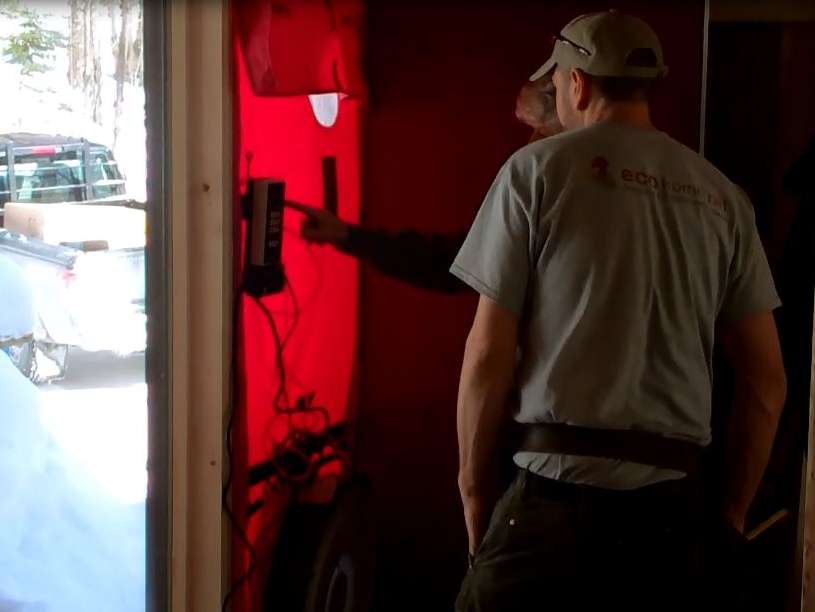
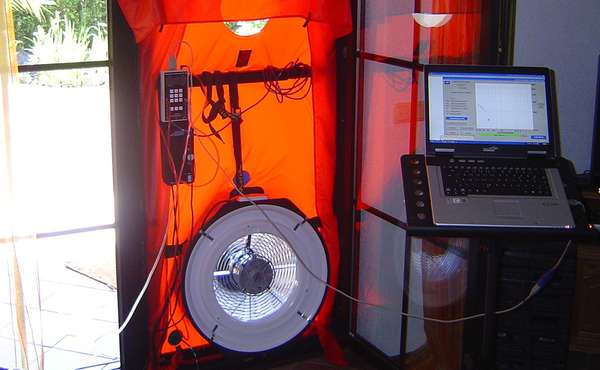
The first step in any air sealing project is to find where the leaks are, and for a comprehensive assessment, a professional energy audit with a blower door test is the gold standard. For homeowners, a simple walkthrough on a cold, windy day with a lit incense stick or a smoke pencil can reveal obvious drafts around windows, doors, and electrical outlets. However, to truly find all the leaks, you should find a professional energy auditor to conduct a blower door test.
A blower door test uses a high-pressure fan to blow air out of the home, which exaggerates air leaks and makes them easy to find. This process provides a quantitative measurement of your home's airtightness. While a blower door test is happening is the best possible time to find and fix air leaks. If possible, round up a posse of friends armed with either a high quality building tape or your choice of caulking to comb the house for leaks while they are obvious, and fix them.
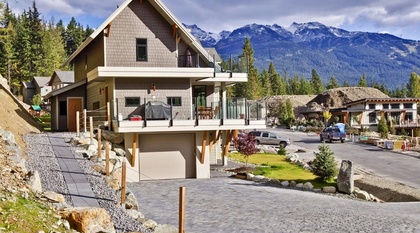
This suggestion is not just for homeowners; this is best practice for professional home builders on new builds. When Ecohome built the LEED Platinum Edelweiss Demonstration house, we brought the house from an initial air leakage rate of 1.1 ACH to 0.6 ACH over the course of an hour simply by sealing holes we found easily thanks to the blower door test.
The Most Common Places for Air Leaks in Older Homes Include:
- Around window and door frames
- Penetrations for plumbing, wiring, and ductwork
- Gaps between framing and the foundation
- Attic hatches and drop-down stairs
- Recessed lighting and ceiling fans
- Fireplace dampers and chimneys
- Behind knee walls in attics and unfinished basements
Strategic air sealing during renovations
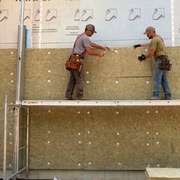
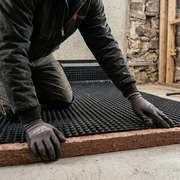
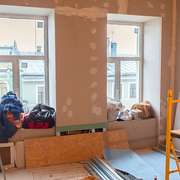
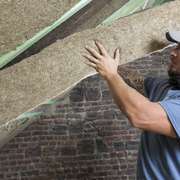
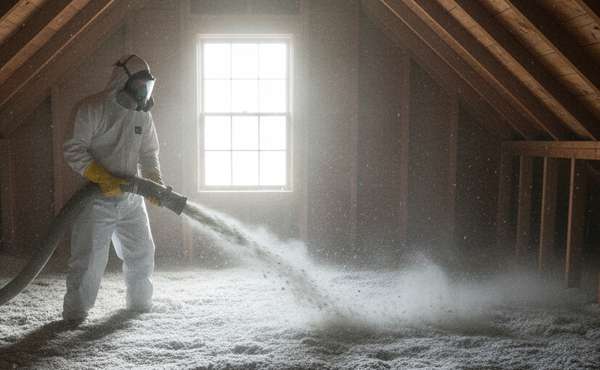
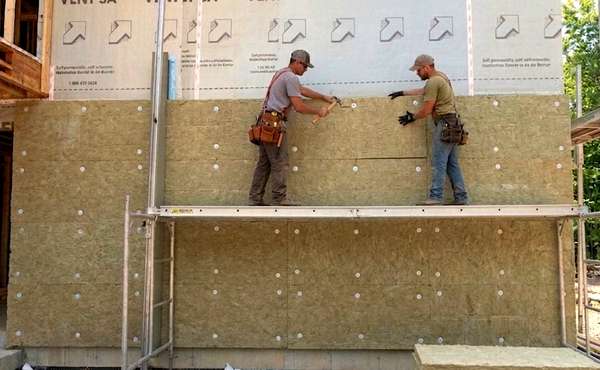
The best time to air seal an old house is during a major renovation when walls are open and the attic or basement is accessible. A deep retrofit provides the opportunity to create a complete and continuous air barrier. See our page here on how to insulate and air seal attics in old homes.
The Envelope-First Approach
Professionals know that a successful renovation starts with the building envelope. This means air sealing the home's 'shell' before tackling finishes and insulation. This involves sealing all the gaps and cracks in the floor, walls, and ceiling that connect the conditioned space to unconditioned areas.
Choosing the right air sealing materials
The materials you use will depend on the size and location of the gaps you are sealing, and a combination of products is typically required to get the job done right.
Caulk and Sealants
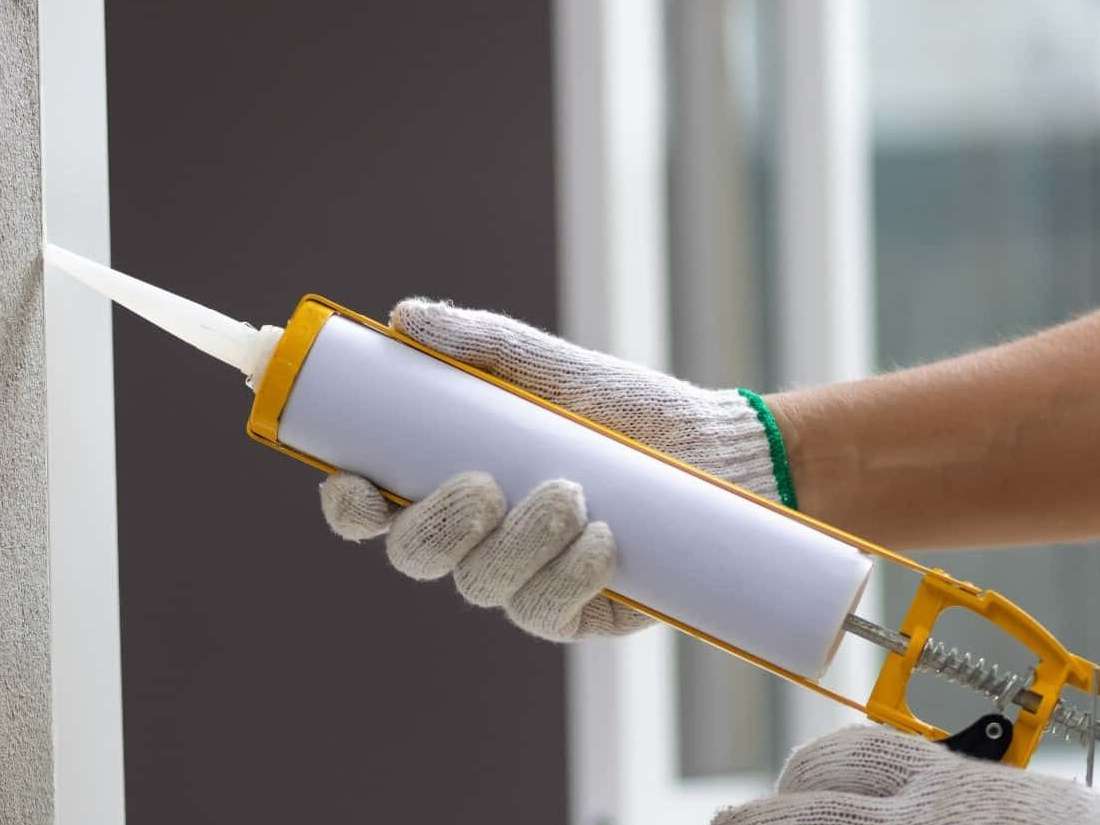
For small cracks and gaps (up to 1/4 inch or 6 mm), high-quality acrylic latex or silicone caulk works well. Acoustic sealant is a long-lasting, flexible option for sealing around electrical boxes and plumbing penetrations. An important note: not all types of caulking are suitable for all uses. See our guide on choosing the right caulking for the right application. And that said, not all caulking guns are created equal either. See our guide for buying the right caulking gun and how to do a clean caulking job.
Foams and Gaskets
For larger gaps and hard-to-reach areas, spray foam can be very effective. Spray foam cans will be identified as 'high expansion' or 'low expansion'; low expansion is often referred to as 'window and door' for simplicity. You are best to use low-expansion foam around windows and doors to prevent adding pressure, and to ensure they continue to open smoothly.
Use high-expansion foam in most situations where nothing will bind, as it expands to fill irregular gaps and provides both a thermal and air barrier. Gaskets, like those made of foam or rubber (also known as backer rod), are ideal for sealing around door and window frames.
Understanding ventilation and moisture
The most common homeowner concern about air sealing is that they will 'over-seal' their home, leading to indoor air quality problems; this is only a concern if you don't add proper ventilation. Air sealing is just the first step: taking control of the air exchange. The second step is to provide a continuous, controlled supply of fresh air.
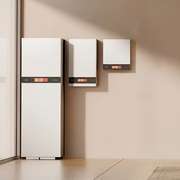
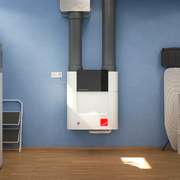
The solution for a well-sealed home is a balanced ventilation system, such as a heat recovery ventilator (HRV) or an energy recovery ventilator (ERV). These systems provide fresh, filtered air while recovering a significant portion of the heat from the outgoing air.
AeroBarrier air sealing spray for homes
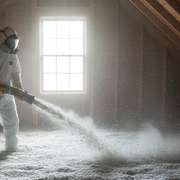
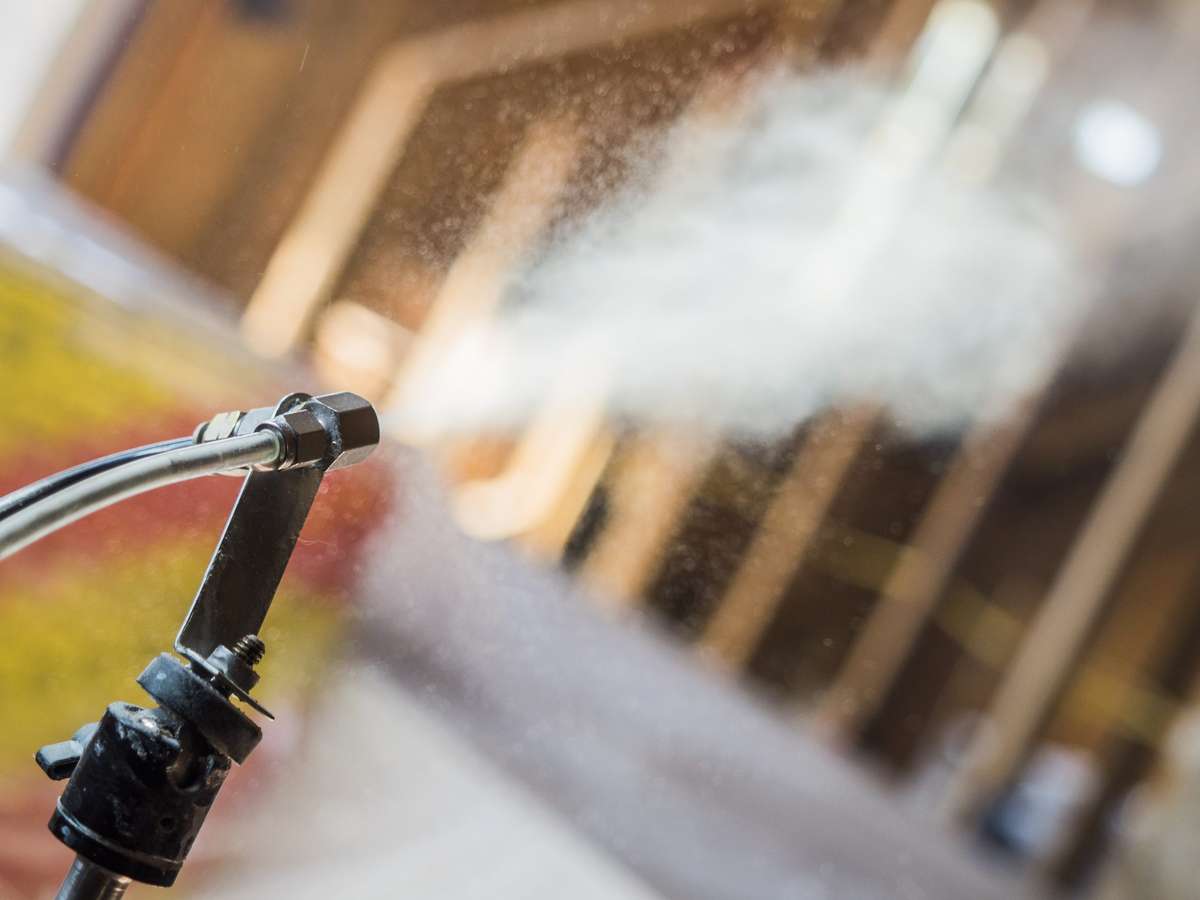
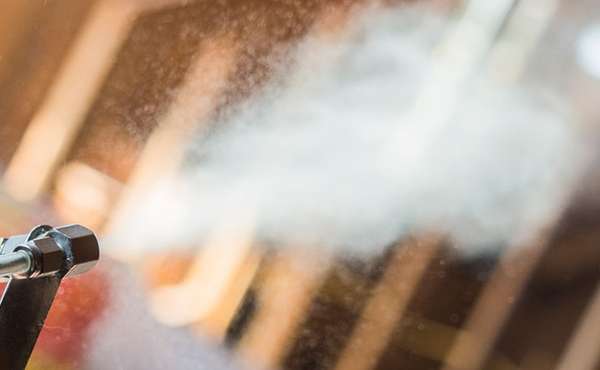
AeroBarrier is an innovative air sealing method that we have tried ourselves and quite like, and while we don't usually promote individual brands, we know of no other such product. AeroBarrier installers pressurize a home so air is forced out of any hole in the building envelope. A mist of adhesive particles is sprayed into the space, and as the air pressure forces the particles towards any leak, they attach to the edge and seal the opening.
Manufacturers suggest it can fill holes up to an inch in diameter. We were naturally suspicious, but were happy with what we learned. The spray does not adhere to walls so clean up is not the nightmare we thought it might be.
While you would not want to breathe this while it is happening, there were no lingering air quality concerns once the job was completed, and most importantly, the performance was great and reduced the air leakage dramatically. You can learn more about our experience with AeroBarrier spray here, and you can visit the AeroBarrier company page here to contact them.
The essential takeaways: Air sealing older homes
The essential takeaways for air sealing older homes are that airtightness is a cornerstone of a high-performance renovation, delivering benefits in energy efficiency, comfort, and indoor air quality. By using a combination of professional assessment tools like blower door tests and strategic air sealing with appropriate materials like caulk and foam, you can significantly improve an older home. Remember to always pair your air sealing efforts with a quality ventilation system, like an HRV, to ensure a healthy indoor environment.
To preserve original aesthetics while stopping heat loss, secondary glazing for historic stone home windows is often the best solution.
Now that you know more about air sealing older homes, find more info about insulation and green building techniques in the Ecohome Green Building Guide and these pages below:
-
How to keep air quality clean during home renovations
-
Peel and stick exterior air barrier membrane - DIY installation video guide
-
Sealing up your old chimney can save you money on heating bills
-
How to air seal and insulate attics in old homes
-
Buyers guide for windows and doors - top tips for finding the best windows












Comments (0)
Sign Up to Comment