




Unused chimney? How to seal it successfully...
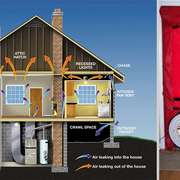
That charming old chimney in your home might be a major source of heat loss, acting like a permanently open window that costs you money every single day. An unsealed chimney is one of the single biggest sources of air leakage in a home's building envelope, leading to uncomfortable drafts and unnecessarily high energy consumption.
Chimneys should either be earning their keep by taking the exhaust gases from your fire out of the home, or they should be sealed off, whether that is permanently or just temporarily when not in use.
Whether your fireplace is completely unused or lit only for special occasions, effectively sealing the flue when it isn't being used is essential for an efficient and comfortable home.
This definitive guide provides a walkthrough of the best methods for sealing both unused and occasionally used chimneys. Learn how to do it safely and to prevent other possible problems, and learn why it is so important when renovating to create a more modern and energy-efficient home.
- First things first: Is your chimney safe?
- Why an open chimney is an energy liability
- How to find out if your chimney is leaking
- Solution 1: Permanently sealing a decommissioned chimney
- Solution 2: Temporarily sealing a working chimney
- Dealing with different chimney types
- Safety first: Carbon monoxide and makeup air
- The essential takeaways of chimney sealing
First things first: Is your chimney safe?
The first decisions to make that are really important are whether you want to use the fireplace, whether local regulations or bylaws allow you to use a fireplace, and what for (many areas are stopping wood burning fireplaces - like Vancouver BC).
Additionally, is the fireplace flue clean and most importantly, is the fireplace and chimney safe? Personally, having seen the devastation from a house burning to the ground because of a mistake in connecting a wooden beam to a brick chimney stack, I would recommend having an experienced mason specialist inspect it and determine how solid it is.
Chimney stacks, and especially the top of the stack, gets hit with the worst of weather. The long term exposure to wind as the freeze / thaw cycle can lead to it weakening over time and even fall. If it is not in use, then taking the whole thing down safetly may be the smartest move.
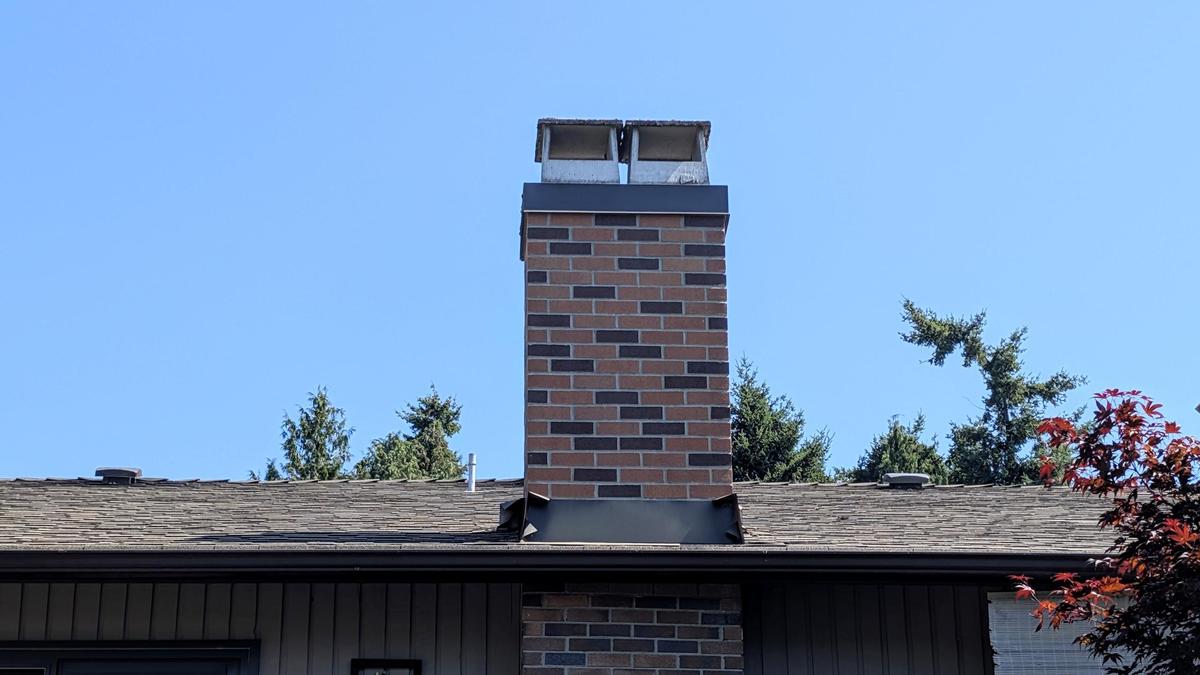
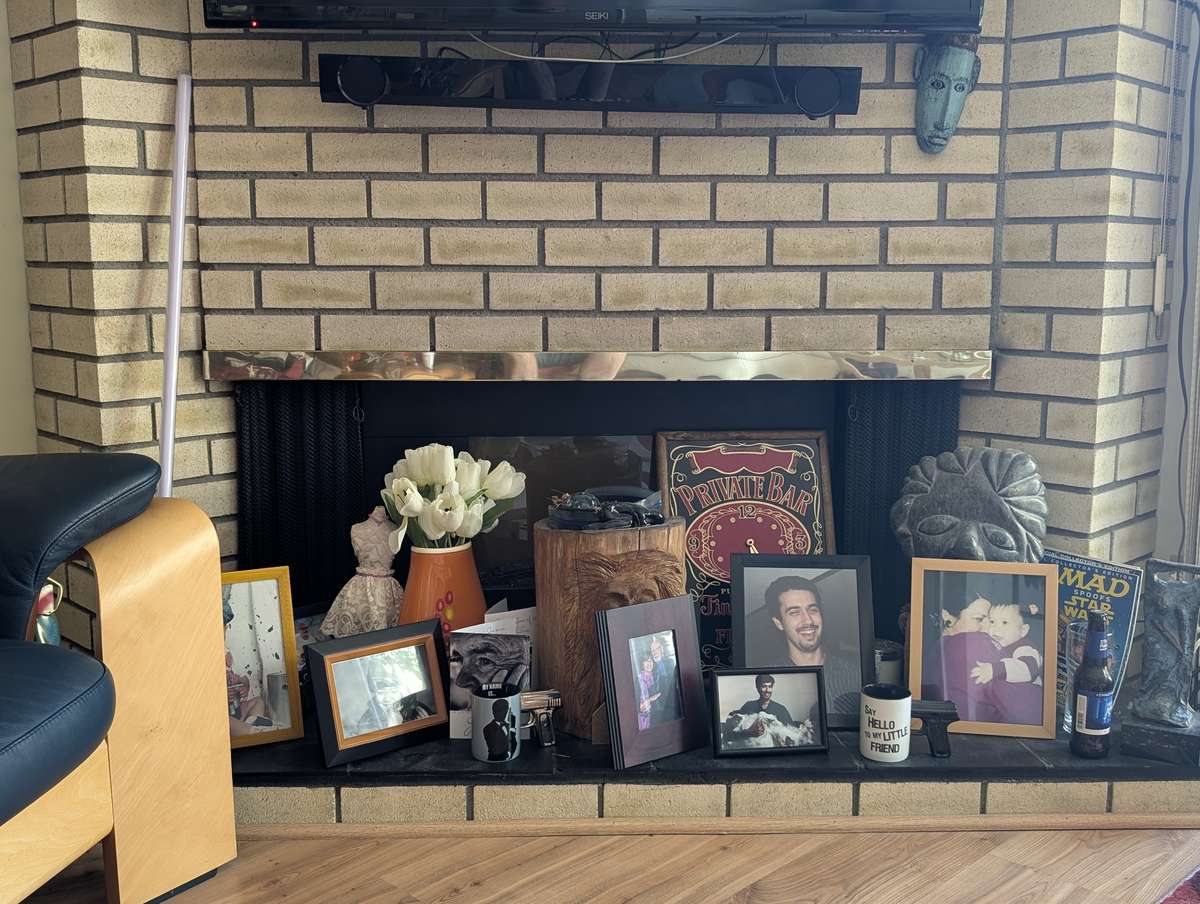
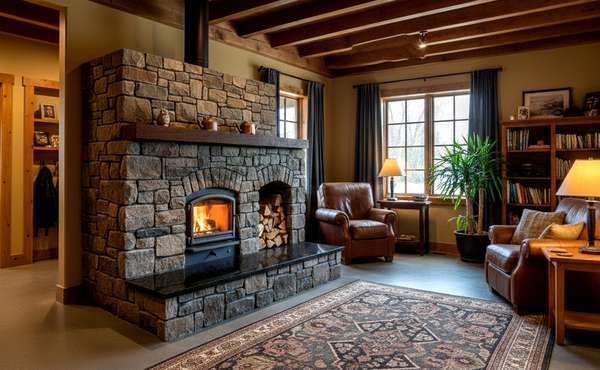
Removing it and sealing the opening will not only prevent the risk of it coming down in a windstorm, it will prevent potential water leaks. As a side note, the chimney in the main photograph was originally built in 1972, then had to be completely taken down and rebuilt in 1995 due to mortar failure and flue leakage.
Why an open chimney is an energy liability
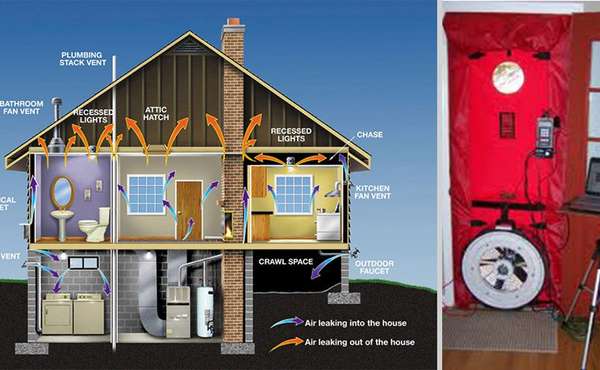
Assuming that the chimney stack is in good enough condition to stay in place, an open chimney is a significant energy liability because it creates a massive breach in your home's building envelope, leading to constant and uncontrolled air exchange with the outdoors.
The heat loss through open chimneys is so significant, that some high-performance building standards like Passive House or LEED may consider them disqualifying for certification. During the winter, the 'stack effect' (the natural tendency of warm air to rise) causes heated indoor air to flow continuously up and out of the chimney.
If the top of your chimney has some kind of a pot or stack designed to encourage the chimney to draw when there's a breeze, that can make things even worse and cause the warm air in the home to be literally sucked away to heat the sky!
This phenomenon also pulls cold exterior air in through countless small gaps in your home's building envelope in winter, creating drafts and reducing the sensation of comfort in the home. The entire purpose of effective air sealing is to stop this cycle.
Furthermore, the brick or stone of the chimney is a poor insulator and acts as a thermal bridge, conducting heat directly through the core of your home. It represents a critical weak point in your home's air barrier and building envelope. The chimney in the home below shows outside during an infrared thermal camera as the warmest part of the structure, and that's without a fire burning!
How to find out if your chimney is leaking
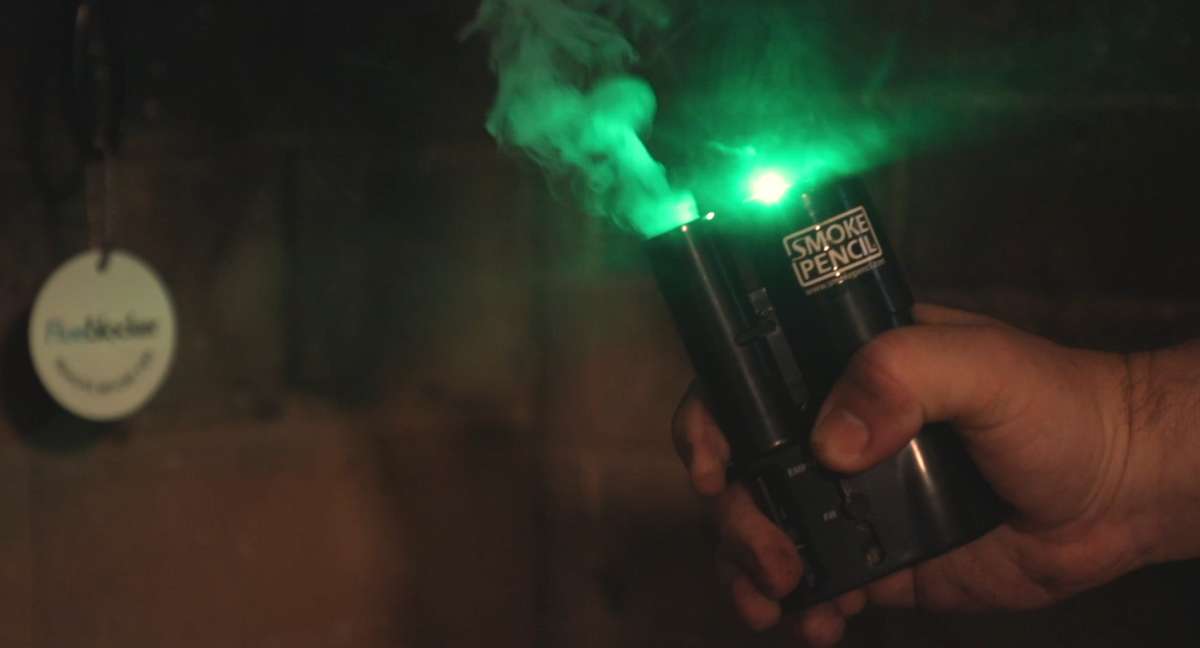
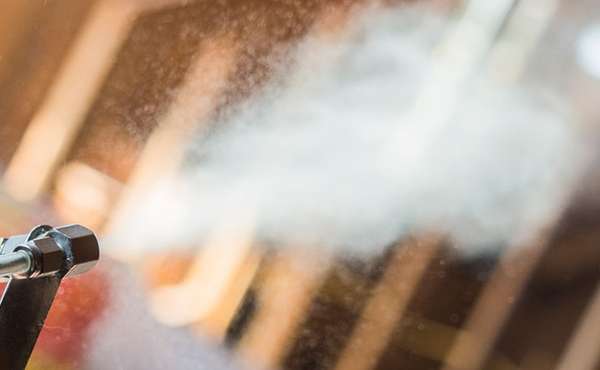
While you can often feel a draft near a fireplace, the best way to quantify the air leakage from your chimney is with a professional energy audit that includes a blower door test. An energy advisor can use a smoke pencil or an infrared camera during the test to visually demonstrate just how much air is flowing through your chimney damper and flue.
Understanding the scale of the problem is often the best motivation to fix it. To learn more about this process, see our guide on what a blower door test is.
Alternatively, on a cold day when the home is nice and warm, you can use an incense stick and gently move it around your fireplace to check for airflow. Watch to see if the smoke is being blown around by cold air and drafts coming down the chimney or is being drawn up. That shivering crow or robin sat on the top of your chimney may miss the heat if you seal your chimney up, but your wallet will rejoice...
Solution 1: Permanently sealing a chimney for an unused fireplace
Permanently sealing a decommissioned chimney that is staying is a two-part process that involves blocking it from the top and insulating it from the top and bottom to completely remove it from your thermal envelope.
According to the US Department of Energy, effectively sealing an unused fireplace can reduce a home's overall air leakage by as much as 14%, leading to significant energy savings. This is the best option for fireplaces that will never be used again, for example, if the firebox is cracked or the flue is unsafe but where the masonry of the stack is still in good condition.
Step 1: Seal the Top with a Chimney Cap and Mineral Wool Insulation
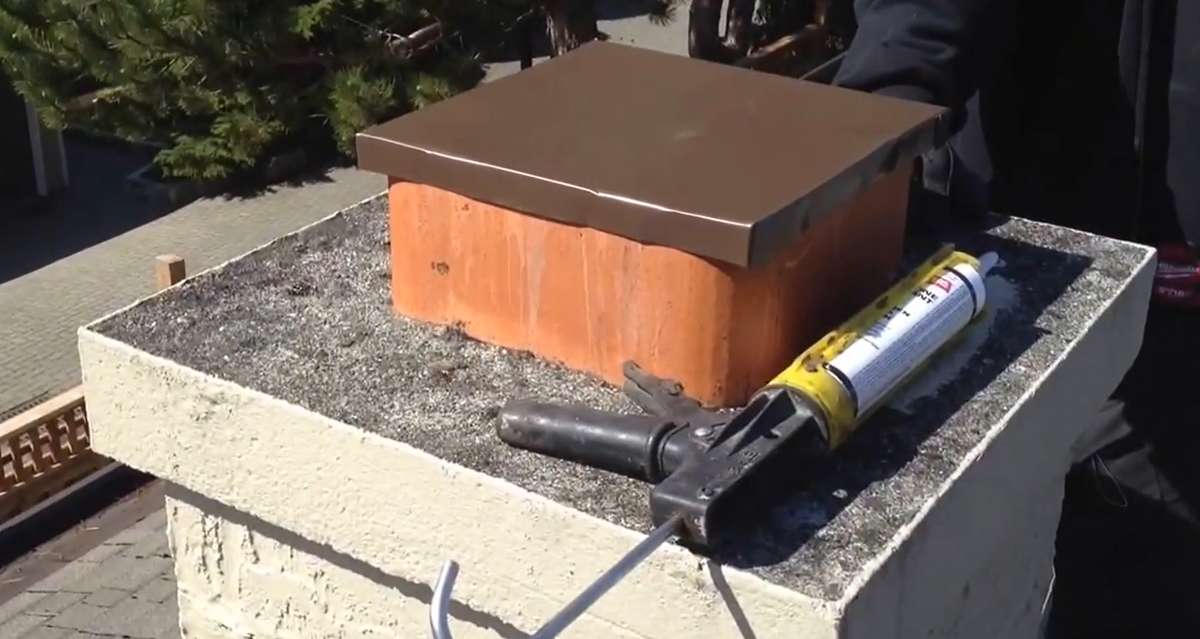
The first and most important step is to seal the top of the chimney from the exterior. This is not just about stopping air leakage; it's about preventing rain, snow, and animals from entering the chimney flue. A professional roofer or brickwork specialist can install a permanent metal or concrete cap over the top of the chimney flue, ensuring it is completely watertight.
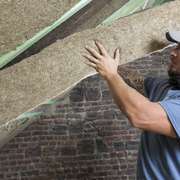
While up there, get them to check that the chimney itself is solid and stable - bricks are heavy and mortar deteriorates. Once you are at a solid stack, stuffing fire-safe mineral wool into the flue securely will block any airflow and prevent condensation on the metal cap.
Step 2: Insulate and Seal the Bottom
Once the top is sealed and you are certain no more moisture can get in, you can seal the chimney from the inside. This is typically done by creating a solid plug at the base of the flue, inside the firebox. A common method is to cut a piece of rigid foam insulation slightly oversized for the space to fit snugly in the opening, and then push it firmly into place where it should hold.
For a more finished look, this can then be covered with a piece of drywall or a custom-made metal plate, but as it's up inside the chimney, this is rarely necessary in my experience.
Solution 2: Temporarily sealing a working chimney
For a working chimney that is used occasionally, a temporary and removable seal is the ideal solution to stop drafts and heat loss when it's not in use. A traditional throat damper, located just above the firebox, is often made of cast iron and rarely provides an airtight seal. Top-sealing dampers or removable flue plugs are far more effective and should be used if you have one.
Top-Sealing Dampers
A top-sealing damper is installed at the very top of your chimney and features a rubber gasket that creates a tight seal, much like a refrigerator door. It is operated by a cable that runs down the flue to a handle in the firebox. This is an excellent, highly-efficient option but requires professional installation and may or may not be code compliant in your area.
Removable Chimney Plugs or Balloons
One of the easiest and most effective DIY solutions is an inflatable chimney balloon or a removable foam chimney plug. These devices are designed to be inserted up into the chimney flue just above the firebox and then inflated or wedged into place.
They create a very effective airtight seal but can be easily deflated and removed in minutes when you want to have a fire. They often come with a highly visible tag that hangs down into the fireplace to prevent you from accidentally starting a fire with the plug or chimney balloon still in place.
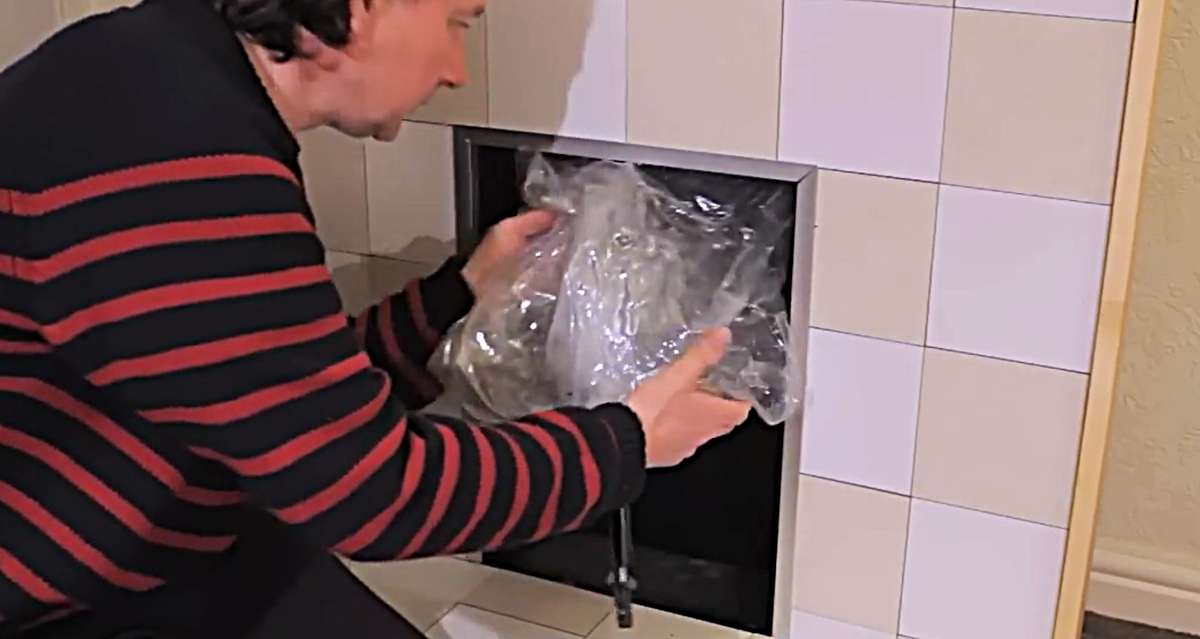
As an easy DIY option, find a suitable grocery bag and part stuff it full of mineral wool insulation. Place it into position to block the flue opening in the top of the fireplace (which involves black hands and clothes, and a certain level of flexibility!) Then stuff some additional mineral wool insulation into the bag to effectively block the opening to the flue.
The reason we suggest mineral wool is that it is fire resistant in case anyone did try to light a fire with this in place. But much like the chimney balloon option, I always tie a small stuffy or similar that dangles into the fireplace so that I don't accidentally try to light a fire without removing my DIY flue-bung and draft stopper first!
The Case for Backup Heat: Wood Stoves and Heat Pumps
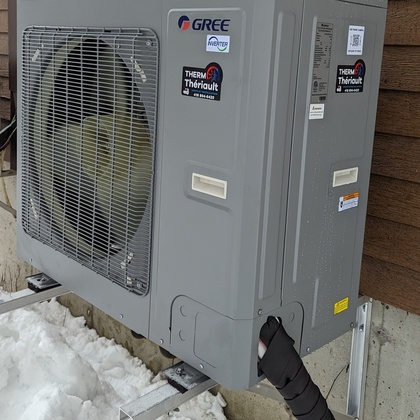
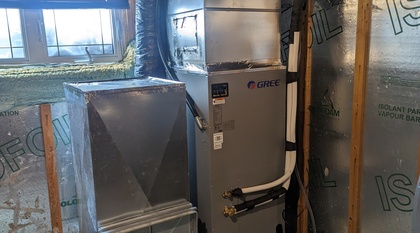
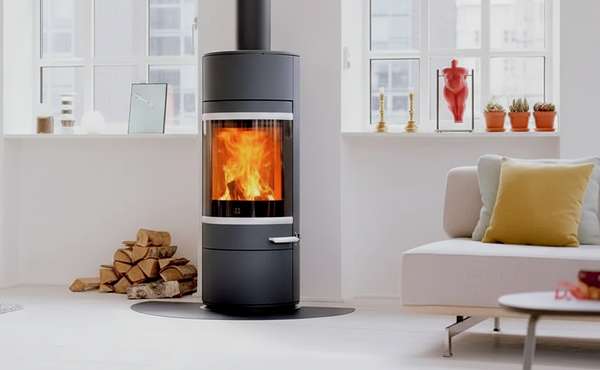
This temporary sealing method is the perfect strategy for homeowners who have upgraded to a high-efficiency heat pump but want to keep their wood stove or fireplace for emergency backup heat. In cold climates or areas prone to power outages, having a non-electric heat source provides resilience.
You can keep the chimney 99% sealed with a removable plug for maximum energy efficiency year-round, but retain the ability to use your wood stove or fireplace insert when, or hopefully if, the grid goes down.
Dealing with different chimney types
The right sealing and insulation strategy depends heavily on whether your chimney is a traditional masonry construction or a modern insulated steel unit.
Sealing Masonry Chimneys
A traditional brick or stone chimney acts as a significant thermal bridge. If it's poorly insulated, you will likely see snow melting around it on your roof in winter. In older homes, modern heating appliances are often incompatible with oversized masonry flues, leading to poor draft and corrosion.
For decommissioned masonry chimneys, one advanced strategy is to insulate the exterior of the stack where it passes through the attic. This involves building an insulated box around the chimney, which is then carefully air-sealed to the attic floor.
Stopping Air Leaks in Insulated Steel Chimneys
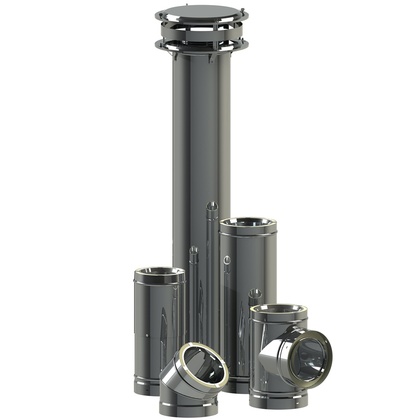
Modern, pre-insulated steel chimneys are far more efficient, but can still be a source of air leakage. These systems are designed with metal baseplates and collars to ensure an airtight seal where they pass through ceilings and roofs.
Leaks often occur if these components were not properly sealed during installation. High-temperature silicone sealant (often red in color) can be used to seal any gaps between the chimney sections or around the support brackets to improve airtightness.

Safety first: Carbon monoxide and makeup air
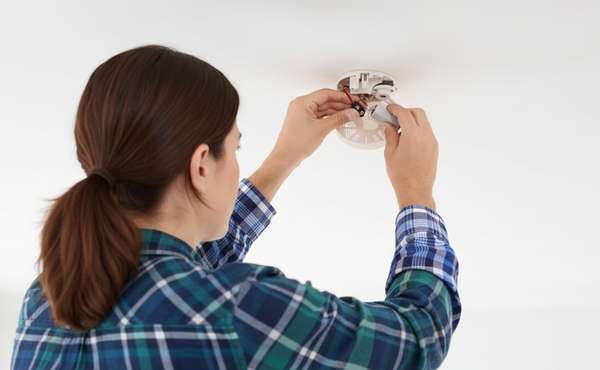
When dealing with any combustion-related appliance, safety must be your absolute top priority, which means you must have working detectors and an awareness of ventilation. Any home with a working fireplace, wood stove, or any other fuel-burning appliance must have functional carbon monoxide (CO) and smoke detectors installed in the proper locations. Yes we know they beep annoyingly every time you're making toast, but it's a small price to pay for sleeping peacefully at night.
Furthermore, a working fireplace requires a significant amount of combustion air to function safely. In a modern airtight home, this can create a dangerous backdraft situation where flue gases are pulled back into the house.
It is critical to ensure there is an appropriately-sized source of makeup air for your fireplace and to learn about maintaining healthy indoor air quality in you home. Please don't block the air inlet grill for a fireplace to prevent drafts if you regularly light a fire in your fireplace - I'm sorry, but this is simply dangerous and I see it a lot. Always check with your local fire department or insurer if you have any doubts about safety.

The essential takeaways of chimney sealing
The essential takeaways for sealing your chimney are that it is a high-impact project for improving your home's energy efficiency and comfort, but it must be done correctly. An unsealed chimney is a major liability in your building envelope.
For a completely decommissioned chimney, a permanent cap on the top and insulated plugs at both the top and bottom is the best solution. For a working fireplace used occasionally - or one kept as a resilient backup for heat, a removable inflatable plug or a top-sealing damper offers the best of both worlds.
Always prioritize safety by ensuring you have working carbon monoxide detectors and a plan for makeup air if your home is airtight. Sealing your chimney is one of the most cost-effective ways to reduce drafts, save money on your energy bills, and make your home more comfortable, but it needs to be done carefully.
Now that you know more about sealing chimneys, find more info about the building envelope & green building techniques in the Ecohome Green Building Guide and these pages below:
-
What is a blower door test?
-
Why roofs need to be ventilated, and how to ventilate roofs properly
-
See Ecohome's heat pump buyers guide here
-
How to air seal a home and balance air pressure for greater efficiency



Comments (0)
Sign Up to Comment