






Safe mold removal from wood framing
Finding mold on the wood framing in your home's attic or basement can be a shock, but it's a common problem with straightforward solutions. Properly and safely removing mold is the first step toward creating a healthier indoor environment.
This guide will walk you through the non-toxic, effective methods used by both homeowners and building professionals to address mold on wood framing. We will cover the what, the why, and the how, focusing on evidence-based practices that protect both your home and your health.
- Understanding the problem
- Why to avoid toxic chemicals
- The right tools for the job
- Safety first: personal protective equipment (PPE)
- Step-by-step guide to safe mold removal
- Preventing future mold growth
- In brief
Understanding the problem: what causes mold on wood framing?
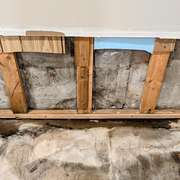
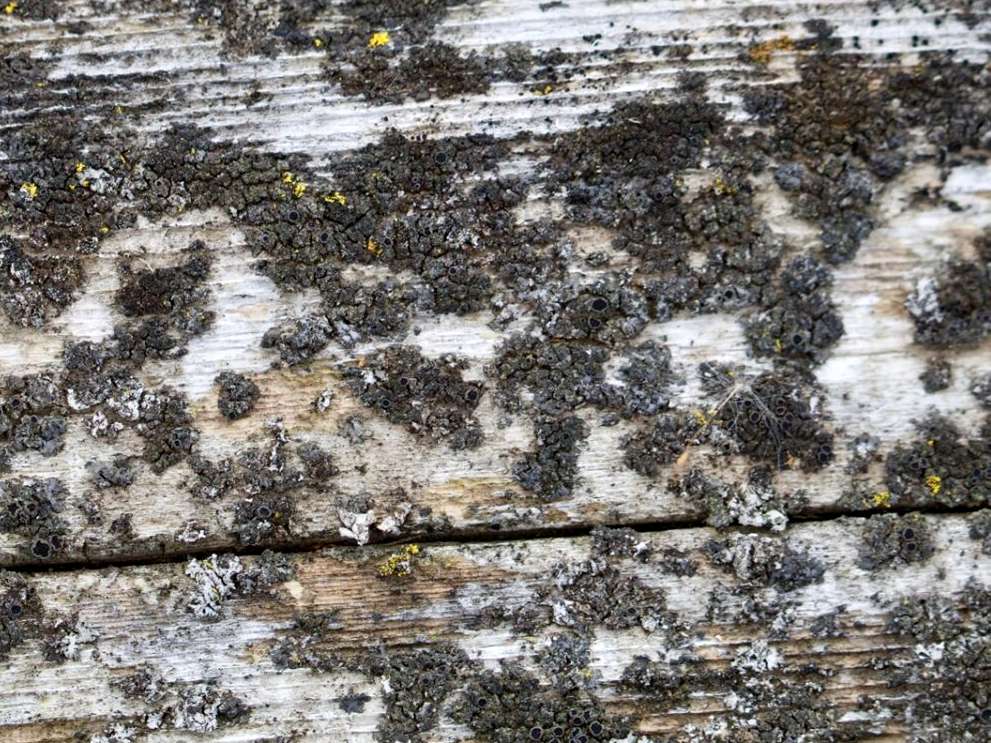
Mold is a type of fungus that reproduces by releasing tiny spores into the air. When these spores land on a damp surface with an organic food source, they begin to grow. Wood framing, being an organic material, is an ideal host.
The most common cause of mold growth in attics and basements is excess moisture from sources like high humidity, roof leaks, plumbing leaks, or poor ventilation. Before you can successfully remove mold, you must first address the source of the moisture. Ignoring the moisture problem means the mold will simply return.
Why you should avoid toxic chemicals like bleach
Many people's first instinct is to reach for household bleach to kill mold. This is a practice you should avoid, especially on wood framing. The US Environmental Protection Agency (EPA) explicitly states that using bleach on porous materials like wood is not an effective way to kill mold.
While bleach can kill mold on non-porous surfaces like bathroom tile, its chemical structure prevents it from penetrating deep into wood. It may kill the surface mold, but the roots, or mycelia, remain untouched, allowing for rapid regrowth. Furthermore, bleach can be corrosive and its fumes are harmful to inhale. For this reason, we recommend that you opt for safer, more effective solutions.
The right tools for the job
Having the proper tools is essential for safe and effective mold removal. You'll need:
- HEPA vacuum cleaner: A vacuum with a High-Efficiency Particulate Air (HEPA) filter is a crucial tool for capturing mold spores without releasing them back into the air. A standard vacuum will simply spread the spores.
- Personal protective equipment (PPE): See the next section for a detailed list.
- Scrub brushes: A stiff-bristled brush is necessary to physically remove mold from the wood surface.
- Spray bottle: To apply your chosen cleaning solution.
- Non-toxic mold cleaning solution: Distilled white vinegar is a great option. Tea tree oil solutions are also effective.
- Buckets and rags: For cleaning and wiping down surfaces.
- Nitrile gloves and disposable booties: For personal protection and to avoid tracking spores.
- Air mover or fans: To dry the area quickly after cleaning.
Safety first: personal protective equipment (PPE)
Mold spores can be a respiratory irritant and can cause allergic reactions. It is essential to protect yourself during the removal process.
- N-95 respirator mask: This is the minimum recommended mask to prevent inhalation of mold spores.
- Goggles: To protect your eyes from spores and cleaning solution.
- Gloves: Nitrile gloves are a good choice to protect your hands.
- Disposable coveralls: To prevent mold spores from settling on your clothes.
Step-by-step guide to safe mold removal
Before you begin, ensure you have addressed the source of the moisture. This guide assumes the moisture problem has been fixed and the area is dry. If the area is still wet, the mold will just come back. See here to learn why basements are moldy and how to build a mold-free basement
Step 1: Isolate the area. Seal off the affected area from the rest of the house using plastic sheeting and duct tape. This prevents the spread of spores. If you are working in a basement, seal off any doorways. In an attic, this might mean sealing the access hatch.
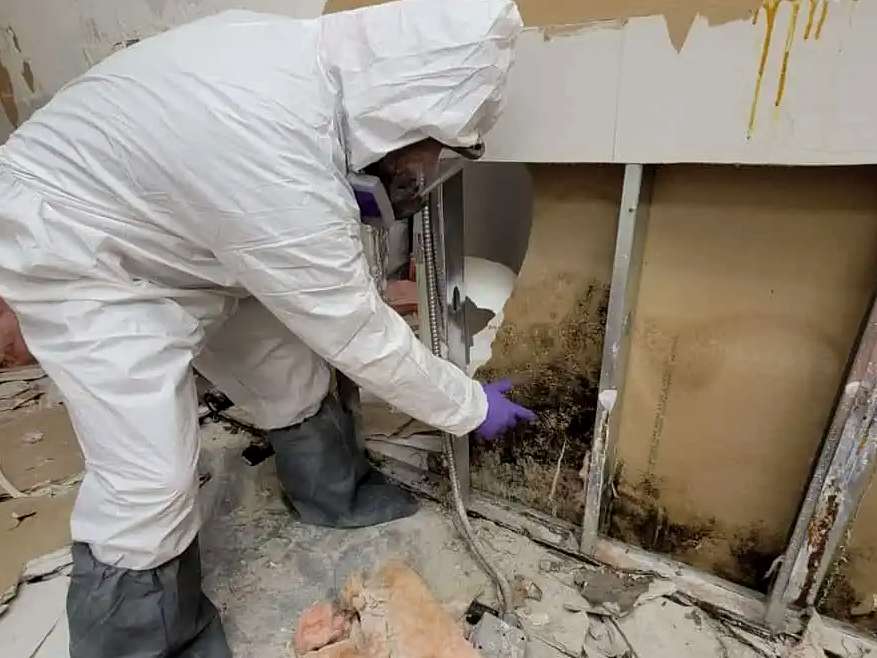
Step 2: Dry-vac the surface. Using a HEPA vacuum, thoroughly vacuum the affected wood framing. This removes loose spores and surface mold before you introduce liquid. This is a critical step that many people skip. Do not use a standard vacuum.
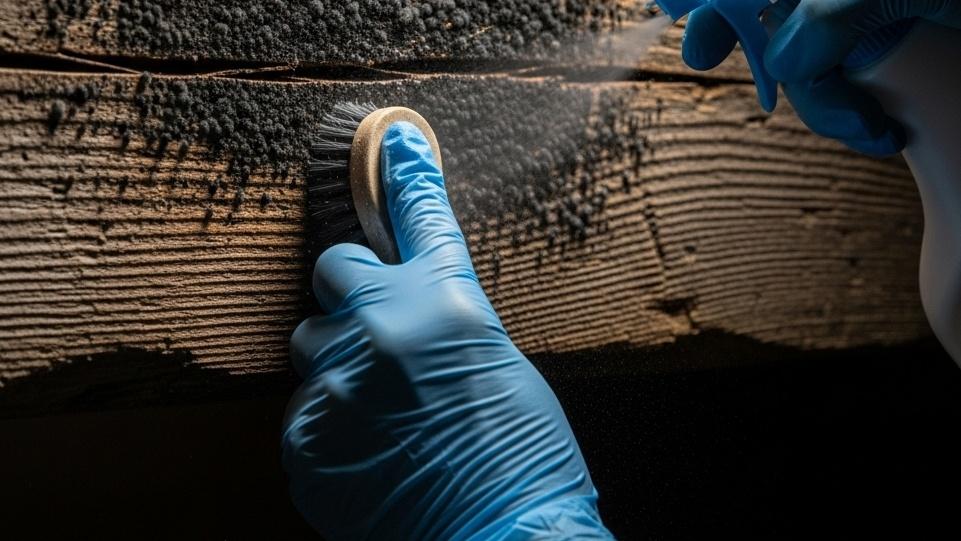
Step 3: Apply the non-toxic solution. Mix a solution of 1 part distilled white vinegar to 1 part water in a spray bottle. Vinegar is a mild acid that can penetrate porous surfaces and effectively kill mold and its roots. Spray the affected area liberally. For more severe cases, use undiluted vinegar.
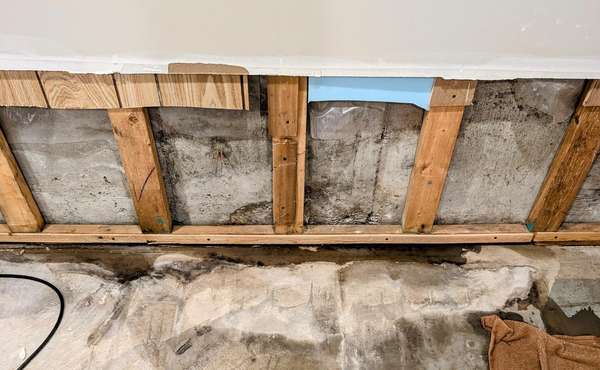
Step 4: Scrub the wood. Using your stiff-bristled brush, scrub the wood to physically remove the mold. The vinegar will help loosen the mold, but physical agitation is essential for removal. You will see the wood change from dark and stained to its natural color.
Step 5: Wet-vac or wipe down. Using a HEPA wet-vac, or a clean rag dampened with a little vinegar, vacuum or wipe away the residue. Do not rinse the area with clean water, as this reintroduces moisture.
Step 6: Dry the area completely. This step is critical. Use fans or an air mover to dry the wood framing as quickly as possible. This ensures that any remaining moisture is eliminated, making it impossible for mold to grow back.
Preventing future mold growth
The only way to ensure mold doesn't return is to control moisture.
- Ventilation: Ensure attics and basements are properly ventilated. For attics, this may mean improving soffit and ridge vents. For basements, consider installing a dehumidifier or a proper ventilation system. For a comprehensive overview of how a balanced ventilation system can protect your home, please see our guide on heat recovery ventilators - HRV or ERV - the difference and how to decide which to buy.
- Address leaks: Regularly inspect your roof, plumbing, and foundation for any signs of leaks or water intrusion.
- Insulation and air sealing: Properly insulating and air sealing your home prevents condensation, which is a key driver of mold growth in attics and basements. Here you can learn how to properly insulate attics in older homes.
- Materials: Use mold-resistant building materials where possible.
In brief
Removing mold from wood framing is a manageable task for both homeowners and pros, provided you follow the steps we've laid out here. The key is to first fix the moisture problem, then physically remove the mold with safe, non-toxic solutions like vinegar, and finally, ensure the area is completely dry.
Avoiding harsh chemicals like bleach protects both the wood and your health. By taking these steps and focusing on moisture control, you can create a healthier, mold-free home environment.
Homeowners facing recurring dampness causing mold in the basement should compare the costs and benefits of waterproofing basement walls from the inside versus installing a new exterior French drain.
Now that you know more about safe mold removal, find more info about moisture control and green building techniques in the Ecohome Green Building Guide and these pages below:
-
Protect your indoor air quality - the best non-toxic home cleaning tips
-
How to keep home air quality clean and safe during renovations
-
How to convert attic space in older homes into usable living areas
-
How to insulate crawl spaces and protect then from mold growth
Sign up now and reap the benefits of a free Ecohome Network Membership!











Comments (0)
Sign Up to Comment