













Why are permeable landscapes so important?
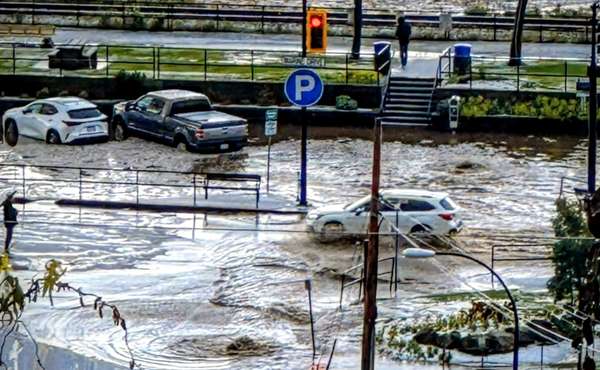
Worrying about where your stormwater goes after it runs off your roof or down your laneway is becoming a bigger issue all the time. What used to be called a 'once in a thousand-year storm' has completely lost its meaning due to how regular an occurence extreme weather events have become due to our changing climate.
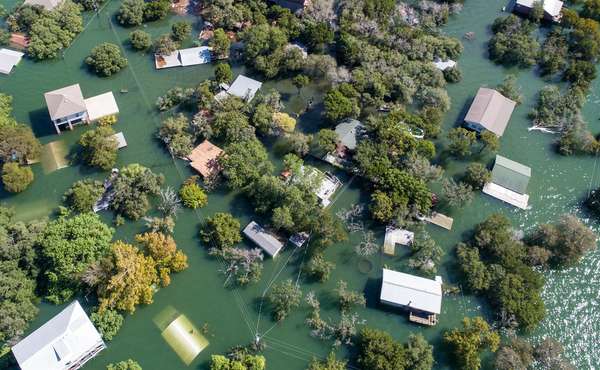
Weather patterns have changed, and heavy rains now often move far more slowly. As storms linger over one area longer, they dump far more water in one place than they used to. This can overwhelm drainage infrastructure and waterways, causing flood risks and damage to homes. With thoughtful landscape design Individual homeowners can help make a difference.
Whether it's a damp basement, pooling water in your yard, or the environmental impact of stormwater runoff, permeable landscaping is a low-tech and simple water management solution. Simple measures can cost very little but offer invaluable resiliency for homes and lessen the impact on municipal water treatment facilities.
This definitive guide to stormwater management explains how integrating permeable surfaces and intelligent design into your property can protect not just your home from water damage, but all those who live downstream from you. In this guide we'll cover everything from simple DIY steps to advanced professional techniques of stormwater management.
This guide provides a comprehensive look at the key aspects of this topic. Below is an overview of the sections we will cover, allowing you to jump directly to the information you need.
- Understanding stormwater's impact on homes and the environment
- What is permeable landscaping?
- Benefits of permeable landscaping for homeowners and the planet
- Types of permeable surfaces
- Rain gardens and bioswales: natural stormwater solutions
- Implementing permeable landscaping: design and installation tips
- Maintaining your permeable landscaping systems
- Local regulations and incentives for permeable landscaping
- Cost considerations for permeable landscaping
- Our conclusions on permeable landscapes
Understanding stormwater's impact on homes and the environment
Stormwater runoff is a significant environmental challenge, especially in urban and suburban areas. When rain or melting snow flows over impervious surfaces like roofs, driveways, and traditional paved areas, it picks up pollutants such as oil, chemicals, fertilizers, and pet waste.
This contaminated water then rushes into storm drains, often bypassing treatment plants, and directly entering rivers, lakes, and oceans. This pollutes our waterways, harms aquatic ecosystems, and can even contribute to harmful algae blooms.
For homeowners, uncontrolled stormwater presents a direct threat to property. Water pooling around your foundation increases your risk of basement flooding; it also creates a more humid environment that leads to moldy basements.
Excess moisture encourages mold and mildew growth, creates unpleasant odors, and can even lead to costly foundation repairs. Traditional grading and drainage systems often route water away, but the goal of permeable landscaping is to manage it on-site.
What is permeable landscaping?
Permeable landscaping refers to a range of design and construction techniques that allow water to infiltrate the ground rather than running off of properties into drainage ditches and sewers. Unlike traditional hardscaping materials that create an impervious barrier, permeable surfaces mimic natural processes, letting stormwater slowly soak into the soil.
This approach dramatically reduces runoff volume, filters pollutants naturally, and recharges groundwater supplies. It's a key strategy in sustainable site management and low-impact development (LID).
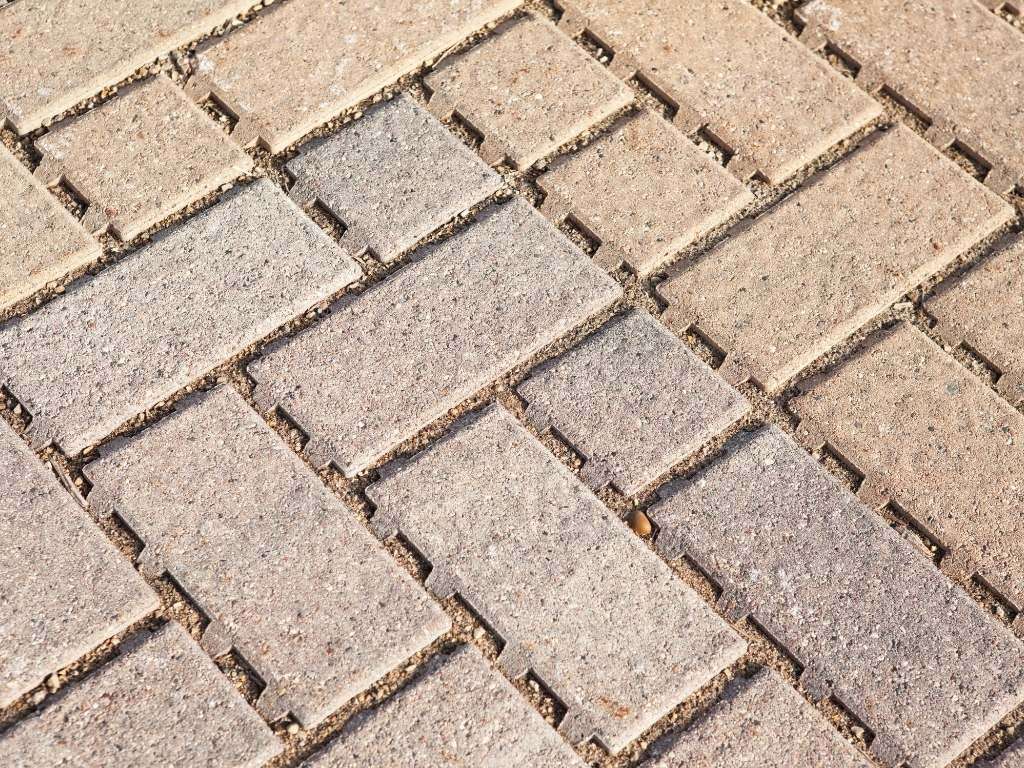
The core concept is to replace or modify traditional hard surfaces with materials that have void spaces, allowing water to pass through. This can involve specialized paving materials, engineered soil systems, or dedicated landscape features designed to capture and absorb water. It's a solution that benefits both your home's integrity and the wider ecosystem.
Benefits of permeable landscaping for homeowners and the planet
Adopting permeable landscaping offers a multitude of advantages for both your property and the environment. For homeowners, the direct protection of your foundation is paramount. By allowing water to percolate into the ground instead of pooling, you significantly reduce the risk of basement flooding, foundation cracks, and moisture-related issues like mold and mildew. This proactive approach can save thousands in potential repair costs.
-
Reduced foundation flooding and water damage
The primary benefit for homeowners is redirecting water away from the foundation, mitigating hydrostatic pressure and preventing water infiltration into basements and crawl spaces.
-
Improved stormwater management
By retaining water on-site, permeable systems drastically decrease the volume of runoff entering storm drains and municipal sewer systems. This lessens the burden on public infrastructure and reduces the need for costly stormwater treatment.
-
Groundwater recharge
Allowing water to slowly infiltrate the soil helps to replenish local aquifers, which is crucial for maintaining water tables and supporting healthy ecosystems.
-
Pollutant filtration
As stormwater passes through permeable surfaces and soil, natural biological and physical processes filter out common urban pollutants such as oils, heavy metals, nutrients, and sediments, improving water quality before it reaches natural bodies of water.
-
Enhanced landscape health
Permeable systems can contribute to healthier soil and plant life by providing consistent moisture. This can lead to more vibrant gardens and reduced irrigation needs, especially for drought-tolerant landscaping.
-
Compliance with local regulations
Many municipalities now encourage or mandate stormwater retention and low-impact development strategies. Implementing permeable landscaping can help homeowners meet these requirements and potentially qualify for incentives.
Types of permeable surfaces
Permeable landscaping isn't a one-size-fits-all solution; it encompasses a variety of materials and designs, each suitable for different applications and aesthetic preferences. Understanding the options available is key to choosing the right approach for your home, whether you're building a new driveway or simply updating a patio.
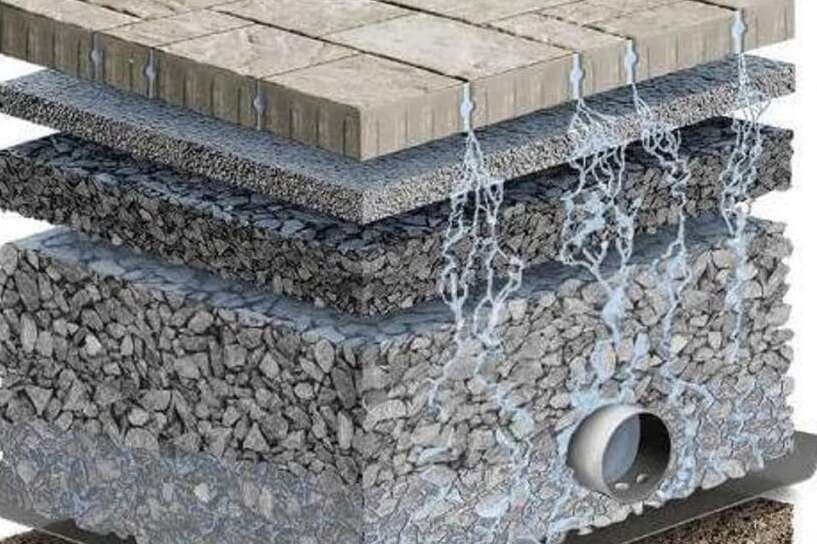
The crucial element for all these types is the underlying base course, which typically consists of layers of varying-sized aggregate that provide structural support and a reservoir for water to temporarily collect before percolating into the soil below.

Permeable pavers
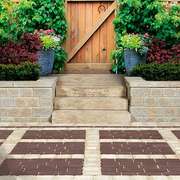
These are interlocking concrete or clay units designed with gaps or wider joints between them. These gaps are filled with permeable aggregate (like gravel or sand) that allows water to drain through to a prepared sub-base. They are excellent for driveways, walkways, and patios, offering a durable surface with high aesthetic appeal. Maintenance typically involves sweeping or vacuuming the joints to prevent clogging.
Permeable concrete and asphalt
Unlike conventional concrete or asphalt, porous versions have an open-cell structure that allows water to pass directly through the material itself. They are made by reducing or eliminating the fine aggregate (sand) during mixing, creating voids.
These materials are well-suited for larger areas like driveways and parking lots. Their effectiveness relies heavily on proper installation and a well-designed sub-base to manage the water flow.
Permeable gravel grid systems
These systems use a cellular grid structure, often made from recycled plastic, which is laid over a prepared base and then filled with gravel, grass, or other permeable infill. The grid stabilizes the infill, prevents compaction, and allows for heavy traffic while maintaining permeability. They are a popular choice for driveways, overflow parking, and service areas where a stable, permeable surface is needed.
Pervious decks and patios
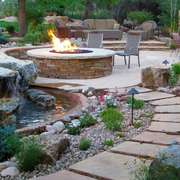
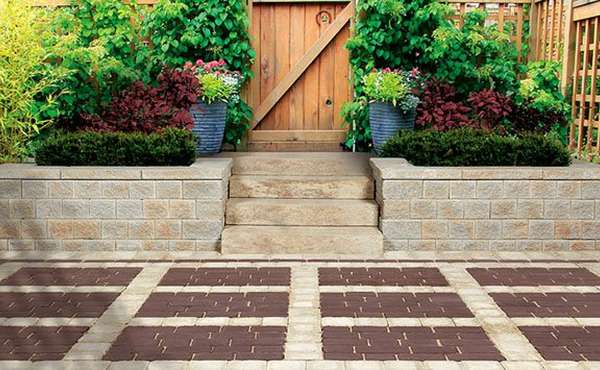
Instead of solid concrete slabs or tightly spaced wood decking, pervious decks and patios incorporate gaps between pavers and decking boards to allow water to filter through. This can be as simple as wider spacing between deck boards over a gravel bed or using specialized permeable patio stones laid on a permeable base.
Tightly spaced (or even unspaced) deckboards themselves may not immediately prevent water from passing, but debris collects much more easily in tight gaps. Along with adding to your water management problems, it can prematurely rot your deck. Wider spacing of deck boards will extend the life of your deck; read more here about tips for building durable long-lasting backyard decks.
Rain gardens and bioswales: natural stormwater solutions
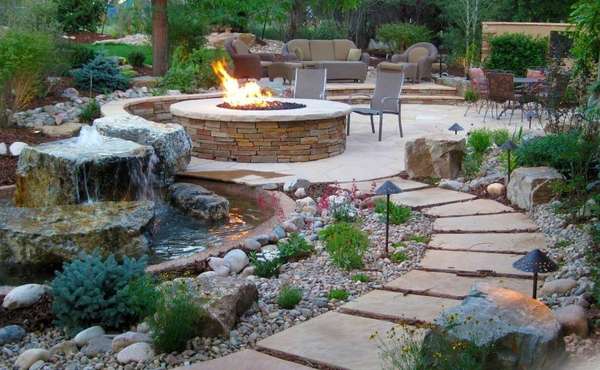
Beyond engineered permeable surfaces, rain gardens and bioswales are powerful natural landscape features designed to capture, filter, and slowly absorb stormwater runoff. These are not merely decorative elements; they are highly functional components of a sustainable landscape, perfect for managing water from roofs, driveways, and other impervious areas. They serve to protect your foundation from direct flow while enhancing biodiversity and aesthetics.
What is a rain garden?
A rain garden is a shallow depression planted with native, water-loving vegetation. It's designed to collect stormwater runoff from nearby impervious surfaces (like your roof or driveway) and allow it to soak into the ground rather than flow into storm drains.
The plants, soil, and gravel layers in a rain garden work together to filter pollutants and absorb excess water, preventing it from overwhelming drainage systems and keeping it away from your foundation. They are typically beautiful, low-maintenance, and attract beneficial insects and birds.
What is a bioswale?
Similar to a rain garden but typically longer and shallower, a bioswale is a vegetated swale or channel designed to convey stormwater slowly while also filtering pollutants and promoting infiltration. Bioswales are often used along roadsides, driveways, or property lines to manage linear flows of water.
They use engineered soil mixes and specific vegetation to maximize water absorption and filtration, providing a natural drainage solution that also contributes to green infrastructure.
Implementing permeable landscaping: design and installation tips
Designing and installing permeable landscaping requires careful planning to ensure long-term effectiveness and prevent issues. Whether you're a homeowner tackling a DIY project or a professional overseeing a large installation, understanding these key considerations is vital. Proper execution means your system will effectively manage stormwater and protect your foundation for years to come.
Site assessment and planning
-
Soil permeability:
Before any digging, conduct a percolation test to determine your soil's infiltration rate. This will inform the depth of your aggregate base and overall design. Clay soils, for instance, will require a deeper, more robust base than sandy soils. If you are on clay, consider professional help or extensive soil amendments.
-
Slope and drainage:
Map out the existing slopes and drainage patterns on your property. Permeable systems should be strategically placed in areas where water naturally collects or flows, diverting it away from the foundation. Ensure there's an overflow plan for extreme storm events.
-
Underground utilities:
Always call before you dig! Locate all underground utilities (gas, water, electrical, sewer) to prevent costly and dangerous accidents. Services like 'Call Before You Dig' (e.g., 811 in the US and Canada, Dial Before You Dig in Australia, or similar services in the UK and NZ) are mandatory.
Base preparation and materials
-
Excavation:
Excavate to the required depth, which varies based on soil type, anticipated water volume, and the specific permeable system (e.g., 12-24 inches (30-60 cm) for permeable pavers). Ensure the subgrade is level or has a slight slope away from the foundation (e.g., 1-2% grade).
-
Geotextile fabric:
Lay down a permeable geotextile fabric at the bottom and sides of the excavated area. This prevents the aggregate layers from mixing with the subgrade soil while still allowing water to pass through. It also helps with weed suppression.
-
Aggregate layers:
Install layers of clean, washed, open-graded aggregate (e.g., gravel, crushed stone) in specified sizes, compacting each layer. This provides the reservoir for water storage and structural support. Common sizes range from 3/4 inch (19 mm) at the bottom to 1/4 inch (6 mm) or smaller for the bedding layer directly beneath the permeable surface.
-
Edging:
Install sturdy edging or restraints around the perimeter of permeable paver or gravel grid installations to prevent lateral movement of the infill material.
Professional installation vs. DIY
While some permeable landscaping features like small rain gardens or simple gravel paths can be DIY projects, larger or more complex installations like permeable driveways or extensive bioswales often benefit from professional expertise.
Contractors specializing in permeable paving or sustainable landscaping will have the necessary equipment, knowledge of local codes, and experience with proper base preparation, which is critical for long-term performance. Improper installation can lead to premature failure, drainage issues, and wasted investment.

Maintaining your permeable landscaping systems
Proper maintenance is key to ensuring the long-term effectiveness and longevity of your permeable landscaping. While these systems are designed to be relatively low-maintenance, a little regular care goes a long way in preventing clogging and maintaining optimal infiltration rates.
Neglecting maintenance can lead to a build-up of sediment and debris, reducing the system's ability to absorb water and potentially leading to foundation issues once again.
For permeable paving and grids
-
Regular sweeping and vacuuming:
Periodically sweep or vacuum the surface to remove leaves, dirt, and other debris that can clog the permeable joints or voids. A specialized vacuum can be used for deep cleaning if sediment accumulation becomes an issue. This is especially important in autumn when leaves are abundant.
-
Weed control:
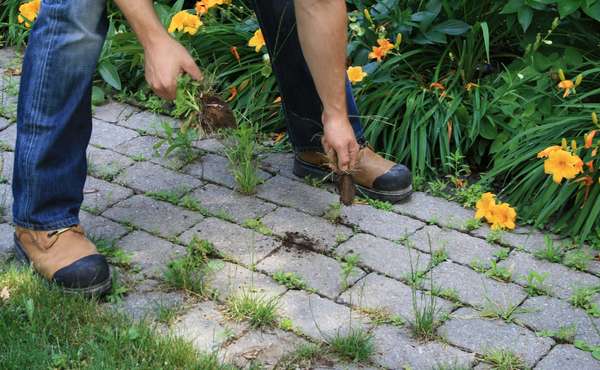
Weeds can grow in the permeable joints. Address them promptly by hand-pulling or using appropriate herbicides, being mindful of runoff concerns.
-
Replenishing infill:
Over time, the sand or gravel in the joints of permeable pavers might settle or be washed away. Replenish these materials as needed to maintain the structural integrity and permeability.
-
Professional cleaning:
For significant clogging or if the system's performance declines, consider professional cleaning using specialized vacuum trucks that can remove accumulated sediment from the base layers without damaging the structure.
For rain gardens and bioswales
-
Weeding and mulching:
Regularly weed the garden to prevent invasive species from outcompeting your desired plants. Replenish mulch as needed to retain moisture and suppress weeds, ensuring it doesn't wash away during heavy rains.
-
Plant care:
Prune plants as necessary to maintain health and aesthetics. Replace any plants that don't thrive. Ensure the plants are suitable for your local climate and soil conditions, favoring native species that require less intervention.
-
Sediment removal:
Check for sediment build-up at the inflow points of your rain garden or bioswale after heavy rains. Remove any accumulated sediment to ensure water can enter freely.
-
Addressing erosion:
If you notice signs of erosion within the rain garden or bioswale, address them quickly by adding soil, plants, or rock to stabilize the area.
Local regulations and incentives for permeable landscaping
Navigating local codes and regulations is a critical step for both homeowners and professionals undertaking permeable landscaping projects. Many municipalities across North America (US and Canada), the UK, Australia, and New Zealand are increasingly adopting policies that encourage or even mandate stormwater management on private properties, especially for new construction or significant renovations. Ignoring these can lead to fines, project delays, or requirements for costly remediation.
-
Local bylaws and ordinances:
Check with your local planning department or municipal authority for specific bylaws related to stormwater runoff, impervious surface limits, and permitted permeable materials. Some areas have strict guidelines on water flow away from properties and into public systems.
-
Building permits:
Depending on the scale and type of permeable landscaping (e.g., a large permeable driveway versus a small rain garden), you may require a building permit. Always confirm this with your local building department.
-
Incentives and rebates:
Many cities and regions offer financial incentives, rebates, or grants for homeowners who install permeable surfaces, rain gardens, or other green infrastructure elements. These programs aim to reduce the burden on municipal stormwater systems. Examples include stormwater utility fee reductions or direct financial aid for eligible projects. Research programs available through your local city, county, or regional water authority.
-
Regional differences:
Regulations vary widely. For instance, some areas in the Pacific Northwest of North America have very stringent stormwater management requirements due to high rainfall and environmental concerns, while drier regions may focus more on water conservation through infiltration. Similarly, Australian and UK cities are increasingly implementing SUDS (Sustainable Urban Drainage Systems) or WSUD (Water Sensitive Urban Design) principles, which often include permeable solutions.
It's always recommended to consult with local professionals, such as landscape architects, civil engineers, or experienced contractors, who are familiar with the specific codes and incentives in your area. They can help ensure your project is compliant and maximizes any available benefits.
Cost considerations for permeable landscaping
The upfront costs for permeable surfaces can sometimes be higher than traditional impervious options, but they offer long-term benefits and potential savings, especially in terms of preventing basement flooding.
The price will vary significantly based on the type of system chosen, the project's scale, site conditions, and whether it's a DIY endeavor or a professional installation.
Upfront costs
-
Materials:
Permeable pavers, specialized aggregates, and engineered soil mixes can be more expensive per square foot than standard concrete or asphalt. For example, permeable pavers might cost $4-10 USD (5-13 CAD, 3-8 GBP, 6-15 AUD, 7-17 NZD) per square foot for materials, while standard pavers might be $2-6 USD (2.5-8 CAD, 1.5-5 GBP, 3-9 AUD, 3.5-10 NZD).
-
Labor and installation:
Installation of permeable systems is often more complex, requiring careful base preparation and skilled labor. This can increase labor costs. Professional installation for permeable pavers might range from $10-25 USD (13-35 CAD, 8-20 GBP, 15-38 AUD, 17-45 NZD) per square foot, including materials, compared to $6-15 USD (8-20 CAD, 5-12 GBP, 9-23 AUD, 10-26 NZD) for conventional paving.
-
Excavation:
Deeper excavation for the aggregate base will add to costs. Rain gardens and bioswales also require significant excavation and specific plant selection.
Long-term savings
-
Reduced stormwater fees:
In many municipalities, property owners pay stormwater utility fees. Permeable landscaping can significantly reduce or eliminate these fees by managing runoff on-site.
-
Avoided damage costs:
Preventing foundation damage, basement flooding, and erosion can lead to substantial long-term savings on repairs that could otherwise cost thousands of dollars or pounds.
-
Increased property value:
As discussed, sustainable landscape features are becoming highly desirable, enhancing your property's market value and curb appeal.
-
Reduced irrigation:
By allowing water to infiltrate and replenish soil moisture, you may reduce the need for supplemental irrigation for surrounding landscaping, saving on water bills.
-
Environmental benefits:
While not a direct monetary saving, the environmental benefits of reduced pollution and groundwater recharge contribute to broader community well-being and long-term ecological health.
When budgeting, it's wise to obtain multiple quotes from experienced contractors and consider the return on investment over the lifespan of the system. Often, the long-term savings and avoided costs far outweigh the initial investment.
Our conclusions on permeable landscapes
Designing home landscapes to absorb and handle rainwater as independently as possible may not necessarily benefit the individual, but it may offer immeasurable benefit to those downstream.
If water from your property is retained in permeable landscapes, green roofs, rainbarrels or whatever - then you personally will have had a direct role in mitigating the risk of flooding in low-lying communities further downriver.
By allowing water to infiltrate the ground naturally, you not only protect your home's foundation from potential flooding and moisture damage but also contribute significantly to environmental health by reducing polluted runoff and recharging groundwater.
Prioritizing proper planning, installation, and ongoing maintenance will ensure your permeable landscape functions effectively for decades to come, creating a healthier, more sustainable home and planet.
Now that you know more about permeable landscaping, find more info about stormwater management and green building techniques in the Ecohome Green Building Guide and these pages below:
-
How to create permeable landscaping surfaces
-
Why basements flood and how to prevent basement flooding
-
Rainwater harvesting systems: capture and reuse
-
Green roofs: the benefits, design and DIY installation guide




Comments (0)
Sign Up to Comment