










A guide to non-toxic weed removal on patios
Are there weeds growing in cracks between flagstones or pavers that are driving you nuts? Almost enough to get some earth-poisoning chemicals to fix it, but your conscience won't let you? Great, because we feel the same someatimes and we have some solutions to offer you to restore the look of your clean patio without pouring toxins into the ground.
Weeds poking up through permeable landscapes where they are intended to be is a nice natural-looking patio. Unwanted weeds in cracks between patio stones where they were not intended however, instantly ages your backyard landscape and looks unkempt.
While chemical herbicides offer a quick fix, they pose serious risks to pets, children, and local ecosystems. Below we explore what safe and effective solutions exist to clear the weeds from patios without resorting to chemicals.

This guide provides a comprehensive look at the key aspects of this topic. Below is an overview of the sections we will cover, allowing you to jump directly to the information you need.
- Why weeds find their way up through patios
- Immediate action: safe and natural spot treatments
- The best tools for manual weed removal
- How do you keep weeds from coming back?
- Regular patio and paver stone maintenance
- A professional's approach: scaling up the fight
- Patio maintenance in brief:
Why weeds find their way up through patios
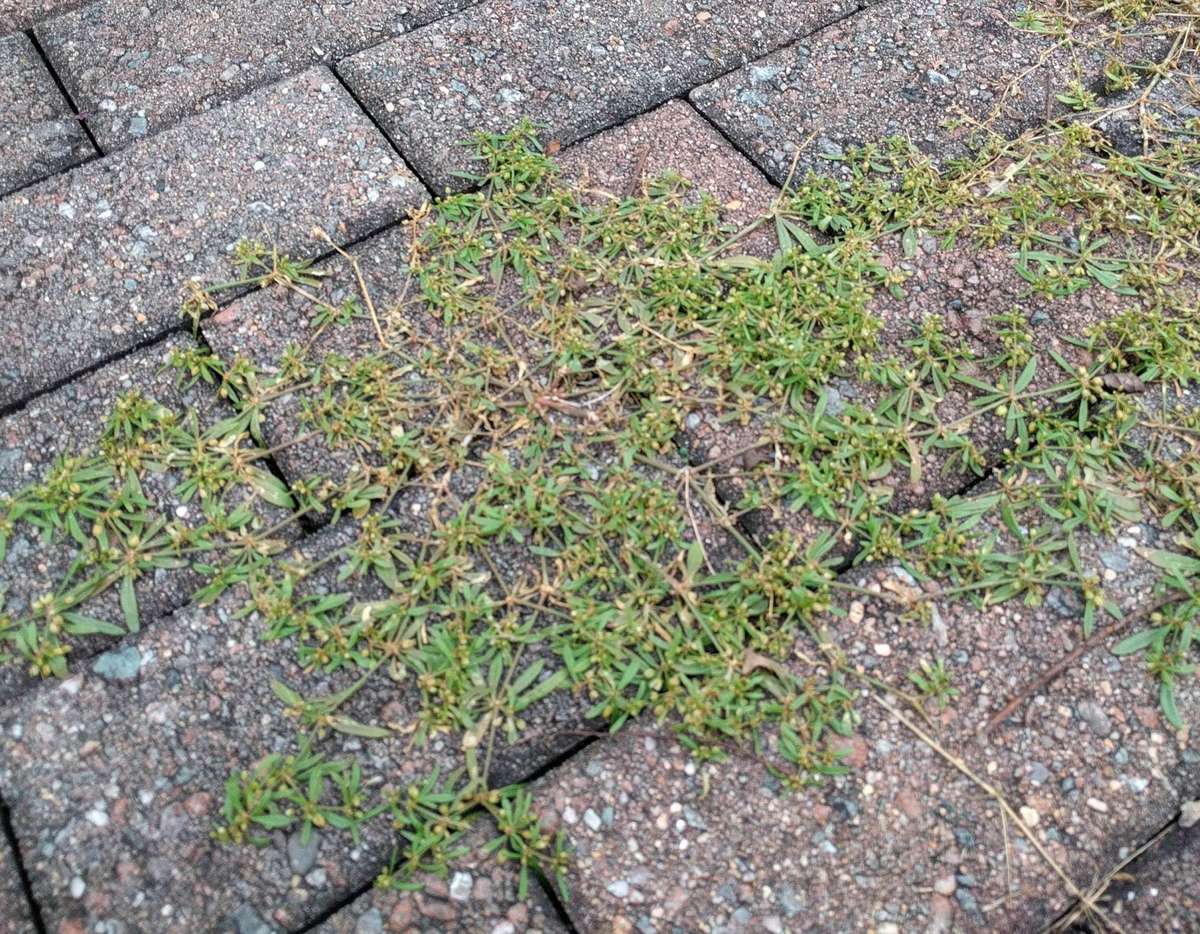
To effectively combat weeds, you first need to understand why they appear. Weeds are opportunistic plants that thrive in conditions that are challenging for other plants but perfect for their growth. Patios and laneways made of pavers, flagstones, or bricks provide an ideal environment.
The small gaps and cracks between paving stones are often filled with a mixture of sand, dirt, and organic debris like fallen leaves and seeds. This creates a fertile, moist environment where weed seeds can easily germinate. The problem is exacerbated in areas with poor drainage, which keeps the soil consistently damp.
The role of weed seeds and soil compaction
Weed seeds can be carried by wind, birds, and foot traffic. They fall into the cracks of your patio and, once established, their roots can grow surprisingly deep. Over time, the constant growth and decay of weeds can further loosen the joint material, making it easier for new weeds to take hold.
For professionals and serious DIYers, recognizing that the battle is as much about managing the underlying soil as it is about removing the visible plants is key. The goal is to make the environment inhospitable for future growth, not just to remove the current plants.
Immediate action: safe and natural spot treatments
When you have a few weeds to tackle and want a fast, non-toxic solution, these methods are excellent for spot treatment. They are simple for homeowners and can be used to manage small areas without resorting to harsh chemicals.
Boiling water method
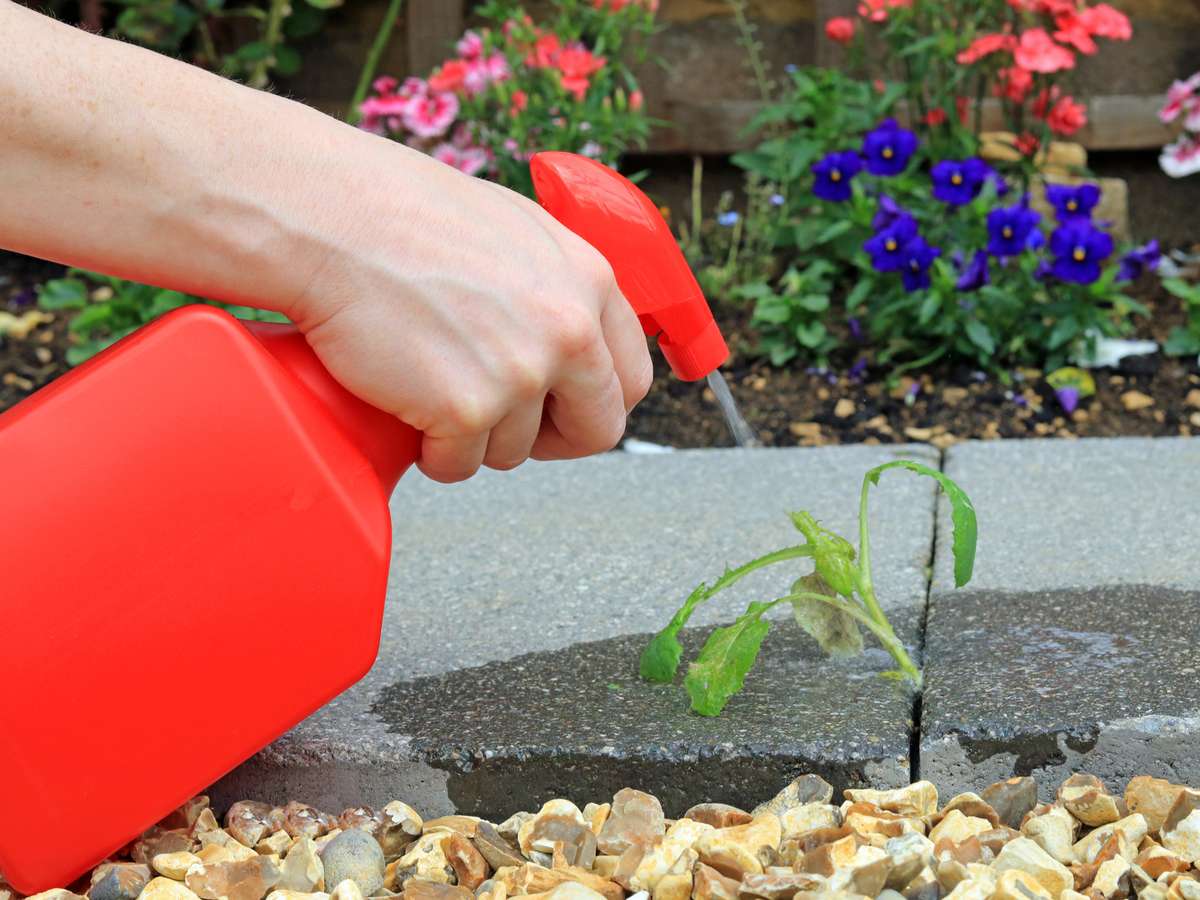
This is one of the quickest and safest ways to kill weeds. The extreme heat of the boiling water scalds the plant, destroying its cell structure instantly. Simply boil water and carefully pour it directly onto the weeds in the cracks of your patio.
Be very careful to avoid splashing yourself and do not pour boiling water on desirable plants or grass in adjacent areas. This method is most effective on young, shallow-rooted weeds.
Vinegar-based solutions
A simple solution of household white vinegar is a surprisingly potent herbicide. The acetic acid in vinegar draws moisture out of the plant, causing it to wither and die. For a more effective solution, a mixture of horticultural vinegar (5-10% acetic acid), a small amount of salt, and a drop of dish soap (to help it stick to the leaves) can be used.
Apply this mixture directly to the weeds on a sunny day. The sun's heat will amplify the drying effect. Be aware that this mixture can alter the soil's pH and may cause discoloration of some paving materials, so test it on a small, inconspicuous area first. Also, ensure runoff does not affect nearby plant life.
The best tools for manual weed removal
For a thorough and long-lasting solution, nothing beats manual removal. This is the only method that removes the root, which is essential for preventing regrowth. Having the right tools makes the job much easier and more effective.
Patio knives and crevice tools
These specialized tools are designed with thin, sharp blades that fit perfectly into the narrow gaps between pavers. They allow you to cut the weed at the root and scrape out the debris, making the process much faster than using a hand trowel or a screwdriver. A long-handled version is also available to save your back and knees.
Stiff-bristled brushes
A heavy-duty wire or stiff-bristled brush is perfect for removing moss, small weeds, and debris from the surface of pavers. Regular brushing will also help to prevent weed seeds from taking root in the first place.
Weed burners
Propane-fueled weed burners use a controlled flame to heat weeds to a high temperature, causing their cell walls to burst and the plant to die. This method is fast and requires less bending over. It is very effective for annual weeds but may not completely kill the roots of perennial weeds.
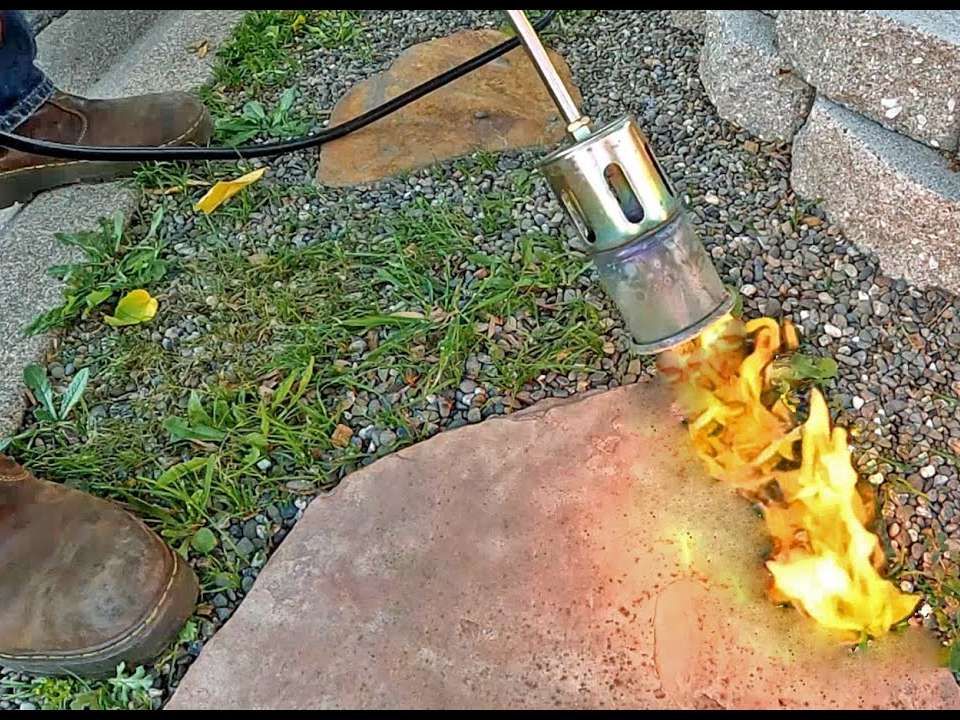
The downside is obviously the fact that this is a fossil fuel solution, so of all the methods we are the least enthralled about this one. But in our opinion it is preferable to chemical solutions, or preventing water infiltration between stones.
Always use extreme caution when using a a weed burner, especially in dry conditions or near wooden decks and fences. The heat can also discolor certain stone and concrete pavers.
How do you keep weeds from coming back?
Removing weeds is only half the battle; preventing their return is the key to a permanently pristine patio. This is where a strategic approach to maintenance and design is crucial. First we want to point out what most landscapers will likely recommend, which is using polymer sand, but we recommend avoiding it.
What is wrong with polymer sand in patios?
Putting down a polymer / sand mix to seal the joints between paver stones is very effective at what it does, preventing anything from getting in the cracks. That means weeds, but also water. Water running down sealed laneways sends pesticides, oils, road debris and large volumes of water towards sewers and eventually rivers.
Landscapers like sealing patios and interlock stones with polymer as it keeps their work looking pristine longer, but the environment pays a hefty price in terms of polluting waterways and increasing the risks of urban flooding.
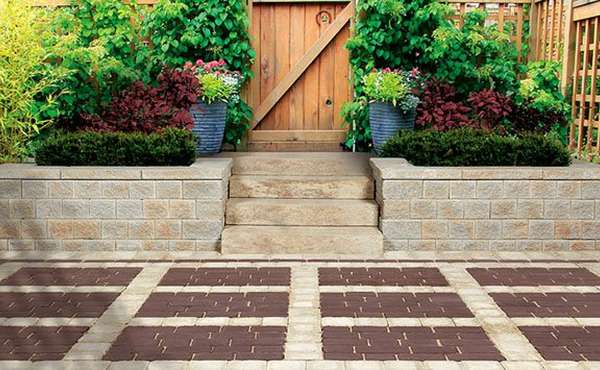
We are strong advocates of on-site stormwater management, and you can read more here about water-permeable landscapes and permeable paver stones for retaining rainwater onsite.
Yes, this noble gesture will mean more weeds for you to deal with, but it is a step towards creating a world where plants can actually continue to grow in the future. Call it a small sacrifice for your kids to ensure a more livable environment.
Polymer sand prevents weeds from taking root but also prevents water from passing through. This method is a favorite among professionals and DIYers alike for its long-term effectiveness. For an existing patio, you'll need to clean the cracks completely before applying the polymer sand.
Regular patio and paver stone maintenance
Prevention is easier than removal. Make it a habit to sweep your patio or walkway regularly to remove dirt and organic debris, which are the food source for weed seeds. You can also use an electric leaf blower to clear out stubborn debris from cracks. A quick, weekly inspection will allow you to catch and remove any new weeds before they become established.
A professional's approach: scaling up the fight
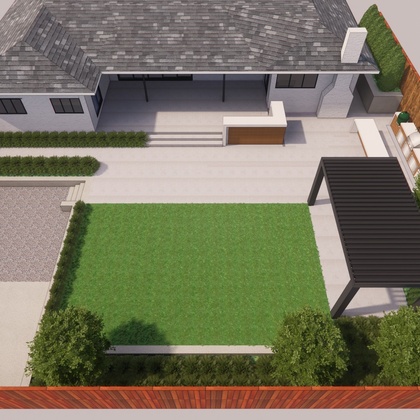
For large-scale projects or for clients who want a truly permanent solution, a professional approach goes beyond simple maintenance. It often involves a holistic strategy that addresses the entire site, including drainage and underlying issues. When a professional hardscaper or landscape architect is involved, they consider factors like grading and sub-base preparation.
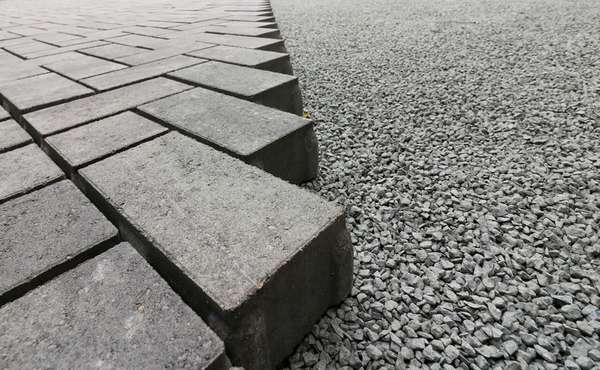
These systems are specifically designed to manage water on-site, using layers of aggregate and permeable joint materials that naturally filter and absorb water, making it more difficult for weeds to grow. This approach tackles the root cause of the problem by creating a less hospitable environment for weeds.
For more general site management and sustainable landscaping, a professional will assess the entire property to see where water is pooling or where conditions are ripe for weed growth. They can suggest broader solutions that reduce maintenance and improve the overall ecological health of the site.
Patio maintenance in brief:
Removing weeds from your patio without chemicals is not only possible but can lead to a healthier and more sustainable outdoor space. For immediate action, simple methods like boiling water or vinegar solutions can be effective. For the long term, however, a strategic approach is best. This includes using the right tools for manual removal and keeping surfaces clean.
For those undertaking a new installation or a major overhaul, a professional can offer solutions like permeable paving systems that tackle the problem at its source, leading to a beautiful, low-maintenance, and weed-free patio for years to come.
Now that you know more about removing patio weeds, find more info about sustainable site management green building techniques in the Ecohome Green Building Guide and these pages below:
-
All about edible landscaping - grow beautiful plants that you can also eat!
-
How to avoid invasive plant species when landscaping
-
Our top tips for building decks that last longer
-
Guide to choosing bee-friendly and drough resistant ground covers






Comments (0)
Sign Up to Comment