



Removing paint from interior brick walls: how to do it safely and effectively
There is a certain timeless charm to exposed brick, whether it's the rustic appeal of an old fireplace or a statement wall in a modern loft. But what happens when that brick is covered in layers of old, peeling paint?
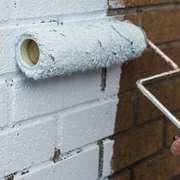
Removing paint from an interior brick wall is a popular renovation project for both homeowners and professional contractors, but it's one that requires careful planning, the right tools, and an understanding of the potential health risks. This definitive guide will walk you through the process, from choosing the safest methods to the final clean-up, ensuring a successful and healthy result for your home.
- Prepare the site: Safety first
- Evaluating the existing paint
- Healthy and non-toxic paint removal methods
- The power wash method
- Using chemical strippers
- Sandblasting and media blasting: Pros & cons
- Post-removal clean-up and finishing touches
- In brief
Prepare the site: safety first
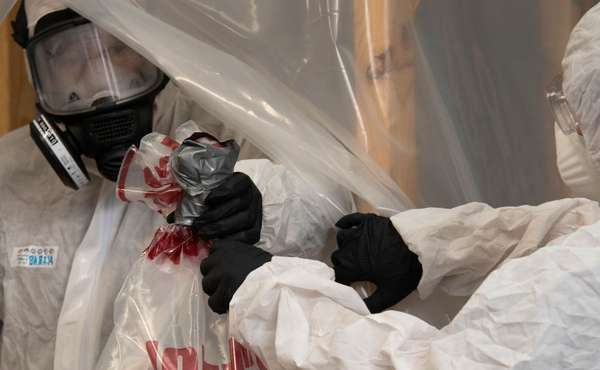
Before you begin any work, site preparation is critical. This is a messy job, and whether you're a DIY enthusiast or a professional, taking precautions will save you a great deal of trouble and protect your health. For homeowners, this means protecting your belongings and yourself. For professionals, it's about following best practices for client safety and project efficiency.
First, protect your floors and furniture. Use heavy-duty drop cloths to cover the entire floor area and any nearby furnishings. It's a good idea to tape the drop cloths at the edges to prevent dust and debris from escaping. Next, ensure the area is well-ventilated. Open windows and doors, and consider using fans to create a cross-breeze. This is especially important if you plan to use any chemical strippers.
Essential Personal Protective Equipment (PPE)
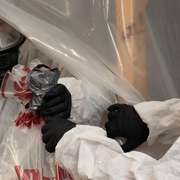
Regardless of the method you choose, you must wear appropriate PPE. This includes a high-quality respirator with filters rated for airborne particles and chemical fumes, safety goggles or a face shield, and durable work gloves.
This is non-negotiable, particularly because old paint, especially from homes built before 1978 in North America (or 1960s in the UK, 1970s in Australia & New Zealand), may contain lead. The act of sanding or scraping can release hazardous lead dust and particles into the air. If you are concerned about lead paint in your walls, once it is painted over with a lead-free paint, it is sealed inside and relatively harmless.
Unless you have it removed professionally, trying to get rid of it yourself could pose a greater health risk than simply covering it. For more on this, check out our guide on choosing safe paints with low VOCs.
Evaluating the existing paint
Before you commit to a removal method, you need to understand what you're up against. A visual inspection of the wall will tell you a lot. Is it a single coat or multiple layers? Is the paint peeling and flaking, or is it firmly bonded to the brick? The age and type of paint will determine the best and safest approach. In older homes, the paint is often oil-based, which is more challenging to remove than modern latex or water-based paints.
Healthy and non-toxic paint removal methods
For those prioritizing a healthy home environment, non-toxic and eco-friendly methods are the best option. These methods are typically more labour-intensive but avoid the use of harsh chemicals that can off-gas for years after application.
Non-toxic chemical strippers
While most paint strippers contain dangerous chemicals like methylene chloride (dichloromethane), which is a known carcinogen, a new generation of biodegradable and non-toxic paint strippers is now available.
These products often use ingredients derived from plants, such as citrus solvents, and work by softening the paint so it can be scraped away. Look for products that are labelled as low-VOC or zero-VOC. These are safer for both you and the indoor air quality of your home. Always follow the manufacturer's instructions, as the dwell time and application methods can vary significantly between brands.
Heat guns and infrared heaters
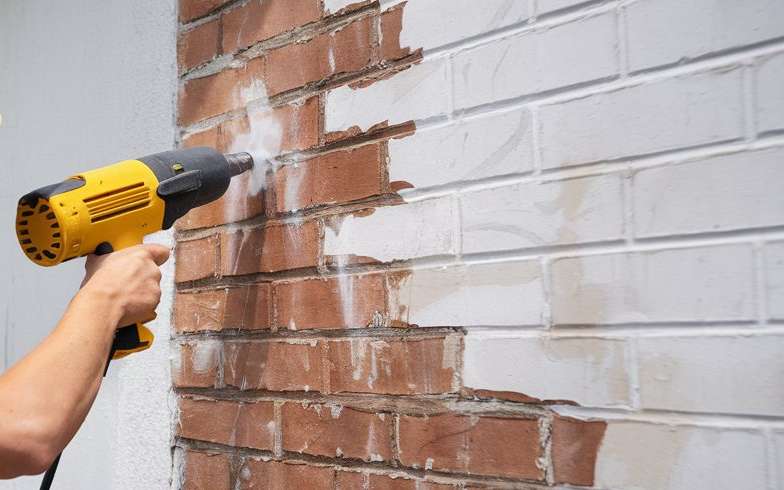
A heat gun is a tool that softens paint with hot air, making it easier to scrape off. An infrared paint stripper works similarly but uses infrared energy to heat the paint from the inside out, which is often considered a safer method as it is less likely to vaporize lead and other toxic compounds.
For either method, you must be extremely careful not to scorch the brick or mortar. This technique is best for smaller areas and requires patience and a good quality scraper. For a professional, this can be a great way to tackle a small residential job without a big mess. For homeowners, it's a slow but satisfying process.
The power wash method
Power washing may seem like a quick and easy solution, but it is a controversial method for interior brick. The high-pressure water can damage the brick and mortar, forcing water deep into the wall structure, which can lead to moisture problems, mould, and efflorescence (salt deposits) down the line. It's generally not recommended for indoor use unless you are an experienced professional with a proper water recovery system and a very low-pressure setting. This is a technique best left to outdoor brick projects.
Using chemical strippers
For decades, chemical stripping was the go-to method for paint removal. While effective, the traditional products contain powerful and toxic chemicals. These are the fast-acting strippers that use methylene chloride and other harmful solvents.
If you must use these, do so only in a space with excellent ventilation, wear a respirator rated for vapours, and take all necessary safety precautions. For more information on this, check out our guide on choosing low VOC & no VOC non-toxic paints, as it contains some critical information on chemical off-gassing and safety.
Sandblasting and media blasting: pros & cons
For a long time, professional sandblasting was seen as the most efficient way to remove paint from brick. However, it is an aggressive process that can severely damage the brick and mortar, eroding the face of the brick and weakening the wall.
This is a critical consideration for both old and new brick structures. In addition, it creates a massive amount of dust, making it an impractical choice for interior walls unless the entire room is hermetically sealed and the dust is professionally managed.
In many cases, it is much safer and more effective to use a less abrasive form of media blasting, such as corn cobs, ground walnut shells, or baking soda. These 'soft' media blasting methods are gentler on the brick, but still require a professional with specialized equipment and proper containment to prevent the spread of dust.

The modern alternative: Finer media blasting
A better and safer alternative to sandblasting is to use a finer abrasive material in a low-pressure media blaster. This can include anything from ground walnut shells to baking soda. These methods are much gentler on the brick, as they are less likely to erode the surface.
However, this is still a job for a professional with the right equipment and experience. It requires careful control and proper containment to prevent a huge mess and potential health hazards from dust. These tools are not typically available for rent to the average DIYer.
Post-removal clean-up & finishing touches
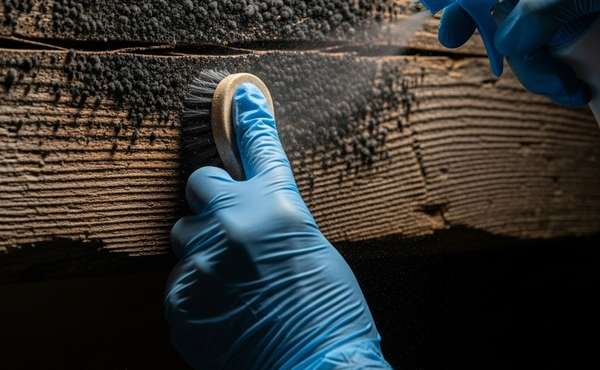
Once the paint is off, the job is not over. You'll need to thoroughly clean the brick to remove any remaining residue and dust. A stiff brush and a solution of soap and water is a good start. For a deeper clean, a pressure washer on a very low setting with a wide spray pattern can be used, but again, this requires extreme care for an interior application.
After the brick is completely dry, you may want to apply a sealer to protect it and make it easier to clean in the future. There are many eco-friendly and non-toxic sealers available that won't trap moisture inside the brick, so research your options carefully.
In brief
Removing paint from interior brick is a project that can dramatically transform a space, but it's important to approach it with the right knowledge and tools. Avoid aggressive methods like traditional sandblasting, and prioritize your health by choosing non-toxic removers or heat-based methods. Proper site preparation and the use of PPE are essential for a safe and successful outcome.
Now that you know more about removing paint from interior brick walls, find more info about healthy home renovations and green building techniques in the Ecohome Green Building Guide and these pages below:
-
Healthy interior home finishing techniques
-
Is painting brick a good idea?
-
Choosing safe paints to protect air quality - low VOCs is still VOCs!
-
Sealing unused fireplace chimneys can save you a lot on energy bills

Comments (0)
Sign Up to Comment