











Best practices for attached garages: a homeowner's & pro's guide
Designing an attached garage requires a sophisticated approach to building science to ensure that convenience does not compromise indoor air quality or thermal performance. Because these structures share a common wall and often a ceiling with the primary living space, they represent a significant thermal bridge and a potential entry point for harmful pollutants like carbon monoxide and VOCs.
By prioritizing high performance doors, strategic drainage solutions, and robust air sealing, you can create a functional utility space that enhances the home's energy efficiency rather than detracting from it.
This guide provides a comprehensive look at the key aspects of this topic. Below is an overview of the sections we will cover, allowing you to jump directly to the information you need.
- Selecting high performance doors
- Managing the thermal envelope
- Floor drainage systems
- Storage and workspace solutions
- In brief
Selecting high performance doors
The garage door is usually the largest uninsulated opening in a home's exterior envelope. Standard thin gauge steel doors offer almost no thermal resistance, effectively turning the garage into a massive heat sink during winter months.
Understanding R-value and insulation types
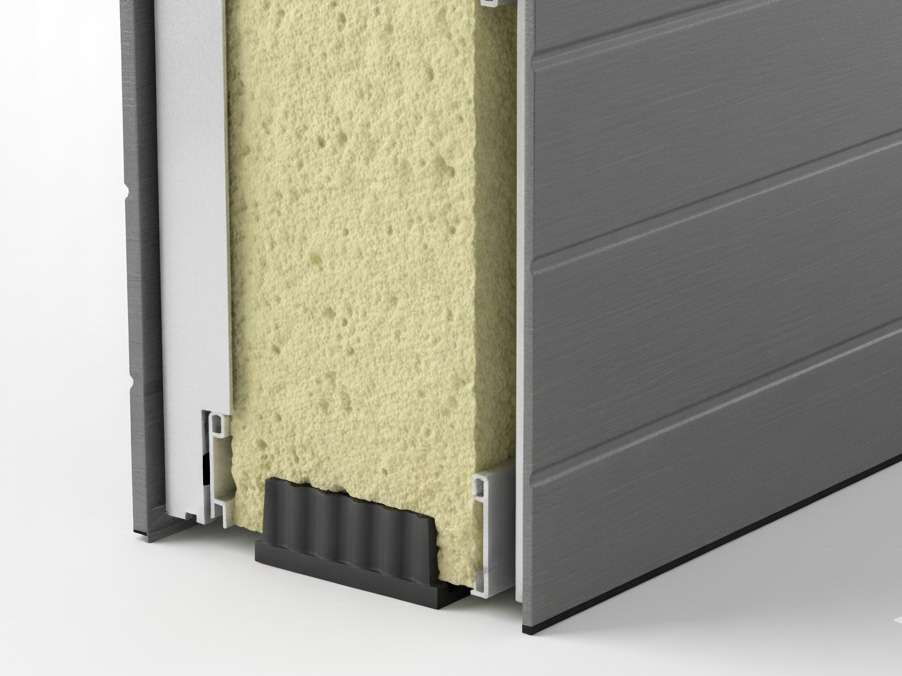
For a truly efficient garage, look for triple layer doors, often called sandwich construction, which utilize polyurethane foam injected between two steel skins. Polyurethane is preferred over polystyrene because it has a higher r-value per inch and provides better structural rigidity. In cold climates like the northern US and Canada, or the UK, aim for a minimum of R-12 (RSI 2.1). Some high performance garage door units can reach R-18 (RSI 3.2) or higher.
Prioritizing air sealing and gaskets
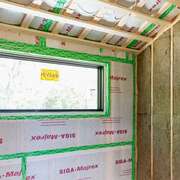
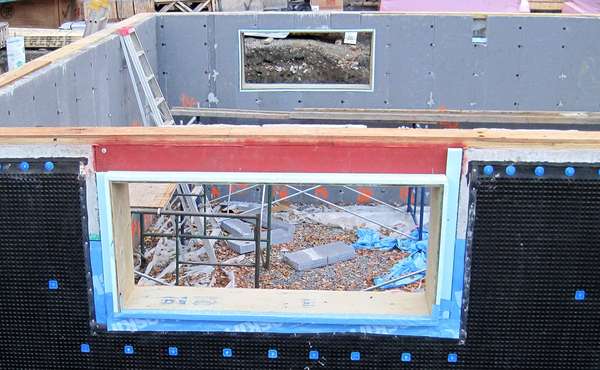
Insulation is only effective if air infiltration is minimized. Look for doors with heavy duty bulb seals at the bottom and perimeter weatherstripping that remains flexible at -20 degrees Fahrenheit (-29 degrees Celsius). The header and jack studs must be meticulously sealed with low expansion spray foam during the door frame installation to prevent drafts from bypassing the door itself.
Managing the thermal envelope
The decision to heat an attached garage depends on usage, but it carries significant energy and safety implications. For most homeowners, maintaining a tempered but unheated space is the most sustainable choice.
The argument for an unheated garage
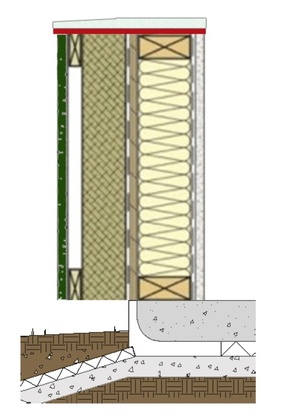
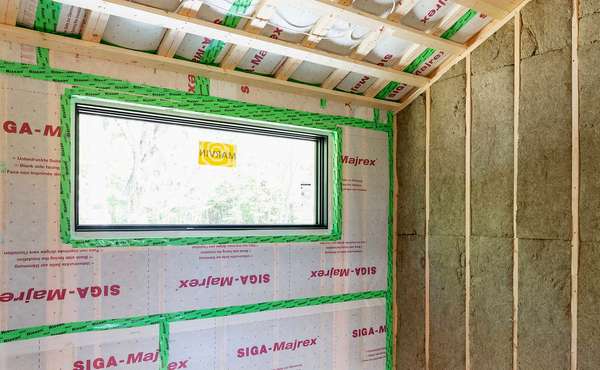
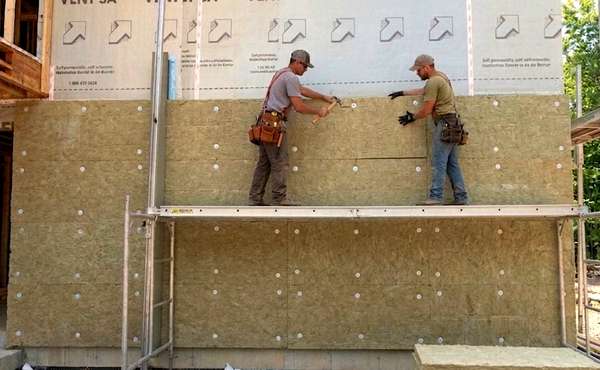
If the garage is used solely for parking, leaving it unheated is the most eco-friendly approach. However, this requires the common wall between the garage and the house to be treated as an exterior wall. It must be heavily insulated and air sealed to a high standard.
In many cases, it is more important to seal the garage from the house than it is to insulate the garage from the outside. For more details on these critical boundaries, read our comprehensive guide to air sealing.
Efficient heating for workspaces
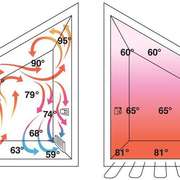
If you require a year-round workspace, the most efficient method is radiant floor heating. Because concrete has high thermal mass, a heated slab provides a stable, comfortable heat that does not immediately disappear when the garage door is opened for a few seconds. If a retrofit is required, electric convection heaters are a viable secondary option for localized warmth. For a comparison of these systems, view our radiant floor heating guide.
Floor drainage systems
Proper water management is essential to prevent moisture buildup, which leads to high humidity and potential mold growth on stored items.
Sloping toward the main door
The simplest method is a unidirectional slope of approximately 1/8 inch per foot (1 cm per 1 m) toward the garage door. This is cost-effective and low maintenance. It is the preferred method for unheated garages in cold climates, as it prevents standing water from freezing and damaging the concrete surface. Use a high quality concrete sealer to protect the slab from road salt and oil. Check out our guide to choosing concrete floor sealers.
Catchment basins and trench drains
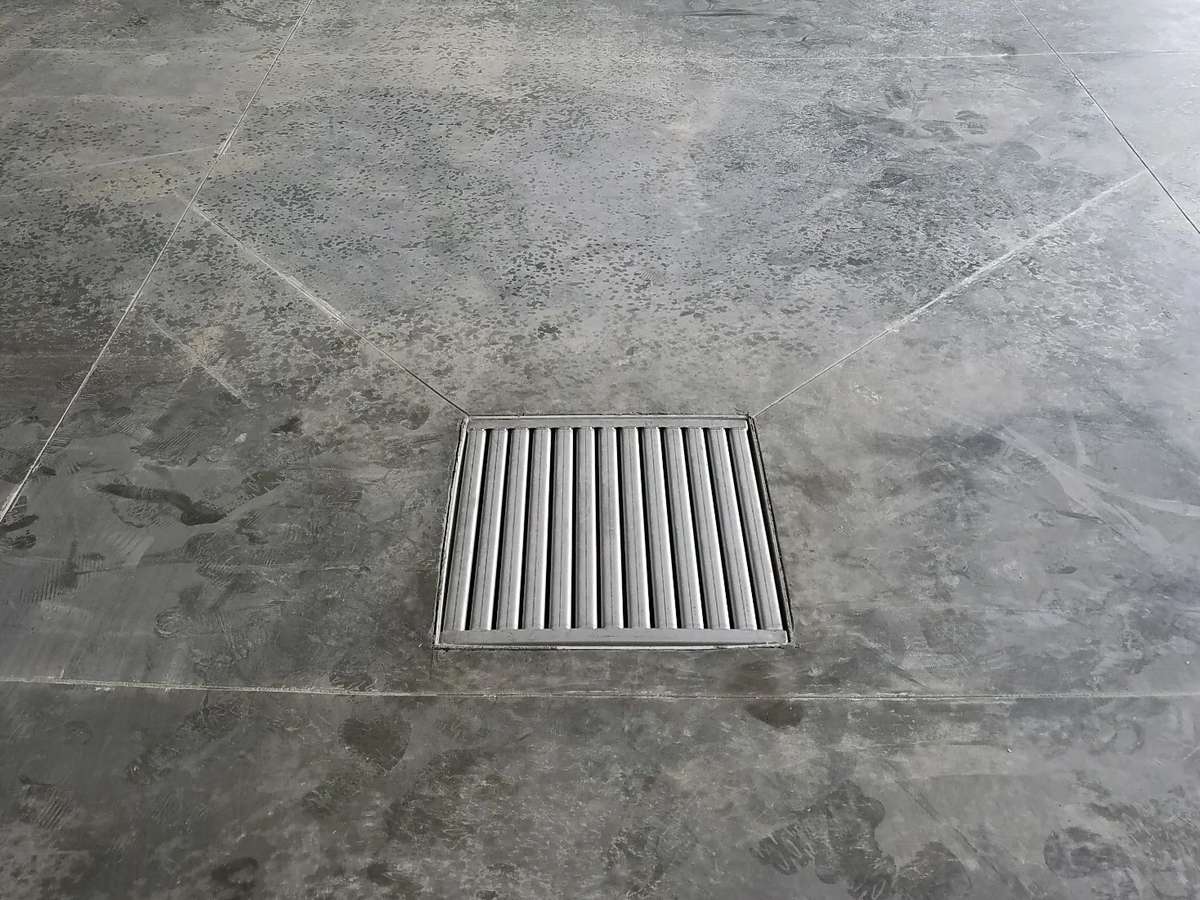
In heated garages, or for professionals who wash vehicles indoors, a central catchment basin or trench drain is superior. These systems must include a sediment trap to prevent sand and debris from clogging the plumbing. Be aware that local building codes in many regions, including parts of Australia and North America, may require a gas and oil interceptor if the drain connects to the sanitary sewer.
Storage and workspace solutions
Maximizing the utility of a garage requires a plan that keeps the floor clear and the environment safe for both cars and people.
Vertical storage and zoned organization
Utilize wall mounted slatwall systems or overhead ceiling racks to store seasonal items like tires or holiday decorations. For the professional, zoned organization ensures that tools are within reach of the workspace without interfering with vehicle parking. Ensure that any combustible liquids are stored in a dedicated, ventilated metal cabinet to maintain safety standards.
Optimizing the small project workspace
For small projects, a folding wall-mounted workbench is an excellent space-saving solution. It provides a sturdy 4 foot (122 cm) surface when needed but folds flat to allow for car clearance. Ensure the area is equipped with LED task lighting with a high color rendering index to reduce eye strain. Given the risk of fumes, always ensure a carbon monoxide detector is installed in any garage used as a workshop.
Often times there is space up high in garages than can be accessed for storage or even work space, but stair access can sometimes be a problem. Check out our page on space saving stair designs for garages and attics, that allow either steeper strairs, or stairs that fold into walls when not in use.
In brief
An attached garage should be viewed as a buffer zone rather than an extension of the living space. To maximize performance, select a door with high R-value insulation, prioritize air sealing over heating, and manage moisture through proper floor sloping. By treating the shared wall as a primary thermal and air barrier, you protect your home's efficiency and air quality.
Now that you know more about attached garage best practices, find more info about sustainable home design & green building techniques in the Ecohome Green Building Guide and these pages below:
-
Choosing the best concrete floor sealer
-
Radiant garage floor heating systems- electric wire, liquid, air tubes
-
The importance of air sealing for energy efficiency
-
Choosing the best EV charger - Ecohome buyers guide

























Comments (0)
Sign Up to Comment