







What foundation is best for a cottage on an island?

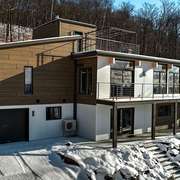
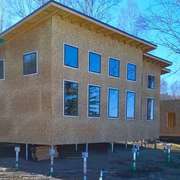
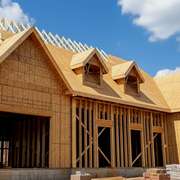
We are planning on building a cottage from a kit on an island in Quebec, its 30’x 32’ , 200’ from the lake and on a 20% slope, so drops about 6.4’. We were planning on using pier foundations off the bedrock (which is 0-2 feet below the surface) to reduce the amount of building materials that will need to be transported by barge. However I have heard there are problems with insulating the floor when using pier foundations and that a slab would be better. Also the neighbour built a similar chalet using pier foundations on the island and was asked by the municipality to fill in between the piers with concrete blocks, but I thought this might create problems with condensation. So my questions are :
1. What is the best way to insulate the floor of a cottage built on piers for a Canadian winter? 2. Should the space between the piers be filled in with concrete blocks, does this create other problems for condensation ? Does it create condensation problems? does it help with insulation / change the insulation options? 3. Is there a way to have a slab foundation is more economical in the amount of materials needed?
Thanks
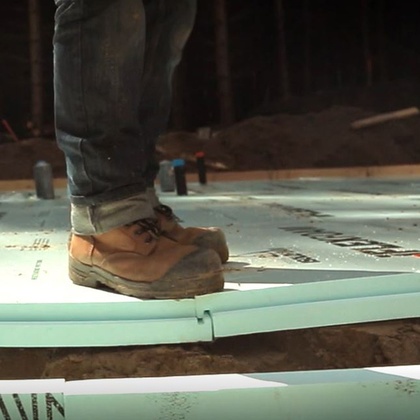


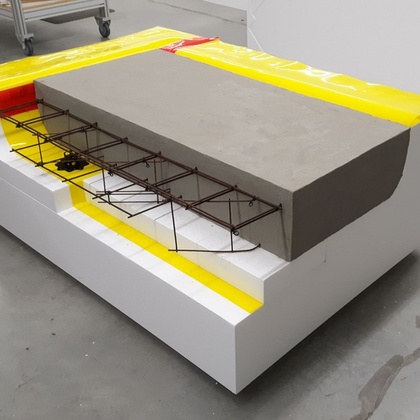

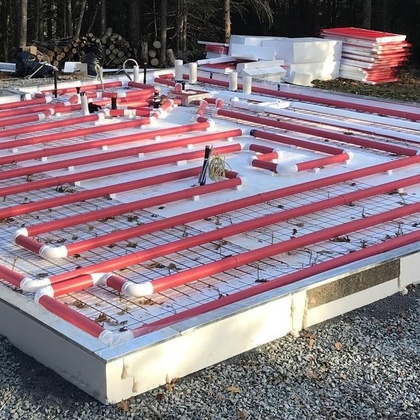


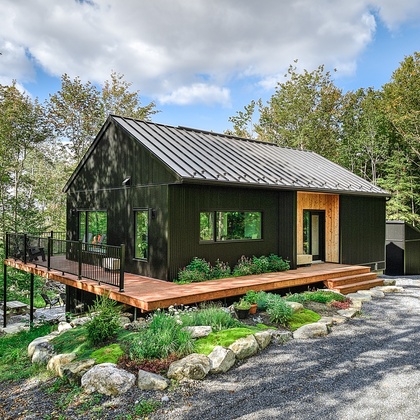



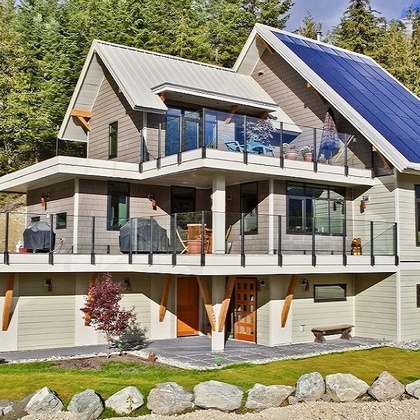







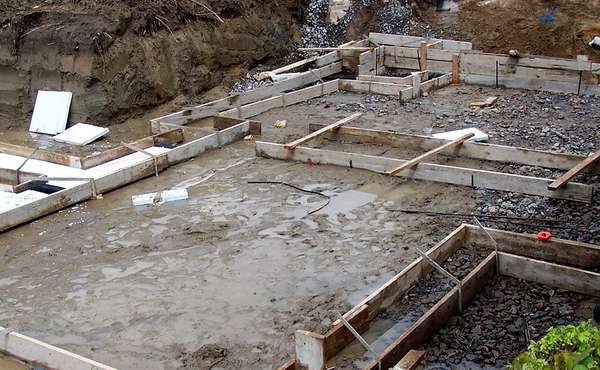
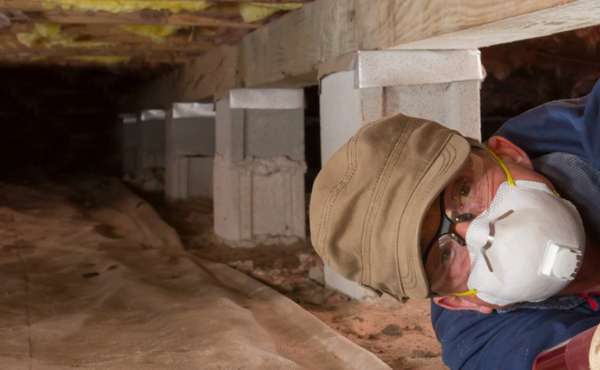

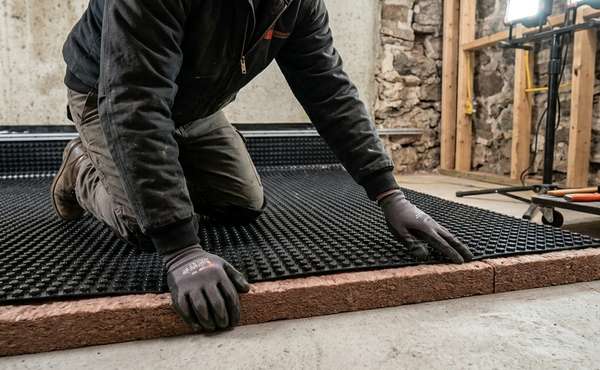
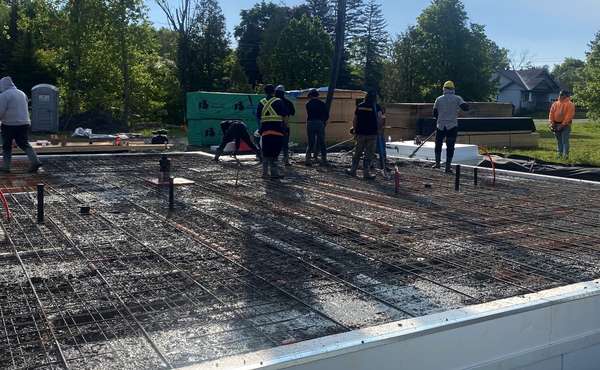
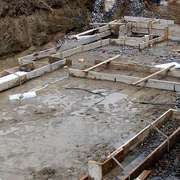
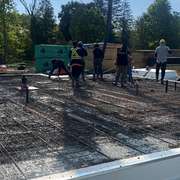
A slab on grade foundation would be my preference over building on piers for a few reasons, namely you don't expose the underside to extreme heat and cold so it reduces energy use, and you don't risk animals moving in underneath.
Screw piles are a very functional solution when necessary, just maybe not the gold standard. But here is a page outlining the pros and cons of different options and best options for insulating them whichever you choose :
Helical piles & screw piles for sustainable homes & extensions
As for insulating the floor underneath piles, here are some options:
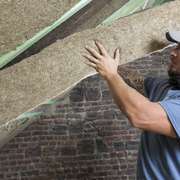
Mineral Wool: If you go with batt insulation, we would highly recommend mineral wool between joists. It is fire-resistant and hydrophobic. You must install a solid air barrier (such as plywood or a specialized membrane) underneath to prevent "wind washing" from degrading the R-value.
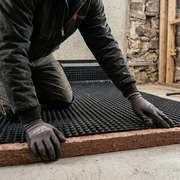
Rigid Foam: Fastening layers of rigid foam (EPS or Graphite-infused EPS) to the bottom of the joists creates a continuous thermal bridge break.
Spray Foam: This is never our favorite product as there are health concerns with spray foam in homes, but in this case it would be an exterior product so that concern goes away. Closed-cell spray foam applied directly to the underside of the subfloor and the inside of the joists is often the best performer. It acts as both a high R-value insulator and a vapor/air barrier, preventing cold air and moisture from reaching the floor.
Any of those options needs be be covered underneath to keep animals out.
To address your point about concrete blocks between piles - that sounds like a purely aesthetic concern from the municipality, and an expensive addition for no other value than curb appeal. That would be effectively turning it into a crawlspace, which is a less appealing option than piles, so if you would be forced to fill it anyway then your best option by far at that point would be a slab. The perfect basement in our opinion would be - a super insulated raft slab (frost protected shallow foundation) on top of which would be ICF block foundation.