







Rammed earth walls for homes: a homeowner's & pro's guide
Rammed earth as a building method dates back thousands of years, and in recent years, it has found its way into the world of modern design and sustainable architecture. Not only is rammed earth an efficient and natural type of wall assembly, but the final product is also striking beyond words. It's hard to know whether beauty or sustainability is the place to start, so let's appease the senses and go with beauty.
- The great thing about rammed earth walls
- What are rammed earth walls?
- History and modern revival
- Benefits of rammed earth construction
- Thermal performance and insulation
- Structural integrity and durability
- Moisture control and indoor air quality
- Rammed earth mixes and stabilization
- Construction process and formwork
- Foundations for rammed earth walls
- Design considerations and aesthetics
- Cost of rammed earth construction
- Regional considerations and building codes
- Maintenance and repairs
- The essential takeaways of rammed earth walls
The great thing about rammed earth walls
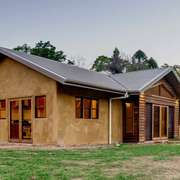
Anyone who has ever designed, or designed and built their own home, likely has a list of things they would do differently were they to do it again. I have just such a list myself, and rammed earth is on it. The curb appeal of a rammed earth home as you first see it, should not be understated.
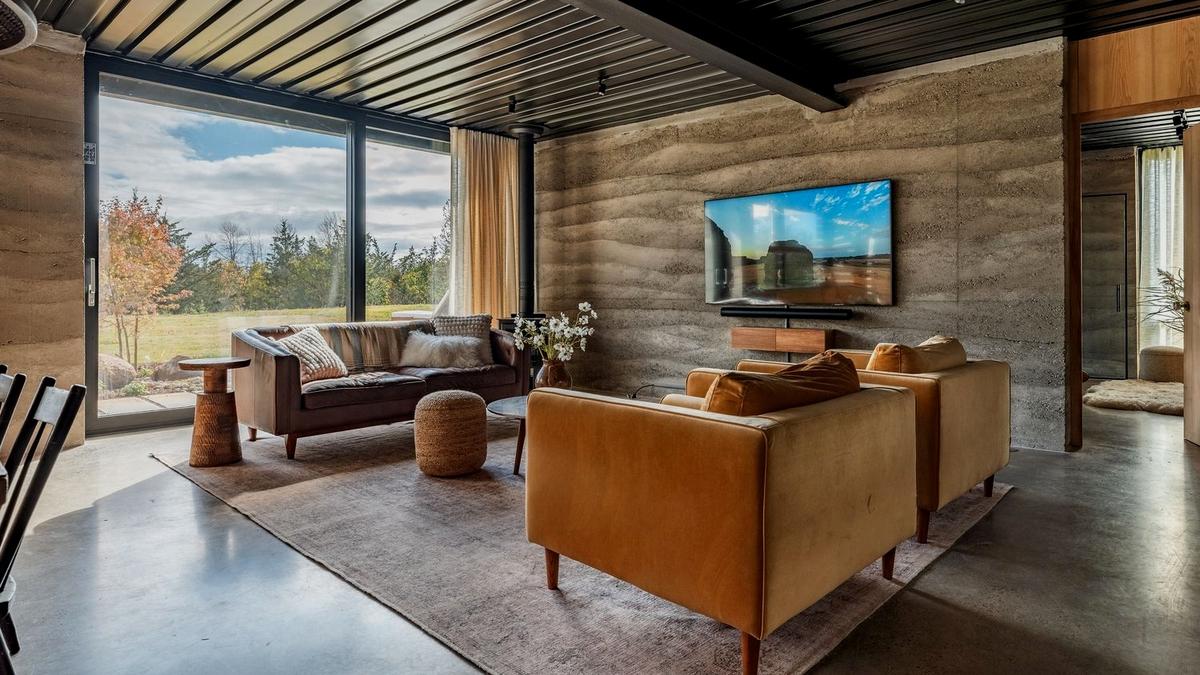
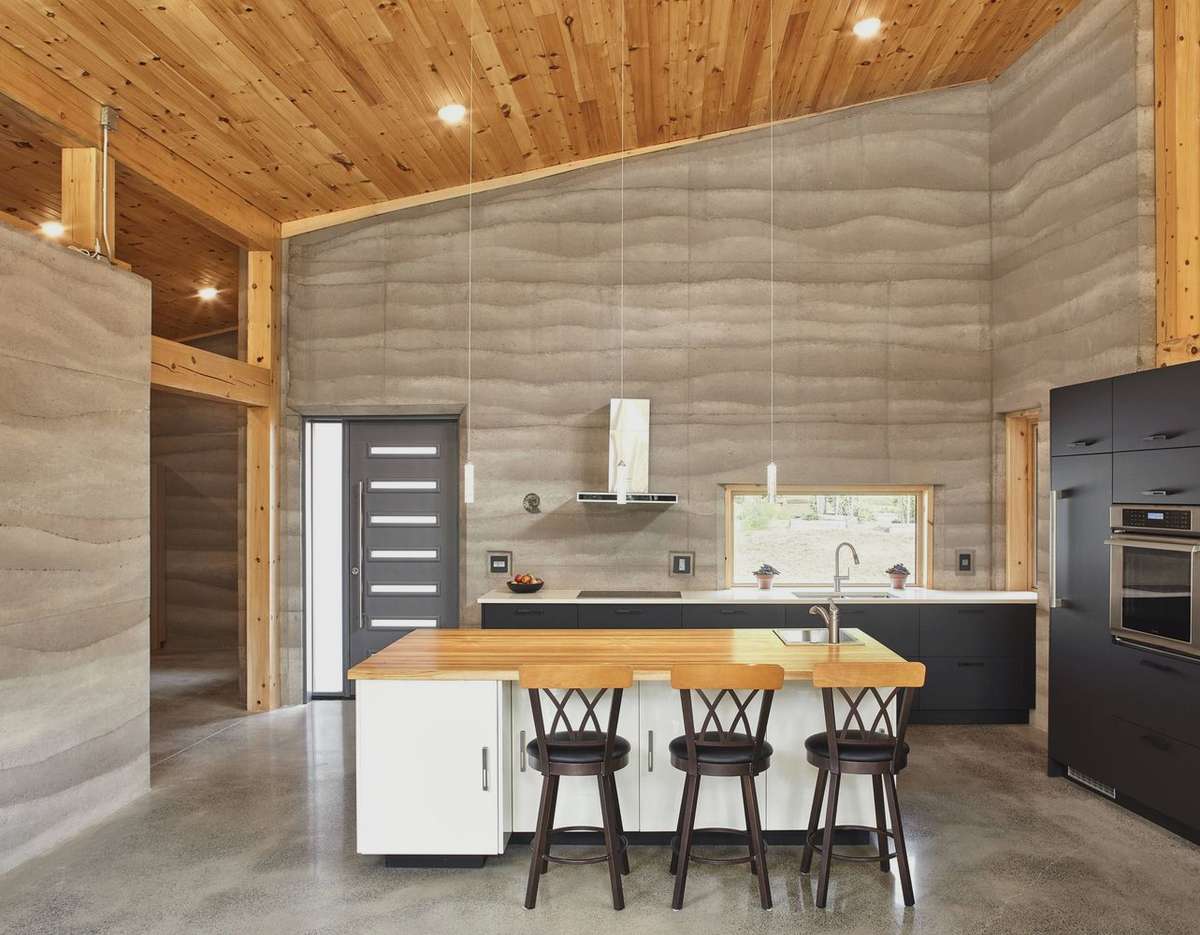
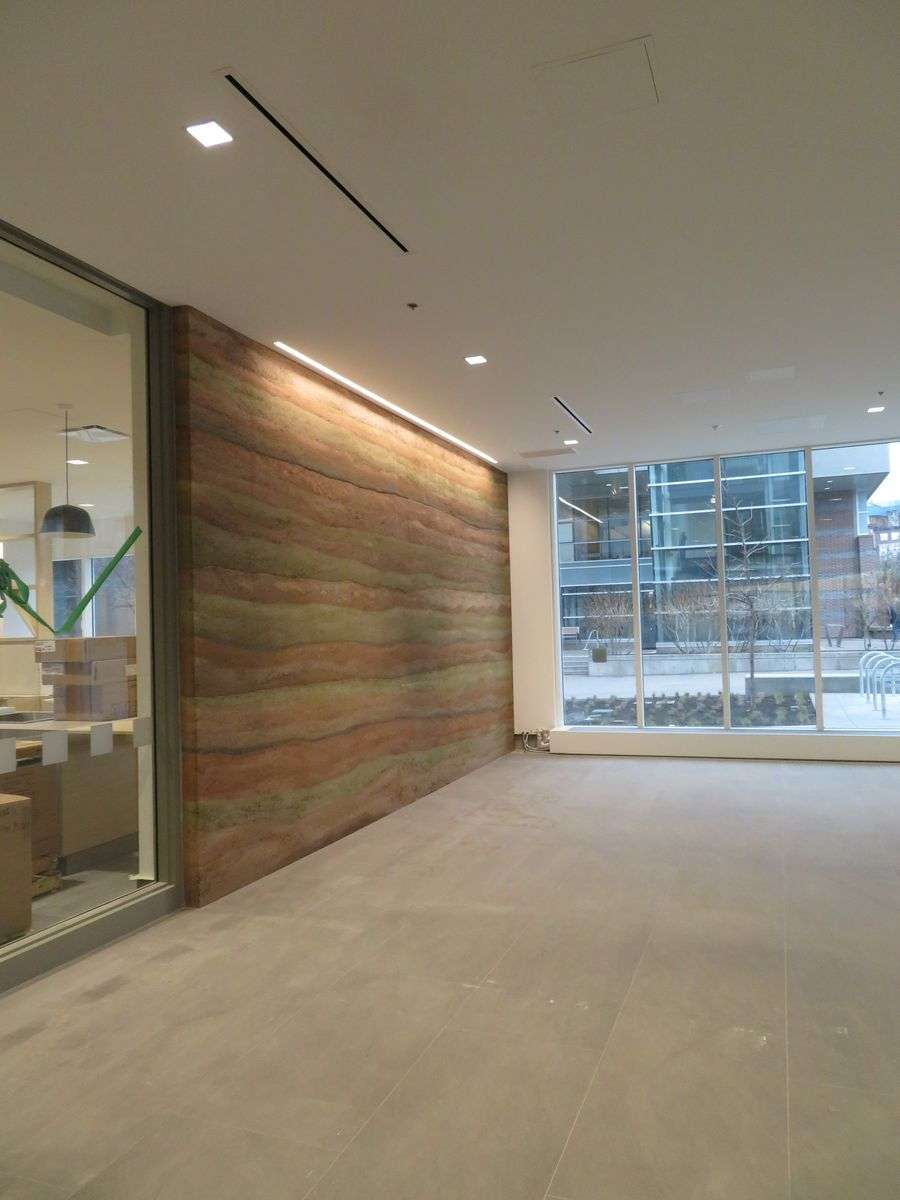
Personally, I find them as beautiful a home exterior as you will find. And the great thing is that you get that same appeal when you walk into the kitchen to make a morning coffee, since the walls can be made to look the same inside and out.
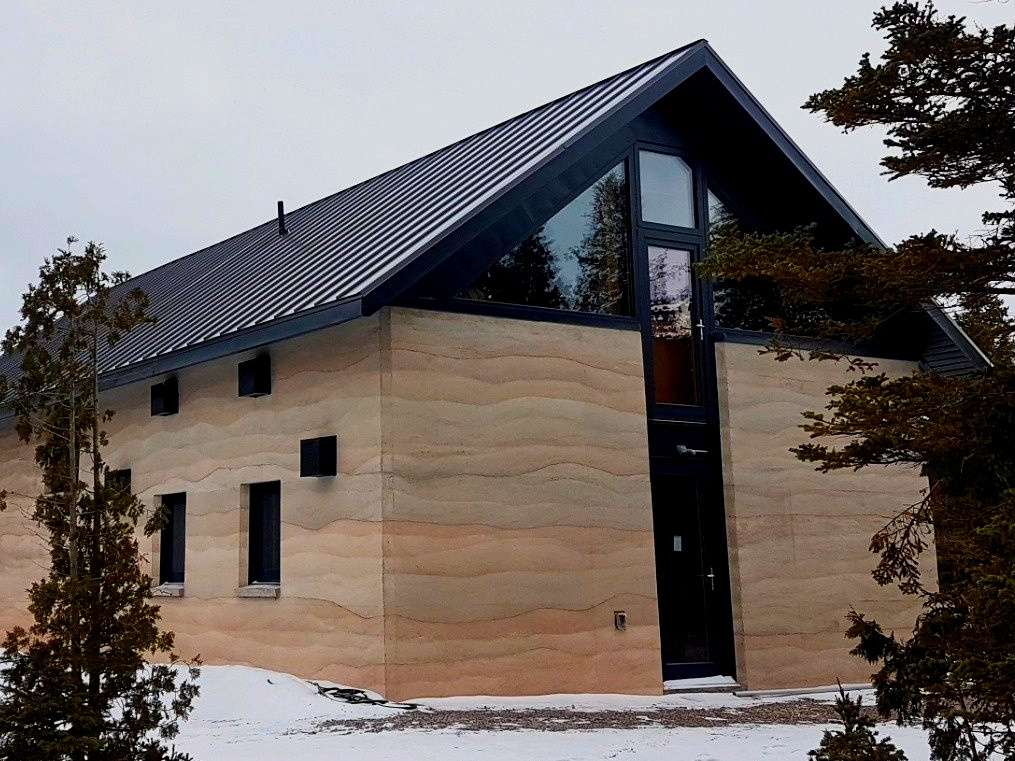
Rammed earth walls are versatile in appearance and offer a lot of room to customize the look and color. The way it can mimic nature and look like a cutaway of ocean settlement is largely what I find so appealing.
Most new homes have perfectly uniform eggshell walls ready for art to liven them up, but a rammed earth home is the artwork in itself. So that's my sales pitch in terms of aesthetics. On the practical side, this guide is to help homeowners understand how these walls work so they can find a local rammed earth builder that adheres to resilient and sustainable design principles.
Dirt in itself does not have sufficient insulation value for cold climates, so some needs to be added to the assembly in cold climates, such as the northern US states and in Canada. That can mean insulating the exterior, the interior, or the center of the wall. The center would be my preference, as it keeps the look of rammed earth on both the inside and outside of your home. There are a lot of options to cover, so let's dig in!
What are rammed earth walls?
Rammed earth walls refer to a type of wall construction made from compacted natural raw materials, including earth, chalk, lime, clay, and gravel. The process involves damp soil mixtures poured into temporary formwork or molds that are then mechanically compacted in layers.
Once cured, rammed earth walls possess significant structural strength along with the distinctive layered appearance. The beauty of rammed earth lies in its simplicity and reliance on readily available natural resources.
An idea worth exploring with a builder would be the option of using materials extracted from your own land during excavation. This practice lends itself well to the idea of integrating the home with the natural landscape.
History and modern revival
Rammed earth is an ancient building technique with a history spanning thousands of years, with structures found on every continent except Antarctica. From the Great Wall of China to old European farmhouses, rammed earth walls have been a common building method for many centuries.
Historically, its application involved manual labor, making it a time-intensive process. The modern revival of this building method can be attributed to a growing demand for natural, non-toxic homes and more eco-friendly building practices, aided by modern technology. Pneumatic tampers and sophisticated formwork systems have made the construction process more efficient, precise, and affordable.
Benefits of rammed earth construction
Rammed earth offers a compelling array of benefits for homeowners and professionals alike, and aligns perfectly with sustainable green building principles.
- High thermal mass: One of the most celebrated attributes of rammed earth is its exceptional thermal mass. Similar to concrete or brick, these dense walls absorb heat during the day and slowly release it at night. This moderates indoor temperatures and reduces the need for active heating and cooling.
- Durability and longevity: Properly constructed rammed earth walls are incredibly durable. They are resistant to pests like termites, they are naturally fireproof, and can withstand significant loads.
- Natural aesthetics: The layered appearance and inherent earthy tones provide a unique and beautiful aesthetic. The raw, exposed surfaces create a striking visual and tactile experience, connecting the home to its natural surroundings.
- Non-toxic and healthy indoor air quality: Composed primarily of natural earth, rammed earth walls are inherently non-toxic and do not off-gas harmful volatile organic compounds (VOCs). Walls containing clay can also effectively regulate indoor humidity.
- Soundproofing qualities: The sheer density and thickness of rammed earth walls make them excellent sound insulators, providing a quiet and peaceful interior environment.
- Low embodied energy (if unstabilized): When using locally sourced earth and minimizing the use of stabilizers like cement, rammed earth construction boasts very low embodied energy compared to conventional building materials.
Thermal performance and insulation
The high thermal mass of rammed earth walls offers a significant advantage for balancing interior temperatures, but this must be paired with insulation in most climates. While excellent at storing heat, the R-value of earth itself is very low (between R-0.2 and R-0.6 per inch). To prevent heat loss and to take advantage of its significant thermal mass to help regulate temperatures, additional insulation is required.
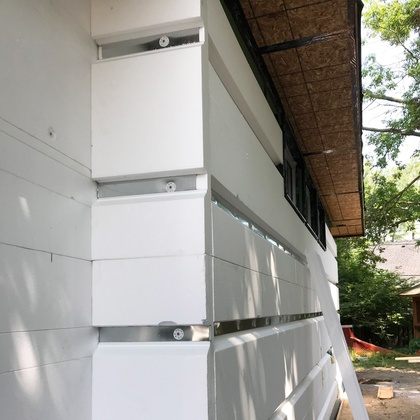
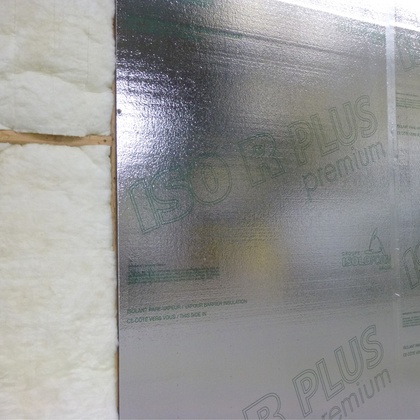
- Insulated Rammed Earth (IRE): This involves incorporating a layer of rigid insulation within the wall assembly. Materials such as expanded polystyrene (EPS) foam, rigid fiberglass panels or rigid mineral wool boards are commonly used. This creates an interior and exterior layer of rammed earth separated by insulation, providing both thermal mass and a high R-value, which is the preferred method.
- External or Internal Insulation: Applying a layer of continuous insulation to the exterior or interior of the wall is another method, though this sacrifices the exposed rammed earth aesthetic on one side.
Knowing your climate zone is essential for determining the appropriate level of insulation. A good rule of thumb for high-performance homes is to double the R-value required by your local building code.
Structural integrity and durability
Rammed earth walls are exceptionally strong and durable, capable of withstanding significant compressive loads comparable to or even exceeding some concrete mixes. This strength allows them to serve as load-bearing structures for multi-story homes.
However, rammed earth does require protection from prolonged exposure to water. Proper detailing is critical to ensure long-term durability, including generous roof overhangs and robust foundations. In seismic zones, reinforcement with rebar, wood, or bamboo can be incorporated into the walls to enhance their resistance to earthquake forces.
Moisture control and indoor air quality
Moisture management is paramount in rammed earth construction, but the material's natural breathability is a major asset for indoor air quality. Rammed earth must be protected from direct and prolonged water exposure. Strategies include a robust foundation that lifts the wall above ground level and generous roof overhangs.
Any finish applied to the exterior should be breathable to allow the wall to dry outwards. Read about foundation moisture protection techniques here, because the choice of insulation determines the vapor profile. A 6-inch layer of EPS foam in the wall core can act as a vapor barrier, while mineral wool will not.
The natural composition of rammed earth contributes to excellent indoor air quality, free from VOC off-gassing, and its ability to regulate humidity minimizes the risk of mold growth.
Rammed earth mixes and stabilization
The quality and performance of a rammed earth wall depend heavily on the soil mix composition, which can be either raw or stabilized. Ideal soil consists of a balanced blend of gravel, sand, silt, and clay. Soil testing is a critical step to determine the optimal mix design.
- Raw (unstabilized) rammed earth: This traditional form uses only natural earth, relying on the clay content for cohesion. It is the most environmentally friendly option but may require more robust protection from moisture.
- Stabilized Rammed Earth (SRE): To enhance strength and moisture resistance, a small percentage of a stabilizer like Portland cement (5-10%) or lime is added to the mix. While stabilization enhances performance, it also increases the embodied energy of the material.
Construction process and formwork
The construction of rammed earth walls is a specialized process that requires precision and experience, involving formwork, soil preparation, and compaction. Rigid formwork, typically made from plywood or steel, defines the shape of each wall section. The prepared earth mixture, with a moisture content of around 10-15%, is deposited into the formwork in layers (or lifts).
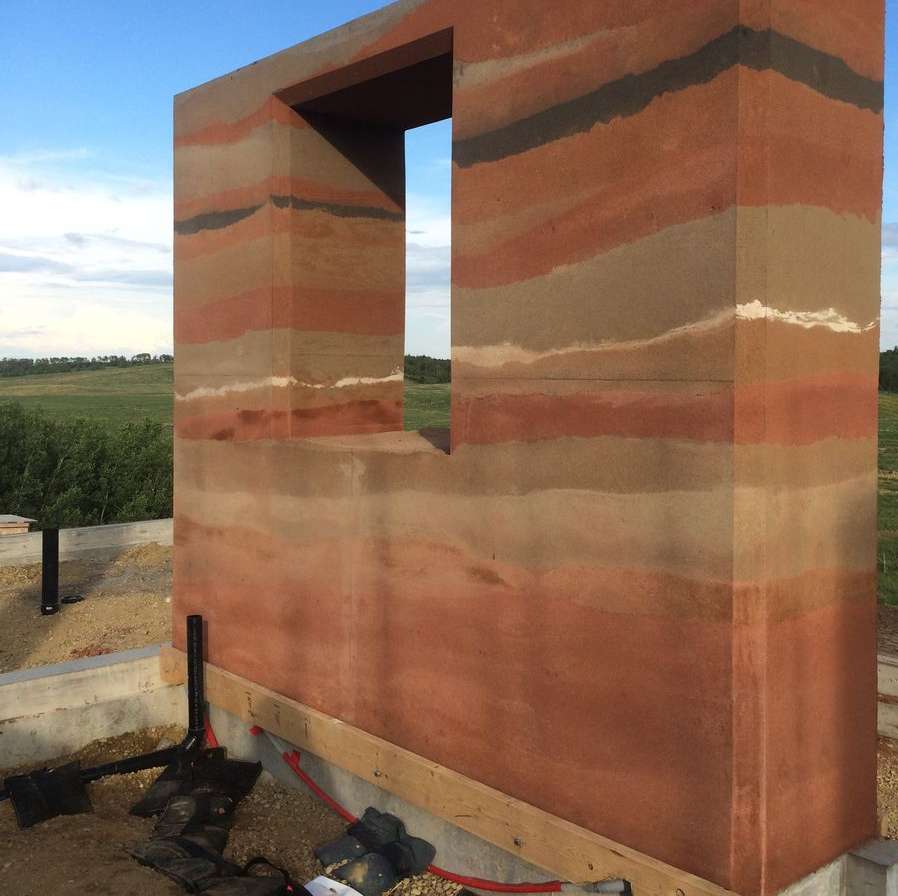
Each layer is then compacted to approximately 50% of its original volume using pneumatic tampers, which creates the characteristic striations. Once a section is compacted, the formwork can often be removed immediately and the process is repeated. The walls then gain strength as they cure over several weeks or months.
Foundations for rammed earth walls
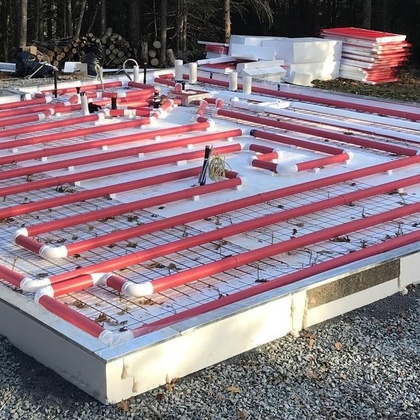
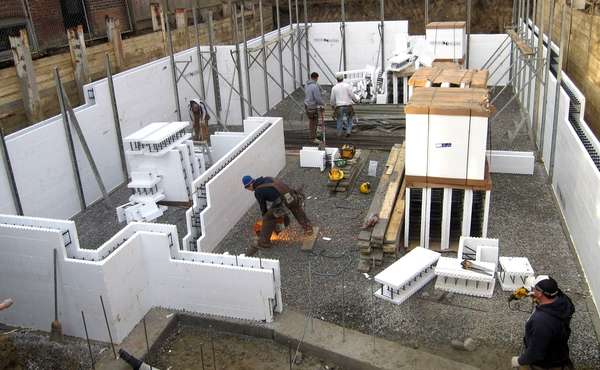
A strong and dry foundation is paramount for rammed earth walls, as they are heavy and susceptible to moisture from the ground. A capillary break (waterproof barrier) must separate the walls from the concrete footings. The foundation must be designed by a structural engineer to support the significant weight.
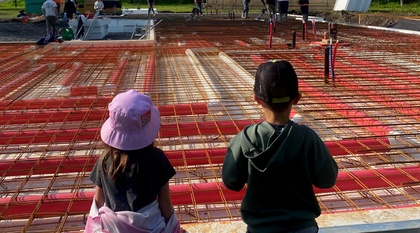
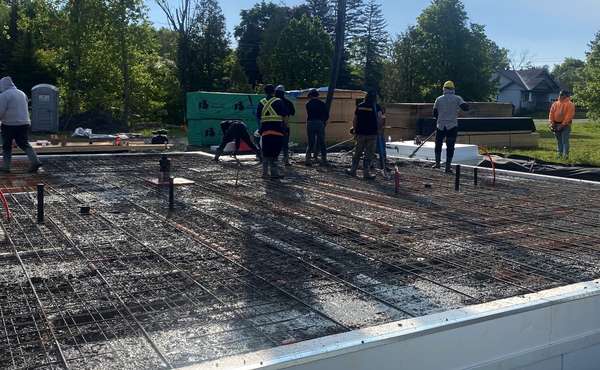
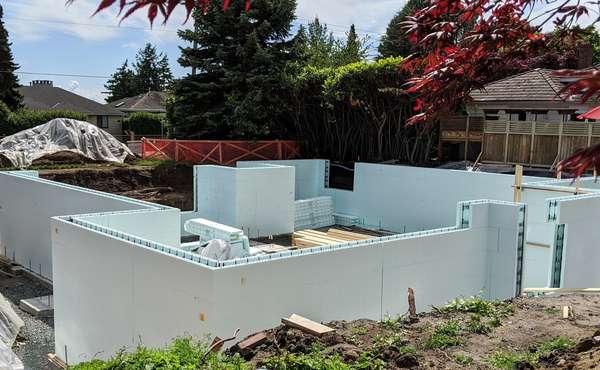
Rammed earth buildings are heavier than conventional stick-framed walls but often weigh less than Insulated Concrete Forms (ICFs). And like ICFs, they can be built on either a basement foundation or a slab on grade.
Design considerations and aesthetics
Rammed earth offers unique design opportunities due to its inherent material qualities and aesthetic appeal. The beauty of rammed earth is often maximized by leaving the interior and/or exterior surfaces exposed, showcasing the natural layers and colors of the earth. The color is determined by the soil used, but natural pigments can be added to expand the palette.
Rammed earth pairs beautifully with other natural materials like timber, stone, and glass. For passive heating and cooling design, the placement of rammed earth walls is critical to maximize their thermal mass benefits.
Cost of rammed earth construction
The cost of building with rammed earth can vary significantly depending on several factors, including your region, labor availability, and design complexity. The availability of skilled builders and suitable local soil will heavily influence costs. Adding stabilizers and insulation will increase the price, as will intricate designs with many corners or curves.
While initial construction costs for rammed earth are often comparable to or slightly higher than high-quality conventional masonry, the long-term life-cycle benefits such as reduced energy bills, low maintenance, and exceptional durability can offer significant savings.
Regional considerations and building codes
Building with rammed earth requires careful consideration of regional climate, seismic activity, and local building codes. In North America, its adoption in colder or wetter climates necessitates robust insulation and moisture protection strategies.
Rammed earth construction has an historical precedent in the UK, while in Australia & New Zealand, there is a well-established but more modern tradition. Building codes in some regions may not have specific provisions for rammed earth, which is why it is so important to check with your permitting office before you get too far into any building design.
Maintenance and repairs
One of the advantages of rammed earth walls is their relatively low maintenance requirement once they are properly constructed and cured. Ensuring that roof overhangs, gutters, and drainage systems function effectively to divert water away from the walls is the primary maintenance task. Minor blemishes can often be repaired using the same soil mixture as a plaster.
While hairline cracks from drying are normal, larger cracks should be inspected by a professional. Compared to conventional walls, rammed earth requires far less ongoing maintenance, contributing to its long-term sustainability.
The essential takeaways of rammed earth walls
The essential takeaways for rammed earth walls are that they offer a compelling blend of sustainability, aesthetic beauty, and long-term performance for modern homes. Their inherent thermal mass, durability, and non-toxic composition make them an attractive choice for eco-conscious homeowners.
The key to a successful project lies in a design that respects the material's need for moisture protection, a well-formulated and tested soil mix, and construction by experienced professionals. The aesthetic appeal of this building method invites longevity, because we take better care of things we love. Creating beautiful homes that also work well and are sustainable is firing on all cylinders in our opinion.
When designing a climate-resilient home, choosing carbon-smart insulation for new builds is just as important as the high-efficiency heating system you install.
Now that you know more about rammed earth walls, find more info about sustainable building materials & green building techniques in the Ecohome Green Building Guide and these pages below:
-
How to build a slab-on-grade
-
Choosing the right insulation for your home
-
Why Earthships don't work in cold climates
-
Thermal batteries: how to passively store heat
-
Living green walls - do they work for cleaning and filtering air?













Comments (0)
Sign Up to Comment