

How to build an off-grid eco-community:
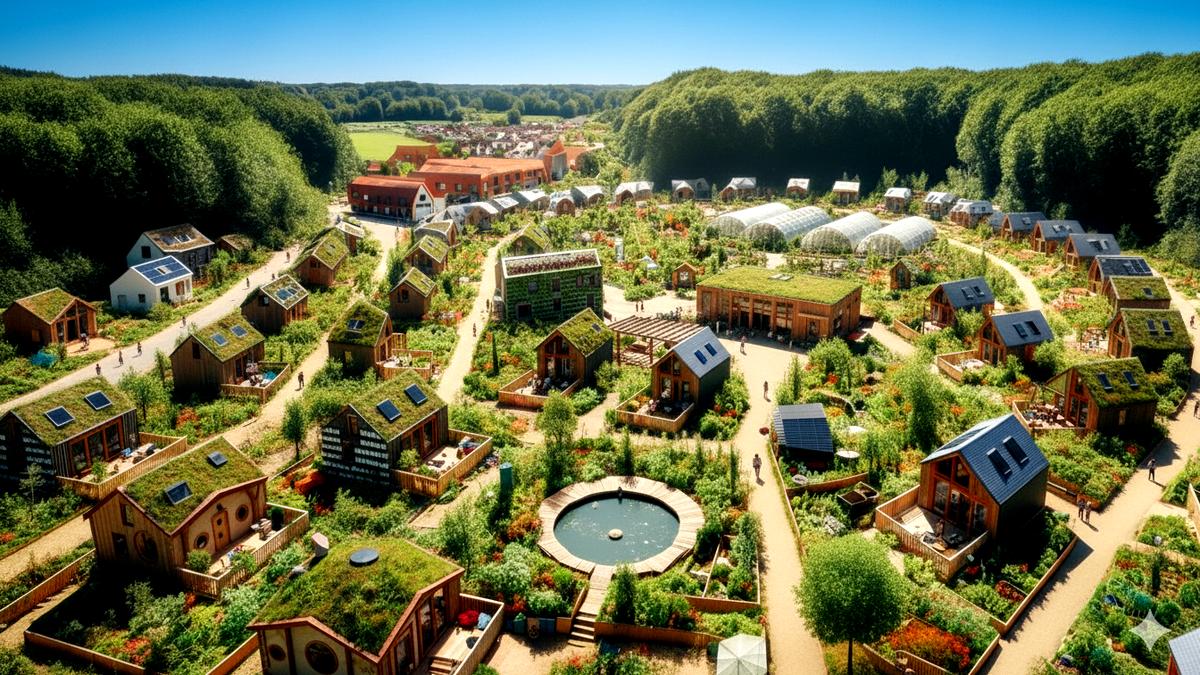
Eco-community building, where groups of like-minded people come together on a plot of land to create a sustainable homestead that shares resources is not a new thing. Communes, as an example, became a pop culture phenomenon in the 1960s for those looking to live off the grid and away from mainstream society.
Given the challenges of climate change and geopolitical instability across the globe, there is rising anxiety in society and many people are looking for more security wherever they can find it. One of the results is that the romantic and more nature-oriented societal structure of small-scale community building is seeing an increasingly strong resurgence.
Some are turning to more individual lifestyle strategies, like resilient home design, food production at home or home renewable energy systems, and some to community building projects. The umbrella of 'eco-community' can cover anything from a developer creating a development of green homes to an off-grid co-op housing community, or even a group of preppers building bunkers and stockpiling ammo for the zombie apocalypse. We don't know much about fending off zombies, we can help with everything else.
Building an eco-community is a complex, multi-stage undertaking that requires careful planning, robust legal structures, and a dedicated team of like-minded people. This definitive guide provides a step-by-step protocol for developing a successful ecovillage, whether that is a development accessing urban infrastructure, or for building a remote off-grid fully self sustaining community.
If you're curious about or directly working towards creating a more resilient lifestyle and living situation, please use that spirit and help us develop a conversation around it. We want to explore this trend, and create a road map for those looking to move towards any of the different models of resilient community building for cohabitation. There is a comments section at the bottom where we would love to hear about any existing projects, or those in planning or under construction.
This guide provides a comprehensive look at the key aspects of this topic. Below is an overview of the sections we will cover, allowing you to jump directly to the information you need.
- Finding the right people and defining your community charter
- Securing the land and checking legal feasibility
- Design balance: communal spaces versus private spaces
- Equitable ownership models and financing options
- Communal tool sharing and resource management
- Food production and community resilience
- Living far from services: off-grid systems and site selection
- Creative off-grid energy generation and energy saving tips
- Off-grid generation and storage of heat
- District energy - community heating solutions
- Envelope first - building the most resilient and efficient home
- Earthships in cold climates - do they work?
- In brief: the eco-community action plan
Finding the right people and defining your community charter
The most important resource in any community project is its people. But if you're here reading this, you have likely already floated the idea past a few friends or family members. An eco-community is a social experiment as much as a green building project, so you need to curate your group carefully. Clarity on shared values from the start is non-negotiable for long-term success.
The initial phase involves articulating an overall vision of what sort of lifestyle your group hopes to achieve, and identifying the core principles that will govern all future decisions.
Defining your community charter and values
The community charter is your foundational document. It should explicitly define:
1) Ecological commitment: Examples can include buildings that achieve net-zero energy, renewable energy production, waste management and food production.
2) Social structure: The decision-making process, conflict resolution, spelling out the scope of resource sharing.
3) Financial model: Determining the division of shared costs, equity buy-in, etc. For a developer, this charter forms the essential design brief, providing non-negotiable performance targets and aesthetic guidelines. For homeowners, it acts as a screening tool for prospective members, ensuring philosophical alignment. See here to learn what green home building grants and tax incentives are available to you.
Securing land and confiming the legality of community building
Finding the right parcel of land is a careful balance of factoring the ideal location, local available resources, and legal suitability. Land for an off-grid community needs to be assessed not just for buildability but for its capacity to sustain life and energy production.
This first step determines if a site is legally viable, and if it requires an environmental assessment. Some features are ideal to have but may not be deal breakers, however, you should at least have suitable workarounds. Things that are beneficial in a building lot can be:
- High ground away from any flood risk
- Suitability for passive heating and cooling orientation of buildings
- Natural resources - sufficient water, wood for heating, rich soil, and direct sun exposure food production
- Proximity to services - hospitals, fire departments, schools, building supplies
See here for a complete guide on what to look for when buying a building lot.
Critical regional variables apply here:
- North America (US & Canada): Zoning (agricultural vs. residential), building codes (often complex for non-conventional structures like cob, straw bale or rammed earth homes), and local permitting for independent septic and well systems are key. Ensure the acreage is large enough to satisfy setback requirements for multiple private dwellings.
- UK: Planning permission is notoriously strict for new rural developments (e.g., ‘Paragraph 80’ or ‘Paragraph 84’ houses). Seek specialist planning consultants familiar with eco-village precedents.
- Australia & New Zealand: Focus on bushfire/wildfire risk assessments (BAL rating) and water harvesting regulations, which can vary significantly between states and territories.
Design balance: communal spaces and private spaces
Successful eco-communities maximize resource efficiency and social cohesion through strategic architectural and land-use design. The community design must clearly delineate between private, semi-private, and communal areas.

Zoning for a resilient lifestyle
- Private dwellings: Members typically own or lease a small plot for their personal home, often in a higher density cluster to maximize open space.
- Communal hub: This is the heart of the social and mechanical life. It usually includes a large kitchen, dining/meeting hall, laundry facilities, a shared workspace/office, and guest accommodation.
- Shared productive land: The largest area, dedicated to agriculture, water harvesting, forests, and utility infrastructure (e.g., solar arrays, composting systems).
Equitable ownership models & financing options
The legal framework for land ownership is often the most challenging aspect of forming an eco-community. The model you choose will dictate financing and long-term equity. Note that traditional banks may be wary of non-standard legal or building structures.
Common ownership structures for eco-communities
- Co-op or Strata Title: (US: Condominium Association, UK: Commonhold): Each member owns their private dwelling and a share of the common land and buildings. This structure is typically bank-financeable but can create tension over private versus common responsibilities.
- Community Land Trust (CLT): The land is owned by a non-profit trust, and members own or lease their homes (often via a long-term, renewable ground lease). This model keeps the land perpetually affordable and prevents speculative resale, ensuring the community’s original mission is protected. CLTs are often preferred by eco-communities committed to long-term affordability and ecological stewardship.
- Limited Liability Company (LLC) or Partnership: A simpler structure where all land and assets are jointly held, often used for smaller, more fluid groups. It offers maximum flexibility but exposes members to collective risk and may complicate individual financing.
Financing the build
The upfront costs - land acquisition, infrastructure (roads, wells, septic fields, power systems) - can be significant. Banks may require a single borrower entity (the Co-op or LLC) rather than a collection of individual mortgages. Homeowners should look into regional incentives and grants; you can find more information about green building tax credits and home renovation grants in your area to offset high-performance building costs.
Communal tool sharing & resource management
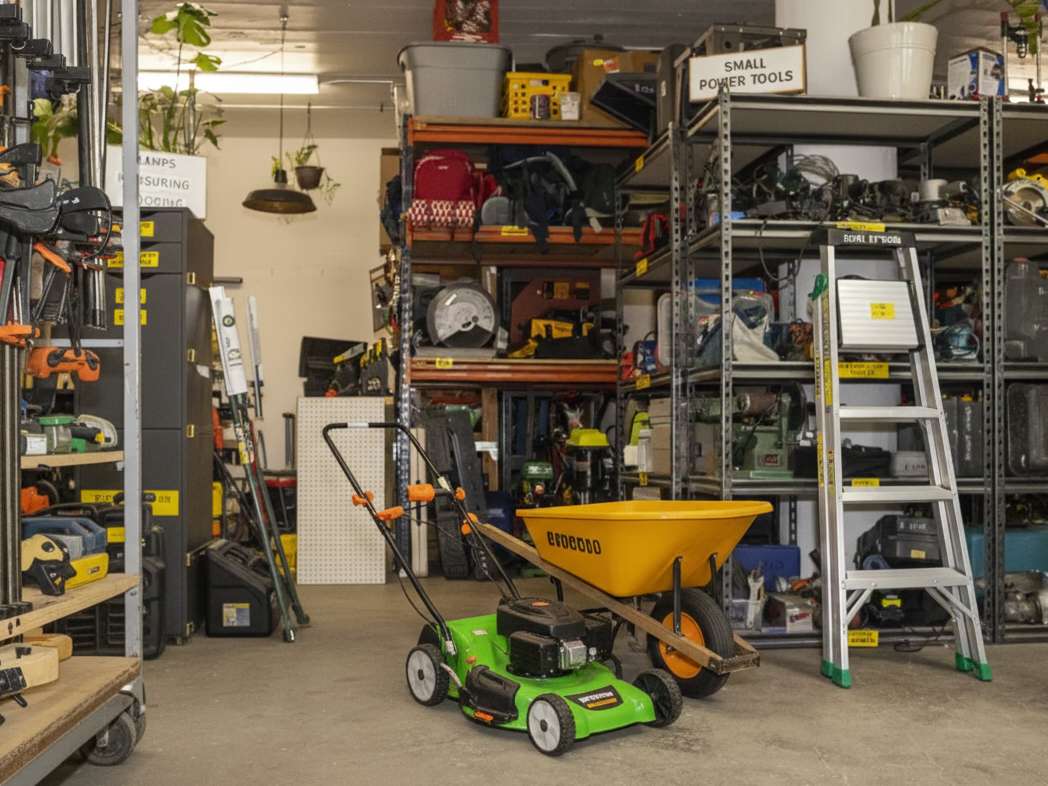
One of the great efficiency gains in community living is the pooling of expensive or infrequently used tools and machinery. This practice is a practical expression of your eco-friendly charter, reducing consumption and waste.
Establishing a tool and equipment library
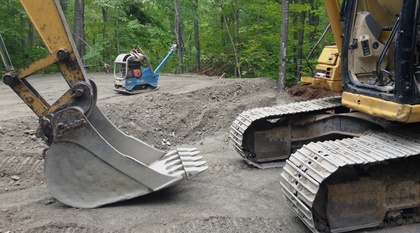
We don't all need one of everything. You may go years without needing an extension ladder, a chimney brush, a mini excavator or a pressure washer. Sharing ownership of expensive specialized tools is a huge benefit, because assets are purchased once and shared, greatly lowering the cost of entry and maintenance.
A designated, secure workshop and a simple sign-out protocol are essential. This concept extends beyond tools to shared community vehicles, greenhouses, and large food processing equipment (canners, dehydrators). But this is just basic common sense really, and it's something that can be arranged by any neighbourhood group or even just happen organically as neighbors get to know each other and help with each others projects.
Sharing the construction burden
In the construction phase, a community can share labor for common infrastructure like roads, water lines, and the common house. This collective effort, known as a 'barn-raising' model, can dramatically reduce hard costs for the initial development.
Food production & community resilience
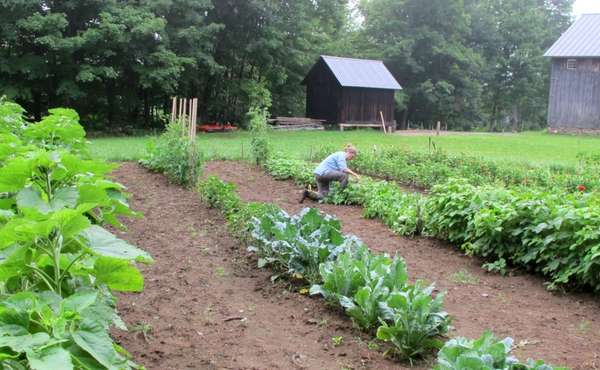
Food sovereignty - the community's ability to produce a significant portion of its own food is a key pillar of resilience. There are two ways to achieve this, either by large plots of land dedicated to food production, and/or smaller individual garden plots and food forest, where edibles are planted wherever they grow best. Harvesting wild foods such as berries, fruit, root vegetables, mushrooms, etc. combined with personal garden plots can significally contribute to the food supply harvested from centralized growing areas.

Here are some of our more pertinent guide pages for growing your own food:
- Which greens and vegetables grow best in the shade?
- How to build a lasagna garden
- A guide to growing edible perennials
- How to build a keyhole garden
- How to build a 4-season greenhouse in a cold climate
- Backyard composting - how to turn food waste into useable soil
Growing food is only the first step. An eco-community looking for as much autonomy as possible will need to store harvests over winter. Learn how to build a root cellar / cold storage room here.
Integrated food systems
The most successful communities employ a diversified strategy:
- Permaculture design: Utilizes the land's natural contours and resources to create low-maintenance, high-yield systems.
- Market gardens: Centralized, highly productive plots managed by a community farmer or shared labor for staples.
- Greenhouses and cold frames: Essential for extending the growing season in northern climates (e.g., North America, UK). Consult our guide on the 7 top principles to building an operating a high producing greenhouse.
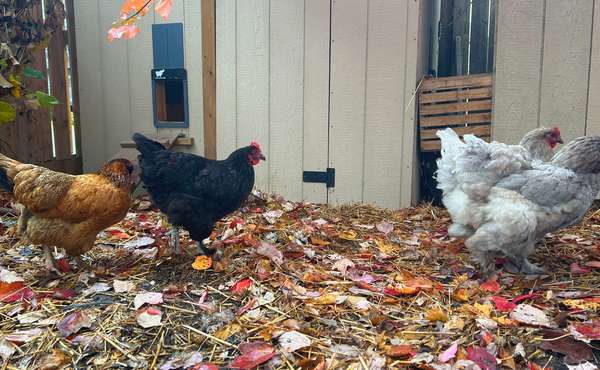
- Livestock: Communal chicken coops (for eggs), beehives (for honey), and grazing animals are common.
Managing the yield can be done through a shared bounty system, a co-op store, or a work-trade model, ensuring equitable distribution.
Services: off-grid systems & site selection
The farther your community is from municipal services, the greater your need for robust, decentralized infrastructure. This is where professional-grade engineering and resilient design principles come into play.
Energy and mechanical autonomy
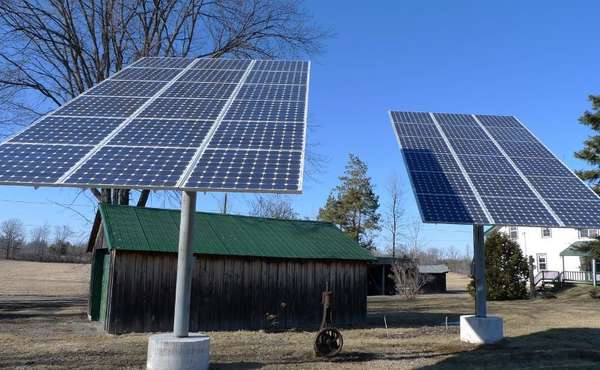
An eco-community requires a highly efficient energy strategy. While an individual home can use a small off-grid solar system, a community often opts for a microgrid - a single, integrated system that distributes power to all dwellings.
- Energy generation: A combination of photovoltaics (PV) and micro-wind turbines is often used for redundancy. Batteries for home power storage are crucial for night-time and low-sun periods.
- Water: The primary source is typically a shared, high-flow well or rainwater harvesting system (cisterns). This is paired with graywater recycling systems for irrigation to conserve the potable supply.
- Waste: Centralized composting systems (for organic waste) and communal composting toilets can eliminate the need for large, traditional septic fields and turn waste into a resource.
Professionals should prioritize high-efficiency components; see our guide on off-grid living appliances and mechanical systems for details on minimizing energy consumption.
Off-grid energy generation & energy saving tips:
Living off grid successfully requires a commitment to ingenuity and creative use of energy and other resources. Most of us could learn a thing or two from homeowners living off grid that could easily be applied to normal urban lifestyles. Here is a list of some arguably brilliant concepts that offer a level of comfort and amenities:
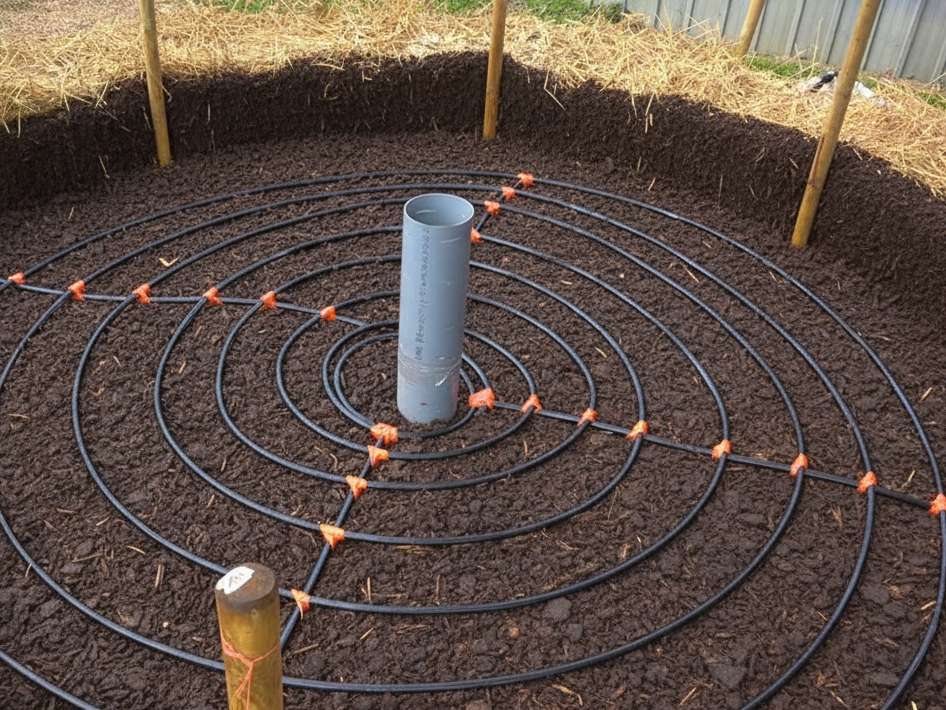
Compost pile water heaters: A lot of heat is generated by animal and food waste as it decomposes. Here is how to harness the heat in your compost to generate domestic hot water.
DIY homemade solar air heaters: Building your own solar air heater from cheap or scrap metal offers abundant free heat.
Off-grid laundry solutions: A foot-pedal washing machine that needs no electricity and uses very little water
Bicycle generator: This pedal-powered bicycle generator requires a fair amount of energy for what it produces, but imagine if you hooked up an entire spin class to one of these.
Homemade laundry soap: Make your own laundry detergent from chestnuts / buckeyes
Solar heated water: There are many simple ways to harness the suns heat for water heating, learn how to build your own solar hot water heater.
Off-grid generation & storage of heat:
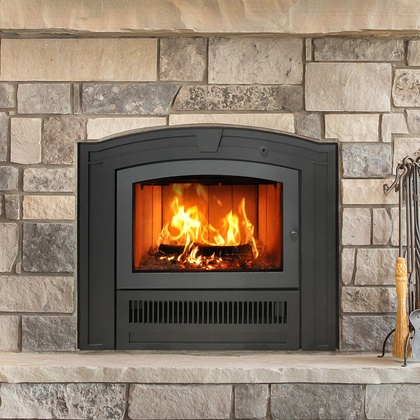
Heating homes with wood is often the easiest and most reliable heating solution for off grid living. A typical high efficiency wood burning stove offers radiant heat while a fire is burning, and only for a short period of time afterwards.
For eco-communities in cold climates that don't intend to be grid-connected, a reliable source of heat is essential for success and survival. Having an endless supply of wood on a large plot of land is obviously not an argument for wasting it. So be sure to build efficiently, if for no other reason than you will need to cut, split, stack and carry all your heating fuel, so be kind to the forest and your back.
The most efficient ways to burn wood for heating homes includes storing heat in thermal mass. To that end, there are three main types of wood heating systems that are a level up from the average wood stove:
Masonry stoves. A wood burning masonry heater channels smoke through a large mass of stone to capture heat from exhaust before it leaves the building envelope.
Rocket stoves: Similar to masonry wood stoves but a bit more organic - here is our DIY guide to build a wood burning rocket mass heater
Pellet stoves: Most pellet stoves require power to run the hopper that feeds fuel into the fire. We found these off grid pellet stoves that don't need electricity to operate. There may be more out there, so if you find one not on the list please let us know so we can update the page, and if you have one and can offer feedback on how well it functions please drop us a comment at the bottom.
District energy - community heating solutions
Beyond personal and individual energy generation solutions, a large off-grid green living community may want to look at a more community-wide energy generation solution. District energy systems generate energy and heat at centralized stations and distribute it thoughout communities.
There are of course losses as you attempt to distribute heat over distances, so there are of course limitations to how large an area a single station can provide. District energy can be produced in any number of ways, including solar, burning biomass or geothermal heat collection.
You can of course include wind and hydroelectric power generation in that list, but those are less common in most cases, but may become more viable with resource sharing communities. Generating hydroelectricity could be a viable option when a community invests together, assuming of course you have a suitable 4-season supply of moving water.
Wind is unreliable and effective wind power generation happens more on a larger scale. some small scale individual wind turbines have proven to be more of a gimmick that a viable energy generation solution, so we strongly suggest check the fine print for predicted power generation before making any purchases.
Here you can read about district energy systems - what they are and when they make sense.
Envelope first - building the most resilient and efficient home
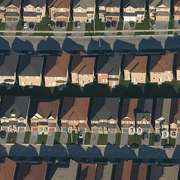
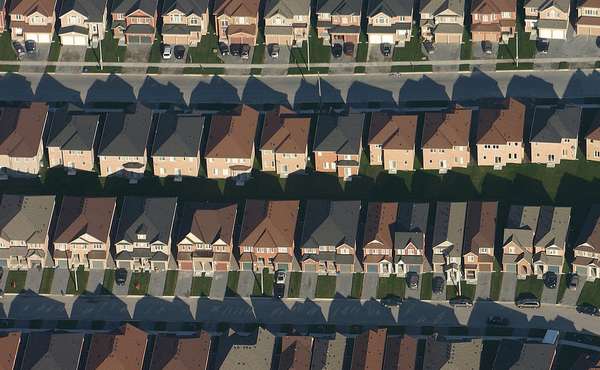
The term 'envelope first' refers to making heat retention the top design priority rather than heat generation. Code-built tract homes in cities generally put minimal investment into the building envelope (insulation, passive heating, window quality and air sealing), to save on upfront costs and mazimize profits. This benefits the builder at the expense of the homeower who will pay higher bills.
This philosophy relies on the endless supply of energy (however costly) whether that is gas or the power line feeding your house. When you step into the arena of off-grid living, your power will likely cost you more if your source of power is something other than grid-fed power, and every watt of energy can be exponentially more expensive to attain.
When you are heating homes and water with solar panels, the infrastructure cost alone makes the best argument for efficient design and material selection. Spending a few extra dollars for a low-flow shower head as a very simple example, is a lot cheaper than increasing the size of a solar array to accomodate water-wasting fixtures.
Earthships in cold climates - do they work?
One of the biggest pop culture sensations in off-grid green home building is the Earthship, which is marketed as an eco-friendly self-sustaining home design. There is some greenwashing in there so we feel it is very important to address that design specifically.
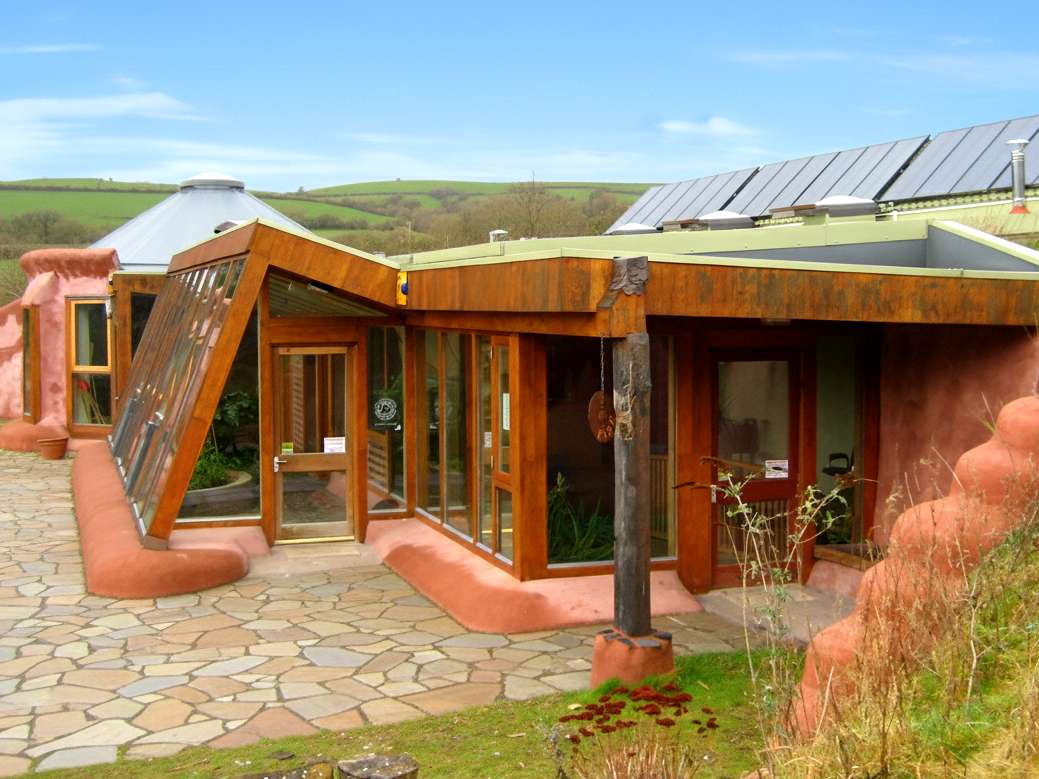
There is some good things about it, providing you're not too picky about temperature consistency in your home. An earthship can work reasonably well in very specific hot and dry climates, but it fails miserably as a design concept in cold and humid climates.
We are strongly in favor of designing your home for passive solar heat collection, but there are claims made by the trademark holders of the Earthship brand that conflict with the basic laws of thermal dynamics, and a lot of homeowers are left with unfixable problems that could have been easily avoided.
If an Earthship-type design is on your short list, please read here about why Earthships don't work in cold climates first so you can learn how to modify and improve the basic design concept.
If you are interested in DIY thermal mass solutions, a rocket mass heater is an excellent project for capturing and storing exhaust heat in a cob bench or floor.
In brief: the eco-community action plan
Building an off-grid eco-community is a marathon that follows a logical progression: people first, then legal structure, then land, and finally design. The success of the project is less about the technology and more about the durability of the social contracts and shared vision.
By establishing a clear charter, securing the land under an equitable ownership model, a resilient and affordable way of life is achievable for both homeowners and professional developers.
Now that you know more about off-grid eco-communities, find more info about green building techniques and sustainable living in the Ecohome Green Building Guide and these pages below:
-
How to build an off-grid tiny home on wheels for cold climates
-
See the home called "The Most Resilient Home in North America"
-
Future-proof home design - how to build to withstand climate change
-
The definitive guide to buying wood stoves for airtight high performance and Passive homes
Learn more about the benefits of a free Ecohome Network Membership here.









Comments (0)
Sign Up to Comment