










Raising backyard chickens: a homeowner's and pro's guide
For years there has been a growing trend towards raising chickens in an urban or suburban backyards, and the high price of eggs has only increased the interest. Eggs from chickens you raise yourself in the backyard are fresh, organic, and simply taste better.
This popular and sustainable trend offers a consistent supply of fresh, organic eggs and a great way to manage food scraps. It's still just a drop in the bucket of egg production, but the more foods we grow at home the more we reduce the burden on the agricultural industry.
However, building a functional chicken coop that is energy-efficient, predator-proof, and compliant with local municipal codes requires a strong understanding of building science and responsible community practices. This definitive guide is for homeowners starting their first flock and for professionals designing high-performance backyard structures that meet both flock welfare and urban standards.
This guide provides a comprehensive look at the key aspects of this topic. Below is an overview of the sections we will cover, allowing you to jump directly to the information you need.
- Urban chicken keeping: legal and community requirements
- High-performance coop design for a mixed climate
- Insulation, ventilation, and humidity control for chickens
- Predator and pest-proofing your urban coop
- Sustainable waste management: manure and composting
- Regional adaptations: keeping chickens in cold climates
- In brief: urban backyard chicken coops
Urban chicken keeping: legal and community requirements
The first and most important step for any homeowner planning an urban flock is to verify and understand all local bylaws, city ordinances, and Homeowners Association (HOA) rules that may apply. Regulations vary drastically, even between neighboring municipalities.
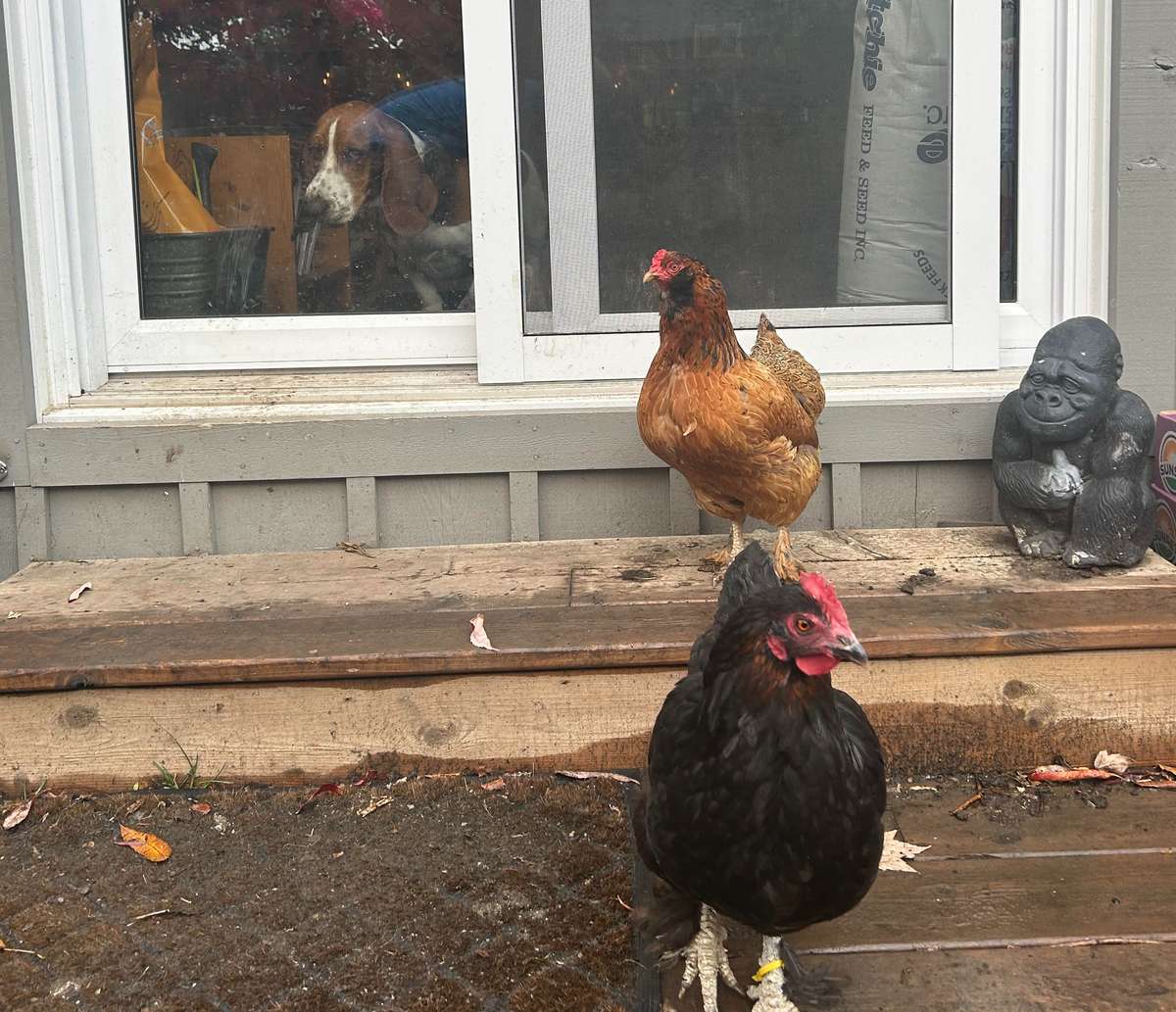
Checking local ordinances and permits
In North America, the UK, Australia, and New Zealand, cities generally impose restrictions on four key areas:
- Number of birds: Most urban codes limit the flock size to a small number of hens, often four to six.
- Roosters: Due to noise complaints, roosters are almost universally prohibited in urban and suburban areas.
- Setbacks: The coop and run must be situated a minimum distance from property lines, neighboring homes, and the owner's own dwelling. This distance can range from 10 to 50 feet (3 to 15 m) depending on the city.
- Permits: A building permit is often required for the coop structure, especially if it exceeds a certain size or is hard-wired for electricity. A specific backyard flock permit or annual fee may also be mandatory.
Managing noise, odor, and neighbor relations
The long-term success of an urban flock hinges on maintaining good neighbor relations. Odor and noise are the primary concerns.
- Odor control: Odor is a direct result of improper waste management and poor coop ventilation. Regular, daily removal of droppings (the deep litter method can help, but requires diligent management) and the use of carbon-rich bedding like wood shavings or straw are essential.
- Noise management: While hens are generally quiet, they can be vocal after laying an egg or when startled. Locating the coop as far as possible from neighbors' bedroom windows and using sound-dampening landscaping (e.g., dense shrubs) can mitigate noise. Professionals should advise clients to select quiet breeds, such as Orpingtons or Silkies.
- Community building: A proactive approach, such as sharing fresh eggs or explaining the benefits of chicken-keeping (pest control, food waste reduction), can turn a neighbor's skepticism into support.
High-performance coop design for a mixed climate
Building a high-performance coop means designing a structure that is safe, comfortable for the birds year-round, and easy to clean. This focus on building science ensures a healthy environment for the flock and minimizes labor for the owner.
Space requirements and welfare standards
Crowding causes stress, aggression, and health problems. While local codes may offer a minimum, an eco-conscious design should exceed it.
- Coop (interior) space: A minimum of 4 square feet per hen is a common baseline, but 5-10 square feet is better for cold climates where birds spend more time indoors.
- Run (exterior) space: A minimum of 10 square feet per hen is crucial. For truly sustainable living, the run should incorporate features that encourage natural foraging, such as secure, open-bottom sections that can be moved to different patches of the yard.
- Nesting and roosting: Hens need a minimum of one nest box for every four hens (roughly 12 x 12 inches or 30 x 30 cm), and 8-12 inches (20-30 cm) of secure roosting space per hen, ideally set higher than the nest boxes to discourage sleeping in them.
Chicken tractors to maximize land use
For large backyards or properties focusing on intensive, rotational gardening, the mobile chicken tractor offers a highly sustainable alternative to a fixed run. A chicken tractor is essentially a bottomless, lightweight, and movable coop and run combination that allows the chickens to forage, fertilize, and prepare garden beds in a controlled manner.
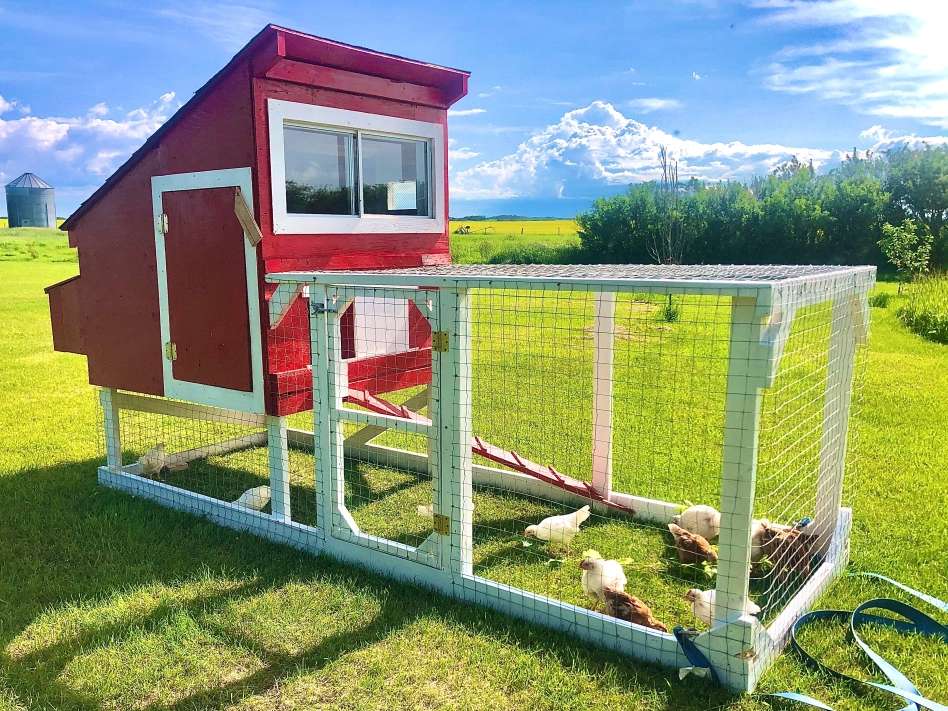
The reasoning and function
The core benefit of the chicken tractor is its passive labor and fertilization. By moving the tractor daily or weekly to a fresh patch of ground, the birds scratch up weeds, eat pests (like slugs and grubs), and distribute their nitrogen-rich droppings directly into the soil.
This prevents overgrazing and soil compaction in one area, integrating the flock seamlessly into a rotational food system.
How to build or buy a chicken tractor
Chicken tractors should be lightweight enough so you can move it easily but strong enough to withstand predators. They come in many designs, from small "A-frame" versions for one or two hens to large "hoop coops" for a dozen or more.
- Building your own: DIY plans are widely available online, often utilizing inexpensive materials like PVC pipe and wire mesh for the structure, making them highly customizable to your yard size and mobility needs.
- Buying kits or plans: Many small manufacturers offer pre-cut kits or detailed construction plans on marketplaces like Etsy or dedicated homesteading supply sites, which can save time on design and material sourcing. Look for designs that feature wheels and handles for easy transport.
Choosing sustainable and non-toxic materials
Since chickens will inevitably peck at and ingest materials, the use of non-toxic, durable, and low-embodied-carbon materials is paramount.
- Siding and framing: Use untreated lumber and don't use any interior paint. For exterior durability, consider low-VOC paints or natural finishes.
- Flooring: The flooring should be durable and easy to sanitize. Plywood covered with a non-toxic linoleum or a sealed concrete slab for a permanent structure are good options.
- Roofing: A sloped roof with an adequate overhang is necessary for shedding water. Cool roofing materials (e.g., light-colored reflective metal or shingles) are recommended for hot climates. Collecting rainwater off the coop's roof for the chickens' water supply can significantly reduce water consumption.
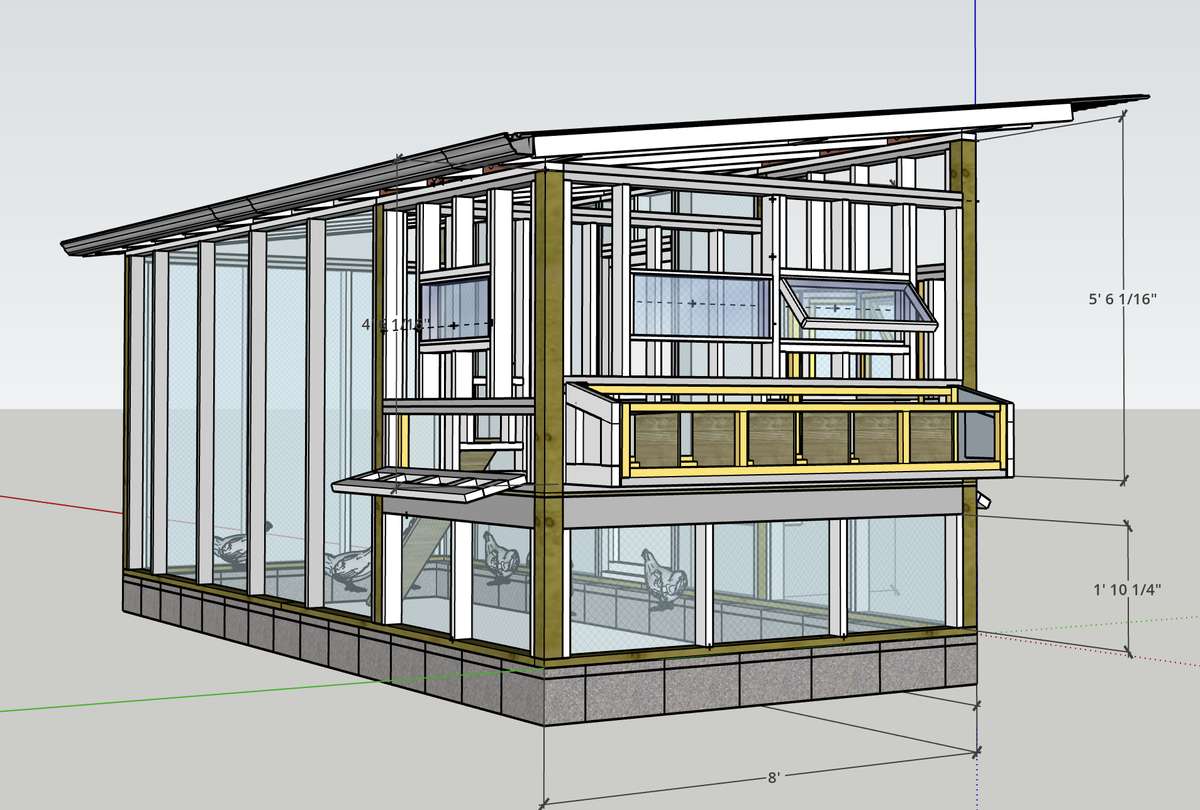
Insulation, ventilation, and humidity control for chicken coops
The biggest threat to a chicken flock in winter is not the cold, but moisture and lack of fresh air. Chickens generate a significant amount of moisture through respiration and droppings. This moisture combined with cold can lead to frostbite and respiratory illness. A well-designed coop acts like a miniature, high-performance home.
The passive house principle for coops
While building to Passive House standards is not the goal, the principles of air-tightness and controlled ventilation are highly relevant.
- Insulation: In cold climates, the roof and walls should be insulated to keep the coop's temperature stable and prevent the formation of condensation on interior surfaces. Rigid foam insulation like EPS and polyisocyanurate or non-toxic alternatives to foam insulation boards like mineral wool or natural wood fiberboard are ideal. A minimum R-value of R-10 is recommended for walls in northern climates (US, Canada, and parts of the UK). The insulation must be covered with an interior barrier (like plywood) to prevent chickens from pecking at it.
- Air barrier: The coop must be draft-free, just like a well-sealed home. Use caulking and weatherstripping around doors and windows to eliminate uncontrolled air leakage.
Controlled ventilation strategy
Ventilation must be a priority to remove warm, moist, and ammonia-laden air. The movement of air must occur high up in the coop, well above the roosts, to prevent a direct draft on the birds.
- High vents: Install adjustable vents (e.g., covered with hardware cloth) near the roofline. Since warm, moist air rises, these allow the stale air to escape.
- Low vents: Smaller vents near the floor can allow fresh, cooler air to enter. All vents must be adjustable to be partially closed on the coldest, windiest nights, but they should never be fully sealed.
- Humidity monitoring: Homeowners can use a simple hygrometer to monitor relative humidity. Levels should ideally remain below 70% to prevent bacterial growth and frostbite risk.
Predator and pest-proofing your chicken coop
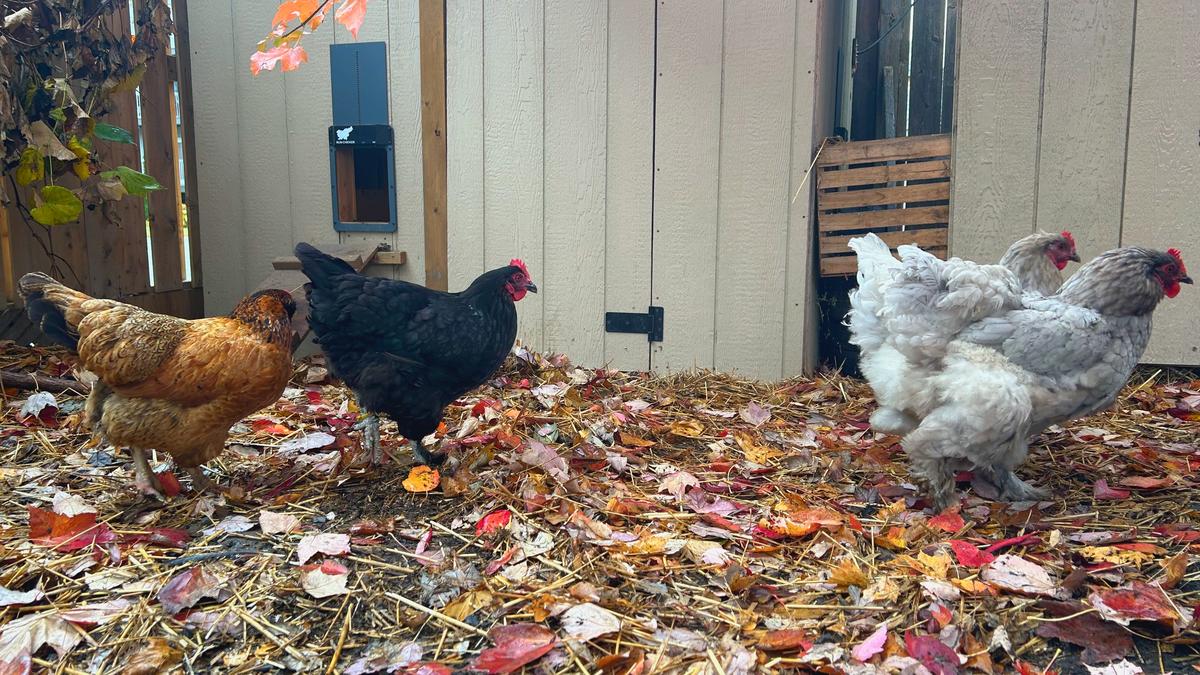
Urban environments are teeming with small predators, including raccoons, foxes, skunks, coyotes, and rodents (rats and mice). For a small urban flock, a breach in security can lead to a complete loss of the birds overnight. The entire structure must be predator-resistant from the ground up.
The secure foundation and skirt
Predators like raccoons and foxes are expert diggers.
- Hardware cloth: Do not use cheap chicken wire; use heavy-gauge galvanized hardware cloth for all openings and the run enclosure.
- Perimeter skirt: The single most effective barrier against digging predators is a hardware cloth apron or skirt. This involves extending the wire fence outward from the base of the coop/run by at least 12 inches (30 cm) and bending it 90 degrees, then securing it to the ground. Predators will dig down, hit the wire, and be deterred.
Doors, windows, and rodent management
Rats and mice are attracted to chicken feed and can spread disease. They can squeeze through extremely small openings.
- Secure latches: Doors and access points must have raccoon-proof latches. Raccoons have remarkable dexterity; simple barrel bolts or gravity latches are not sufficient. Use a complex latch or a combination of two latch types.
- Feed storage: All chicken feed must be stored in airtight, galvanized metal containers with secure lids. Never leave feed out overnight in the run.
- Automatic doors: Consider an automatic chicken coop door that opens and closes on a timer or light sensor. This is a huge benefit for homeowners with busy schedules, ensuring the flock is sealed up before dusk, a peak time for predator activity.
Sustainable waste management: manure and composting
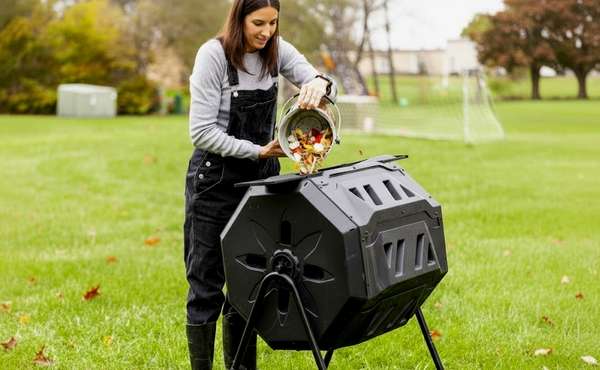
Chicken manure is a highly potent source of nitrogen, making it an excellent amendment for gardens, but it must be properly managed and composted. This closes the sustainable loop by turning kitchen scraps into eggs, and waste into fertilizer.
Composting chicken waste
Raw chicken manure is too strong to be used directly on garden plants and can burn roots. It must be composted. Here is how to do it:
- The carbon-to-nitrogen ratio: Chicken droppings (the "greens" or nitrogen) must be balanced with plenty of carbon-rich "browns" to break down efficiently and reduce odor. Ideal browns include pine shavings, straw, dry leaves, shredded cardboard, or sawdust.
- The deep litter method (DLM): For the homeowner, DLM is a sustainable technique where bedding is allowed to build up and decompose in situ over many months. Fresh bedding is added weekly. The microbes in the bedding naturally break down the manure and generate a small amount of heat in winter.
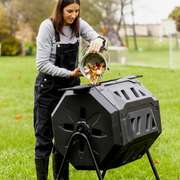
- Hot composting: For a faster, safer garden amendment, regularly add the coop's soiled bedding to a three-bin composting system. The pile of chicken manure and bedding must maintain temperatures between 131° and 160°F (55° and 71°C) for several days to kill pathogens and weed seeds.
Using chickens as composters
A major sustainability benefit of urban chickens is their ability to reduce household food waste.
- Approved scraps: Chickens can safely eat most fruit and vegetable scraps, cooked grains, and legumes. Avoid citrus peels, avocado pits/skins, raw potato peels, and onion.
- Controlled feeding: To prevent attracting rodents, only offer scraps during the day and remove any uneaten food before the coop is secured for the night.
Regional adaptations: keeping chickens in cold climates
In regions like North America (Canada and northern US) and parts of the UK and Northern Europe, winter presents a significant challenge for backyard chickens. A well-designed, insulated coop is the best defense.
Cold climate strategies (US, Canada, UK)
The goal is to provide a shelter that is just warm enough to prevent frostbite, but not so warm that the sudden shock of cold air when leaving the coop is harmful.
- Water supply: The main challenge is keeping drinking water from freezing. Heated pet bowls (safe, low-wattage) or a small, non-submersible electric heater in a metal fountain are necessary for temperatures below 32°F (0°C)
- Roosting safety: Use wide, flat pieces of wood (like a standard 2x4 board placed on its side) for roosts. This allows the hens to cover their feet completely with their warm bodies while sleeping, which protects their feet from frostbite.
- Supplemental heat: Supplemental heat is often unnecessary and can be dangerous, creating a fire risk and causing dependency. It should only be used in extreme cold or for sick birds. Focus instead on adequate bedding and insulation.
Warm climate strategies (Australia, southern US)
In regions with high heat and humidity, the design priority shifts entirely to maximizing airflow and shade.
- Maximum ventilation: The coop structure should be designed with large, screened windows and vents that can be kept open during the day and night to create a chimney effect, drawing hot air out.
- Shade: The run must be heavily shaded to protect the birds from direct sun. Using a light-colored roof material helps reflect solar heat.
- Water and cooling: Provide multiple sources of cool, fresh water. Homeowners can use frozen water bottles in the drinking water or hang frozen vegetables to provide a cooling distraction.
In brief: urban backyard chicken coops
Successful urban chicken keeping is not about buying a pre-made box; it is an exercise in sustainable design, building science, and community engagement. Homeowners must prioritize local compliance and neighbor relations, while professionals must focus on building a structure that utilizes passive heating/cooling principles (insulation, high-level ventilation) and robust, predator-proof materials to ensure a safe, healthy, and low-maintenance environment for the flock year-round.
Now that you know more about urban chicken keeping, find more info about sustainable food production and green building techniques in the Ecohome Green Building Guide and these pages below:
-
Dealing with rodents and pests - how to keep raccoons from digging up lawns
-
How to build your own DIY compost hot water heater
-
7 key principles for an abundant backyard greenhouse
-
All about home composting and recycling - responsible waste management






Comments (0)
Sign Up to Comment