







Lawn grub & predator damage: a homeowner's & pro's guide
Waking up to find your once-pristine lawn torn to shreds is a frustrating experience for any homeowner or property manager. This widespread damage is often caused by crows, raccoons, and skunks digging for a hidden food source: the larvae of beetles.
Understanding the connection between these predators and pests like Chafer beetles and Japanese beetles is the first step toward an effective, long-term solution. This guide provides a comprehensive approach for both homeowners seeking to reclaim their yard and professionals advising clients on sustainable turf management. We will cover how to manage the grubs, deter the animals, and repair the resulting damage to build a more resilient lawn.
- Understanding the root cause: Grubs in your lawn
- Identifying the culprits: Crows, raccoons, and other foragers
- Step 1: Managing the grub population
- Step 2: Deterring animal predators from digging
- Step 3: Repairing and strengthening your lawn
- Regional considerations for grub and pest control
- In brief
Understanding the root cause: grubs in your lawn
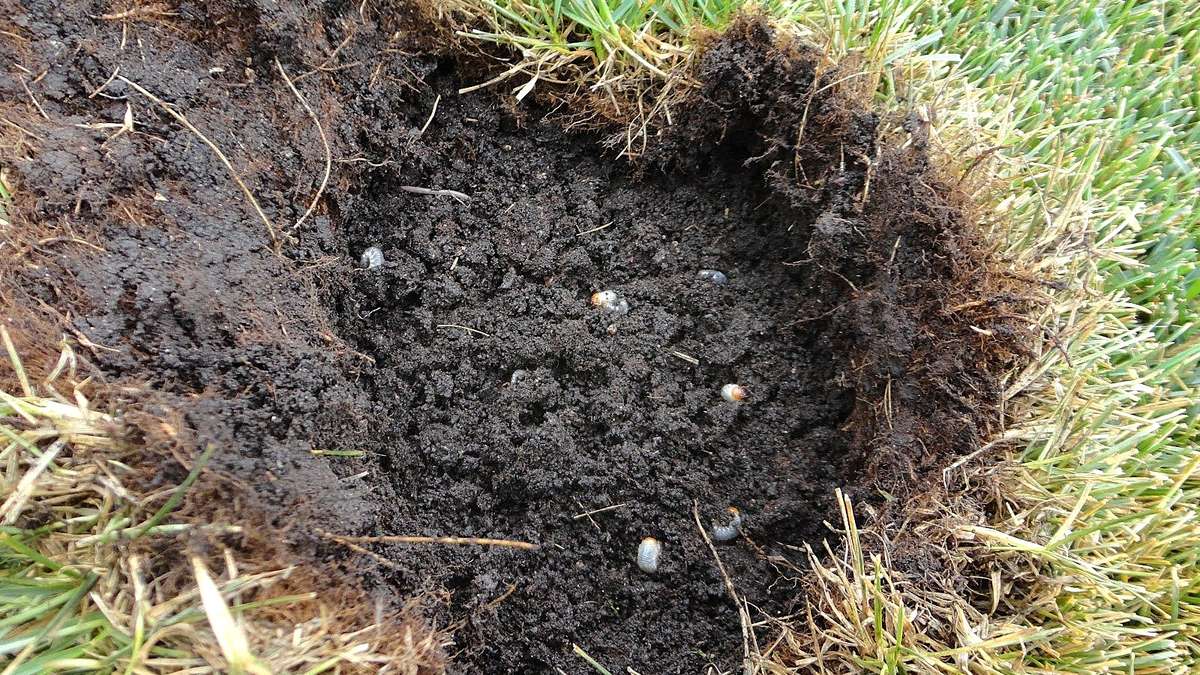
The core problem isn't the animals ripping the turf up; they are just a symptom. The real issue is the buffet of grubs living in the soil beneath your grass. These grubs are the larval stage of various scarab beetles. A healthy lawn can typically tolerate a small grub population - around five grubs per square foot - without showing significant stress.
However, when populations surge, they can chew through grass roots, causing patches of grass to turn brown and die, so the racoons and crows are doing us a favor chasing the grubs down and eating them. It's just unfortunate that they are messy eaters and cause more of a problem than they solve!
This damage, combined with the allure of a high-protein meal, creates the destructive cycle of pest infestation and animal foraging that shreds up our perfect lawn, if we're actually that hung up on having one that is.
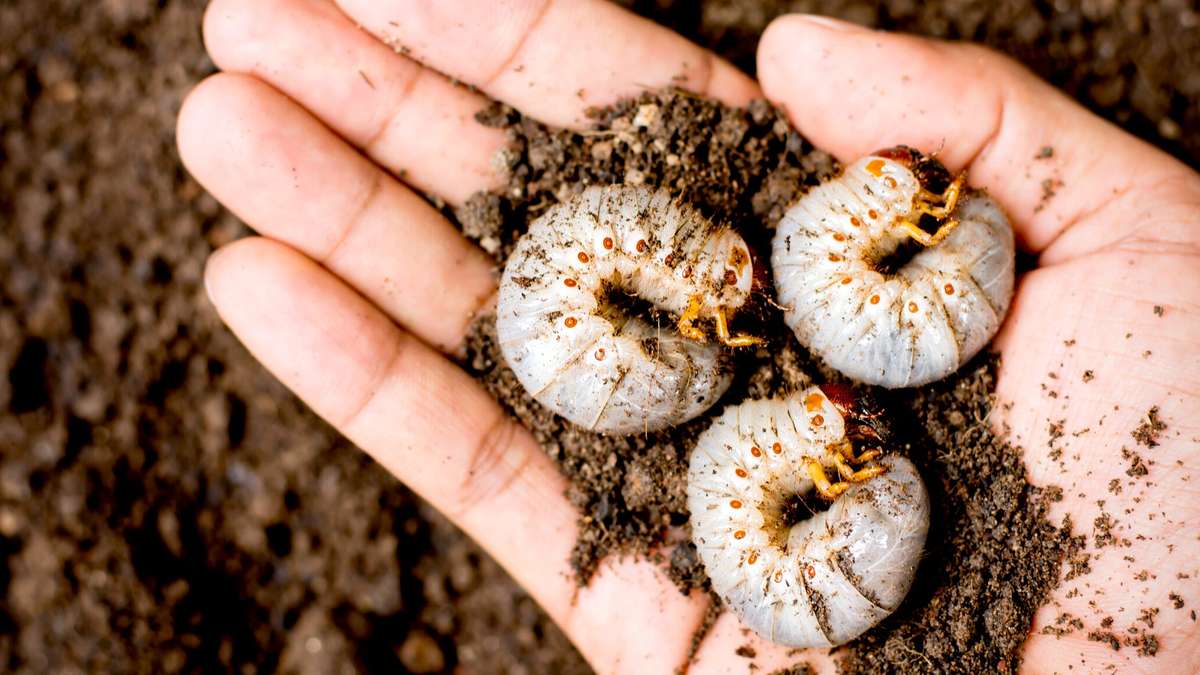
Common Grub Species
While many beetle species produce lawn-damaging grubs, two are particularly notorious in North America and irresistably tasty for crows and raccoons:
- European Chafer Beetle: A significant pest in the Pacific Northwest, Ontario, Quebec, and the Northeastern United States. Their larvae are voracious root feeders, and their presence is a major attractant for predators.
- Japanese Beetle: Prevalent in Eastern and Midwestern North America, these beetles are destructive in both their adult and larval stages. Their grubs are a favorite food for skunks, raccoons and crows.
It's interesting to note that similar grub species cause identical problems globally. In the UK, the garden chafer and cockchafer are common, while Australia and New Zealand contend with pests like the African black beetle.
Identifying the culprits: crows, raccoons, and other foragers
Different animals leave different clues when it comes to wrecking your lawn. Understanding who your destructive and probably unwelcome visitor is can help in tailoring your deterrent strategy.
- Crows: These intelligent birds are daytime foragers. They leave behind distinct, smaller holes and peeled-back patches of turf, almost like the lawn has been aerated with a small tool. They methodically pluck grubs from the soil, often working in groups.
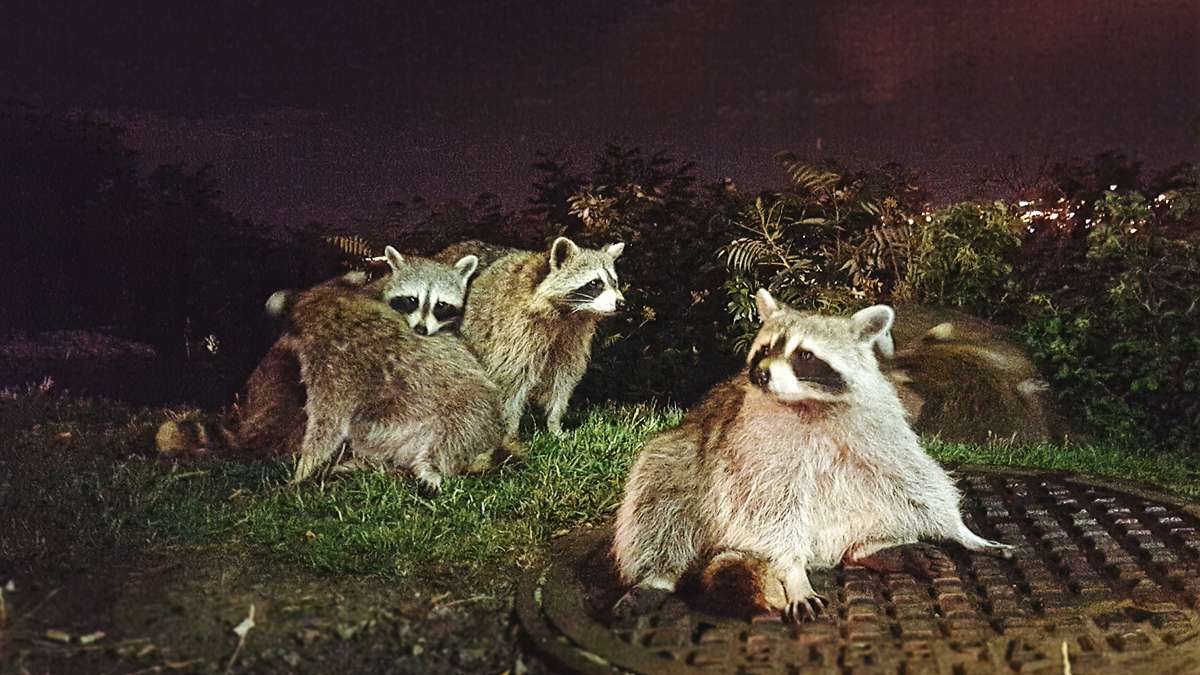
- Raccoons: As nocturnal feeders, raccoons cause more extensive, targeted damage. They use their dexterous paws to roll back sections of sod like a carpet, leaving behind large, messy patches of exposed soil.
- Skunks: Also nocturnal, skunks leave behind a pattern of small, cone-shaped holes, typically 3-4 inches (7.5-10 cm) in diameter. The damage is less about peeling sod and more about surgical digging for individual grubs.
Step 1: Managing the grub population
The most effective long-term strategy is to remove the food source. Reducing the grub population not only saves your grass roots but also makes your lawn far less attractive to predators like raccoons, skunks and those inquisitive crows. Timing is critical for any treatment to be effective, as it must target the grubs when they are small and actively feeding near the surface, typically in late summer to early fall.
Biological Controls: Nematodes and Spores
For an eco-friendly approach, biological non-toxic controls for grubs in lawns are highl-effective. Beneficial nematodes are microscopic worms that hunt and kill grubs in the soil. They are completely safe for people, pets, and plants. For a complete guide on application, follow the instructions from your local nursery or garden center for using nematodes for grub control.
Application usually involves mixing the nematodes with water and spraying them onto the lawn, then watering them into the soil where they can find their prey. Milky Spore is another natural, soil-dwelling bacterium that specifically targets Japanese beetle grubs but can take several years to become fully established.
What Time of Year Should you do Nematode treatment for Grubs?
For applying Nematodes in the Pacific Northwest the most effective window to apply beneficial nematodes for grub control in Pacific Northwest lawns is from late summer to early fall, typically August and September. A secondary, though less optimal, application can be made in the spring, from April to May.
The success of nematode treatment hinges on the lifecycle of the most common lawn grubs in the region—primarily the larvae of the Japanese beetle, European chafer, and Southern masked chafer—as well as specific soil temperature and moisture conditions.
Late Summer to Early Fall: The Primary Treatment Window
The late summer and early fall application targets newly hatched grubs when they are small and most vulnerable. During this period, from August through September, the soil temperature in the Pacific Northwest is generally within the ideal range for nematode activity, which is between 50°F and 86°F (10°C to 30°C).
Key advantages of a late summer/early fall application: Maximum Efficacy: Nematodes are most effective against young, small grubs.
- Optimal Soil Temperatures: The soil is warm enough for the nematodes to be active and seek out their prey.
- Preventative Damage: Treating at this stage prevents the grubs from causing significant root damage in the fall and the following spring.
Spring Application: A Secondary Opportunity
For those who miss the fall window, a spring application from April to May can still offer a degree of control. At this time, the overwintered grubs become active again and feed on grass roots before they pupate and emerge as adult beetles. However, the grubs are larger and more difficult for the nematodes to kill, making this treatment less effective than a fall application.
Essential Conditions for Nematode Success
For nematodes to be effective, certain environmental conditions must be met:
- Soil Temperature: The soil temperature should consistently be within the 50°F to 86°F (10°C to 30°C) range. Some nematode species, particularly Canadian strains of Steinernema feltiae, can be effective at the cooler end of this spectrum.
- Moisture: The soil must be moist before, during, and for at least two weeks following the application. It is recommended to water the lawn before applying the nematodes and to keep it well-watered to ensure the nematodes can move through the soil and find the grubs.
- Sunlight: Nematodes are sensitive to ultraviolet light. Therefore, it is best to apply them in the early morning or evening, or on an overcast day.
Choosing the Right Nematode
The most commonly recommended and effective nematode for controlling the prevalent grub species in the Pacific Northwest is Heterorhabditis bacteriophora. This species is known to be a "cruiser," actively seeking out its grub hosts in the soil. Products containing Steinernema scarabaei, such as Nemagard, have also been shown to be effective against a variety of grubs, including the European chafer.
Before purchasing, it is advisable to identify the specific type of grub infesting your lawn, if possible, to select the most appropriate nematode species for optimal results. Thanks to Mikel Beaudoin and Connor Buchanan of Aurora Landscaping - Nematodes grub treatment specialist in the BC lower mainland
Chemical Pesticide Considerations
Chemical grub killers are available, but their use should be avoided in our opinion. Professionals may suggest using preventative products containing substances like imidacloprid or chlorantraniliprole in early summer before eggs hatch, or curative products like trichlorfon in late summer for existing grubs.
Homeowners should be aware that these pesticides can have off-target effects on beneficial insects, including pollinators. And as the dangers of dosing our garden areas with harmful chemicals becomes more and more under scrutiny, many jurisdictions quite rightly now have restrictions or bans on the cosmetic use of pesticides and we'd encourage readers to refuse to allow their use.
Cultural Practices for Prevention of Grub or Pest Damage to Lawns
A healthy, dense lawn is your best defense. Beetles prefer to lay their eggs in thin, stressed turf. Maintain a higher mowing height of 3-4 inches (7.5-10 cm) to encourage deep roots and a thicker canopy that makes it harder for beetles to lay eggs. Proper fertilization and deep, infrequent watering also promote a resilient turf that can withstand minor grub activity.
Improving your lawn's organic matter is also key; for more on this, see our guide to composting. All this does of course assume that an expansive yard and immaculate lawn is essential, which it isn't, it's actually something locked into the North American culture. We would encourage readers to consider the best bee-friendly & eco-friendly alternatives to grass lawns in backyards instead.
Step 2: Deterring animal predators from digging
While you work on reducing the grub population, you need to prevent further damage to the lawn. The goal here is to make your lawn an unpleasant or inaccessible dining spot.
Physical Barriers and Netting
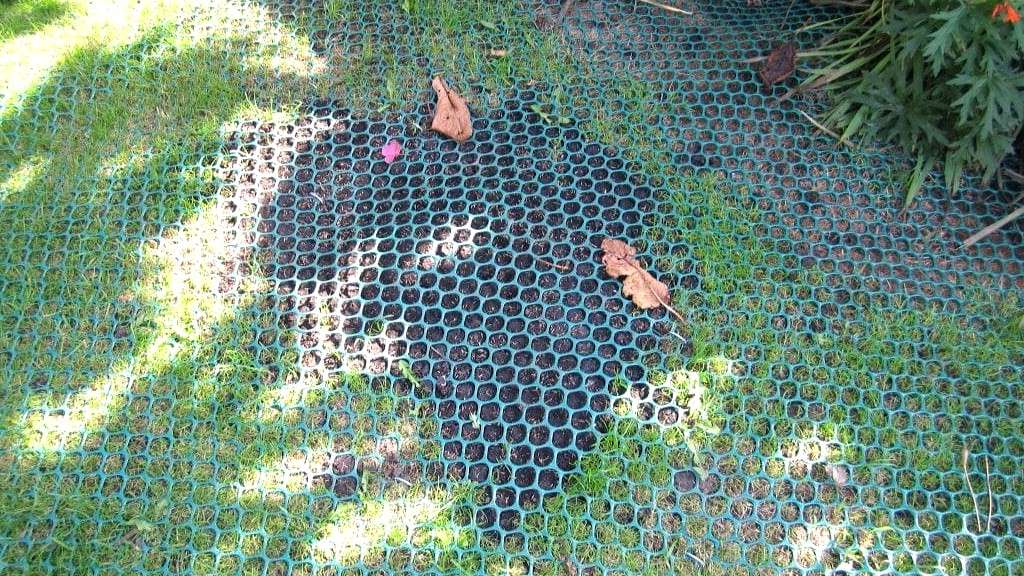
For high-value turf areas or persistent problems, laying down substantial recycled plastic bird netting or chicken wire over the damaged areas can be the most effective short-term solution. Peg the netting securely to the ground. Animals dislike the feeling of the mesh under their feet and will move on to easier foraging grounds.
The grass will grow through the mesh, and it can be removed once the grub problem is under control and the lawn has recovered. Choosing something recycled and substantial means that it can be rolled up and used again, because in our experience critters can be persistent!
Repellents and Scare Tactics
Motion-activated sprinklers can be surprisingly effective against nocturnal visitors like raccoons and skunks. A sudden spray of water is often enough to send them scurrying and in areas with plentiful water is a great non-toxic way of scaring them off.
Taste and smell repellents, often containing castor oil, cayenne pepper or garlic powder, can also be applied to the lawn, but they need to be reapplied frequently, especially after rain. Visual deterrents like scare tape or 'predator eye' reflectors may work on crows for a short period, but these intelligent birds often adapt quickly.
Step 3: Repairing and strengthening your lawn
Once you have the grubs and predators under control, it's time to fix the damage and build a more resilient lawn for the future.
Reseeding and Overseeding Damaged Areas
In the fall or spring, rake away the dead, loose turf to expose the soil. Loosen the top 1 inch (2.5 cm) of soil, add a layer of high-quality topsoil or compost, and apply a seed mix appropriate for your climate and sun exposure.
Consider using a turf mix that includes 'endophyte-enhanced' tall fescue or perennial ryegrass. Endophytes are beneficial fungi that live within the grass plant and produce compounds that are unpalatable to surface-feeding insects, offering natural resistance.
Long-Term Lawn Health Strategy
The best defense is a vigorous, healthy lawn (or no lawn at all!). Core aeration is a critical practice that reduces soil compaction, improves water and nutrient penetration, and disrupts the grub lifecycle. For professionals and homeowners alike, focusing on building deep, healthy root systems through proper mowing, watering, and soil management is the most sustainable way to prevent future infestations.
To consider doing something different, and replacing part of a damaged lawn with a low maintenance and food growing space, learn about lasagna gardening instead.
Regional considerations for grub and pest control
It is crucial to adapt your strategy based on your location. While the principles of lawn damage control are universal, the specific pests and regulations vary.
- North America (US & Canada): Focus on identifying between European Chafer and Japanese Beetle grubs, as the timing for treatments like nematodes can vary slightly. Check with your local state, provincial, or municipal authorities for pesticide bans (e.g., many exist in Ontario, Quebec, and British Columbia). Also, worth noting as it's happening more often, if you have feral swine ripping your lawn apart, it's probably not grubs they're after but acorns and if that's your problem, sorry, but you're going to need a whole different strategy!
- United Kingdom: Your primary pests are likely garden chafer or cockchafer larvae. Biological controls like nematodes are very popular and effective. Consult with the Royal Horticultural Society (RHS) or a local garden centre for advice on the best nematode species and application timing for your area.
- Australia & New Zealand: Pests like the African Black Beetle or the Argentinian Scarab are common. Local climate dictates treatment timing. Always check with your regional council or department of agriculture for recommended control methods and approved products to ensure environmental safety.
Regardless of your location, contacting a local, certified landscaping or lawn care professional is always a sound choice. You can find vetted professionals in the Ecohome Network Directory of Landscapers.
In brief, preventing lawn damage from racoons, skunks or crows
Protecting your lawn from foraging animals requires a two-front war: targeting the underground grubs and deterring the surface-level predators. The most sustainable and effective approach is to eliminate the food source by using biological controls like beneficial nematodes, timed appropriately for your region's specific pests.
While you are waiting for the grub populations to drop, you can use physical barriers like resistant netting to prevent immediate further damage. Finally, repair the turf with resilient grass species and adopt long-term cultural practices like higher mowing and core aeration to build a lawn that is naturally resistant to future grub infestations and the destructive animals they attract.
As a final footnote, unless it would be completely out of keeping with your neighborhood, or unless your HOA rules forbid anything but grass for most of your yard, consider an alternative to the ubiquitous lawn which in itself has a heavy environmental cost that can be avoided.
Now that you know more about lawn grub & predator damage, find more info about lawn care & green building techniques in the Ecohome Green Building Guide and these pages below:
-
Vegetables that grow well in the shade
-
How to create a lasagna garden - step by step guide
-
Growing food at home in small spaces - 7 top tips
-
Urban farming - a guide to growing edible perennials in your yard
-
How to build a greenhouse in a cold climate


















Comments (0)
Sign Up to Comment