

The definitive guide to cleaning and preserving cedar roofs
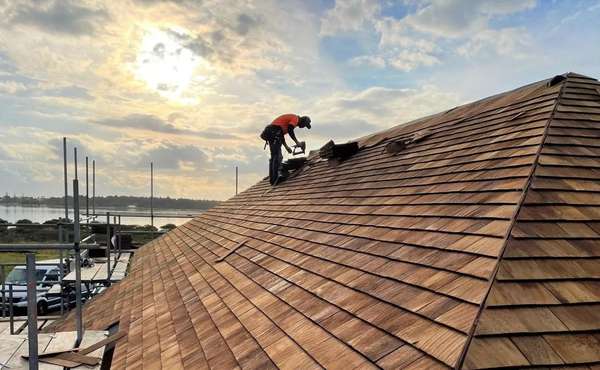
To maintain the unique beauty and longevity of a cedar shake roof, it is essential to have a definitive guide for cleaning and preservation that protects this premium, natural material. Unlike mass-produced roofing, cedar shakes and shingles require specific care.
They are highly susceptible to damage from moisture, moss, and UV radiation, which can lead to rot, curling, and a shortened lifespan. This in-depth guide provides a definitive walkthrough for both homeowners and professionals on safely cleaning, treating, and preserving cedar roofs to ensure they should last for decades as intended, taking into account crucial environmental factors and modern material characteristics.
- Why cedar roof maintenance is unique
- Diagnosing problems on cedar roofs
- Environmental factors affecting cedar longevity
- The only safe way to clean cedar shakes
- Cedar roof treatments and preservation
- Hiring a specialist for cedar roofs
- The essential takeaways: Cedar roof care

Why cedar roof maintenance is unique
The reason why cedar roof maintenance is unique among all roofing materials is that cedar is a natural wood product that 'breathes', absorbing and releasing moisture. This organic nature is both its strength and its weakness. The natural oils in cedar provide inherent resistance to insects and decay, but this protection diminishes over time.
This issue is more pronounced today, as modern shakes are typically cut from new-growth cedar, which is less dense and contains protective oils than the old-growth timber used for heritage roofs. This makes modern maintenance even more critical to ensure a long lifespan and not all cedar shingles and shakes are the same grade so choose carefully.
Diagnosing problems on cedar roofs
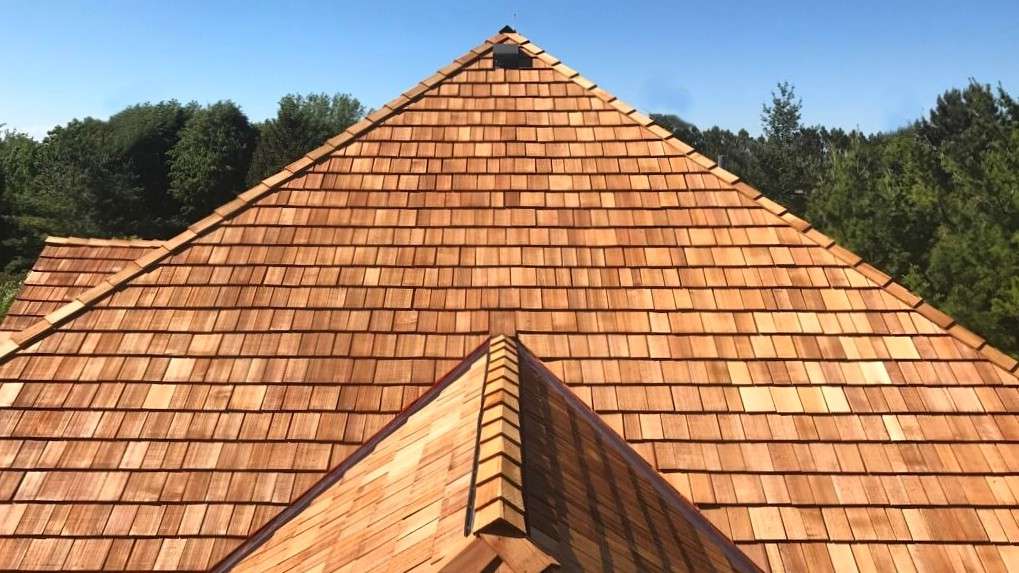
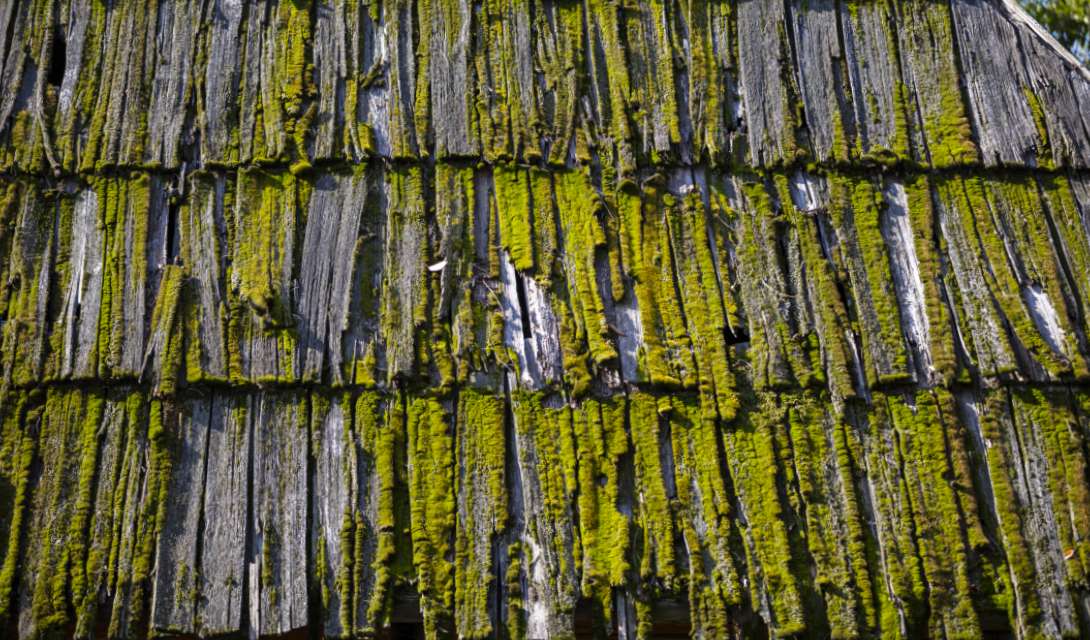
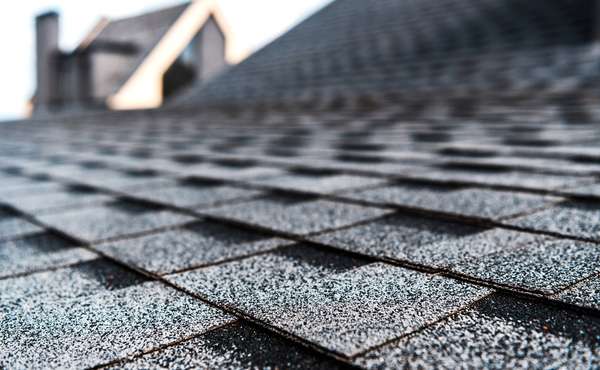
Correctly diagnosing problems on cedar roofs involves looking for signs of moisture damage, UV degradation, organic growth, and pest activity. Unlike the distinct black streaks on asphalt roofs, the issues on cedar are often more subtle at first and can be made worse by poor roof design, like hip roofs running their gutters over the top roof surface and keeping it far more humid, for longer, than is necessary. This leads to moss and algae forming on the cedar shakes, and in dry weather can often cause the tile to lift or cup as it drys out quickly on the top side.
Organic Growth and Decay
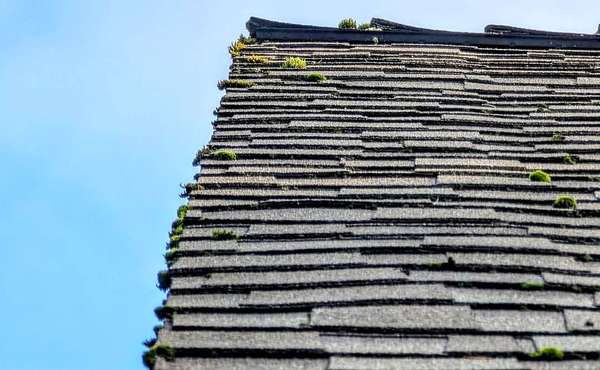
Because cedar retains moisture longer than asphalt roof shingles, it is a perfect habitat for moss and lichen. Moss growth, especially between the 'keyways' (gaps between shakes), traps water directly against the wood, promoting rot. In constantly damp or shaded areas, the wood itself can begin to rot, becoming soft and spongy.
I don't know about you, but when it comes to choosing eco-friendly construction materials, putting biodegradeable and relatively expensive materials on a roof seems very counter-intuitive when modern alternatives give almost the same aesthetic and can last 50 years plus, even in the most extreme conditions and with next to zero maintenance.
Physical Damage and Aging
Look for shakes that are curling at the edges, cupping, or splitting. This breaks the roof's seal, exposes the underlying felt paper, and allows water to penetrate. Graying of the wood is a sign of UV degradation, where the sun's rays have broken down the top layer of wood fibers, making them brittle, and is a surefire sign that the cedar roof you are looking at is not being optimally maintained.
Insect and Pest Damage
The soft wood of cedar can be attractive to pests also. Look for perfectly round, half-inch holes in any of the lumber of your home but especially your cedar roof if you've seen any of these big black shiny flying bees around, as these round holes are a classic sign of carpenter bees burrowing into your fascia boards or the shakes themselves.
While they don't eat the wood, their nesting tunnels can introduce moisture deep into the material and encourage woodpeckers who are looking for grubs. You can learn more in this complete guide to carpenter bee prevention.
Other pests such as squirrels, raccoons and even woodpeckers can damage cedar shingles while looking for food or shelter. If you've got past issues you can find a local humane pest removal company to help protect your roof.
This fragile nature of new growth cedar shake roofs in the very humid Pacific North West would stop me from replacing an older cedar roof with the same material these days. I would suggest investigating a permanent solution that looks very similar but is practically indestructible, recycled and recyclable, and composite or recycled plastic cedar shakes are a pretty good candidate.
Environmental factors affecting cedar roof lifespan
A host of environmental factors can dramatically affect cedar longevity, meaning two identical roofs can have vastly different maintenance needs and lifespans. Where your home is located, how it is built and attention to detail by a genuine craftsman or roofer are just as important as the material itself.
Climate Zone and Moisture Exposure
A cedar roof's greatest enemy is moisture. A roof in a wet, temperate region like the Pacific Northwest will face constant assault from rain and humidity, promoting moss and rot. Conversely, a roof in a dry, high-altitude area will suffer more from UV damage.
Understanding your home's location within the official climate zones for construction will help you anticipate your primary maintenance challenges, and if your home is shaded by trees and worse still is in the dropzone of getting needles or leaves dropped on it from local large trees, I would be saving for a roof replacement.
Sunlight and Insolation
The amount of direct sun a roof covered in cedar shakes receives is also a critical factor. The term for this solar radiation is insolation, and a cedar roof with high insolation (like a south-facing roof with no shade) will experience faster UV degradation and drying of its natural oils. These roofs will require preservative treatments more frequently to prevent the wood from becoming gray and brittle.
Attic Heat and Insulation Levels
What happens under a cedar roof is just as important as what happens on top. A poorly ventilated attic traps heat and moisture, effectively "cooking" the cedar shakes from below and accelerating the aging process. Ensuring you have proper roof ventilation and understanding how much attic insulation is appropriate are key to preventing this internal damage.
The only safe way to clean cedar shakes
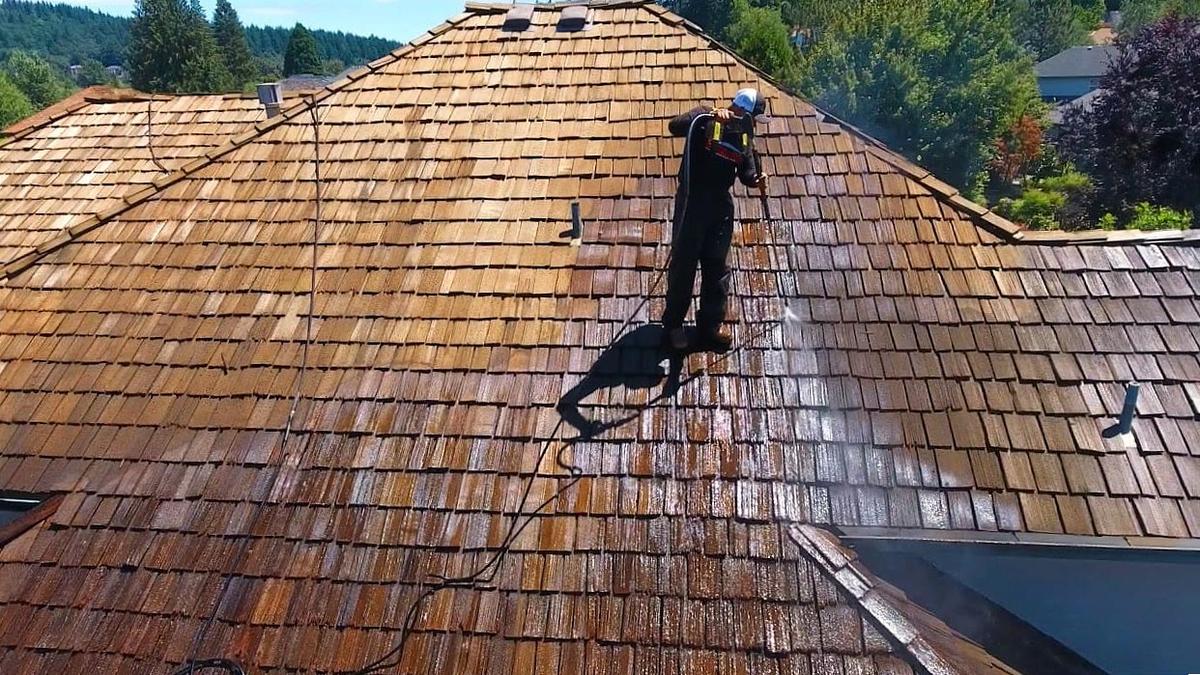
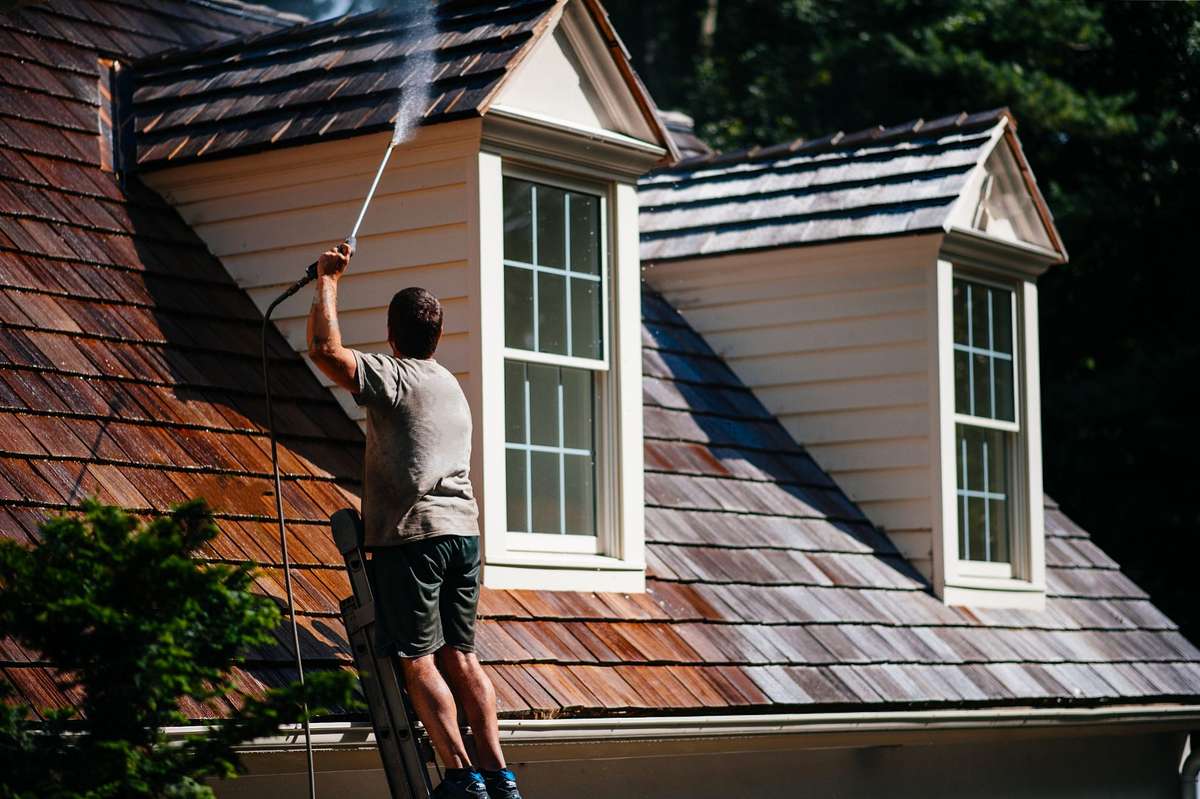
The only safe way to clean cedar shakes and shingles is to use gentle, low-impact methods that remove surface growth without damaging the delicate wood fibers underneath. Pressure washing a cedar roof is a catastrophic mistake; it will permanently scar the wood, strip away its natural protective layers, and can force water deep into your roof structure. It is one of the fastest ways to destroy a cedar roof.
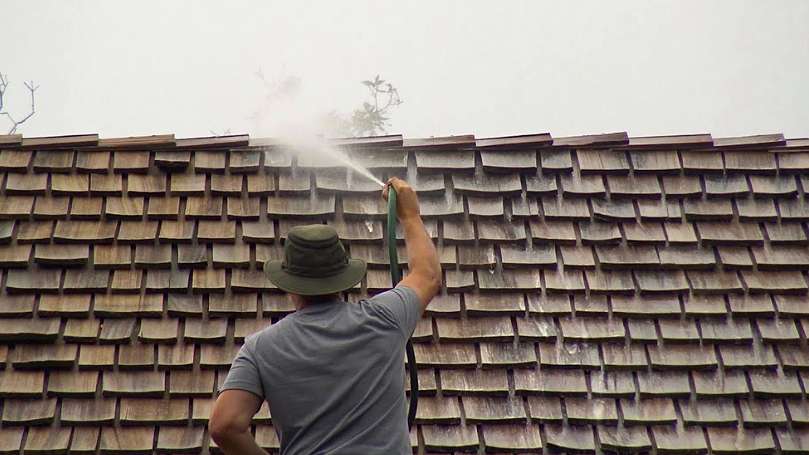
The correct method is to apply an eco-friendly, oxygen-based cleaner (sodium percarbonate) with a low-pressure garden sprayer. It should be allowed to dwell to kill the moss and algae, and then rinsed off with a very gentle stream of water from a garden hose, with the nozzle set to a "shower" setting rather than a "jet." No scrubbing or brushing is needed or recommended.
Cedar roof treatments and preservation
Beyond cleaning, periodic cedar roof treatments and preservation are what truly maximize the roof's lifespan by protecting it from the elements. After a roof has been cleaned and is completely dry, a preservative stain or treatment should be applied.
Look for products that offer water repellency, UV-inhibitors to prevent sun damage, and a fungicide to prevent moss regrowth. This process typically needs to be repeated every 5 to 7 years. Cedar is one of many premium roofing materials, and its unique maintenance requirements are part of its long-term cost and value proposition.
Hiring a specialist for cedar roofs
Due to the material's sensitivity and the high cost of replacement, hiring a specialist for cedar roofs is even more critical than with other roofing types. Many general roof cleaners do not have the specific knowledge to work with cedar and may cause irreversible damage. Look for a company that explicitly specializes in cedar roof maintenance and preservation. They will understand the gentle cleaning process, have experience with replacing individual shakes, and know which preservation treatments are most effective for your specific climate.
The essential takeaways of cedar roof care
The essential takeaways for cedar roof care are to treat it as a natural wood product whose lifespan is determined by moisture control, UV protection, and its specific environment. Never pressure wash it. Use only gentle, oxygen-based cleaners. The most critical step for longevity is the periodic application of a high-quality preservative treatment.
Finally, be aware that factors like your local climate zone, sun exposure, and attic ventilation will dictate your maintenance schedule. Given the specialized nature of this work, hiring a professional who understands the nuances of cedar is a wise investment in protecting this beautiful and noble material - and for avoiding it altogether unless you are prepared to put in the cost and effort of maintaining cedar shakes perfectly.
Now that you know more about cedar roof care, find more info about durable roofing and green building techniques in the Ecohome Green Building Guide and these pages below:
-
Eco-friendly roof cleaning - the complete guide
-
Guide to the best asphalt shingles
-
What causes ice dams and the quick fix guide
-
Green roofs: the secrets to success






Comments (0)
Sign Up to Comment