



Which is better: cedar, pressure treated or composite plastic decking? a homeowner's & pro's guide
Building or renovating a deck is a big decision for any homeowner, and a critical one for professionals. The choice of material impacts everything from upfront costs and installation time to long-term maintenance, durability, and environmental footprint.
While many options exist, the debate often comes down to three main contenders: classic cedar, budget-friendly pressure-treated wood, and durable composite decking. Each has unique strengths and weaknesses that make it a better choice depending on your specific project needs, climate, and aesthetic goals. This guide provides a definitive comparison of these three popular decking materials to help you make an informed decision.
- Understanding the options of deck materials
- Cost: a comparative look
- Ensuring durability and longevity of decks
- Maintenance requirements
- Environmental impact of decking material choices
- Deck performance in different climates
- In brief
Understanding the options of deck materials
When selecting a decking material, it’s essential to move beyond surface-level aesthetics and understand the core properties of each option. Each material category has its own sub-types and regional differences that can significantly influence its performance and suitability for your project.
Cedar Decking
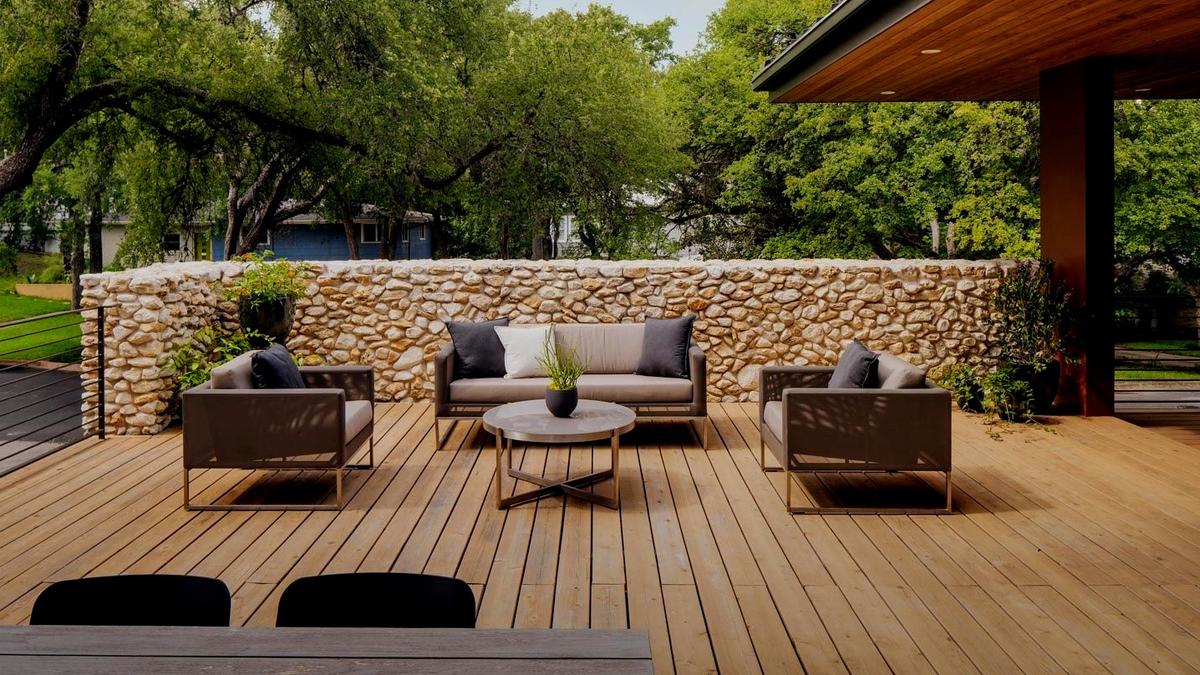
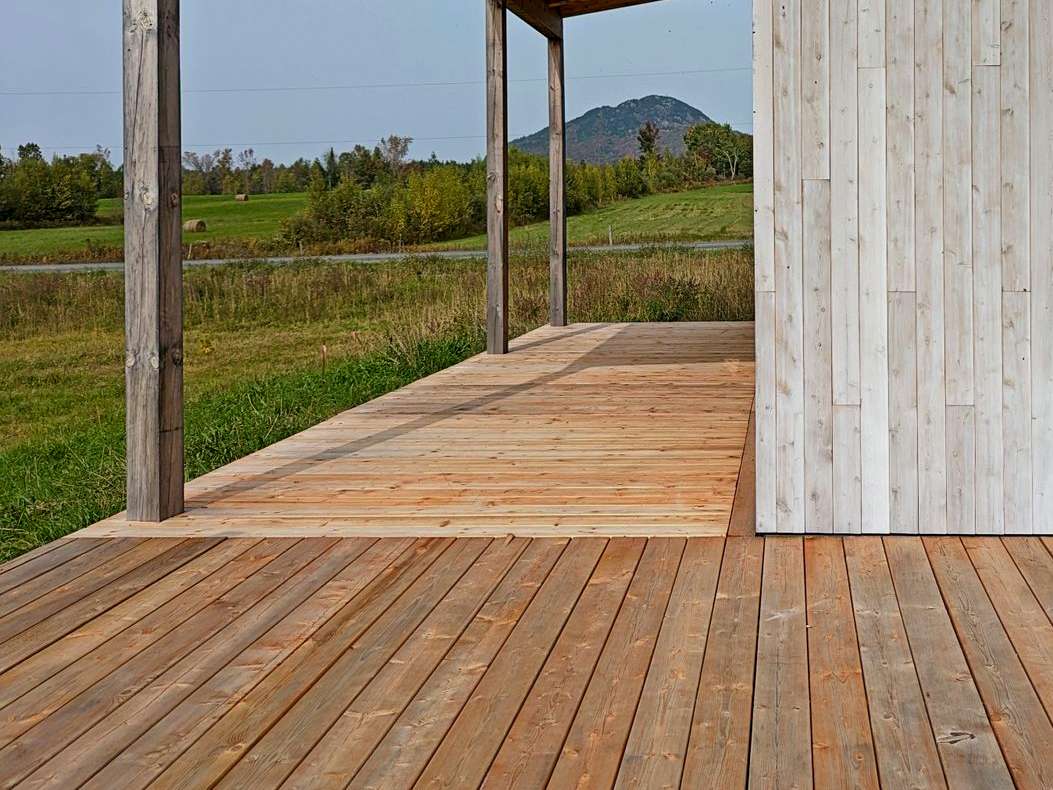
Cedar is a popular choice, particularly in North America, for its natural beauty and distinctive reddish-brown colour. The two main types are Western Red Cedar and Eastern White Cedar. It is naturally resistant to rot, decay, and insect attacks because it contains natural oils.
However, this natural resistance does not mean it is maintenance-free. Without proper care, it will turn a silvery-grey colour. Cedar is also a relatively soft wood, making it more susceptible to scratches and dents than harder woods.
Pressure-Treated Wood
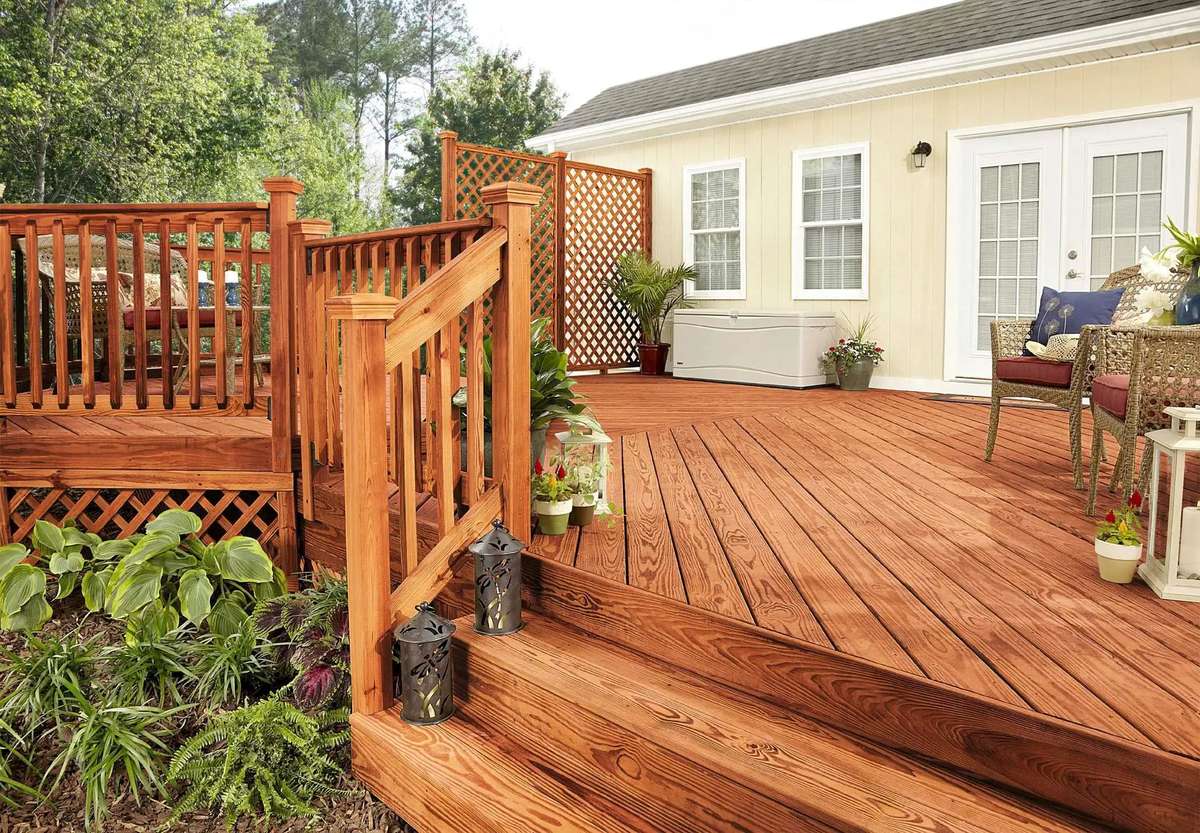
Pressure-treated (PT) wood is a generic term for softwood (typically pine or spruce) that has been chemically treated to resist rot, fungal decay, and insects. The wood is placed in a pressure chamber where chemical preservatives are forced deep into the fibres.
This process makes it an extremely durable and affordable option. Modern pressure-treated wood uses less toxic chemicals than older versions, but it's still crucial to handle it properly. The treatment can also cause the wood to be moist initially and prone to warping or cracking if not properly sealed and maintained.
Composite Plastic Decking
Composite decking is a manufactured product typically made from a mix of recycled plastic and wood fibres. High-end composites are often wrapped in a durable, protective cap that resists staining and fading. The key advantage of composite plastic decking is its minimal maintenance—it doesn’t require staining or sealing and is highly resistant to rot, insects, and splintering.
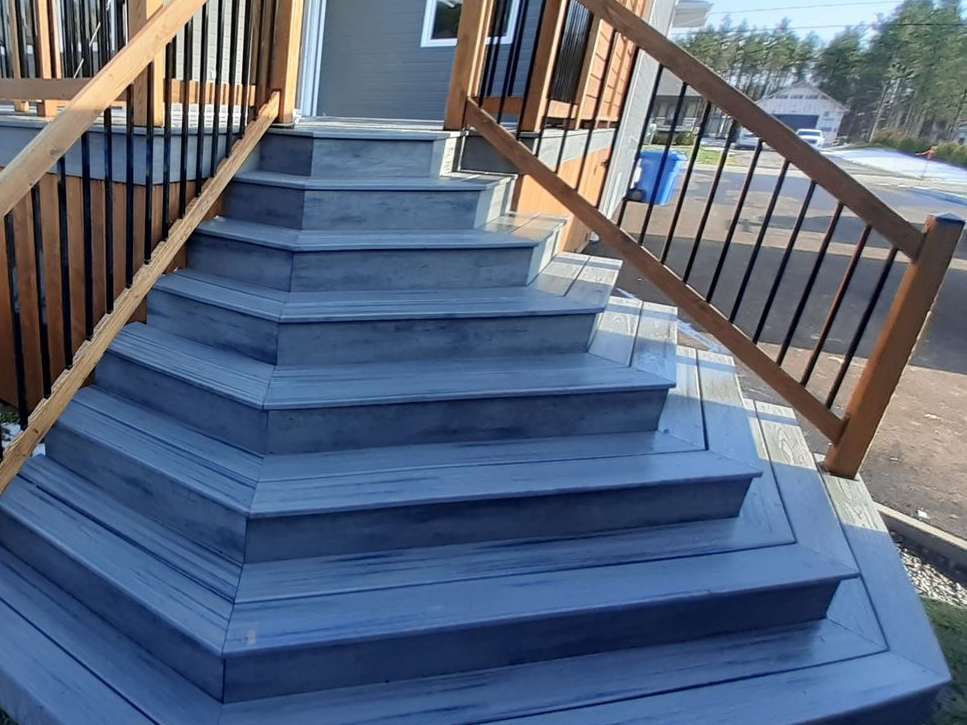
On the downside, it can be more expensive upfront, and some older or lower-quality composites may fade or get hot in direct sunlight. Regional brands like Dekavie in Canada offer solutions made from recycled plastic, further enhancing the material's eco-friendly appeal.

Cost: a comparative look
The total cost of a deck project is more than just the price per board foot. It includes labour, fasteners, and long-term maintenance. Here is a breakdown of the typical costs, though prices can fluctuate based on location and market conditions.
Upfront Material Cost
- Pressure-Treated Wood: This is almost always the most affordable option, with prices typically ranging from $2 to $5 CAD per linear foot ($1.50 to $4 USD). This makes it a popular choice for homeowners on a tight budget.
- Cedar: A mid-range option, cedar generally costs more than pressure-treated wood, with prices in the range of $4 to $8 CAD per linear foot ($3 to $6 USD). The higher cost reflects its natural properties and aesthetic appeal.
- Composite/Plastic: This is the premium option, with prices often starting at $7 CAD per linear foot ($5 USD) and reaching up to $15 CAD ($11 USD) or more for high-end brands. While the initial investment is higher, this is often offset by reduced long-term maintenance costs.
Installation and Lifespan Costs
While pressure-treated wood has a lower initial cost, its shorter lifespan and ongoing maintenance needs can add up over time. A PT deck may need to be replaced after 15 to 20 years. Cedar, with proper care, can last 20 to 30 years.
Composite decking, on the other hand, often comes with warranties of 25 years or more and requires little to no costly maintenance, making its lifetime cost potentially lower than both wood options despite the higher initial price tag.
Ensuring durability and longevity of decks
A deck's longevity depends on a mix of many things: durable design and construction techniques, proper maintenance during its lifespan, and the climate where it is built. All three materials perform differently under stress from foot traffic, sun exposure, and moisture. The most simple and cost-effective method to extend the life of your deck is simply covering the joists.
The first thing to go on a deck is usually the butt where two deck boards meet over a joist. allowing a small gap between the two boards will let them dry and extend their life dramatically. That will only work for so long, and eventually the decking will be too rotted to walk on safely.
It is at that point where a durable design feature will likely save you a ton of money, which is covering the tops of your joists with a membrane so water does not just sit there. This very cheap building technique will likrely mean the entire structure is still safe and solid, leaving you with a much cheaper and easy repair of simply replacing the top deck boards. Here you can see our top ten tips for durable and long lasting deck building.
Pressure-Treated Decking
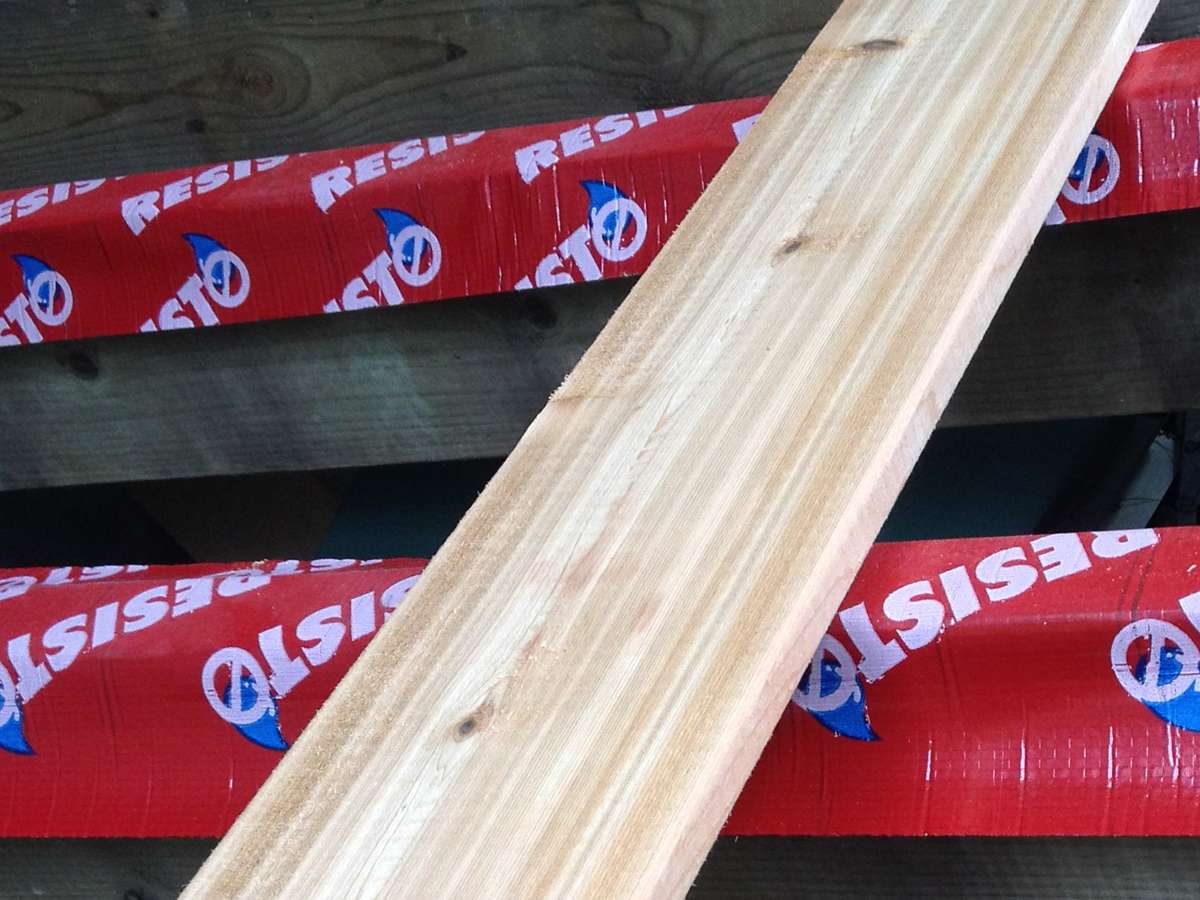
This material is tough and can resist rot and insects for many years, but it is prone to warping, twisting, and cracking if not properly sealed and maintained. A typical lifespan is 15-20 years, though this can be shorter in harsh, wet climates.
Cedar Decking
As a softwood, cedar is more prone to scratching and denting. However, its natural resistance to decay gives it a respectable lifespan of 20-30 years with regular maintenance. It is less likely to warp than pressure-treated wood but can become brittle over time if left untreated.
Composite Decking
Composite decking is the most durable of the three. It won't rot, splinter, or be eaten by insects. High-quality composites are highly resistant to staining and fading, and many come with warranties of 25 years or more. While it can be scratched, it is generally more resilient than wood.
Maintenance requirements
Maintenance is a key consideration that directly impacts a deck's lifespan and your wallet. The required effort varies dramatically between these three materials.
Pressure-Treated and Cedar Decking
Both require regular maintenance to look good and last. This involves annual or bi-annual cleaning to remove dirt, mildew, and grime. Additionally, both woods require a stain and/or sealant application every 1-3 years. Failing to do so will lead to splintering, cracking, and a shorter lifespan.
For more specific guidance on how to care for your cedar deck, including cleaning and sealing techniques, see our guide on how to restore a cedar wood deck easily.
Composite Decking
This is a low-maintenance solution. The only required maintenance is periodic cleaning with a hose and a soft brush to remove dirt and debris. No staining, sealing, or painting is ever needed. This is a significant advantage for homeowners who prefer to spend their time enjoying their deck, not working on it.
Environmental impact of decking material choices
The environmental footprint of a deck material is determined by its sourcing, manufacturing process, and end-of-life disposal.
Cedar
As a natural, renewable resource, cedar has a relatively low environmental impact, especially if it is sustainably harvested and FSC-certified. It is also biodegradable at the end of its life, returning to the earth without releasing harmful chemicals.
Pressure-Treated Wood
The use of chemical preservatives is the main environmental concern. While modern treatments are safer, the chemicals can still leach into the soil and complicate disposal. Most municipalities do not allow it in landfill and require it be taken to a designated disposal site, and it should never be burned as the smoke can be toxic.
Composite Decking
The environmental impact of composite decking is complex. It's often made from recycled plastic and wood waste, which divers materials from landfills. However, the manufacturing process can be energy-intensive. Some products, like the Dekavie boards made from 100% recycled plastic, have a better eco-story. Composites are not easily biodegradable, but their long lifespan means they won't need to be replaced as often, reducing the consumption of new resources.
Deck performance in different climates
The climate where you live is a critical factor in how well a deck material will perform over time. What works well in a dry, sunny climate may not be ideal for a wet, humid one. Decks built in wet climates will need more maintenance, and likely need replacing sooner. Regular maintenance and protecting wood with exterior stains can extend the life of a deck.

Wet, Humid Climates (e.g., UK, New Zealand, Eastern US & Canada)
In these climates, materials with strong resistance to rot and mildew are essential. Composite decking excels here due to its non-porous nature. Cedar also performs well due to its natural rot resistance, but requires diligent sealing. Pressure-treated wood is a good, durable choice but must be well-maintained to prevent warping and cracking from moisture absorption and release.
Hot, Sunny Climates (e.g., Australia, Southern US)
In hot climates, the main concerns are UV damage, heat retention, and fading. Cedar and pressure-treated wood can be protected from UV rays with a good quality stain. Some composite brands can get very hot under direct sun, so choosing a light colour or a brand with heat-resistant technology is important. Fading can be an issue for all three materials if not properly protected.
In brief
Choosing the right decking material involves balancing initial cost, long-term maintenance, durability, and aesthetics. Pressure-treated wood is the most affordable but requires the most maintenance. Cedar offers a beautiful, natural aesthetic with good durability but at a higher cost and with regular care.
Composite decking is the most expensive upfront but offers the lowest maintenance and longest lifespan, making it an excellent long-term investment. By carefully considering your specific needs and local climate, you can select the material that provides the best value and enjoyment for your new deck.
Now that you know more about deck building materials, find more info about sustainable construction and green building techniques in the Ecohome Green Building Guide and these pages below:
-
How to restore a cedar wood deck easily
-
Ecohome top tips for how to build decks that last longer
-
Shou Sugi Ban carbonized burnt wood siding
-
How to stain or paint cedar wood decking when renovating old decks


Comments (0)
Sign Up to Comment