
The complete guide to metal roof maintenance
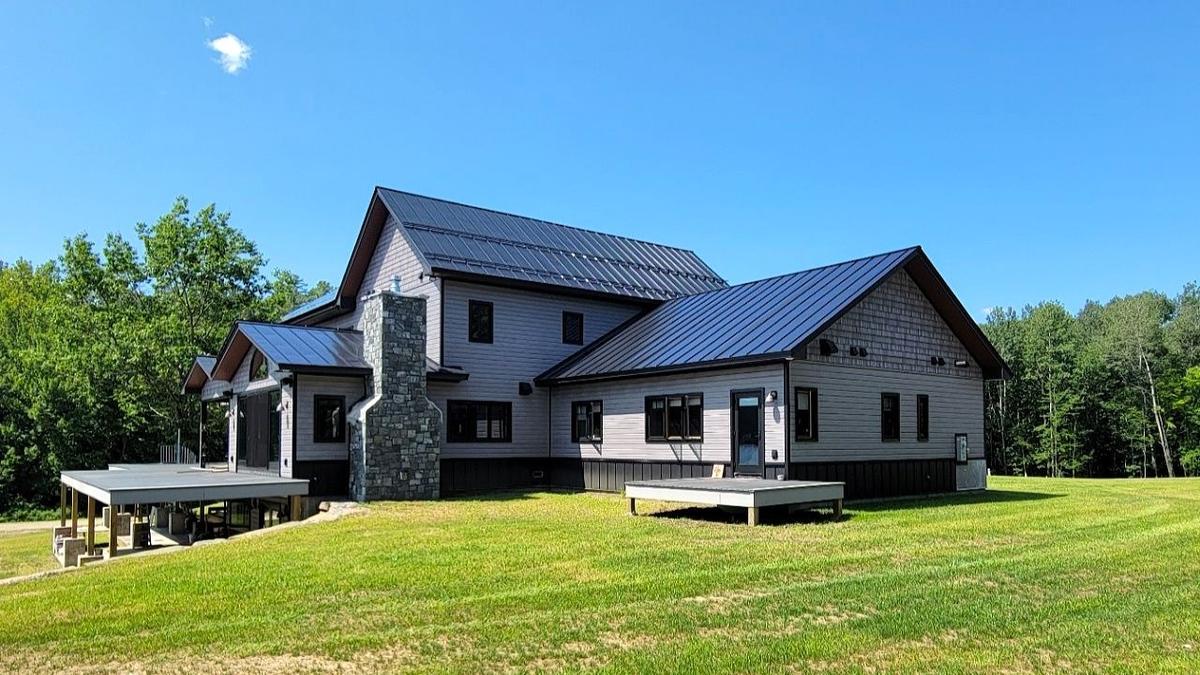
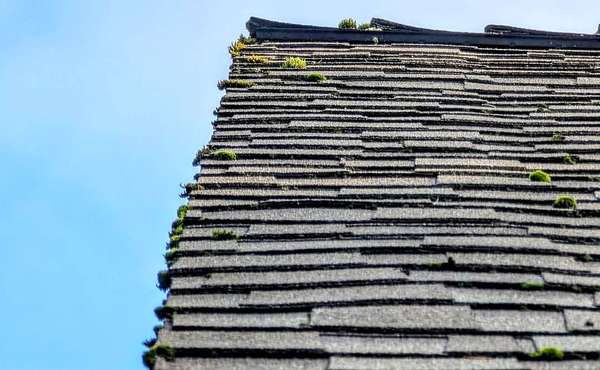
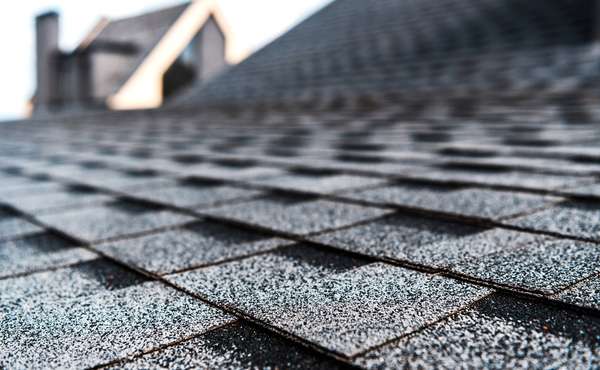
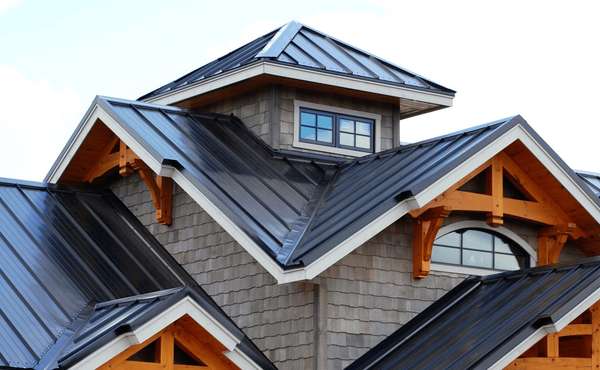
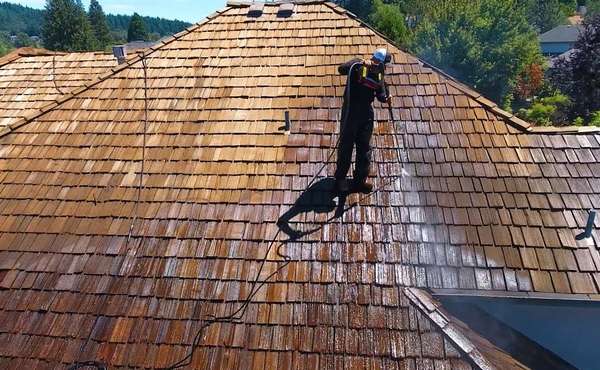
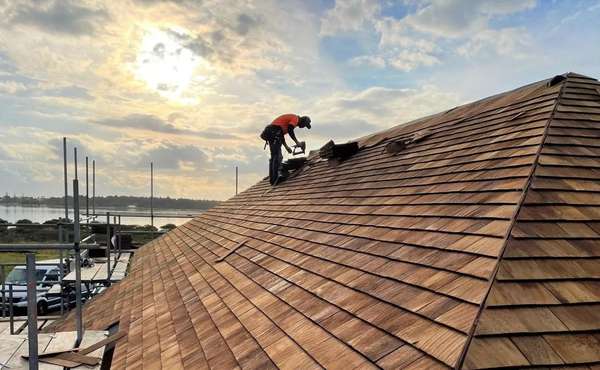
To protect your long-term investment, this complete guide to metal roof maintenance provides homeowners and pros with a definitive resource for cleaning, treating, and preserving this durable material. Metal roofing is a premium choice known for its exceptional longevity, weather resistance, and energy efficiency. It has a singular advantage over most other options in having far fewer joints or cracks through which water can blow or leak through than, lets say, a cedar shake or asphalt shingle roofing tile.
So, for those of us who are building a sustainable home on a budget, the factory finish on a metal roof is going to be its primary line of defense from the weather and general deterioration. it protects the finish from environmental factors such as UV radiation, debris, and corrosion is key to ensuring it lasts for its full 50+ year lifespan or beyond. This guide covers everything from routine cleaning to advanced repairs for all common types of residential metal roofs (and by that as mentioned, we mean steel roofs).
- Understanding your metal roof type and finish
- Common metal roof problems to diagnose
- The step-by-step guide to safely cleaning a metal roof
- Advanced maintenance: Repainting and repairs
- Roof penetrations: Skylights and sun tunnels
- The essential takeaways: Metal roof maintenance
Understanding your metal roof type and finish
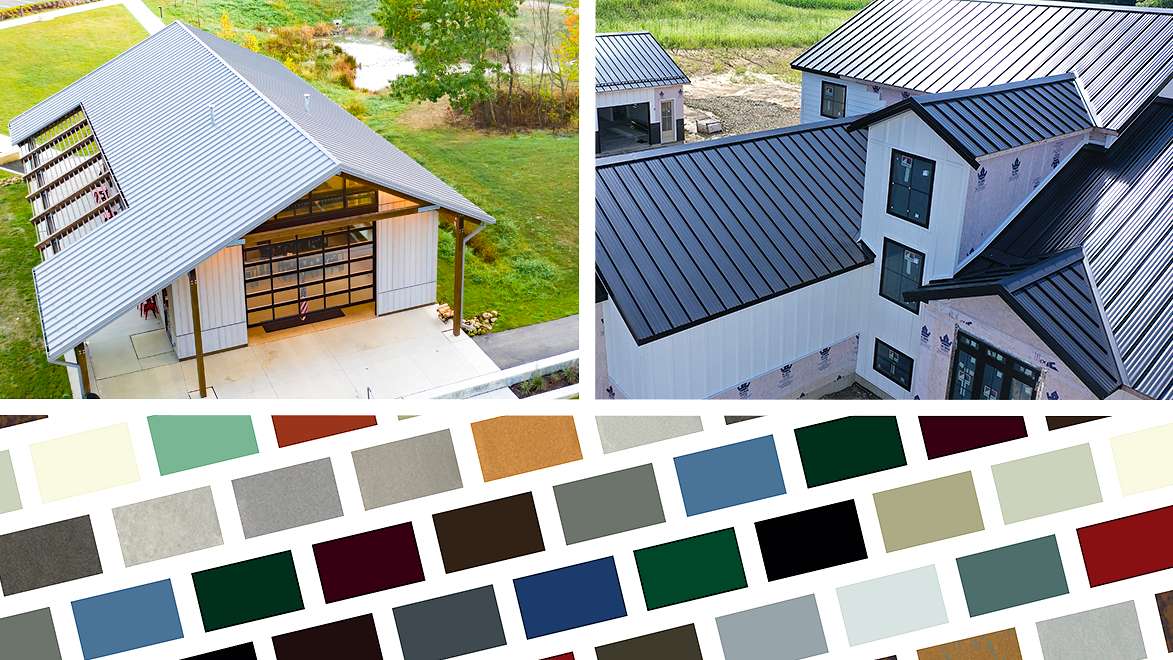
Before you begin any maintenance, you must understand your metal roof type and finish, as using the wrong cleaner or technique can cause irreversible damage to the finish on any regular metal roof. Unlike asphalt shingles which are pretty much similar barring the colour or depth of the shingle, metal roofs and metal roofing sheets come in a wide variety of materials and coatings, and each with its own specific care requirements and manufacturers recommendations. (Which, if you ever wish to ever claim on your warranty, we recommend you follow to the letter)
Painted Steel & Aluminum (SMP & PVDF/Kynar 500 or Hylar)
This is the most common type of residential metal roofing material. The steel or aluminum base is protected by a multi-layer paint system. Standard panels use an SMP (Silicone Modified Polyester) finish, while premium panels use a PVDF (Polyvinylidene Fluoride) finish.
Of any polymer used within coatings today, PVDF coatings are the leaders when it comes to UV resistance, delivering an eco-friendly way to resist heat absorption from the sun. PVDF coatings not only help lower energy cooling costs and keep interior spaces more comfortable, but do so without sacrificing durability, performance or beauty.
Two of the most widely recognized brands of PVDF resins in the U.S. are Hylar® by Solvay Solexis and Kynar® by Arkema Inc. both offer comparable performance per industry standards for weathering. PVDF offers superior resistance to fading and chalking and carries a longer warranty. Protecting this paint finish is your primary maintenance goal if you have this type of metal roof.
Unpainted Finishes (Galvalume & Zincalume)
These steel panels have a shiny, metallic appearance and are protected by a coating of zinc and aluminum alloy which can be a great choice if you have a south facing roof and don't mind blinding birds, critters, or the occasional passing pilot!
These types of roofing panels are highly resistant to corrosion, staining, leaks or heavy weather, but they don't have a paint layer to protect them, and aesthetically they aren't necessarily to everyones taste. The key is to avoid scratching this protective metallic coating over the mild steel panel, as this can expose the steel core to rust, but apart from that, they're brilliant, literally! (Did you see what I did there? - Cool - literally, lol).
Sorry readers, as much as choosing a durable, metal roof is a seriously great choice, just the thought of using this material to enhance a home is making this author a little giddy, because it's so rare to try something out of the ordinary here in North America - and folks, please, we really should do where it makes such good sense! Cheap, resilient, recyclable and effective shelter - what's not to love? Anyhow, we should continue...
Stone-Coated Steel
These roof covering panels combine the strength of steel with the appearance of shingles or tiles. A thick base coat is covered with ceramic-coated stone granules - which gives them a certain 'traditional' visual appeal - but kinda loses the KISS appeal of a big plain steel surface, albeit a painted one.
Maintenance of a stone-coated steel roofing panel is focused on preventing granule loss and addressing any moss or algae that may grow on the textured surface because of the organic micro-nutrients that can pool in the water of the little pockets the not-smooth surface gathers. Everything in construction is a compromise, and this is yet another example of that.
Common metal roof problems to diagnose
A regular visual inspection allows you to diagnose common metal roof problems early, preventing minor issues from becoming costly failures. From a safe vantage point like a ladder or the ground, and when conditions are favorable, (so a fine day but one without the sun in your eyes), look for the following - and also consider taking an annual photograph under similar conditions so that you can spot changes to your shiny metal roof early, and do some essential maintenance before it's too late:
- Fading and Chalking: A dull, chalky residue on the surface of painted panels is a sign the paint resin is beginning to break down from UV exposure. This is the first sign of age.
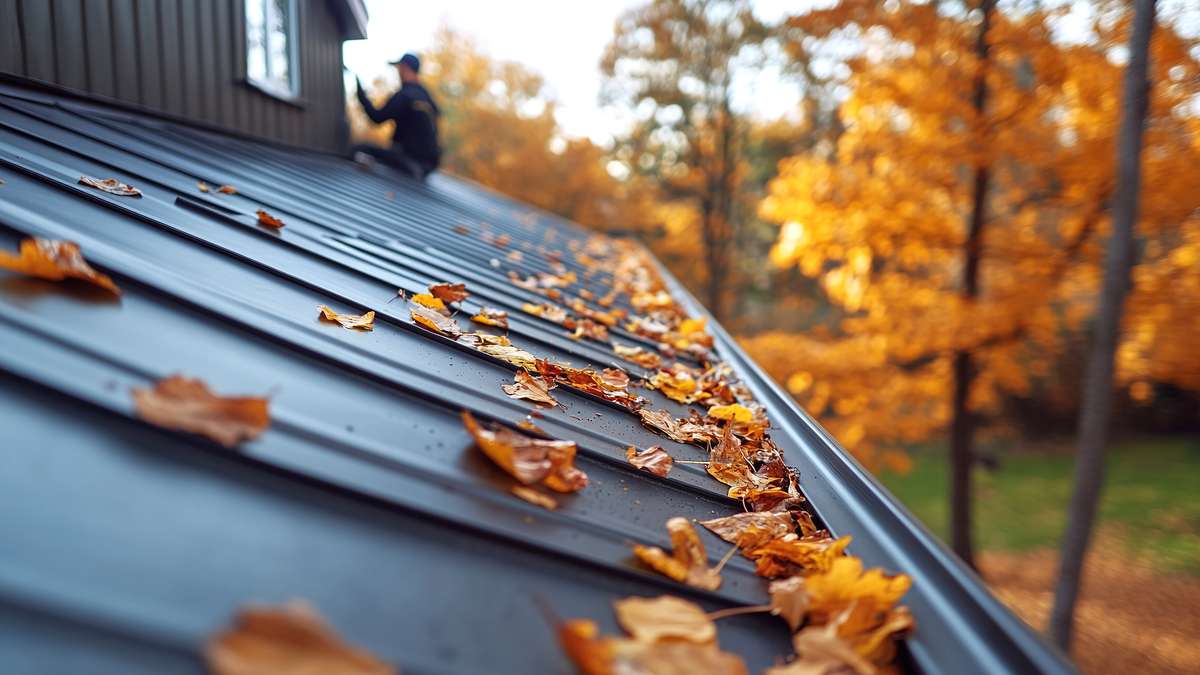
- Debris Accumulation: Piles of leaves, pine needles, and branches, especially in roof valleys or against walls, trap moisture and organic acids directly against the panel's finish. This can accelerate corrosion, cause staining on the roof finish especially the lighter colors, and paint failure.
- Organic Growth: While less common than on other roofs, lichen and moss can still gain a foothold, especially on lower-slope roofs or those in deep shade. They hold moisture and should be removed.
- Bird Poop! (and certain tree sap deposits): Dear Reader, if you've read this far, then you deserve some very specific metal roof maintenance insight. Bird poop and certain tree sap like can be highly corrosive - to both metal roofs and Volvo's - trust me, I know of what I speak. It may sound strange, but one of the most concentrated chemical threats to your roof's finish is delivered from above, often with surprising precision, by your local bird population. And we're not just talking about any birds; the droppings from seabirds, like seagulls, and even majestic birds of prey, like a neighborhood owl on its nightly watch, are particularly potent. The problem isn't the mess, it's the chemistry. Bird droppings are highly acidic due to their uric acid content. Just like tree sap, when these droppings are left to bake onto a sun-drenched metal roofing panel, the acid works insidiously to etch and eat away at the protective paint finish. This can lead to permanent discoloration and, if the damage is deep enough to breach the protective surface coating on your roof (or car), and create an open invitation for rust and corrosion. So, while a visiting owl, wily crow, or raucous seagull might be a charming sight, it's worth remembering it can leave behind a rather corrosive and copious calling card. Prompt cleaning is the only defense against these aerial assaults, so while metal roof may be a great and maybe the best choice for roofs in Ecohome's opinion - to keep them beautiful and watertight still takes a certain amount of maintenance to keep them perfect.
- Scratches and Scuffs: Scratches that go through the paint and expose the vulnerable metal substrate are prime locations for rust to begin. Consider our trucks and vehicles - stone chips are always the first areas to rust, so periodically covering them up can slow the rust down. These should be addressed immediately, and especially after the initial installation - if a metal roof is scratched and you paid a local roofing professional or experienced general contractor to fit it, ask them politely to repair or replace the panel they damaged before paying the final check!
- Loose or Damaged Fasteners: On roofs with exposed fasteners, check for screws that have backed out, worked loose or that have damaged or dried-out rubber washers. These are common points for leaks on the more basic metal roof coverings.
The step-by-step guide to safely cleaning a metal roof
This step-by-step guide to safely cleaning a metal roof focuses on using gentle methods to preserve the factory finish. Never use abrasive tools like steel wool, wire brushes, or high-pressure washers if there is an applied surface coating, as they can damage or strip the paint and void your warranty.
- Choose the Right Metal Roof Cleaner: For general dirt and grime, a simple solution of water and a mild, non-abrasive detergent (like car wash soap) is all you need. For tougher stains or organic growth like lichens, use a diluted eco-friendly oxygen-based cleaner. Here's an important point - don't use dish soap - and this applies to your car or truck too! Dish soap usually has salt added to it to act as an anti-bacterial agent - and of course we all know what happens when you rub salt into steel and add water - yep, it rusts faster than ever!
- Rinse First: Gently rinse the entire roof surface with a garden hose to remove loose dirt and debris and to soften up whatever is stuck up there - including "bird splashes" which can be highly corrosive as mentioned above.
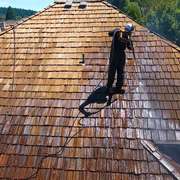
- Clean Gently: Using a soft cloth, sponge, or a very soft-bristled brush on an extension pole that you can attach your hose too for a continuous supply of water that should help prevent scratching, wash the roof section by section from the top down. Use minimal pressure - and avaid bashing the metal and causing dints or scuffs to the finish.
- Rinse Thoroughly: Rinse completely with the garden hose to ensure no cleaning residue is left behind, which could cause streaking. It's often best to clean on an overcast day to prevent the soap or water on the roof from drying too quickly. If you've ever washed a treasured vehicle, you should understand the drill - and let's face it, your metal roof probably costs close to the same as your car (at least if you're washing it yourself!)
Advanced maintenance: Repainting and repairs
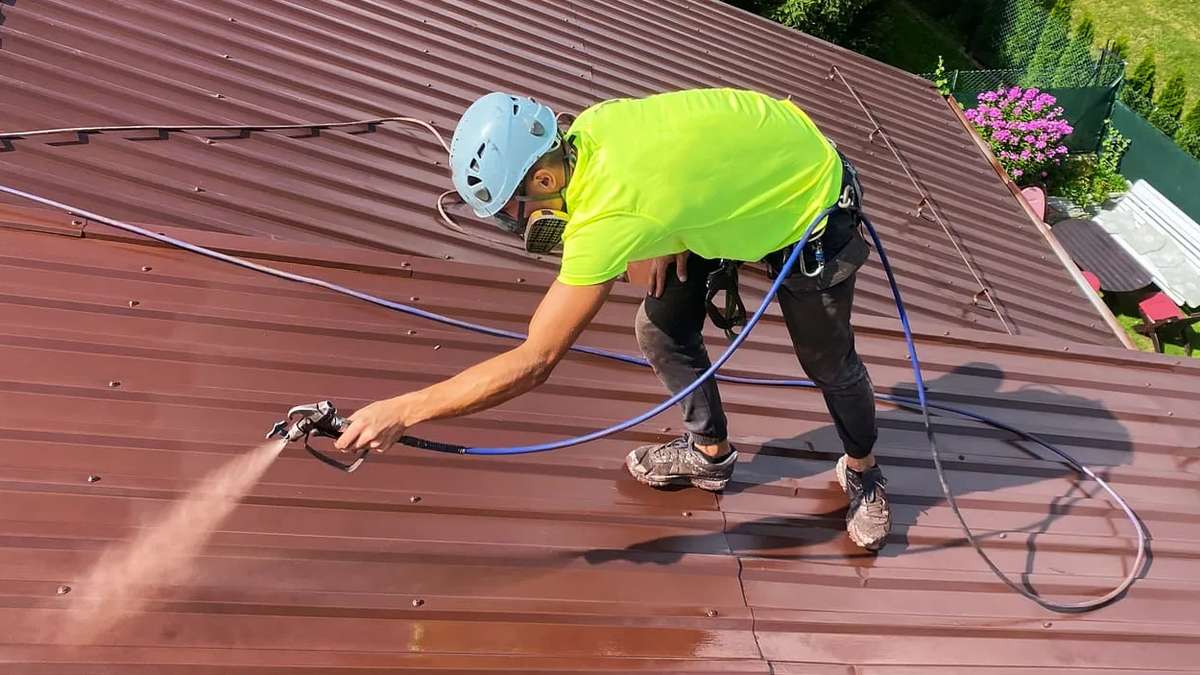
For older roofs showing signs of wear, advanced maintenance like repainting and minor repairs can add decades to the life expectancy of a metal roof. When the factory finish begins to fail, you don't necessarily need to replace the roof. A professional repaint with careful preparation, the right low VOC paint products and the right conditions can restore its appearance and protective qualities.
Repainting to Prevent Corrosion
If the original paint finish on your metal roofing is heavily chalked, faded, or beginning to peel, it can be professionally repainted. This involves a thorough cleaning, a light scuff-sanding to promote adhesion, application of a specialized bonding primer, and finally, new top coats of a high-quality acrylic or preferably, PVDF formula.
The thickness and type of the original finish will determine the prep work required. This is a complex job for professionals, but it is far more cost-effective than replacement and is a major reason to choose metal roofing over other materials. You can explore a detailed comparison in this guide on which is better, metal roofing or asphalt shingles.
Repairing Scratches and Fasteners
Small scratches should be cleaned immediately and touched up with a matching paint pen provided by the manufacturer to prevent rust. Exposed fasteners should be checked every few years; any that are loose should be tightened, and any with cracked or missing washers should be replaced with slightly larger-diameter screws and a new washer to ensure a tight seal.
Roof penetrations: Skylights and sun tunnels
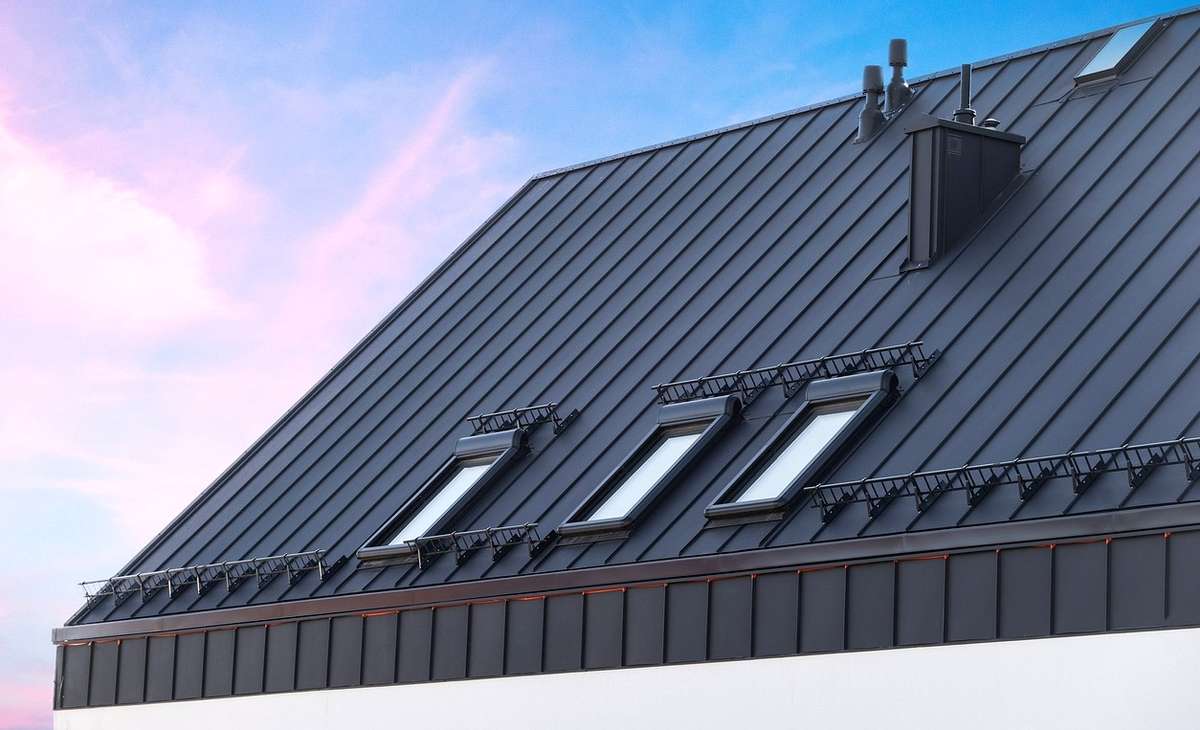
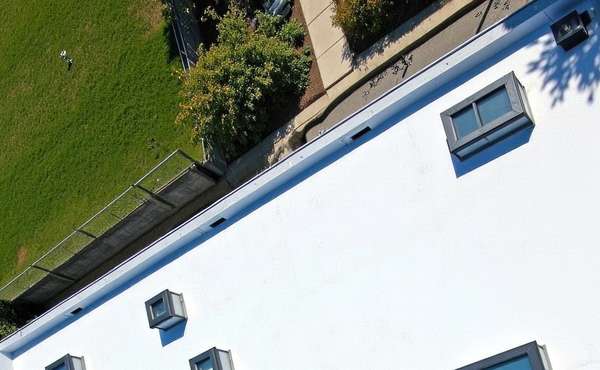
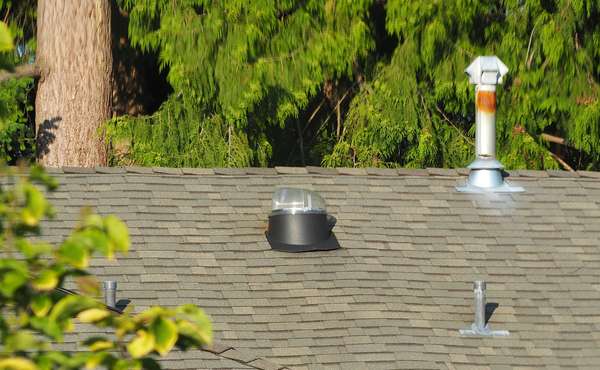
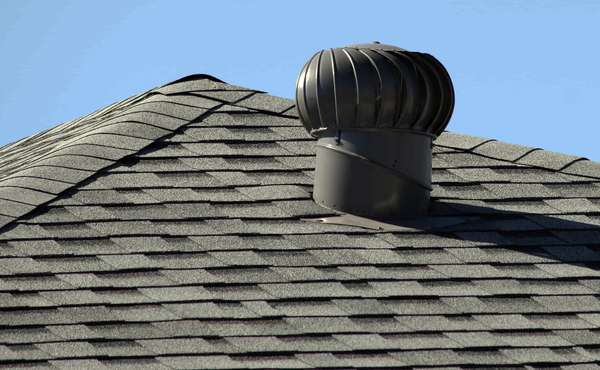
Special attention must be paid to roof penetrations during maintenance, as these are the most common points for leaks to develop. Debris often collects around the flashing of skylights and vents. It's essential to keep these areas clear to allow water to drain properly.
When cleaning around these fixtures, inspect the seals and flashing for any signs of cracking or pulling away from the roof panel. While skylights can be a great source of natural light, it is important to understand whether skylights are an asset or a liability in terms of energy performance and maintenance.
For smaller spaces, or if you'd rather just be bathed in free light without the headaches that velux windows or skylights can bring, sun tubes or tubular skylights often present a lower risk for leaks, or condensation on windows, and are easier to maintain.
The essential takeaways: Metal roof maintenance
The essential takeaways for metal roof maintenance are to be gentle, be proactive, and understand the specific finish on your metal roofing panels. The long life of a metal roof is entirely dependent on its protective finish - be that painted or metallic. Avoid abrasive tools and harsh chemicals at all costs on metal roofing - just as you would on the hood of your freshly restored 1970 Chevelle SS 454 LS6!
Conduct regular visual inspections and keep the surface free of debris like leaves and pine needles, which trap moisture and can lead to corrosion - otherwise known as the dreaded tin-worm. Address minor scratches and loose fasteners immediately to prevent rust and leaks.
While a metal roof is a significant investment, sometimes compared to options like a Tesla solar roof, its durability is only truly realized through a simple but consistent maintenance routine that relies on keeping on top of known failure points and maintaining your roof in weathertight and pristine condition.
Now that you know more about Metal Roof Maintenance, find more info about durable roofing & green building techniques in the Ecohome Green Building Guide and these pages below:
-
Eco-friendly roof cleaning: the complete guide
-
Which are the best asphalt shingles?
-
Which roofing materials are best, and why?
-
Solar panels: a homeowner's & pro's guide




Comments (0)
Sign Up to Comment