







The definitive guide to cleaning and treating tile and slate roofs
As one of the world's most durable and long-lasting roofing systems, this definitive guide to cleaning and treating slate or tile roofs will help you protect your investment for a lifetime. Whether made of concrete, clay, or natural slate, tile roofs are designed to withstand the elements for 50, 100, or even more years.
However, achieving that incredible lifespan requires a specific understanding of their unique characteristics, vulnerabilities, and maintenance needs. This guide provides a comprehensive walkthrough for homeowners and professionals on how to diagnose problems, perform safe, eco-friendly cleaning, and address the nuanced repairs required to keep a tile and slate roof performing flawlessly.
- Understanding your tile roof: concrete, clay, and slate
- Diagnosing common problems on tile roofs
- The safe way to clean a tile roof
- Repair and replacement strategies
- Hiring a tile roofing specialist
- The essential takeaways: Tile roof care
Understanding your tile roof: concrete, clay, and slate
To properly maintain your roof, you must first understand the specific tile material you have, as concrete, clay, and slate have very different properties. While they can look similar from a distance, what they are actually made of dictates how they age and what care they need over time.
Concrete and Clay Tiles
Concrete tiles are a durable, fire-resistant, and cost-effective option, manufactured from sand, cement, and water. Clay tiles, often seen in their classic terracotta form, are molded from natural clay and fired in a kiln.
Both are excellent choices, but concrete tiles are porous and can absorb moisture, making them prone to moss and algae, plus they use sand and cement, both of which have an environmental impact, while glazed clay tiles are more resistant - and you can still find Roman ones on roofs in Italy, giving an idea of how long these roofs can last with careful maintenance.
Natural Slate: The Lifetime Roof
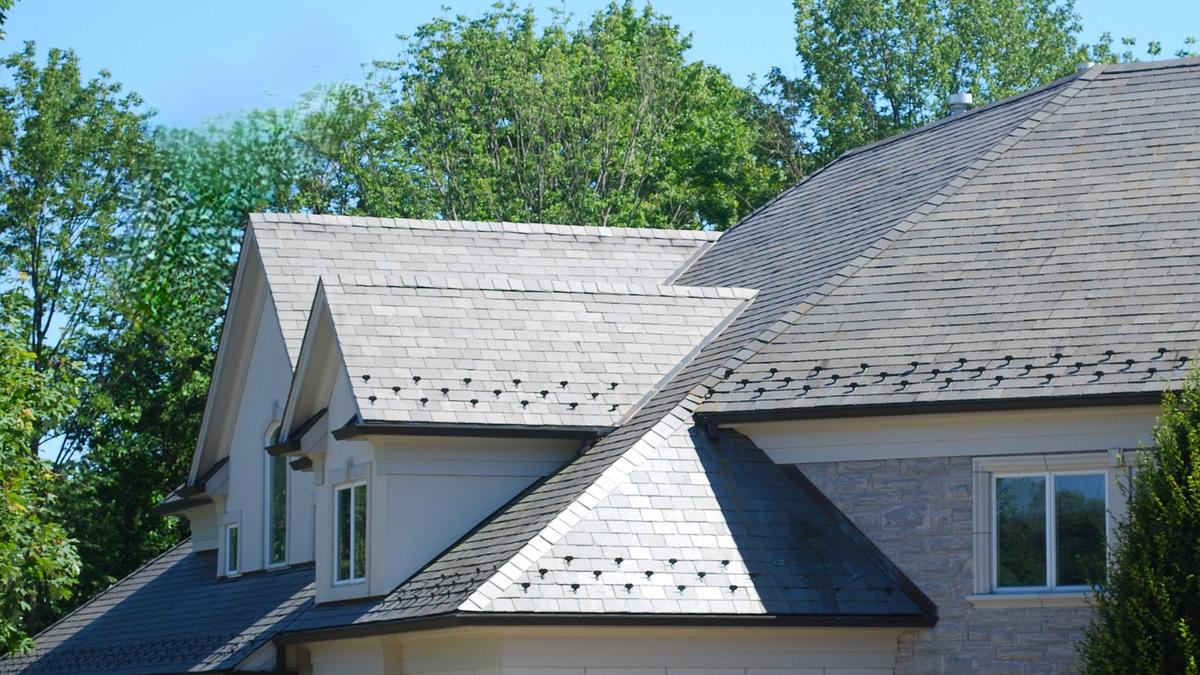
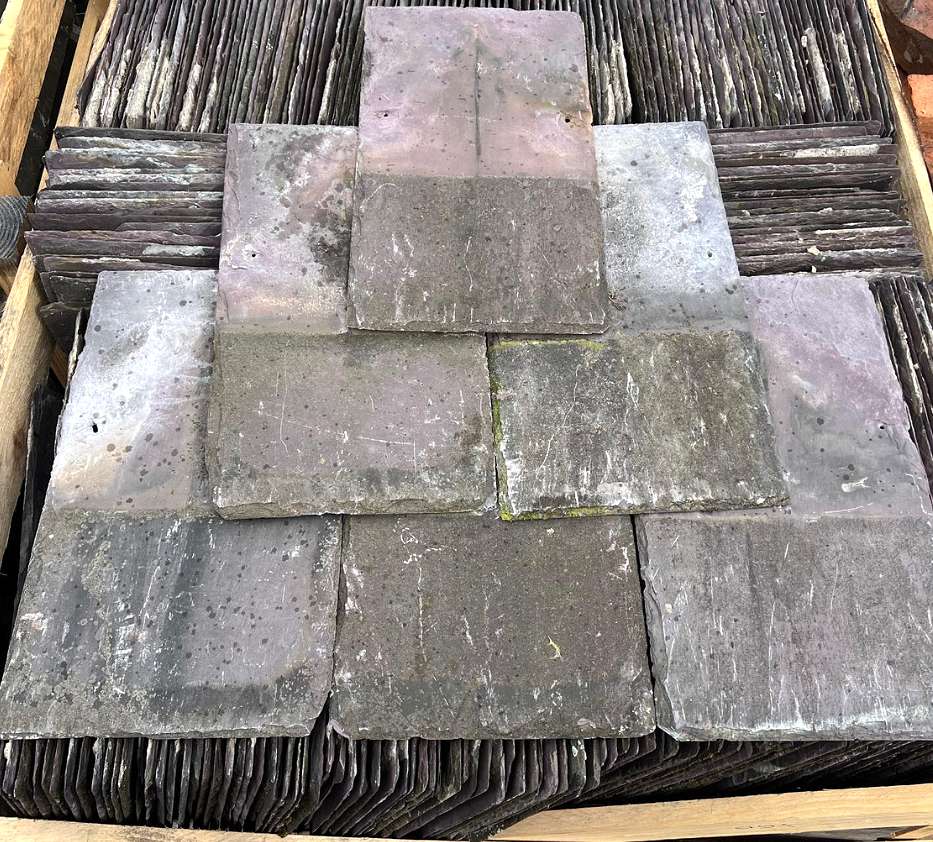
Natural slate is a metamorphic rock, quarried and split by hand into thin, incredibly durable shingles. A well-installed slate roof can last for over a century. Its extreme density makes it waterproof and highly resistant to organic growth. However, this material comes with a significant ethical consideration.
The process of quarrying and cutting slate can expose workers to silica dust, which causes the incurable lung disease silicosis. This has also become a major health crisis for workers cutting engineered quartz countertops, as detailed in this guide to sustainable and non-toxic countertops, and the same risk applies to slate.
If you have an existing slate roof, preserving it is an ethical choice. If considering a new one, investigate the labor practices of the quarry, particularly those from regions with less stringent worker protections.
Diagnosing common problems on tile roofs
Correctly diagnosing common problems on tile roofs requires a careful visual inspection, preferably by a professional, to avoid the danger of walking on the surface. While the tiles themselves are durable, the system can have several points of failure.
Cracked, Slipped, or Broken Tiles
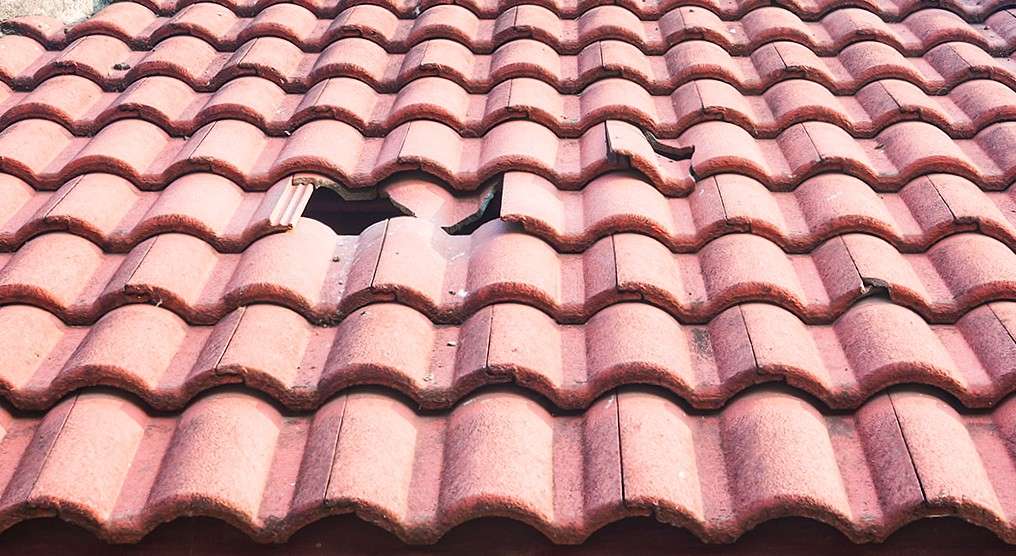
The most obvious issue for a tile roof is physical damage. A single cracked tile can allow significant water intrusion to the underlayment below and can be caused by impact damage from a wheel falling off a plane, a meteorite crashing through it, or most commonly from a ball or someone retrieving a ball off the roof.
Tiles can also slip out of position if their fastening fails, creating a clear gap in the roof's covering and leaving the tar paper or rainscreen vulnerable to UV damage or rodent and pest ingress. Back to needing a local and ethical pest control company!
Organic Growth and Efflorescence
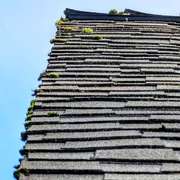
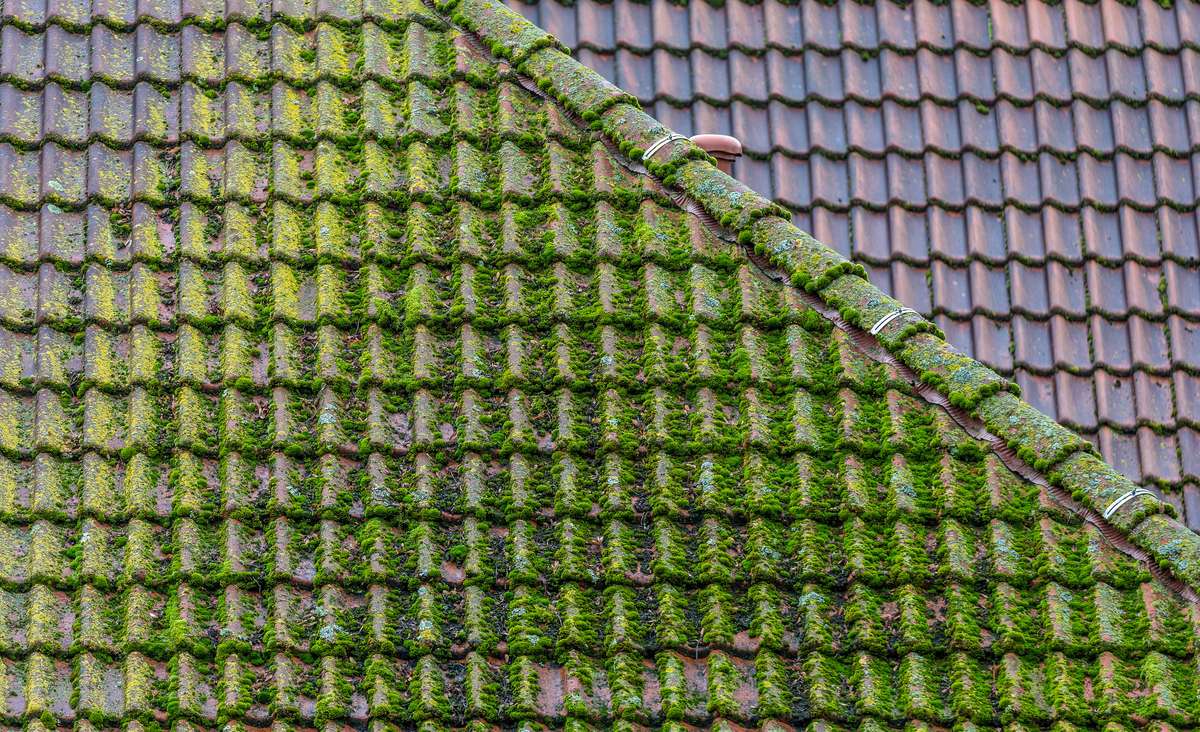
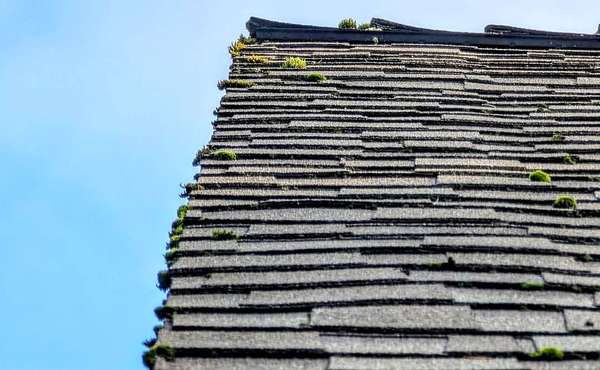
Moss and algae are common on concrete tiles in damp climates, growing in the joints and holding moisture against the surface. Concrete can also exhibit efflorescence-a white, powdery stain caused by salt deposits being drawn out of the tile by moisture.
Some concrete tiles also have a sand finish which, while it sure makes them more reassuring to walk on, also means that they can get mossy or covered in lichens that then start to break them down and can look a little messy.
Fastener and Hook Failure
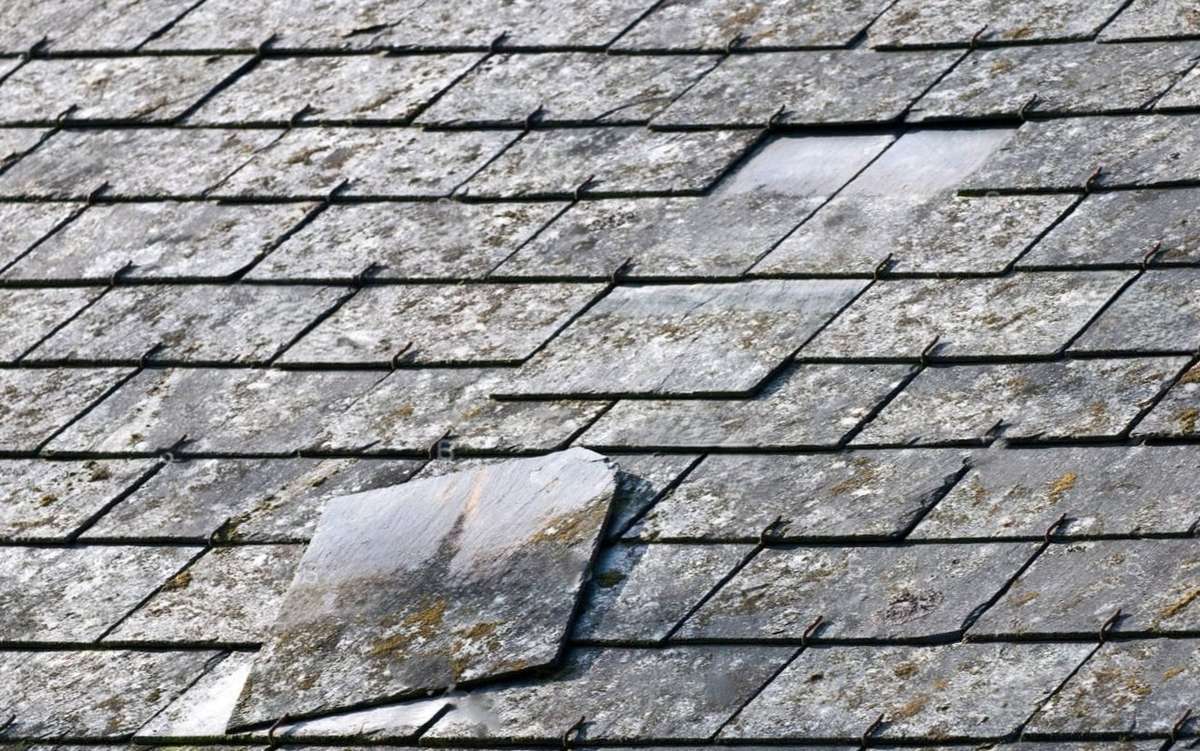
This is a critical, often hidden issue. On traditionally top-nailed roofs, galvanized nails can suffer from fatigue and corrode over decades, allowing tiles to slip. This is especially true for slate. In many parts of Europe, slate tiles are 'bottom hooked.'
Over time, these metal hooks can corrode, especially on the lee side of a roof which may hold moisture longer. If you see slipped slates, it may be time for a specialist to carefully strip that section and re-fix the slates with durable stainless steel hooks or, if top-nailing, new copper nails.
The safe way to clean a tile roof
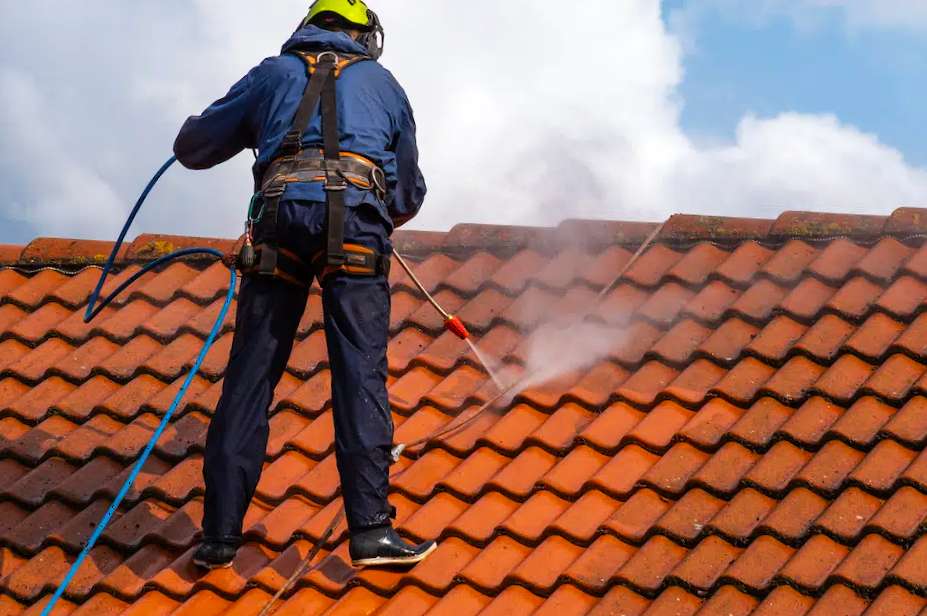
The only safe way to clean a tile roof involves avoiding walking on it and using gentle, low-pressure cleaning methods. Walking on clay, concrete, or slate tiles is extremely dangerous; they are often slippery when wet and can easily crack under a misplaced step, leading to both personal injury and expensive damage.
This job is almost always best left to professionals with the right safety equipment and experience. There is a golden rule about roofs - if you're really nervous about getting on a roof, don't get on it. If you're cautious about getting on a roof and you have all the safety equipment and you take the necessary precautions, you should be ok. If you're happy and confident about getting on a roof to clean or repair it - you probably shouldn't.
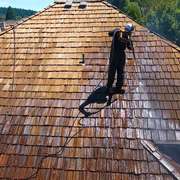
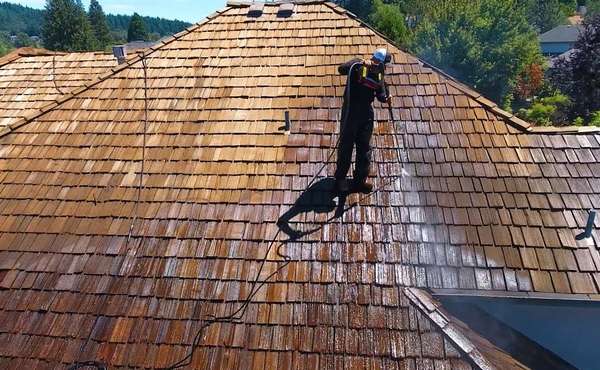
We have unfortunately seen too many accidents with tiled and slate roofs to recommend anyone gets up there without being secured and insured. Once up on a roof, cleaning should be done with a non-toxic, eco-friendly oxygen-based cleaner applied with a sprayer from a ladder or lift and left to react-which is best applied on a dull day.
Pressure washing can be used on some durable concrete tiles, but only on very low-pressure settings, and should never be used on slate or older clay tiles, as it can fracture them or force water underneath.
Repair and replacement strategies
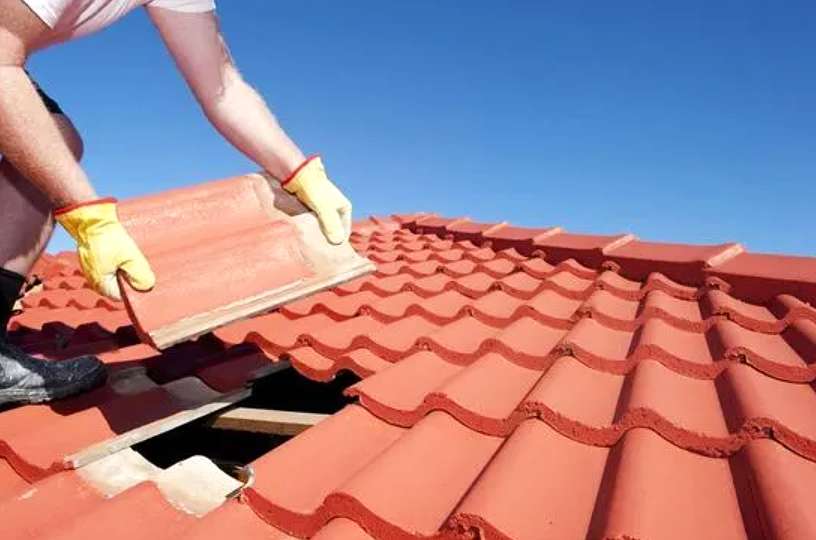
When dealing with failing tiles, your repair and replacement strategies will depend on the extent of the damage and the value of your material. A few cracked tiles or slates can be individually replaced by a professional, who will carefully remove the old tile and slide a new one into place.
However, if your roof needs extensive care-such as widespread fastener failure or a failing underlayment-it presents a unique opportunity. Natural slate, in particular, often has significant resale value. It may be more economical to have a professional carefully strip the entire roof, sell the salvaged slate, and replace it with a modern, high-performance composite or recycled slate style roof covering.
These modern materials offer the look of slate with less weight and maintenance, and are an excellent choice among the many types of roofing materials available.
Hiring a tile roofing specialist
Due to the unique challenges and high stakes, hiring a tile roofing specialist or slate expert is always the wisest course of action for any repair or significant maintenance. A general roofer may not have experience with the specific techniques for replacing individual tiles without damaging surrounding ones, or the knowledge to properly re-fasten slipped slates with copper nails or stainless hooks. A specialist will have the right tools, safety gear, and expertise to ensure the job is done correctly, preserving the integrity of your lifetime roof.
The essential takeaways of tile roof care
The essential takeaways for tile or slate roof care are to respect the material's durability, be aware of its specific failure points, and prioritize safety above all. Concrete, clay, and slate roofs can last a century, but only if problems like cracked tiles and fastener fatigue are addressed promptly.
Cleaning must be done gently and without excessively walking on the roof surface. When considering a new slate roof, be mindful of the ethical implications of its sourcing. If faced with extensive repairs, remember that salvaging and reselling valuable slate can be a viable strategy.
Above all, this is not what we'd call a DIY-friendly material, and it's really hard watching a YouTube how-to video while wobbling around on a ladder; always rely on the expertise of a specialist to protect your investment, and stay safe out there, folks!
Now that you know more about tile roof care, find more info about durable roofing and green building techniques in the Ecohome Green Building Guide and these pages below:
-
Eco-friendly roof cleaning: the complete guide
-
The complete guide to metal roof maintenance
-
How to clean and maintain asphalt shingles
-
An introduction to rainwater harvesting
-
Guide to the best asphalt shingles













Comments (0)
Sign Up to Comment