











Home floor tiles: a homeowner's and pro's guide
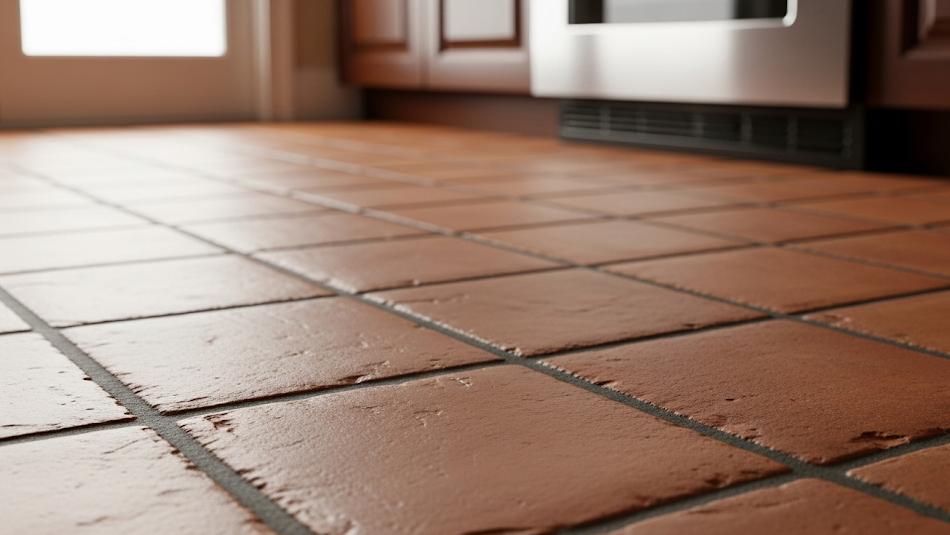
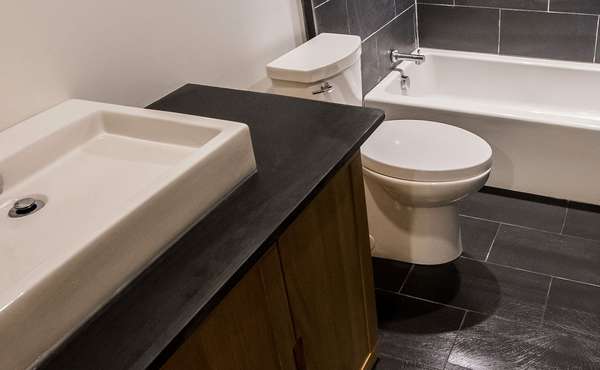
When it comes to choosing the right floor tiles for a home, the decision goes far beyond aesthetics. The ideal tile balances durability, maintenance, cost, and most importantly, environmental impact. As a builder when I chose tile surfaces for my own home, I used handmade terra cotta in my kitchen and bathroom, and a mix of black slate and a more rustic variety of colors for counters and entrances.
I love my tile floors and counter, but after 20 years I don't love the maintenance that they require. Had I really known the maintenance that lay ahead I may have chosen differently, though I mostly say that after I've gone through the cleaning and resealing process. So this is in part a look back at my own choices and to offer some insight for you making your tile choices.
This guide will walk you through the most common and sustainable types of home floor tiles, from traditional ceramic to natural slate and innovative cork, helping you make an informed choice that’s right for your project and the planet.
Whether you're a homeowner renovating a single room or a professional specifying materials for a new build, this guide provides the critical information and objective analysis you need to make a confident decision.
This guide provides a comprehensive look at the key aspects of this topic. Below is an overview of the sections we will cover, allowing you to jump directly to the information you need.
- Choosing the right tile for my home
- Ceramic and porcelain tiles
- Terra cotta and natural stone tiles
- Sustainable and innovative tile options
- The environmental impact of vinyl flooring
- Installation and maintenance considerations
- Tile sealing and eco-friendly sealants
- In brief
What's the right tile for my home?
Choosing the ideal tile requires a holistic approach that considers both the physical properties of the material and its environmental footprint. Many homeowners and pros focus on aesthetic and cost first, but a tile’s suitability for a space depends on several key factors: its durability (PEI rating), water resistance, slip resistance, and thermal mass.
Additionally, understanding the embodied carbon and manufacturing process of a material is critical for sustainable building. For example, a tile that is durable and long-lasting is inherently more sustainable than one that needs frequent replacement.
Ceramic and porcelain tiles
Ceramic and porcelain tiles are among the most popular and versatile flooring options available worldwide, from North America to Australia. While often used interchangeably, they are distinct in their composition and properties. Understanding the differences is key to specifying the right material for a given application, whether for an interior or exterior space.
Both are a type of ceramic, made from clay, but porcelain is denser and less porous because it's fired at a higher temperature. This makes it more durable and water-resistant. Ceramic tiles, being softer, are easier to cut and install, but are more susceptible to chips and wear.
Both are durable, but porcelain is the better choice for high-traffic areas and exterior applications, particularly in climates with freeze-thaw cycles. Glazed ceramic and porcelain tiles are very low-maintenance and do not require sealing beyond a simple, regular washing with a pH-neutral cleaner.
The benefits of glazed vs. unglazed tiles
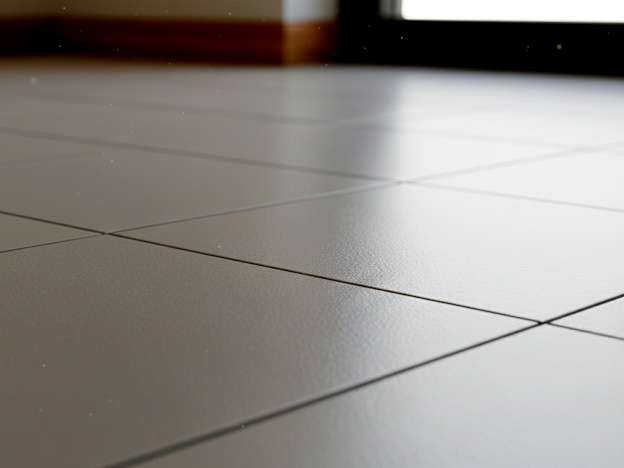
When selecting a tile, you'll also encounter a choice between glazed and unglazed finishes. Glazed tiles are coated with a protective layer, giving them a glossy or matte finish and making them highly resistant to stains and moisture. This finish can also be printed to mimic other materials, like wood or stone. Unglazed tiles, on the other hand, have a more natural, earthy look. They are more slip-resistant but require periodic sealing to prevent staining.
The natural choice: terra cotta and stone
Natural tiles bring an unparalleled organic beauty and character to a home. These materials are minimally processed, often having a lower embodied carbon footprint than manufactured alternatives. However, they also come with specific care requirements.
Understanding terra cotta tiles
Terra cotta, which means 'baked earth' in Italian, is an unglazed, porous clay-based tile known for its warm, reddish-brown hues. Its rustic and porous nature requires it to be sealed regularly to resist stains and moisture.
While it is not as hard as porcelain, its natural, handmade character makes it a popular choice for rustic or Mediterranean-style homes. In most climates, it is not recommended for exterior use as it can absorb water and crack in freezing temperatures.

Natural stone tiles: a luxury that lasts
Natural stone tiles, such as slate, granite, travertine, and marble, offer timeless elegance and exceptional durability. Each type has a unique aesthetic and set of properties. For example, granite is dense and highly durable, whereas marble requires a sealant and more careful maintenance to prevent etching from acidic substances.
The sourcing of natural stone is a key environmental consideration; look for locally-quarried options to reduce transportation-related embodied carbon. Most natural stone tiles, with the exception of certain polished granites, require periodic sealing to protect against stains and moisture.
The durability and challenges of slate tiles
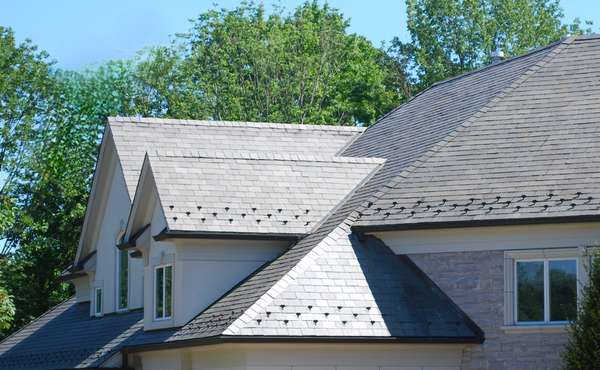
Slate is a fine-grained, metamorphic stone known for its earthy, layered appearance and naturally uneven texture. This texture makes it an excellent choice for floors where slip resistance is a priority.
While it is a durable material, its layered composition can make it difficult to work with, as it has a tendency to chip or flake when cut. Though slate is quite dense, it is still a porous natural stone that needs occasional resealing to prevent discoloration and staining, especially in high-traffic areas.

Sustainable and innovative tile options
The quest for greener building materials has led to a rise in sustainable and innovative flooring options. These are often made from renewable resources or recycled content, offering a positive alternative to conventional products.
Cork flooring: a renewable resource
Harvested from the bark of the cork oak tree, cork is an exceptionally sustainable material. The tree is not harmed during harvesting, and its bark regrows, making it a truly renewable resource. Cork flooring is naturally soft underfoot, has excellent acoustic and thermal insulation properties, and is resistant to mold and mildew.
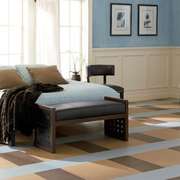
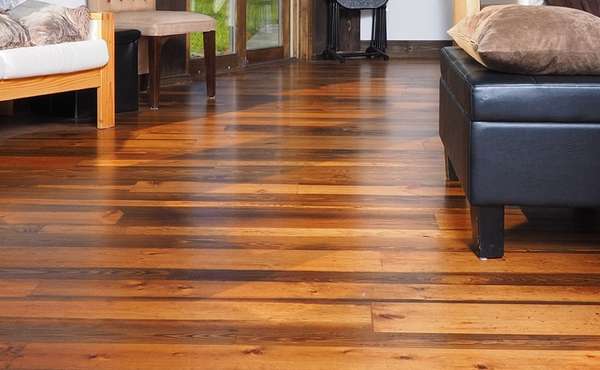
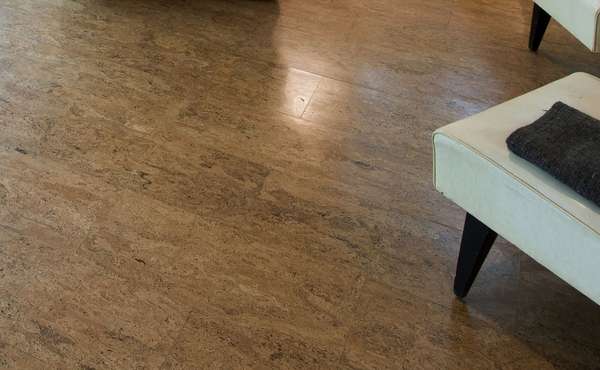
It is available in floating planks and glue-down tiles and can be a great option for kitchens and living spaces. It does, however, require a sealant or topcoat that must be periodically reapplied to prevent water damage and can be susceptible to fading in direct sunlight. Below is a photo of the cork tile floor in the Ecohome LEED Platinum demo house.

The environmental impact of vinyl flooring
Vinyl flooring, including Luxury Vinyl Tile (LVT), is popular due to its affordability, durability, and a wide variety of designs that mimic natural materials. However, its environmental impact is significant and should be carefully considered. Vinyl is a plastic material that requires no special maintenance beyond cleaning.
The primary environmental concern with vinyl lies in its core component: polyvinyl chloride (PVC). The production of PVC relies on a highly toxic process that uses chlorine gas. Chlorine gas manufacturing is energy-intensive and can lead to the release of persistent and bioaccumulative toxins, including dioxins, which are potent human carcinogens.
Additionally, the disposal of vinyl flooring is problematic as it is not easily recycled and can release harmful chemicals into the environment when incinerated or sent to a landfill. Many modern vinyl products are manufactured with lower VOCs (Volatile Organic Compounds), but the initial manufacturing process of PVC itself remains a major issue from an embodied carbon and environmental perspective.
Despite how common vinyl is as a building material there is very little discussion about the harmful effects to the environment, see here why we think vinyl should be avoided as building material in homes.
Installation and maintenance considerations
The longevity and performance of any tile installation depend heavily on proper preparation and maintenance. Whether you are a DIYer or hiring a professional, knowing these details will ensure a successful, long-lasting project.
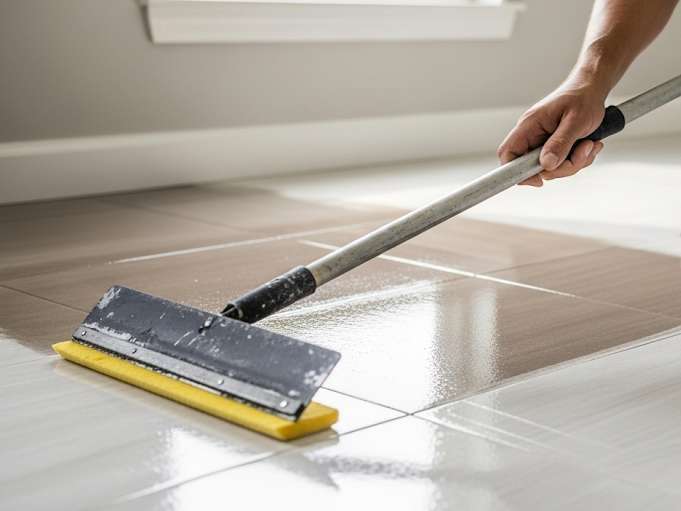
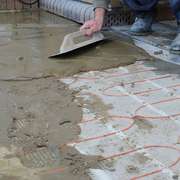
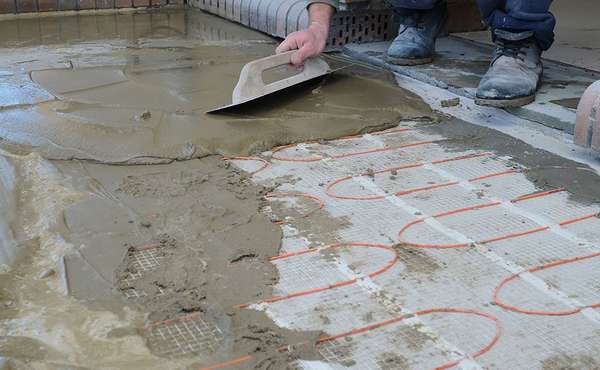
Most tile installations require a flat, stable subfloor and a mortar bed. The grout lines, while aesthetically important, can be a source of maintenance and a magnet for dirt. Proper sealing of grout lines and porous tiles is crucial for preventing stains and water damage.
Tile sealing and eco-friendly sealants
Many tiles, particularly natural stone and unglazed porous materials, require sealing to prevent stains, water damage, and mold growth. Tile sealing is a critical step in both installation and long-term maintenance. The choice of sealant depends on the type of tile and the desired finish, but it's also an opportunity to choose a healthier, more eco-friendly product.
Penetrating sealers vs. topical sealers
There are two main categories of tile sealants. Penetrating sealers (also called impregnators) are a popular choice for natural stone, slate, and porous terra cotta. They are absorbed into the tile and grout, creating a moisture-resistant barrier from within without altering the surface appearance.
Topical sealers are coatings that sit on top of the tile, forming a protective, glossy layer. While they offer excellent stain protection, they can look artificial and may need to be stripped and re-applied as they wear down.
Choosing a healthier, eco-friendly sealant
Traditional sealants often contain high levels of volatile organic compounds (VOCs), which can off-gas into the home and contribute to poor indoor air quality. For a healthier alternative, look for zero-VOC, water-based penetrating sealers.
These products are effective, easier to clean up, and significantly reduce the health risks associated with off-gassing. They are available from most major manufacturers and can be found at local home improvement stores.
In brief
Choosing the right tile for your home or project is a decision that requires careful thought about performance, aesthetics, and sustainability. For high-traffic areas, durable options like porcelain are a great choice.
For a more rustic or organic look, natural stone, slate, and terra cotta offer unique beauty but require sealing to maintain their appearance and integrity. For eco-conscious builders, cork offers a low-impact, renewable, and comfortable alternative. While vinyl is affordable and durable, its manufacturing process has a significant environmental and health impact that should not be overlooked.
Integrating smart thermostats for radiant floors allows you to use "time-of-use" electricity rates to heat your floors during cheaper off-peak hours.
Understanding the interplay between thermal mass vs insulation in old buildings is the key to achieving year-round interior comfort.
Now that you know more about home floor tiles, find more info about sustainable building materials and green building techniques in the Ecohome Green Building Guide and these pages below:
-
DIY cork tile installation video
-
DIY slate tile installation video
-
Marmoleum: a healthy and durable flooring option
-
Find non toxic silica sealants for polished concrete floors

















Comments (0)
Sign Up to Comment