






Silent architecture: designing for peace calm
Let's face it folks, we live in very busy and noisy times, and the pace of modern life is impacting the mental health of an entire generation. Out of the constant stimulation we have surrounded ourselves with rises a growing and desperate need for peace and quiet.
Ecohome is all in favor of urban densification to slow urban sprawl and reduce the carbon footprint of cities, but there is a cost that comes with packing more and more people into tighter spaces. Enter 'silent architecture,' a design philosophy born out of a literal necessity for protecting our mental health and ability to focus.
The modern home has evolved from a being a mere shelter, into a regenerative sanctuary designed to mitigate the stressors of urban living. Silent architecture represents a step beyond the functional performance of a home (i.e., efficiency and durability) to also prioritize mental health and acoustic wellness.
I am not suggesting that sound dampening in homes is in any way a new concept; here we have a video guide to material selection and soundproofing construction techniques. However, what is increasingly on the radar of homeowners - and therefore architects and interior designers - is interior design features that help keep sound transmission at a minimum.
The prioritization of mental health in home design has ushered in many new features and products intended to make homes more of an escape pod from stress. A few examples that come to mind are living green walls, biophilic home design, and the ever-important natural light you get with passive solar home design.
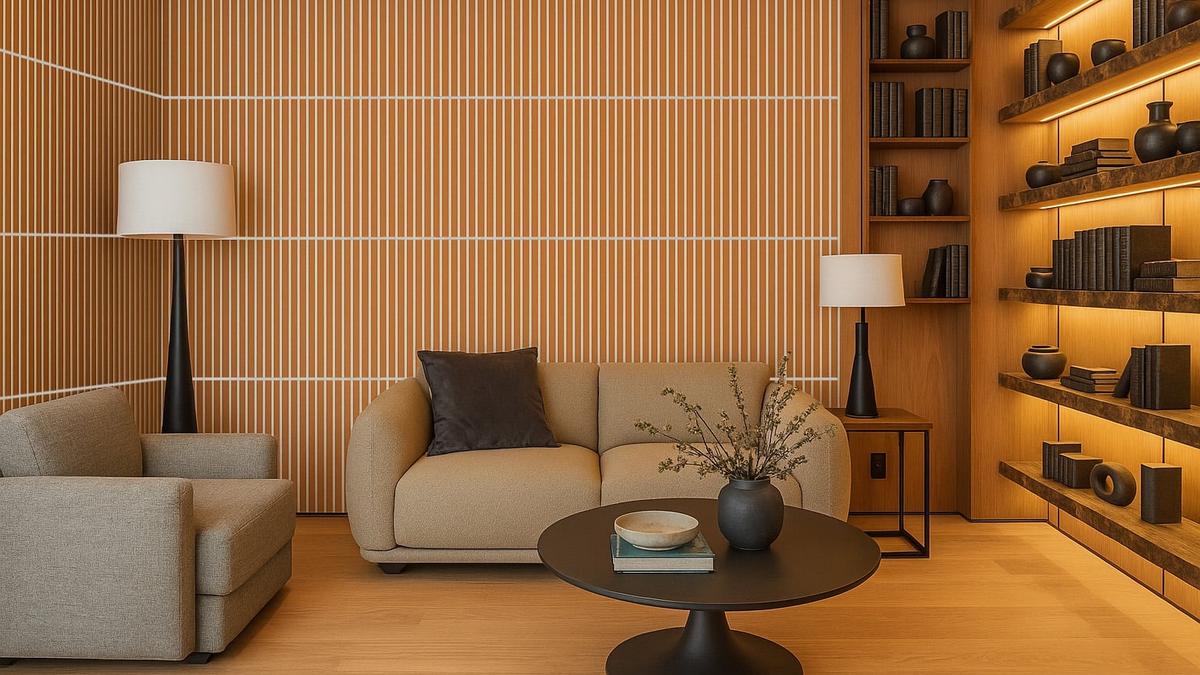
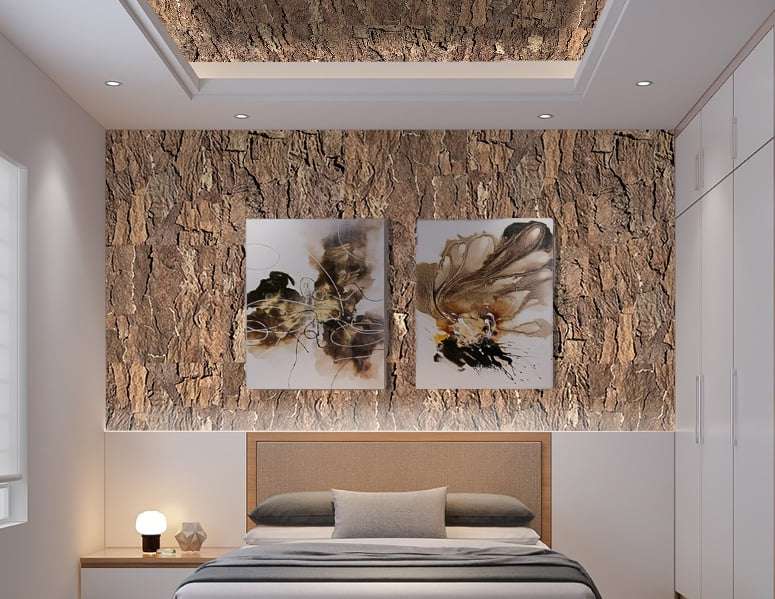
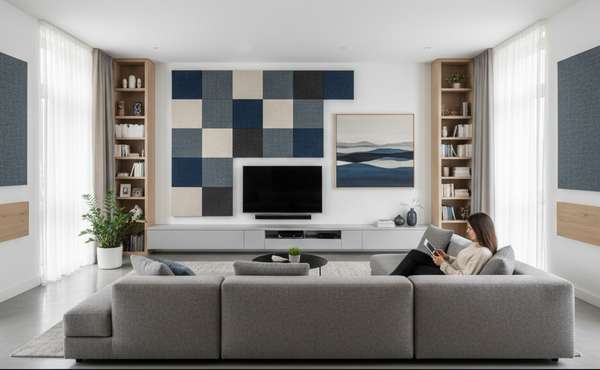
The integration of bio-based materials like cork and felted wool in homes that absorb sound and reduce noise transmission is leading to very interesting and creative spaces. So while the functional aspect of sound dampening in homes is the underlying motive, the visuals that come with it can be quite striking.
This guide provides a comprehensive look at the key aspects of this topic. Below is an overview of the sections we will cover, allowing you to jump directly to the information you need.
- Why silent architecture is trending
- Cortisol reduction and acoustic wellness
- Natural materials for sound absorption
- Key strategies for a silent home
- In brief
Why silent architecture is trending
Silent architecture is gaining momentum as a response to the 'always-on' nature of modern society. As urban density increases, noise pollution has become a constant environmental stress, which many homeowners want to eliminate. This trend is driven by a growing awareness of how our physical environment dictates our internal biological state.
While traditional green building focused heavily on energy efficiency and operational carbon, silent architecture expands the definition of a high-performance home. It treats sound as a building metric, much like R-value or airtightness. This shift is supported by the longevity home movement, where the goal is to create spaces that actively support the long-term health and neurological restoration of occupants.
Cortisol reduction and acoustic wellness
Chronic exposure to background noise - from traffic, sirens, or mechanical systems - triggers a persistent 'fight-or-flight' response in the human body. This leads to elevated cortisol levels, which are linked to sleep disruption, increased blood pressure, and diminished mental clarity. Consequently, search interest for low-cortisol home design is rising as homeowners seek data-driven ways to lower stress through architecture.
A silent home utilizes acoustic dampening to create a soft auditory environment. Unlike standard construction, which often features hard, reflective surfaces like glass, polished concrete, and drywall, silent architecture favors sound-absorptive finishes. These materials prevent reverberation (the echo chamber effect), allowing the brain to process sound more naturally and maintain a state of parasympathetic calm.
Natural materials for sound absorption
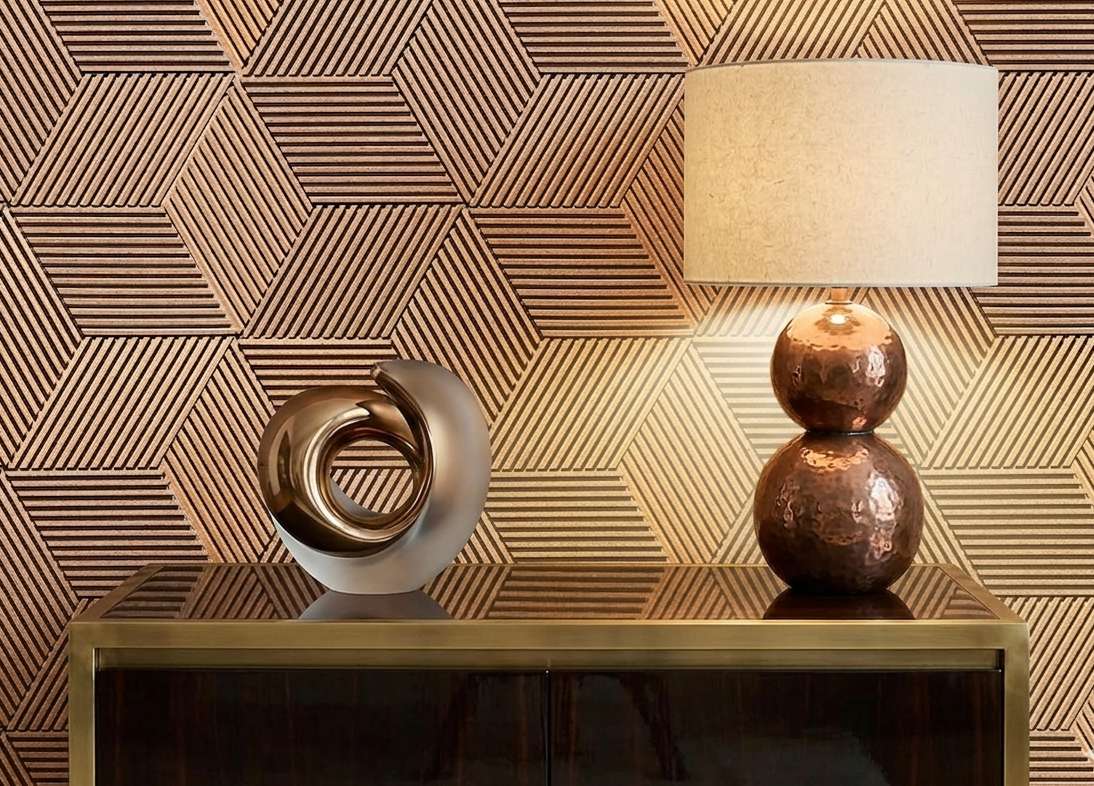
Natural materials offer a unique synergy in silent architecture because they are biophilic, carbon-sequestering and acoustically superior. Unlike synthetic foams or fiberglass, bio-based products provide high Noise Reduction Coefficient (NRC) ratings while also acting as carbon sinks.
The acoustic power of expanded cork
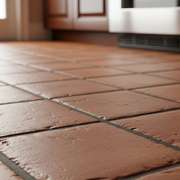
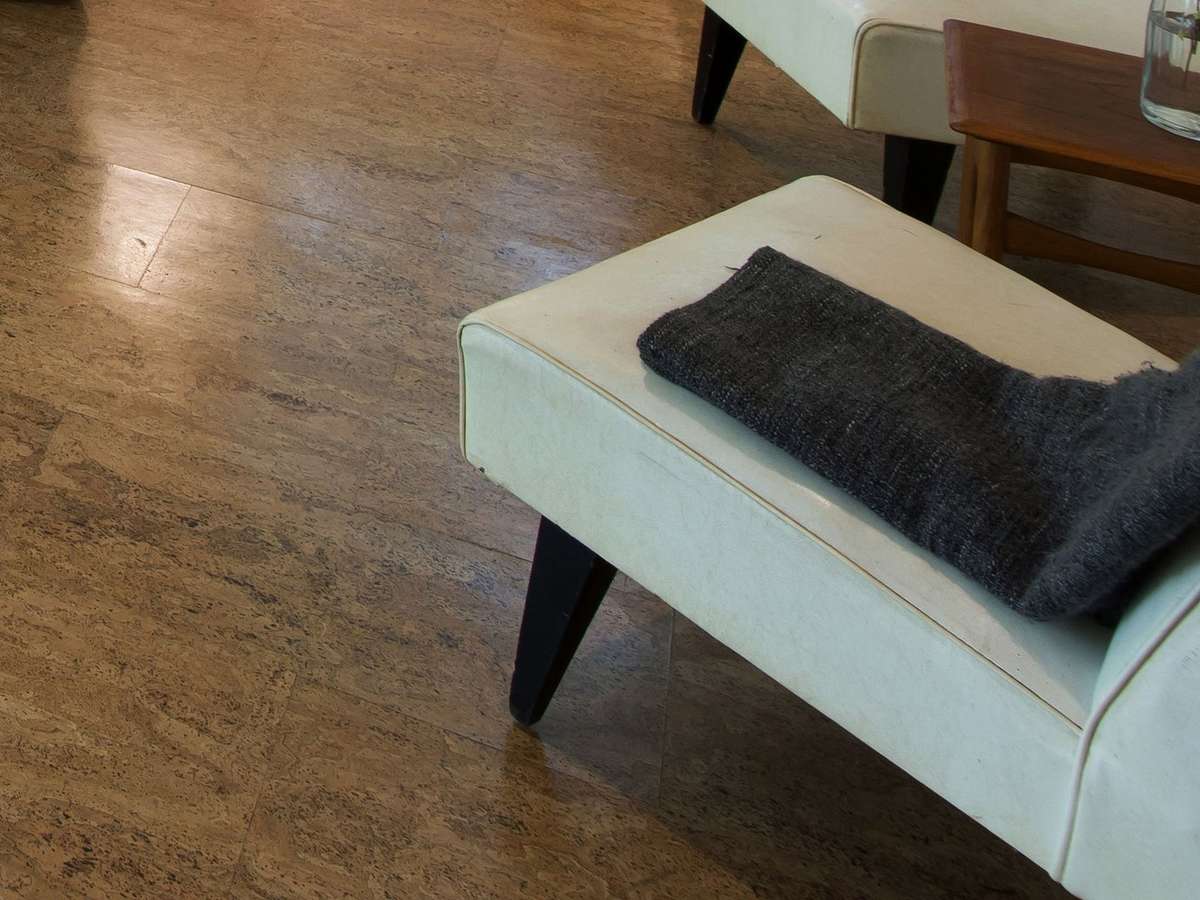
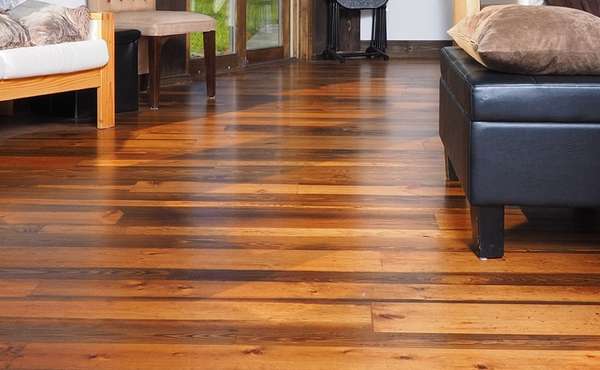
Cork is a leading material for silent design due to its honeycomb cellular structure. It is naturally vibration-dampening, making it ideal for 1/8 inch (3 mm) to 1/2 inch (12 mm) flooring underlays or exposed wall panels.
See our Cork flooring installation video guide, which as a flooring material can significantly reduce impact noise between floors, a common grievance in multi-family dwellings or two-story homes.
Felted wool and sound diffusion
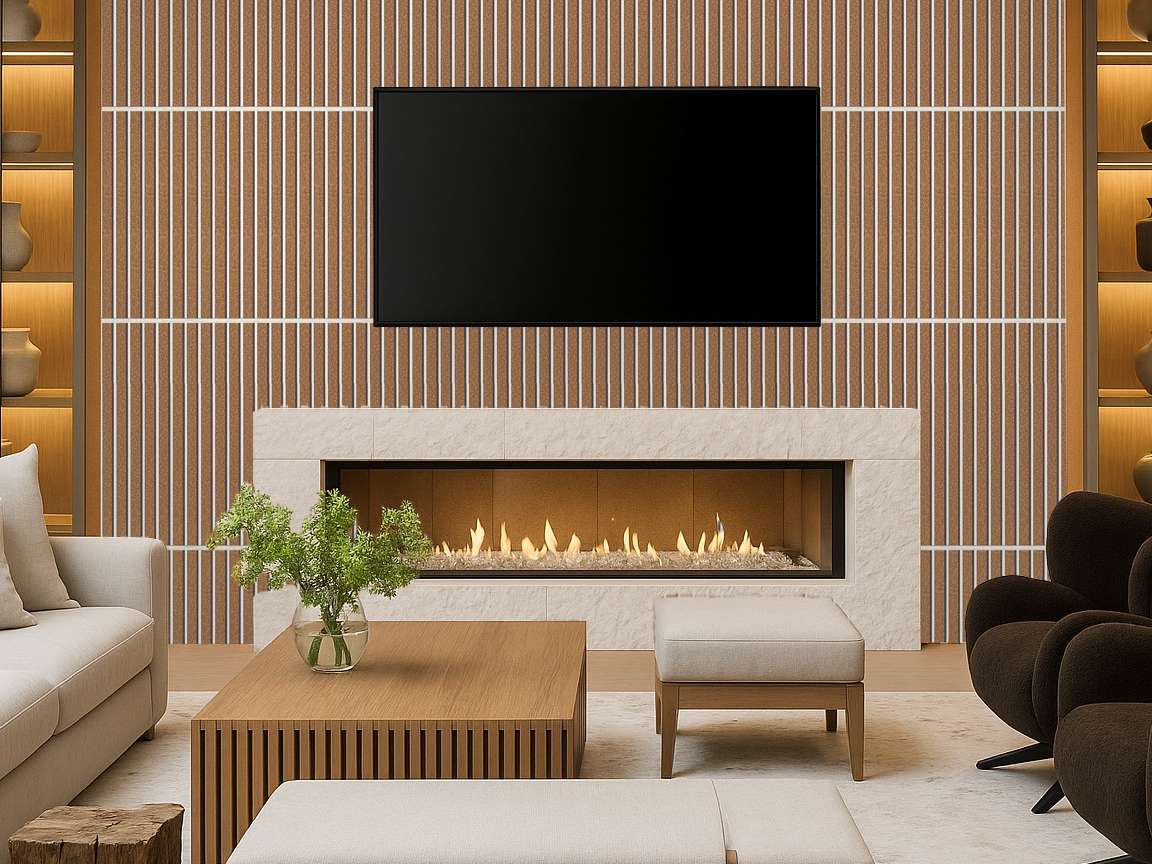
Felted wool is a dense, non-woven textile created by matting and compressing sheep’s wool fibers. In silent architecture, it is used as a premium interior finish to solve the problem of high-frequency 'chatter' and echoes. Because felt is composed of millions of tangled fibers with microscopic air pockets, it acts as a natural acoustic sponge, soaking up sound waves that would otherwise bounce off hard drywall or glass.
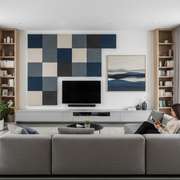
Beyond its performance, felted wool provides a 'soft-surface' aesthetic that creates a sense of tactile warmth and psychological safety. It can be applied as large-scale wall wraps, hanging acoustic baffles, or decorative tiles.
These finishes are particularly effective in open-concept living areas and home offices, where they eliminate the harsh reverberation of voices and electronic noise, contributing to a lower-cortisol environment through both auditory and visual softness.
Porous plasters and bio-based boards
-
Hemp-lime plasters: A thick, porous wall finish that provides a soft, irregular surface to break up sound reflections compared to flat drywall.
-
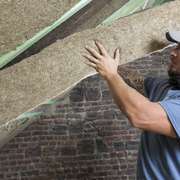
Textured hemp boards: Hemp is a natural and very versitile building material. Along with insulation, manufacturers offer hemp flooring as well as hemp finishing boards
-
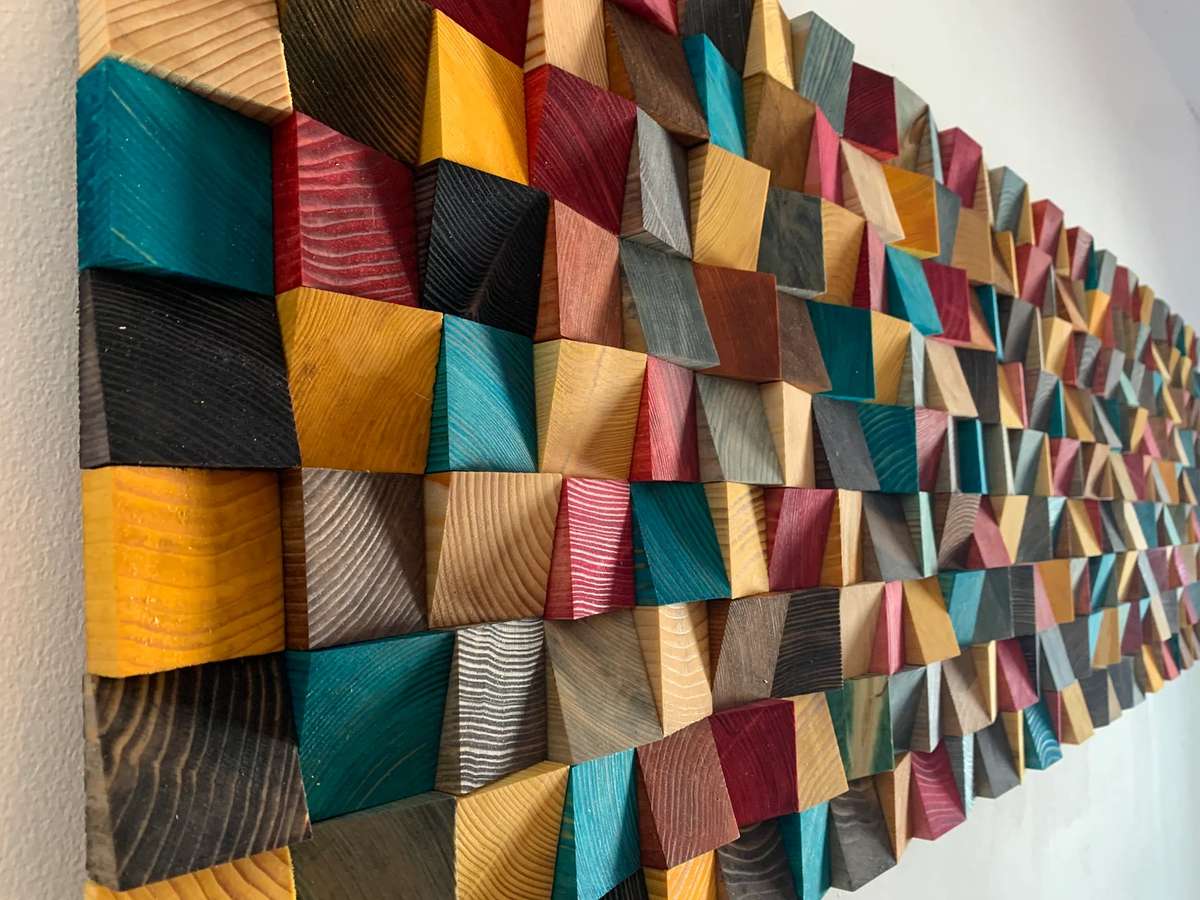
Mycelium acoustic panels: High-performance, compostable sound diffusers grown from fungal root structures that can be molded into custom geometric shapes for walls or ceilings.
-
Wood fiber interior boards: High-density panels made from wood waste that can be left exposed or perforated to act as a natural acoustic absorber.
-
Sustainably sourced rubber flooring: Naturally dampens the sound of footsteps and furniture movement better than hard tiles.
-
Clay plasters: Similar to hemp-lime, these offer a breathable, non-toxic finish that softens the acoustic signature of a room.
-
Spray-applied cellulose: Recycled paper fibers typically used for ceilings to reduce echoes in large, open-concept living areas. While it is the same base material as cellulose wall insulation (recycled paper fiber), the application method and adhesive binder turn it from a hidden insulator into a decorative, functional interior finish for silent architecture. It creates a seamless, carpet-like texture on ceilings, often used in commercial construction to make mechanical systems disappear into the background.

Key strategies for a silent home
Implementing silent architecture requires a mix of structural sound isolation and interior sound absorption. Homeowners and pros should focus on these three emerging categories:
- Biophilic soundproofing: This involves using 'living' or organic materials like moss walls, cork bark, and wood slats backed by felt. These systems diffuse sound waves rather than reflecting them, mimicking the acoustic profile of a forest.
- NRC-rated natural finishes: Professionals are increasingly specifying materials based on their NRC rating. A material with an NRC of 0.85 (85% absorption) is vastly superior to standard drywall, which has an NRC of approximately 0.05 (95% reflection).
- Soft-surface 'wrapped' environments: This design philosophy moves away from hard, cold aesthetics toward wrapped environments using hemp batts, wool felt, and recycled textile panels to create a cocoon-like effect.
In brief
Silent architecture is the next frontier of healthy home construction, focusing on acoustic wellness as a means to reduce cortisol and improve long-term health. By selecting bio-based materials with high NRC ratings, such as cork and sheep's wool, we can build homes that are as quiet as they are energy efficient.
For the building professional, this means offering cognitive comfort as a premium feature; for the homeowner, it means finally finding peace and quiet in an increasingly noisy world.
Now that you know more about silent architecture, find more info about acoustic comfort and green building techniques in the Ecohome Green Building Guide and these pages below:
-
Acoustic panels for reducing sound transmission in homes: do they really work?
-
Hemp insulation: benefits and installation guide
-
Soundproofing a home: material selection and techniques - a video guide
-
How do you create a healthy home office with biophilic interior design?















Comments (0)
Sign Up to Comment