

The complete guide to Accessory Dwelling Units (ADUs) in Canada
As housing prices soar and the need for urban density increases, the Accessory Dwelling Unit (ADU) has emerged as one of the most popular sustainable housing solutions in Canada. Whether you call it a laneway house, a garden suite, a granny flat, or a basement apartment, adding a secondary unit is a smart investment.
Building an ADU offers a flexible and durable solution to house a loved one, generate rental income, or create a dedicated workspace. For the eco-conscious homeowner, it is also a powerful tool for "gentle density" - utilizing existing infrastructure to reduce urban sprawl and preserve our forests and farmlands.
However, navigating the zoning bylaws, building codes, and utility connections requires careful planning. This definitive guide serves as your roadmap to planning, designing, and building an ADU in Canada, with specific breakdowns for provincial regulations.
Below is an overview of the sections we will cover, allowing you to jump directly to the information you need.
- What is an Accessory Dwelling Unit (ADU)?
- Why build one? Income, family, and resale value
- Provincial regulations: Where are ADUs allowed?
- Navigating zoning, setbacks, and permits
- Critical infrastructure: water, sewer, and electricity
- Cost estimates and financing your build
- High-performance design for small spaces
- In brief: Accessory Dwelling Units
What is an Accessory Dwelling Unit (ADU)?
An Accessory Dwelling Unit (ADU) is a self-contained residential unit located on the same lot as an existing single-family home. It must have its own kitchen, bathroom, sleeping area, and entrance.

The three main types of ADUs
While terminology changes from province to province, ADUs generally fall into three categories:
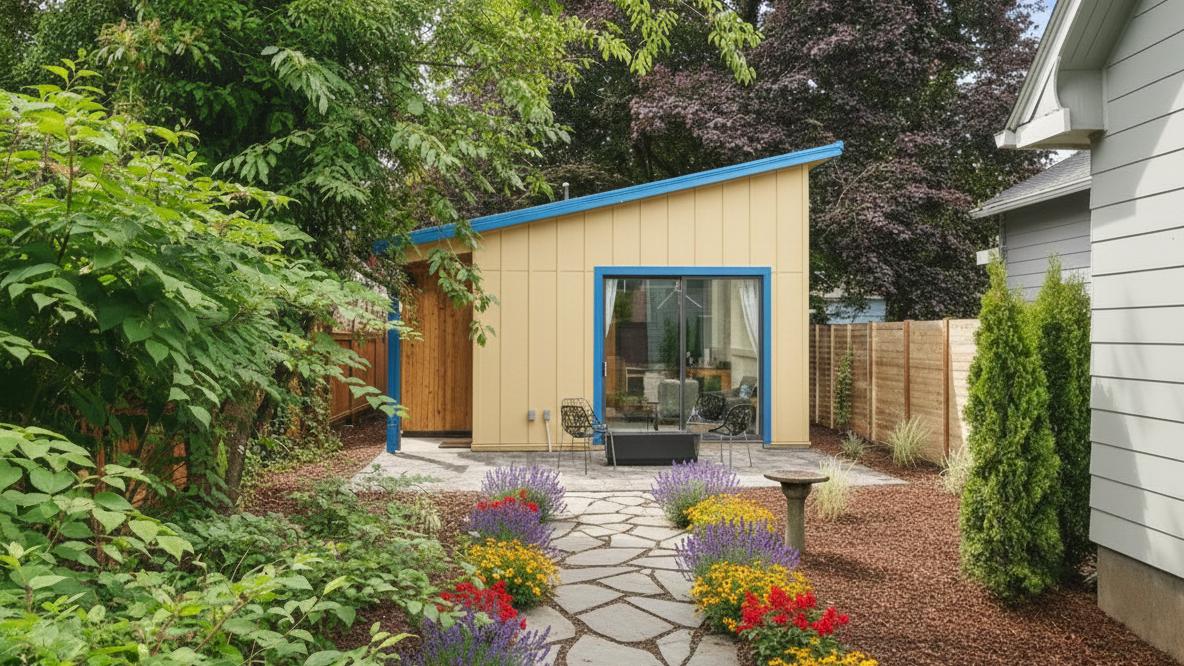
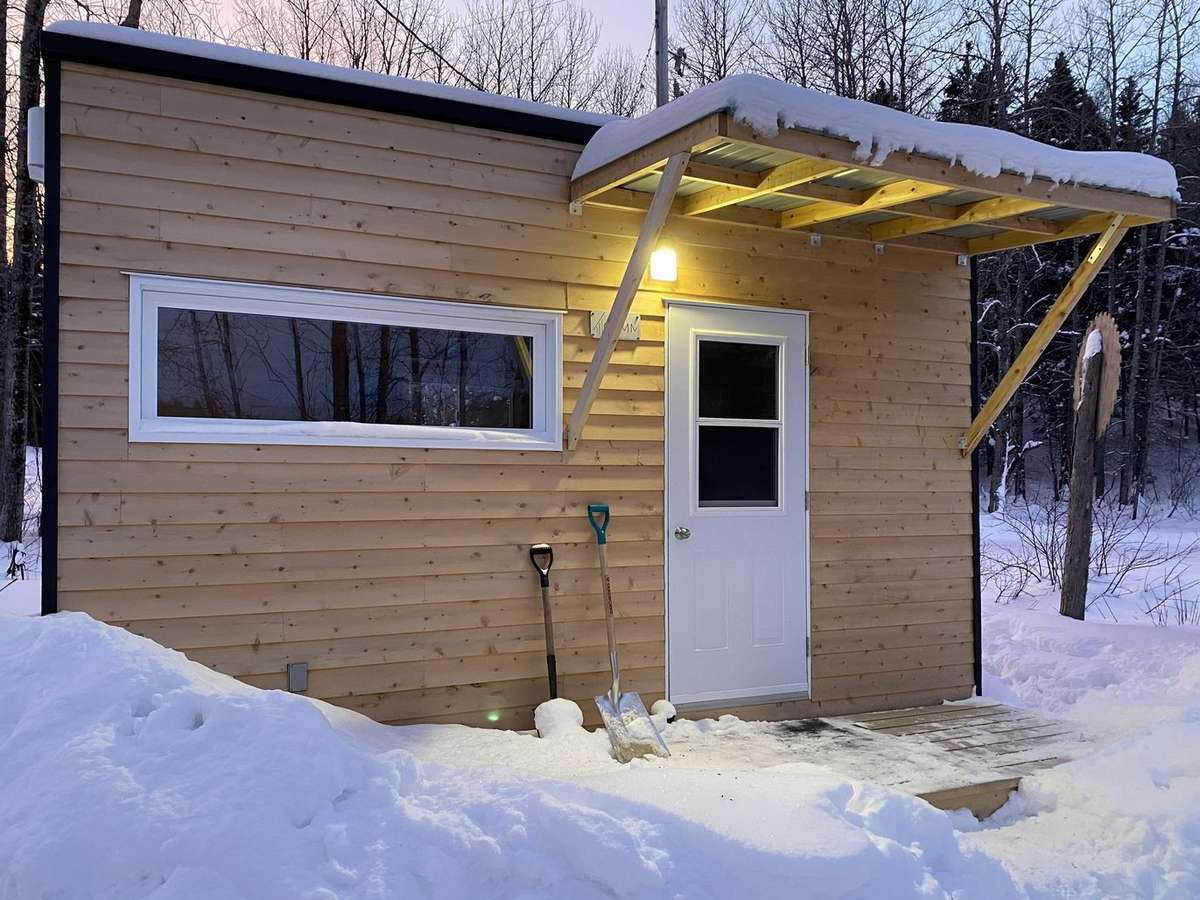
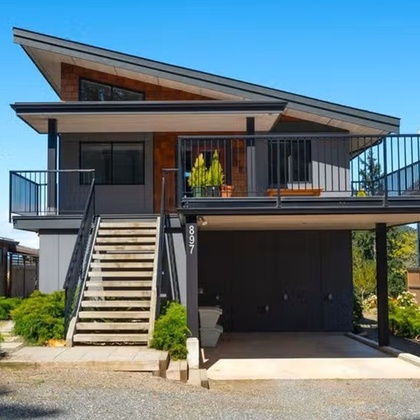
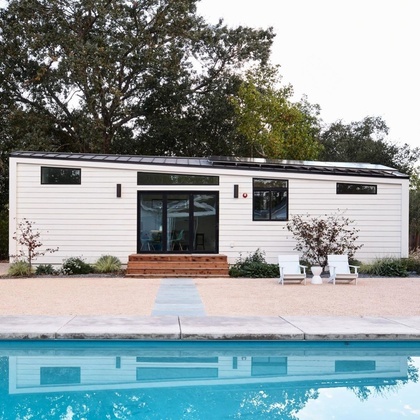
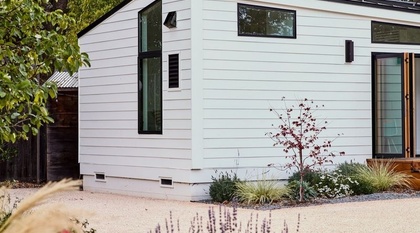
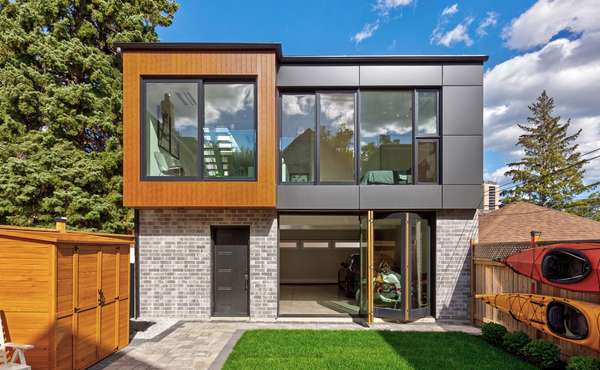
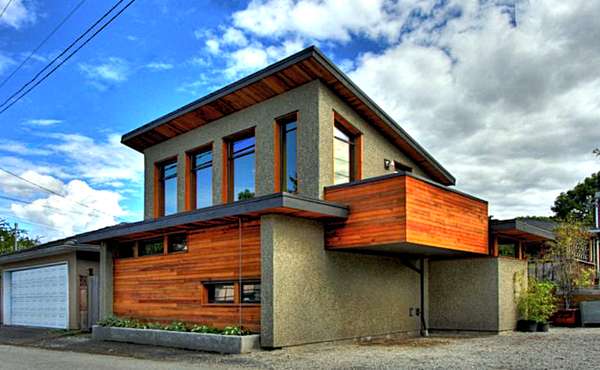
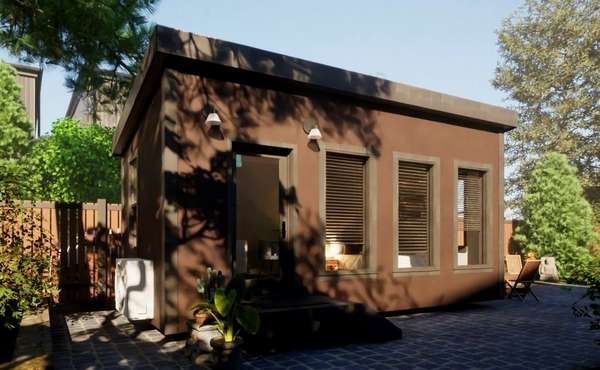
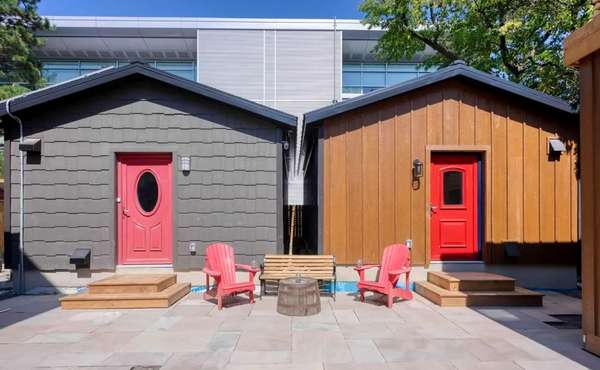
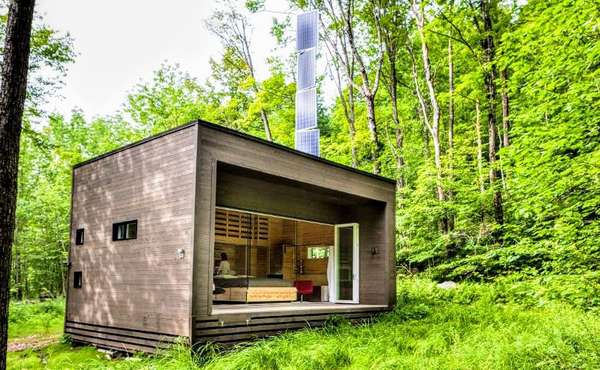
- Detached ADUs (garden suites / laneway homes): Standalone structures built in the backyard or facing a laneway. These offer the most privacy but are often the most expensive to build due to foundation and utility trenching requirements.
- Attached ADUs (additions): A unit added to the side or rear of the main house such as a granny suite. This can be cost-effective as it shares walls and plumbing stacks with the main structure.
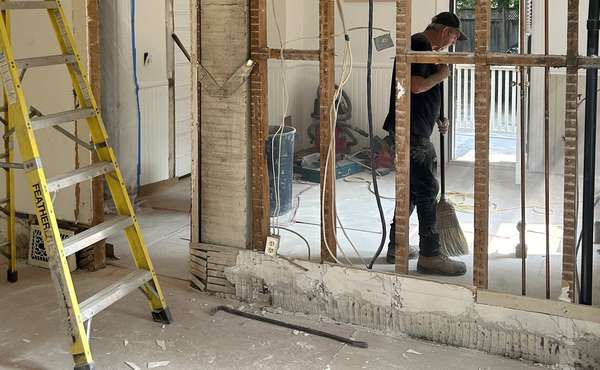
- Internal ADUs (basement apartments / secondary suites): Converted living space within the existing building envelope. This is often the most sustainable and affordable option, as it requires fewer new materials and utilizes the existing heating envelope.
Why build one? Income, family, and resale value
The decision to build an ADU is rarely just about extra space; it is a financial and lifestyle strategy.
Multigenerational living and "aging in place"
One of the primary drivers for ADUs in certain Provinces of Canada like Quebec, is the need for age in place housing for seniors who want to downsize or be closer to family, or where one of the kids wants to take over the main family home to enter the real estate market and start their own family. An accessible, single-story garden suite allows seniors to maintain autonomy while remaining close to family support. This setup combats isolation and fosters natural social mixing.
Rental income and property value
In high-demand rental markets like Toronto, Vancouver, and Montreal, an ADU can generate significant monthly cash flow that helps subsidize the mortgage of the main property. Furthermore, properties with legal secondary suites generally see a significant appreciation in resale value.
Provincial regulations: Where are ADUs allowed?
2024 and 2025 have been watershed years for housing legislation in Canada. Provincial governments are increasingly overriding restrictive municipal zoning to encourage "gentle density."
Ontario: "More Homes Built Faster" (Bill 23)
Ontario has aggressively expanded ADU rights. Under Bill 23, property owners in most residential zones are now permitted up to three units "as of right" on a single residential lot (e.g., the main house, a basement suite, and a garden suite) without requiring a zoning by-law amendment. A coach house pilot program in Ottawa also opened the door to backyard laneway housing in an effort towards increasing urban density.
British Columbia: Small-Scale Multi-Unit Housing (SSMUH)
BC has implemented some of the most progressive tiny house / ADU legislation in North America. Recent legislation requires municipalities to allow three to four units on lots currently zoned for single-family or duplex use, and up to six units near transit hubs. This effectively eliminates "single-family zoning" in major urban areas.
Quebec: Municipal discretion and Loi 16/31
Unlike BC and Ontario, Quebec's approach remains largely municipal, though pressure from the provincial government is mounting. Major cities like Quebec City, Victoriaville, Longueuil, Sherbrooke, and Montreal have adopted specific bylaws encouraging ADUs (often called Unités d'habitation accessoires or UHA).
In Quebec, regulations often focus heavily on architectural integration. It is common for municipalities to require a Site Planning and Architectural Integration Program (PIIA), ensuring the ADU matches the visual character of the main house and the neighborhood.
Navigating zoning, setbacks, and permits
Before designing your dream suite, you must consult your local planning department. Even if provincial laws allow ADUs, local bylaws dictate how they are built.
Key zoning constraints to check
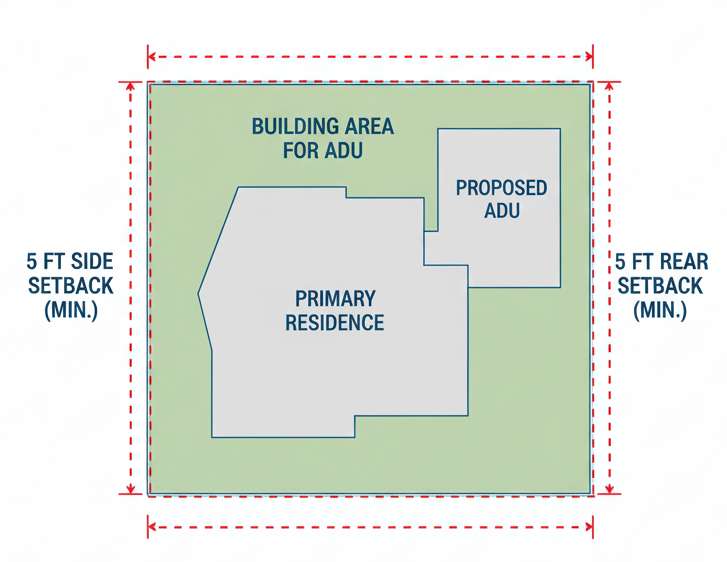
- Setbacks: The mandatory distance between your ADU and the property lines (rear and side). This is typically 1 to 1.5 meters but varies by city.
- Lot coverage: Most cities limit the percentage of your land that can be covered by buildings (e.g., 40%).
- Height restrictions: Garden suites are usually limited in height to ensure they do not overshadow neighboring properties.
- Parking: Historically, cities required an extra parking spot for a second unit. Good news: Many progressive municipalities (and provincial bills in ON/BC) are removing parking minimums to maximize green space and reduce costs.
Critical infrastructure: water, sewer, and electricity
This is often the most underestimated cost in an ADU project. Connecting a standalone backyard structure to municipal services involves civil engineering and excavation.
Water and sewer management
For detached ADUs, you generally have two options for servicing:
- Connection via the main house: This is usually the most cost-effective method. The water and sewer lines run from the ADU and tie into the main house's infrastructure.
- Direct connection to the street: Some municipalities may require a distinct connection to the city mains. Beware: This is significantly more expensive, as it requires excavating a trench all the way to the municipal conduits in the street.
You must verify the slope of your land. If the ADU is lower than the main house or the city sewer, you may need a sewage ejector pump.
Electrical capacity
An ADU is a fully functioning home with a kitchen, heating, and laundry. This typically requires adding 60 to 100 amps of load. You will likely need to upgrade your main electrical panel (e.g., from 100A to 200A) and install a sub-panel in the ADU. Always consult a master electrician early in the planning phase.
Cost estimates and financing your build
A common misconception is that ADUs are "cheap" because they are small. While the total cost is lower than a standard home, the "cost per square foot" is often higher because you still need a kitchen, bathroom, and HVAC system—the most expensive parts of any house.
Ballpark figures (2025 estimates)
- Basement conversion: $50,000 – $120,000+. This is usually the cheapest option as the structure exists.
- Garage conversion: $100,000 – $200,000+. Requires insulation, new flooring, and often structural reinforcement.
- New build detached (garden suite): $250,000 – $400,000+. Includes foundation, framing, and all utility connections.
Financing and grants
Many homeowners finance ADUs through Home Equity Lines of Credit (HELOC) or construction loans. Be sure to check for municipal home building financial incentives and grants. Some cities offer development charge waivers or grants for units intended for family members or affordable rentals.
High-performance design for small spaces
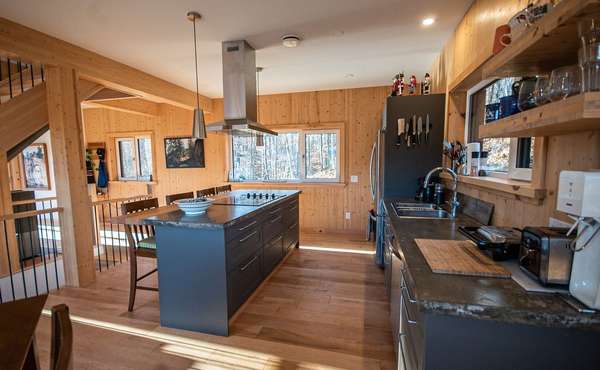
Because ADUs are small, they are excellent candidates for high-performance, energy-efficient construction. A smaller footprint means less energy to heat and cool, provided the envelope is well-designed.

Optimizing the envelope
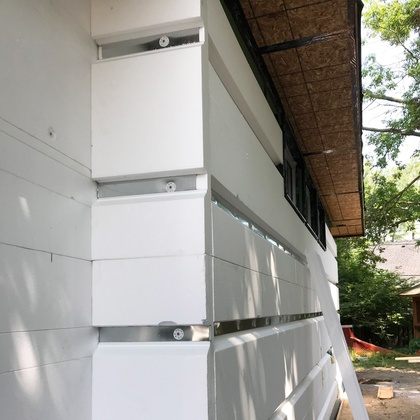
- Frost-protected shallow foundations (FPSF): Instead of a deep basement foundation, consider an FPSF (slab-on-grade with skirt insulation). This saves money on concrete and excavation while reducing the carbon footprint.
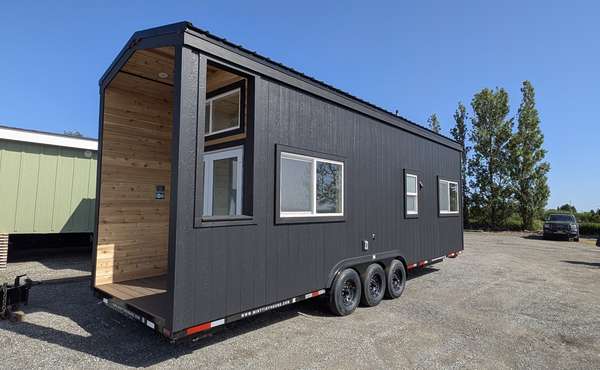
- Prefab and modular: Prefabricated ADUs are built in climate-controlled factories, resulting in higher precision, less waste, and faster installation.
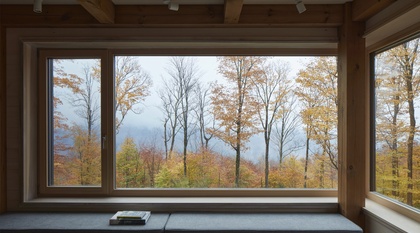
- Window placement: In a backyard setting, privacy is key. Plan glazing to maximize passive solar gain from the south while limiting views into (and from) neighbors' yards. Note that building codes often limit the percentage of windows (unprotected openings) based on how close the ADU is to the property line to prevent fire spread.
In brief: Accessory Dwelling Units
Building an ADU is one of the most impactful ways a homeowner can contribute to solving the housing crisis while building personal wealth. Whether you are looking to keep family close or generate income, the key to success lies in understanding your local zoning, planning for robust utility connections, and prioritizing energy-efficient design.
Now that you know the basics of building an ADU, dive deeper into our regional guides and technical specifications in the Ecohome Green Building Guide:
-
Where to find the best wooden prefab kit homes in Canada and the USA
-
Laneway Homes & ADUs: The BC homeowner's guide
-
How to build a Frost-Protected Shallow Foundation (FPSF)










Comments (0)
Sign Up to Comment