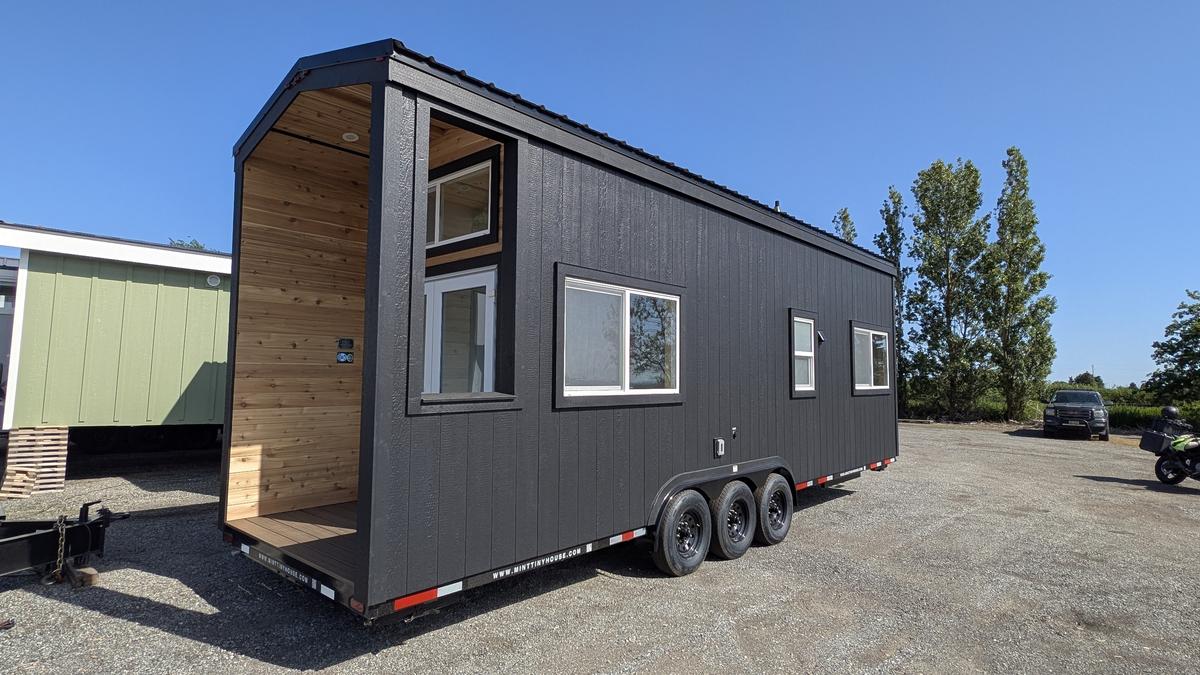
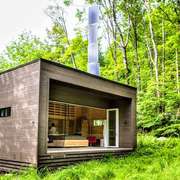
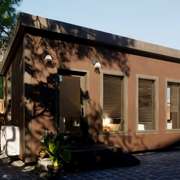
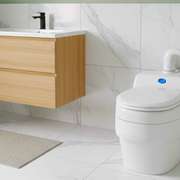
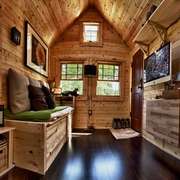

B.C. paves the way for Tiny Homes on Wheels - here's what you need to know:
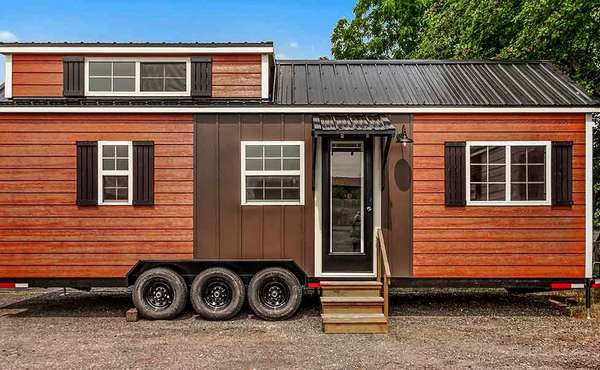
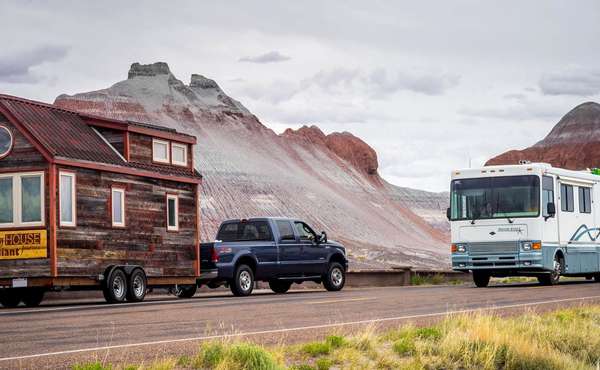
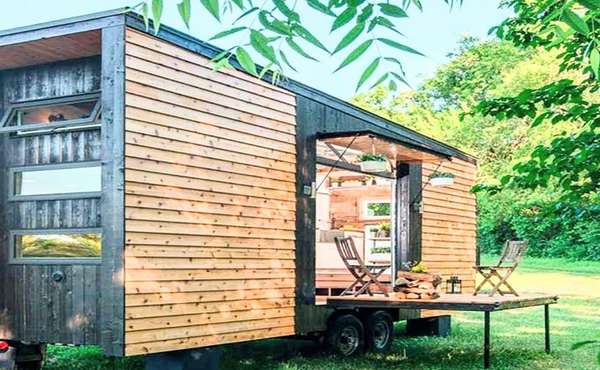
In a landmark move for the sustainable housing movement, the British Columbia government has officially clarified the legal status of Tiny Homes on Wheels (THOWs), providing a long-awaited roadmap for builders, buyers, and municipalities.
This new policy bulletin helps move THOWs out of a legal grey area and recognizes them as a legitimate and viable housing solution, provided they meet specific safety and construction standards. For years, the dream of living in a tiny home has been clouded by regulatory uncertainty. This announcement is a game-changer.
The clarification addresses the biggest hurdle for the tiny home community: how to classify these unique dwellings. Are they recreational vehicles (RVs), or are they permanent homes? The answer, it turns out, is "it depends on how they're built." This distinction is crucial for anyone considering downsizing into a more sustainable and affordable lifestyle. Our comprehensive guide to building or buying a tiny house can help you navigate these new opportunities.
According to Housing Minister Ravi Kahlon, this bulletin provides the clarity that local governments need to confidently approve tiny home placements in their communities, empowering them to address their unique housing challenges with more flexible options.
Navigating B.C.'s new tiny home landscape
This policy change doesn't mean you can park a THOW anywhere you like. Rather, it establishes clear technical standards that separate a recreational vehicle from a structure suitable for year-round living. Understanding these standards is the first step for any aspiring tiny home owner in B.C. and sets a precedent that other provinces may follow.
This guide will break down the new regulations, explain the critical differences in certification, and outline what you need to do to make your tiny home dream a reality under this new framework.
- The Big Announcement: What's Changed?
- Understanding CSA Standards: Z240 RV vs. Z241 Park Model
- The Role of Municipalities: Why Zoning is Still Key
- What This Means for You
- In Brief: Your Tiny Home Next Steps
The big announcement: what's actually changed for THOWs in B.C.?
The provincial government has clarified that structures built to the CSA Z241 Park Model standard can be legally recognized as a form of housing. Previously, many THOWs were built to the CSA Z240 RV standard, which is intended for recreational, temporary, and seasonal use - not for permanent homes. This left owners in a precarious position, as their homes weren't technically permitted for year-round living.
This new directive allows municipalities to confidently amend their zoning bylaws to permit THOWs built to the more robust Z241 standard. This provides a clear path for builders to construct legally compliant homes and for buyers to invest in a property with security and peace of mind.
Understanding CSA Standards: Z240 RV vs. Z241 Park Model
The distinction between these two CSA standards is the core of the new regulation, and it all comes down to safety, durability, and suitability for long-term habitation. A high-performance home, no matter its size, needs to be built right.
CSA Z240 RV Standard
Think of this as the standard for vehicles meant for travel and recreation. While high-quality, these units are not designed for the demands of permanent, year-round occupancy in a Canadian climate. They typically have lighter insulation, different electrical and plumbing systems, and are not evaluated for the same snow loads or energy efficiency requirements as a permanent dwelling.
CSA Z241 Park Model Standard
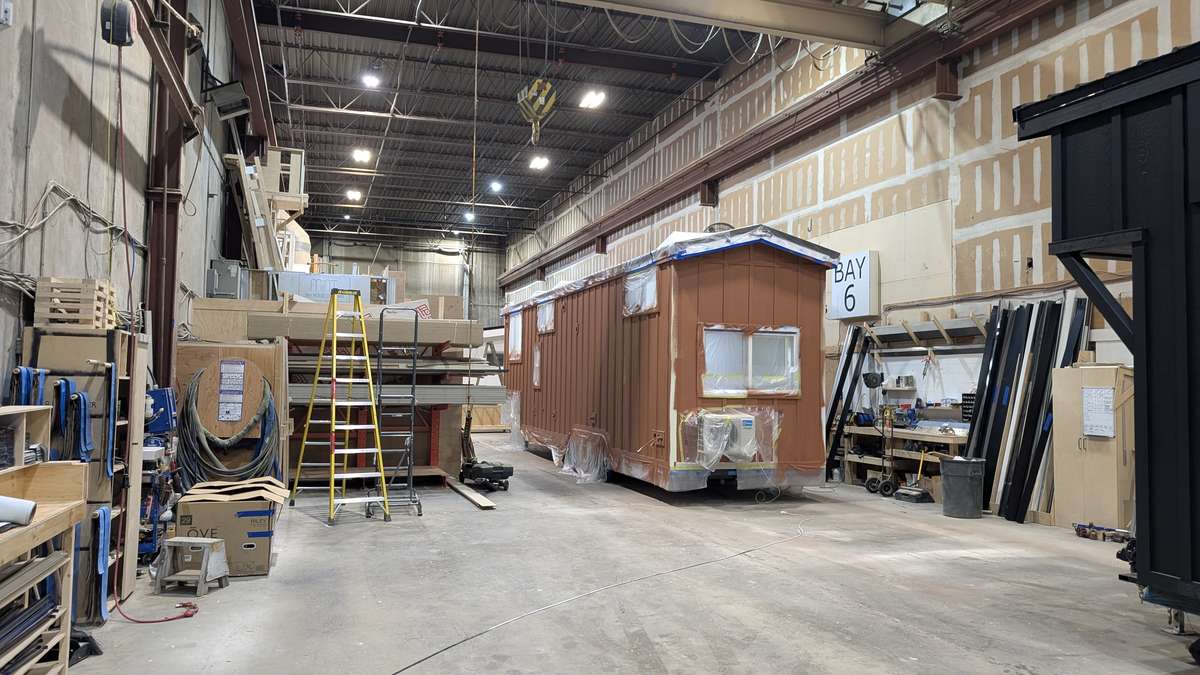
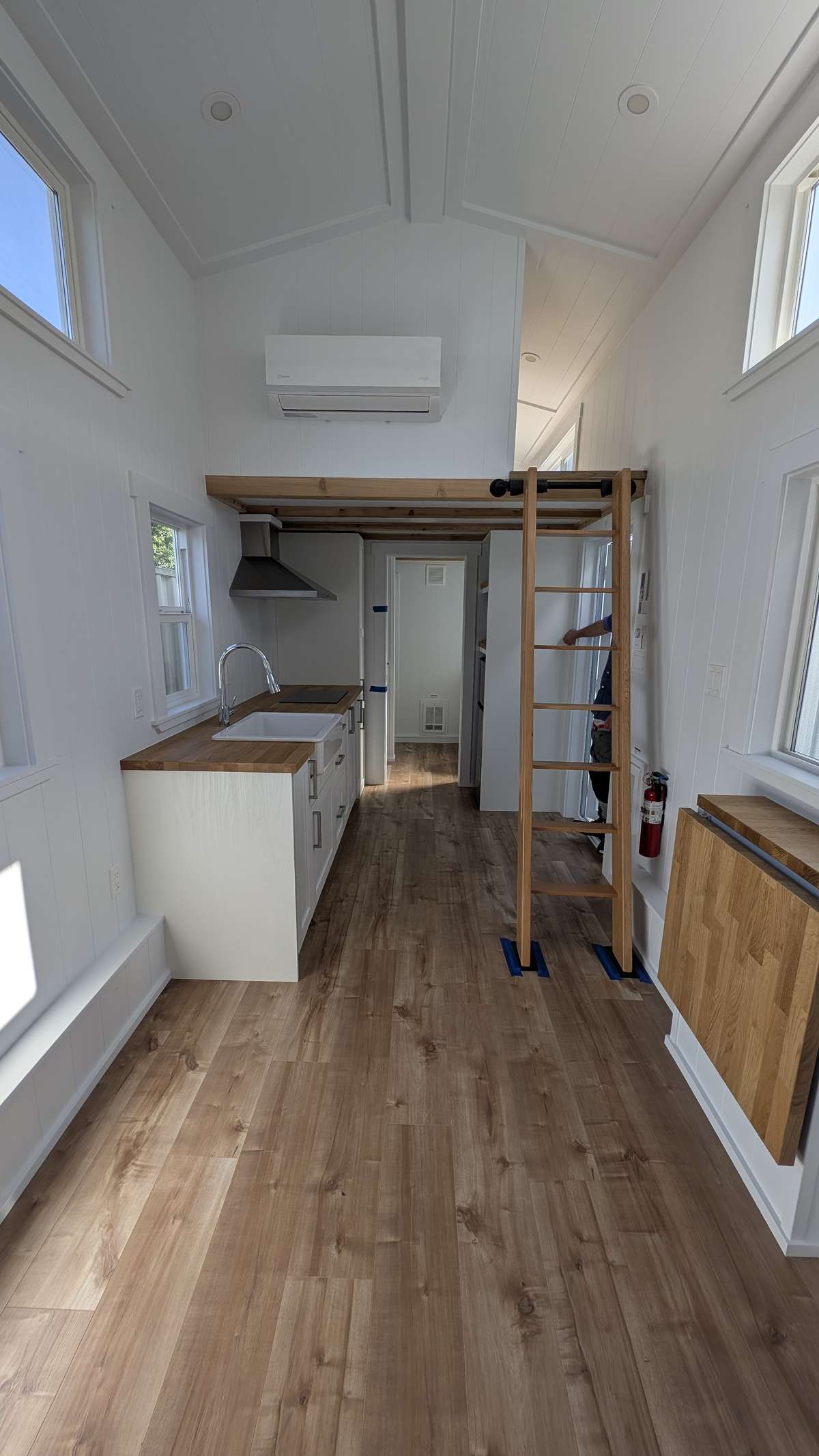
This is the standard you need to look for. A "Park Model" is essentially a factory-built dwelling designed for long-term placement. Homes built to this standard are much closer to a traditionally constructed house, featuring:
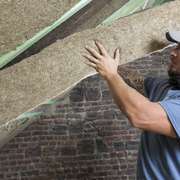
- Superior Insulation: A more robust building envelope is required, making the home far more energy-efficient. This is critical for comfort and affordability, a principle we detail in our guide to choosing the right insulation.
- More Robust Construction: The structure is designed to handle local snow loads and weather conditions.
- Residential-Style Systems: The electrical, plumbing, and HVAC systems are designed for permanent connection to municipal services, much like a conventional home.
The role of municipalities: Why zoning is still key
This is the most critical takeaway: the province sets the technical safety standard, but your local municipality controls where you can put it. The B.C. bulletin empowers municipalities; it does not override them. Before you buy or build a THOW, you must investigate the local zoning bylaws and land-use policies.
You will need to contact your local planning department to ask about:
- Permitted zones for tiny homes or park models.
- Setback requirements from property lines.
- Rules for connecting to services like water, sewer, and electricity.
- Whether they can be placed on a lot with an existing primary residence (as an additional dwelling unit or ADU).
This provincial clarity will likely encourage more municipalities to create specific guidelines for THOWs, but for now, the responsibility to do your homework remains with you, the homeowner.
What this means for aspiring tiny home owners & builders
This is a major step forward for accessible and sustainable housing in British Columbia. For prospective owners, it means you can now purchase a THOW with greater confidence, knowing it can be a legally recognized dwelling, which may also open up more options for financing and insurance.
For builders, it creates a clear set of rules to follow, encouraging the construction of high-quality, safe, and energy-efficient tiny homes that meet a recognized national standard. It legitimizes the industry and allows reputable builders to differentiate themselves from those producing units not meant for permanent living.
In Brief: Your tiny home next steps
British Columbia's clarification on THOWs is fantastic news, but it requires diligence from anyone looking to join the movement. The path forward is clearer than ever, but it has specific steps.
First, ensure any THOW you consider is certified to the CSA Z241 Park Model standard. Second, and most importantly, engage with your local municipal planning department early and often to understand the specific zoning and placement rules in your area. By following these guidelines, you can confidently invest in a home that is not only sustainable and affordable but also safe and legal.
Now that you know more about the new THOW regulations in B.C., find more info about tiny homes and sustainable building in the Ecohome Green Building Guide and these pages below:
-
The Ecohome guide to building or buying a tiny house
-
How to design a home to use less energy
-
Choosing the right Insulation for high performance
-
Slab-on-grade vs. foundations for small homes
-
Do I need a building permit? Understanding the rules



Comments (0)
Sign Up to Comment