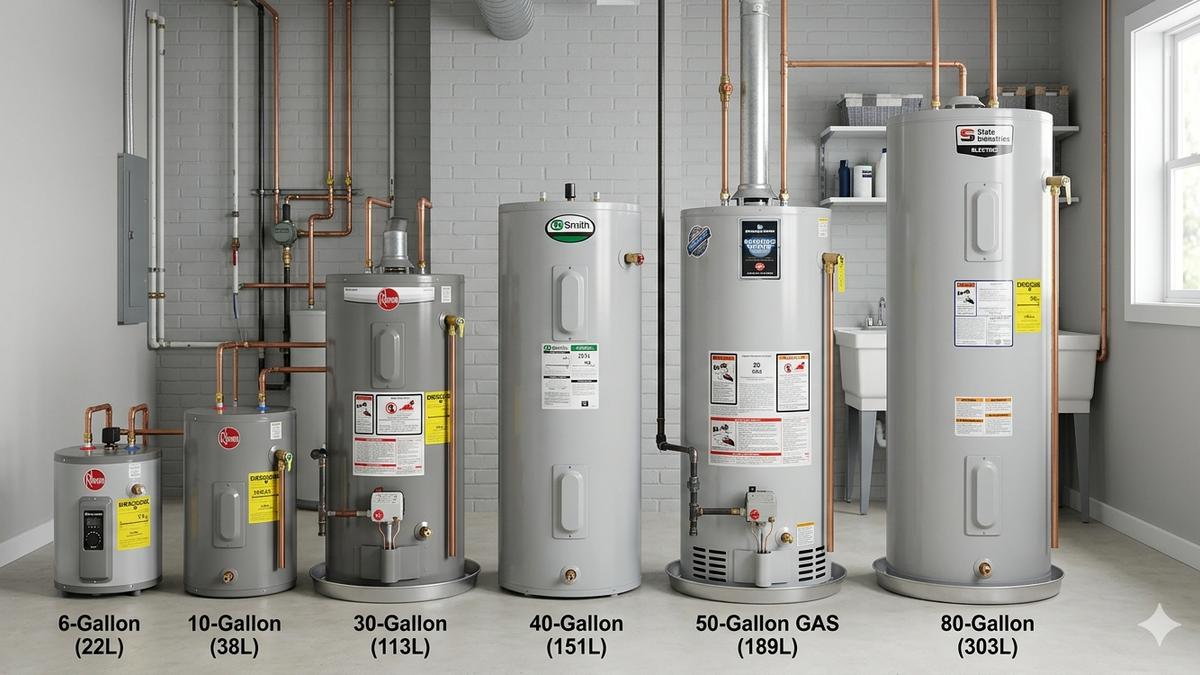









When it comes to hot water tanks, size isn't everything!
Determining the ideal capacity for a hot water tank is a critical step in saving money and home decarbonization. For decades, the 'bigger is better' philosophy led to the standard installation of massive 60-gallon (227-liter) tanks in 3-bedroom homes, regardless of the actual use patterns of the household. This results in significant standby heat loss - energy spent keeping a massive volume of water hot while the household sleeps or works.
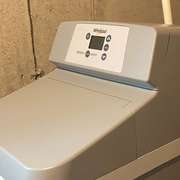
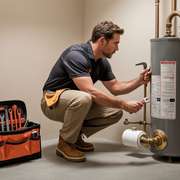
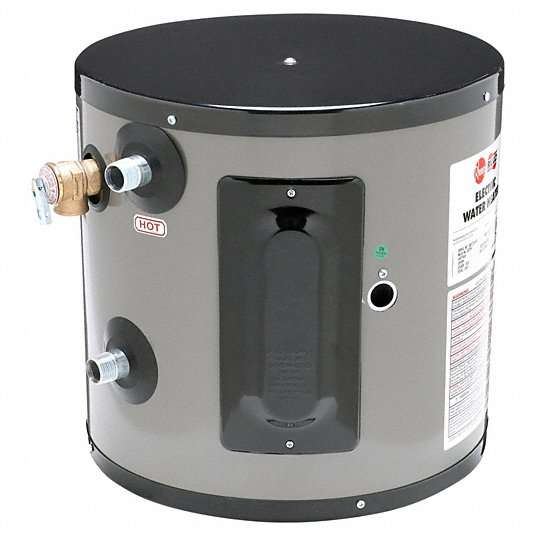
By understanding recovery rates, point-of-use efficiency, and the physics of heat transfer, homeowners can often downsize their hot water system, reduce their carbon footprint, and pave the way for high-efficiency heat pump technology. As one homeowner discovered, replacing a 27-year-old 60-gallon gas beast with a tiny 8-gallon electric unit can be more than adequate for a modern family who only shower.
This guide provides a comprehensive look at the key aspects of this topic. Below is an overview of the sections we will cover, allowing you to jump directly to the information you need.
- Why sixty-gallon hot water tanks are outdated
- Recovery rate vs. storage capacity
- What is the best location to install a water heater?
- Health and safety: the Legionella factor
- Maximizing efficiency with drain water heat recovery
- In brief
Why sixty-gallon hot water tanks are outdated
Standardized tank sizing, popularized in the 1970s, was designed for a worst-case peak-use scenario that rarely exists in modern, water-conscious households. These calculations assumed high-flow showerheads (delivering up to 5 gallons per minute) and simultaneous use of multiple appliances.
We get that you don't want to run out of hot water when you just soaped up your hair and were about to rinse - but the example is to take things to extremes and to prove what is really needed at a minimal sizing for comparison.
The hidden cost of standby loss
A 60-gallon gas-fired tank is essentially a giant tea kettle kept on a low simmer 24/7. Even with modern insulation, the large surface area allows heat to escape. When you switch to a smaller electric unit, you eliminate the 'stack loss' (heat escaping through the gas vent) and reduce the radiant surface area. If you’ve been heating 60 gallons for years but only using a fraction of it, you’ve been paying something of a standby tax to the utility company for nothing.
Recovery rate vs. storage capacity
The most important metric for a hot water system isn't how much it holds, but how fast it can replenish what you’ve used. This is known as the recovery rate.
The 8-gallon surprise
An 8-gallon point-of-use or instant electric water heater (typically 1500W) can be surprisingly effective for a two-person household taking back-to-back showers. Because shower water is mixed with cold at the tap, you aren't drawing 100% hot water from the tank. If your showerhead is a modern low-flow model (1.5 to 2.0 GPM), the tank's quick recycle time can keep pace with demand better than most realize.
What is the best location to install a water heater?
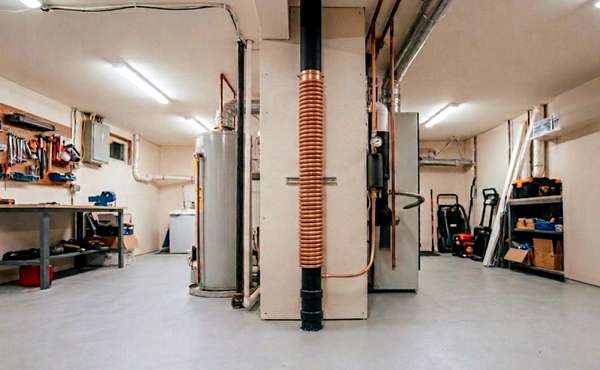
Another important point is to be intelligent about where you site your hot tank or hot water heater. As a hint, the closer it is to the primary place you use hot water, the better, so in the example we're using here, the original dinosaur of a 60 gallon hot water tank was in the basement and about as far from the bathroom as you could get!
By putting the 8 gallon tank up high on the wall it was easy to plumb directly to the cold feed and the hot supply that went to the kitchen on one side and up to the bathroom at the other. Now when you turn on the shower or taps up stairs the hot water arrives much quicker and there is less of it left cooling down in the pipes. All of this adds up to more efficiency - although mounting it on a stick built wall took some care to make sure that the fittings could hold the weight.
Health and safety: the Legionella factor
Regardless of tank size, the water must be stored at a temperature high enough to prevent the growth of bacteria, specifically Legionella.
To ensure safety, water should be stored at a minimum of 140°F (60°C). At this temperature, Legionella bacteria are killed within minutes. To prevent scalding at the tap, pros install a thermostatic mixing valve at the tank outlet. This mixes in cold water to deliver a safe 120°F (49°C) to the house. This also effectively increases your small tank's capacity, as you are using less of the super-heated water for every gallon delivered to the shower.
Maximizing efficiency with drain water heat recovery
If you are worried about a smaller tank running dry, the ultimate "insurance policy" is a Drain Water Heat Recovery (DWHR) pipe.
These units are vertical copper heat exchangers that replace a section of your main waste stack. As warm shower water flows down the pipe, it pre-heats the incoming cold water headed for the water heater. This can raise the incoming water temperature from 50°F (10°C) to over 75°F (24°C), meaning the water heater has to do significantly less work. In many cases, a DWHR system can make a small 8-gallon tank perform like one twice its size during continuous use.
In brief
The transition away from fossil fuels and making some major savings on household bills starts with questioning old assumptions about appliance sizing. A 60-gallon gas tank is often an oversized relic of an era with cheap fuel and inefficient fixtures.
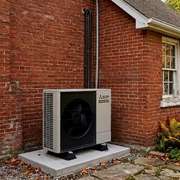
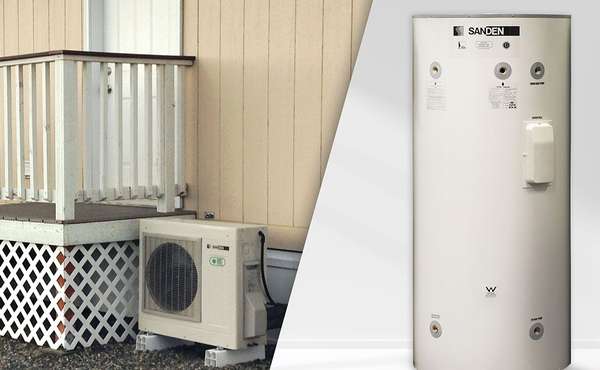
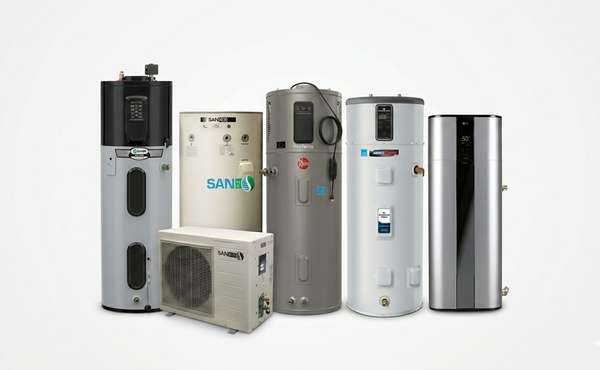
By switching to a smaller, strategically placed electric tank and eventually a Heat Pump Water Heater (especially if you have local grants that help cover the cost - like in BC Canada), you can eliminate gas fees, reduce standby energy loss, and maintain a high level of comfort.
Now that you're ready to downsize your water heater, discover more home decarbonization and plumbing tips in the Ecohome Green Building Guide:
-
Heat pump water heaters: are they right for your climate?
-
DIY outdoor shower with solar generated hot water
-
Electric tankless vs. mini-tank: which is better for small spaces?
-
Do low flow shower heads work and is it worth switching?


Comments (0)
Sign Up to Comment