










Those that live off of municipal water systems tend to be more aware of the journey their water takes before coming out of the tap. Without city water being fed into a home, there is no way to know the quality or taste that your water will offer, or what systems you will need to have in place to treat it.
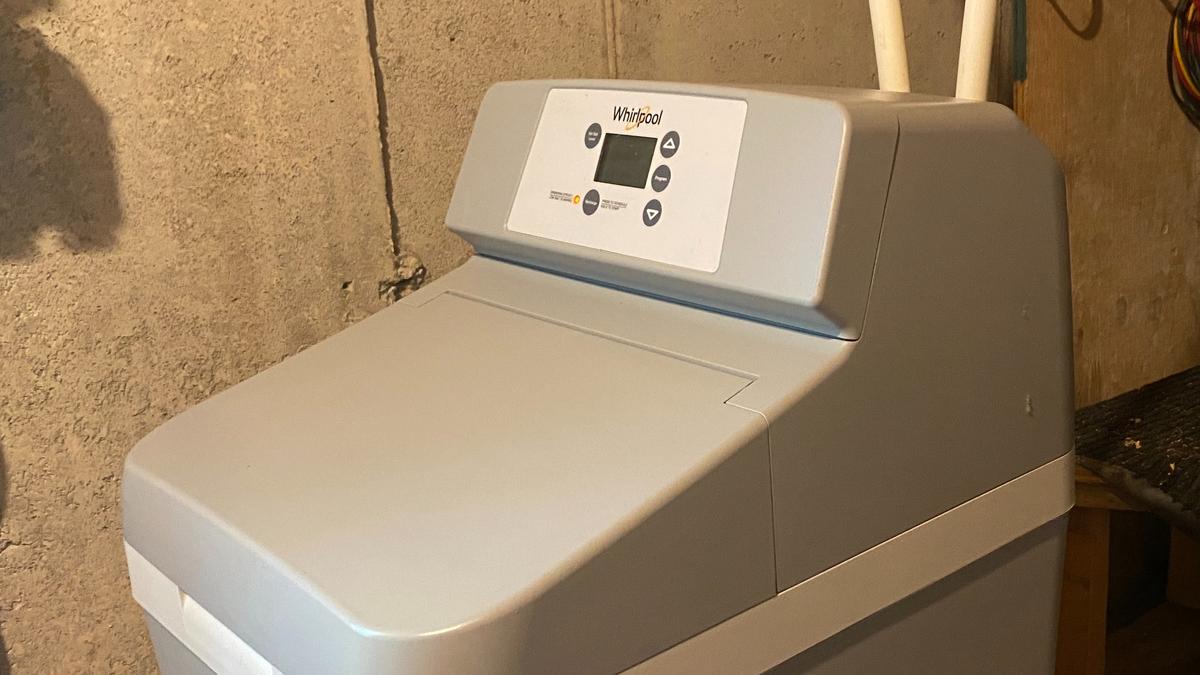
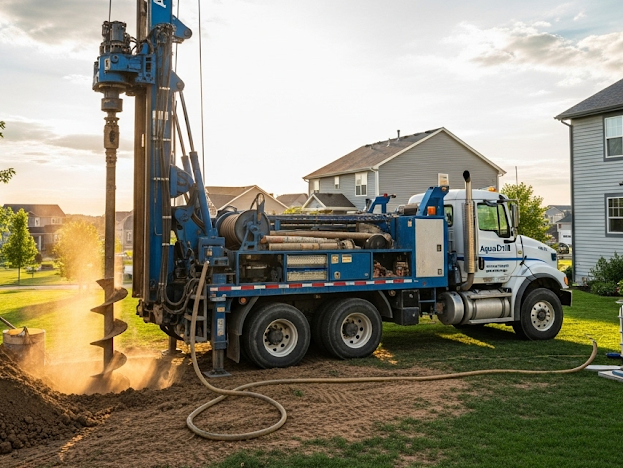
Personally, my water comes from a 360 foot deep well (110 meters), and untreated it would have elevated levels of radon gas, a sulfuric note to its aroma, and a whole host of hard minerals. So, my water gets pumped up into a pressure tank first, it then goes to an evaporation tank where sulfur and radon gases are released, then to a water softener, and sometimes the water heater.
And the taste of my water is notably different than the neighbors well water just next door. The quality of water you end up with when you are digging a well is impossible to tell ahead of time, as it all depends on what specific veins of minerals are present in exactly the location you are drilling. And it can be different in as little as an arms length in any direction.
This guide will provide a definitive overview of how to deal with high levels of minerals, sediment, and other contaminants or gases that you may end up with. We will cover how water softeners work, why they are essential for many well systems, and what to consider when choosing, installing, and maintaining one to ensure your home and family have a reliable supply of clean, soft water.
This guide provides a comprehensive look at the key aspects of this topic. Below is an overview of the sections we will cover, allowing you to jump directly to the information you need.
- Understanding hard water challenges with wells
- How water softeners work
- Types of water softeners
- Choosing the right system for your home
- Installation and maintenance: what pros and homeowners need to know
- Eco-friendly solutions for cleaning hard water stains on toilets and sinks
- Will water softeners get rid of radon gas and sulfur in well water?
- Our conclusions on water softeners
Understanding hard water challenges with wells
When you have a private well, you are responsible for your own water quality. Well water is often classified as 'hard' due to high concentrations of dissolved minerals, primarily calcium and magnesium. Hard water isn't a health risk, but it can cause significant problems for your home's plumbing, appliances, and overall water efficiency. For professionals, understanding these challenges is key to providing a durable and effective solution for their clients.
Hardness measurements:
- A common measurement for water hardness is grains per gallon (gpg).
- Water with a hardness level above 7.0 gpg is considered moderately hard to very hard.
- You can also measure hardness in milligrams per liter (mg/L) or parts per million (ppm), with 1 gpg being roughly equal to 17.1 mg/L or ppm.
Beyond hardness, well water can also contain other contaminants that are not a concern for municipal supplies. These include iron, manganese, and sediment. These additional challenges are crucial to address, as they can interfere with the effectiveness of a standard water softener.
For example, high levels of iron can 'foul' or coat the resin beads inside a water softener, rendering it ineffective at removing hardness. This is why a thorough water test is the essential first step.
How water softeners work
A traditional salt-based water softener operates on a principle called ion exchange. The system contains a tank filled with tiny resin beads that are charged with sodium ions (or potassium ions). As hard water passes through the tank, the calcium and magnesium ions (which are positively charged) are attracted to the resin beads and 'exchanged' for the sodium ions. The result is that the hard minerals are removed from the water, and the sodium ions take their place.
Over time, the resin beads become saturated with calcium and magnesium and can no longer soften the water. At this point, the system needs to 'regenerate'. The regeneration process involves flushing the resin with a brine solution (salt water) from a separate brine tank.
This highly concentrated salt solution strips the hardness minerals from the resin beads and flushes them down the drain, recharging the resin with fresh sodium ions so the softening process can begin again. The system then returns to service, ready to soften more water.
Types of water softeners
While the traditional salt-based system is the most common, there are other technologies available for treating hard water and the specific contaminants often found in wells.
Salt-based water softening systems: the traditional workhorse
These are the most common and effective type of softeners for removing hardness. They are best suited for well water as they can handle high levels of hardness and often come in combination units that can also filter out iron and other contaminants.
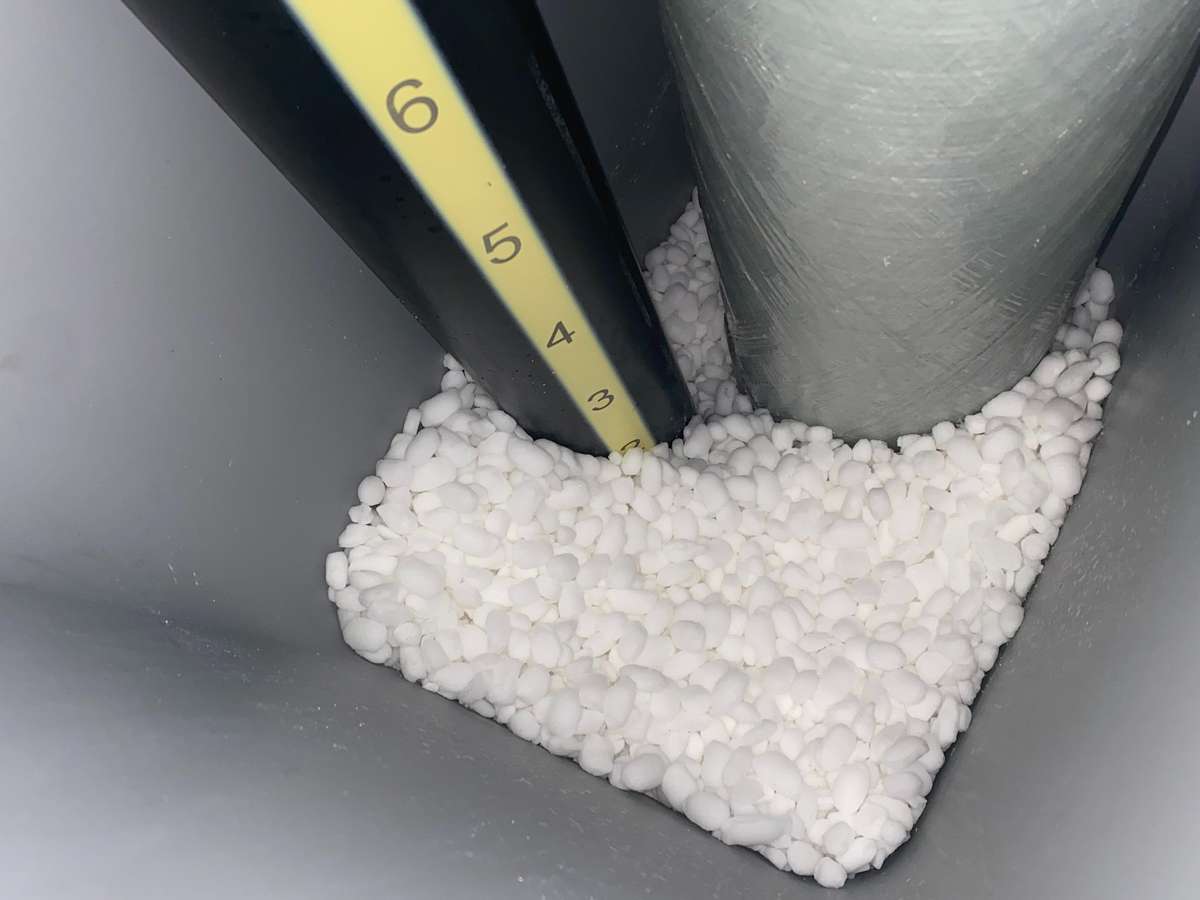
A homeowner will need to regularly add salt to the brine tank, and the regeneration process will produce a small amount of salty wastewater, which is important to consider if you have a septic system or local regulations on salt discharge.
Salt-free water conditioners: an alternative approach
Salt-free systems, often called 'conditioners' or 'descalers', do not remove calcium and magnesium from the water. Instead, they change the molecular structure of the minerals, preventing them from sticking to surfaces and forming scale.
This technology is less proven than ion exchange, and its effectiveness can vary. Reports say they are best suited for water with moderate hardness levels but are not an effective solution for iron, manganese, or other common well water issues.
They can be an attractive option for homeowners who wish to avoid the use of salt or the wastewater discharge from traditional softeners, so long as you know that they have a lot of limitations and the performance is questionable.
Combination systems: the all-in-one solution
For well water, which often contains more than just hardness minerals, a combination system is often the most practical choice. These systems integrate a water softener with a separate filter, such as a carbon filter or an iron filter, into a single unit.
This allows for a comprehensive treatment process that addresses sediment, chlorine (if present), iron, and hardness all in one go. Choosing a combination system simplifies installation and maintenance and ensures the water softener itself is protected from fouling by other contaminants.
Choosing the right system for your home
Choosing the right water softener for a well requires a detailed understanding of the water quality and the household's water usage. Here are the key factors to consider.
What your water test reveals
Before you buy anything, get your water professionally tested. This test is non-negotiable for well owners. You need to know more than just the hardness level. You also need to know the concentration of iron, manganese, sulfur, and other contaminants. This data will dictate the type and size of the system you need.
Sizing your system correctly
The size of your water softener is determined by two main factors: your water hardness and your average daily water usage. To calculate the right size, you multiply your daily water usage (in gallons) by the hardness of your water (in grains per gallon).
This gives you the number of grains the system needs to remove each day. For example, a family of four using 80 gallons (300 L) of water per person per day with 15 gpg water would require a system that can handle 4,800 grains per day (4 people x 80 gallons x 15 gpg).
Most softeners are sized in grains of capacity, such as 30,000 or 45,000 grains, indicating how many grains they can remove before needing to regenerate.A professional will consider these factors and recommend a system with sufficient capacity to go several days between regenerations, which makes the system more efficient.
Installation and maintenance: what pros and homeowners need to know
Proper installation and regular maintenance are crucial for the longevity and performance of a well water softener.
Installation considerations
For most homeowners, installing a water softener is not a DIY project. A licensed plumber or professional water treatment specialist should handle the installation to ensure it's done correctly and in compliance with local plumbing codes.
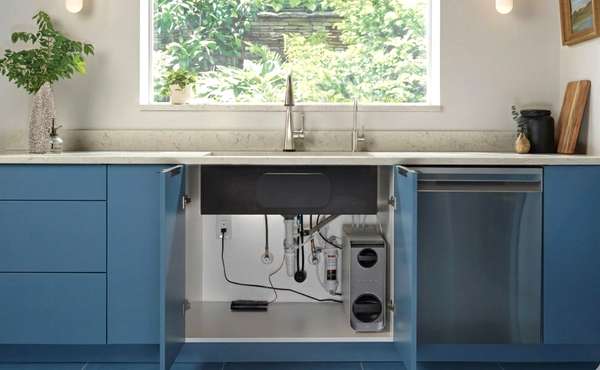
The system should be placed near the main water line where the water enters the home and before the water heater to protect the entire plumbing system. The brine tank should be located in a dry, accessible area with a nearby drain to handle the regeneration wastewater.
Ongoing maintenance
The primary maintenance task for a salt-based system is keeping the brine tank full of salt. The salt should be checked monthly and topped up as needed. Experts recommend using high-quality salt to prevent clumping and ensure efficient regeneration. Some pros may also recommend a 'salt bridge' be broken up on occasion. The salt is the most crucial consumable for this type of system.
Eco-friendly solutions for cleaning hard water stains on toilets and sinks
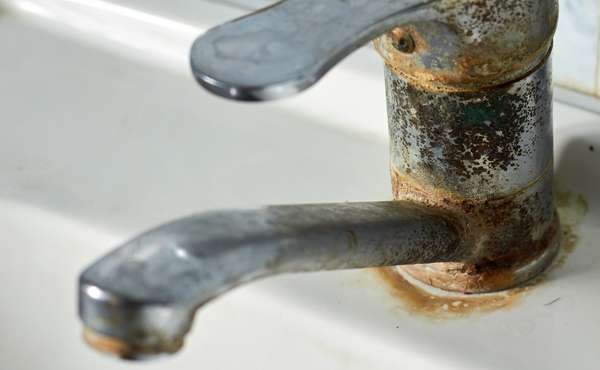
The mineral buildup from hard water doesn't just affect appliances; it can have a direct impact on your home's plumbing and fixtures. Over time, calcium and magnesium deposits - often called 'scale' - can accumulate inside pipes, reducing water flow and putting extra strain on your well pump. This same buildup can create unsightly stains and clogs in your sinks, toilets, and showerheads.
Fortunately, you can tackle these issues using simple, eco-friendly methods. For hard water stains on toilets, sinks, and other fixtures, a solution of white vinegar is often all you need. Vinegar's natural acidity dissolves the mineral deposits.
For stubborn stains, create a paste with baking soda and vinegar and scrub with a soft cloth. To unclog a showerhead, simply fill a plastic bag with white vinegar and submerge the showerhead in it, securing it with a rubber band. After a few hours, the vinegar will have dissolved the mineral buildup, restoring water pressure and flow.
Will water softeners get rid of radon gas and sulfur in well water?
Other even more unfortunate discoveries you may come across with the quality of your well water, is a strong smell or sulfur, or worse still, the presence radon gas in well water which is odorless. We are choosing to cover that as well just in case you came here looking for a water softener to deal with it, which they unfortunately won't. Removing gases from well water requires a separate solution to aerate water, such as the Airwell from Radon Environmental.

Radon gas in well water
Exposure to high levels of radon gas in the air of homes is the second greatest cause of lung cancer after smoking. Radon is colorless and odorless, so it is impossible for humans to personally detect it. Conducting radon testing after a home is built is the only way to accurately indicate if you have a radon issue in your home.
Radon mitigation solutions for existing homes are available, but including radon mitigation methods during basement construction is an extremely cheap and invaluable design feature considing what it offers.
Radon can enter homes through cracks in your foundation (read more here about radon gas in homes and how to get rid of it) or it can enter through your well water. Read more here about how to remove radon gas from wellwater.
The sudden appearance of a sulfur smell in well water
You may have no sulfur smell present when you first dig a well, but it may show up at anytime, which is a common issue that can be puzzling for homeowners. The rotten-egg odor is caused by hydrogen sulfide gas (H2S), which can develop in a well's water supply even after years of having no smell.
Over time, the local groundwater can change. A decrease in the water table, for example, can introduce new geologic layers into the well's water source. If these layers contain sulfur-rich materials like shale or sandstone, they can begin to release hydrogen sulfide gas into the water. Sulfur in your water supply is completely harmless, but very unpleasant. Aerators in wells remove radon gas as well as sulfur.
Our conclusions on water softeners
Choosing a water softener for a well is a critical step in protecting your home and ensuring your family has access to quality water. It starts with a comprehensive water test to identify specific challenges like hardness, iron, and sediment. Based on these results, you can select the right system, with a salt-based softener or a combination unit being the most common and effective solutions.
Proper sizing and professional installation are essential for a system's long-term performance, while ongoing maintenance - primarily keeping the brine tank filled with salt - is key to ensuring a continuous supply of soft, clean water.
Now that you know more about water softeners for wells, find more info about water treatment and green building techniques in the Ecohome Green Building Guide and these pages below:
-
How to know if there is radon gas in well water and how to remove it
-
Are low-flow showerheads any good and do they save much energy?
-
DIY outdoor solar hot water shower, save on water and electricity bills!
-
Find residential water treatment systems such as water softeners, water heaters and UV filters in the Ecohome green building product directory










Comments (0)
Sign Up to Comment