








Home drinking water filters: a homeowner's & pro's guide
Ensuring access to clean, safe drinking water is a top priority for health-conscious homeowners and building professionals who recognize that municipal standards do not always account for the final point-of-use water quality.
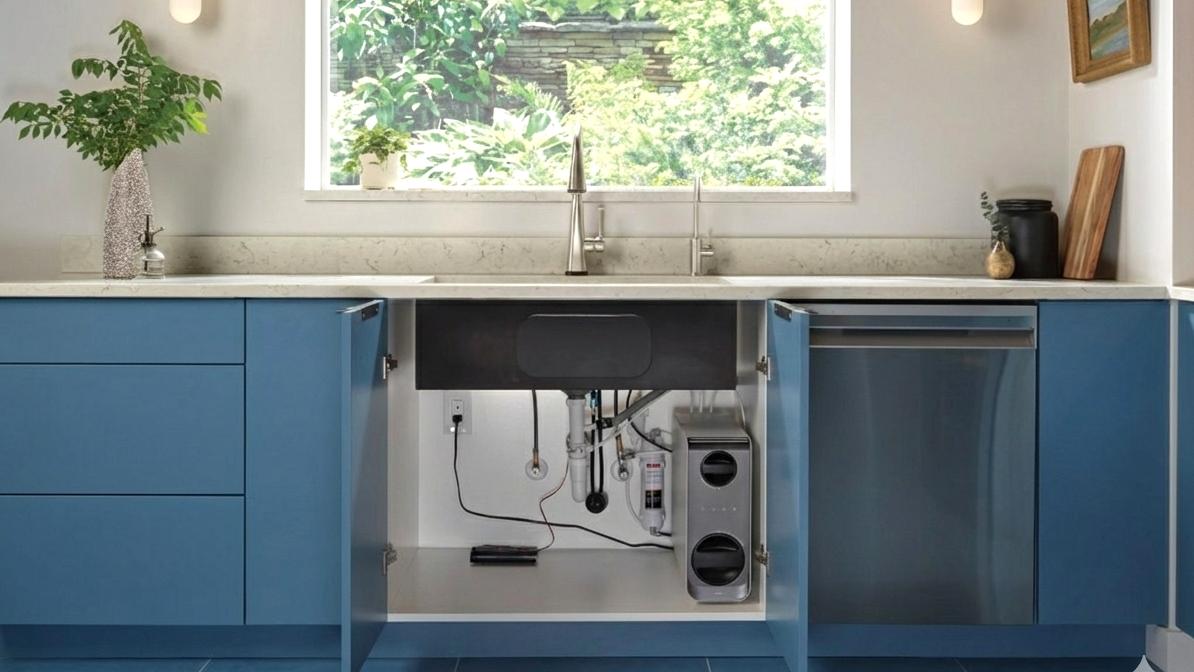
While central treatment plants manage many large-scale risks, the secondary contamination that occurs within aging infrastructure and residential plumbing systems can introduce heavy metals, microplastics, and chemical residues directly into your kitchen. Under-counter water filters offer a permanent, high-capacity solution that provides purified water without the waste of plastic bottles or the slow filtration rates of gravity-fed pitchers.
This guide provides a comprehensive look at the key aspects of this topic. Below is an overview of the sections we will cover, allowing you to jump directly to the information you need.
- What contaminants are in home drinking water?
- Understanding different filter technologies
- Activated carbon: the versatile filter standard
- Reverse osmosis: high-purity water for homes
- Ultrafiltration and UV sterilization for pathogens
- Top 10 best under-counter filters: 2026 buyers guide
- Installation and professional maintenance tips
- In brief
What contaminants are in home drinking water?
Identifying the specific risks in your water supply is the first step toward choosing an effective filtration strategy. Even water that meets government standards at the treatment plant can become contaminated before it reaches your tap.
In older cities across North America and the UK, aging service lines still contain lead, and while copper replaced lead decades ago, many older pipe joints were joined with lead-based solder that can leach into your drinking water.
Beyond heavy metals, modern "forever chemicals" known as PFAS (per- and polyfluoroalkyl substances) have been detected in water supplies globally. These industrial compounds do not break down naturally and require advanced carbon or reverse osmosis filtration for removal.
Additionally, microscopic plastic fibers and fragments (microplastics) have become a ubiquitous concern in both bottled and tap water. For those on private systems, radon gas can dissolve in well water, posing a risk not just through ingestion but also through inhalation when the gas is released during showering or dishwashing.
Understanding different filter technologies
Selecting the right under-counter system requires a balance between filtration depth, flow rate, and maintenance requirements. Professionals often categorize these systems by their micron rating, which dictates the size of particles the filter can physically block. A 5-micron filter is roughly the size of a red blood cell, while high-performance sub-micron filters can stop particles as small as 0.5 microns or less.
Homeowners must also choose between inline filters and dedicated faucet systems. Inline systems are spliced directly into your existing cold water line, meaning all the water from your main kitchen faucet is filtered. Dedicated systems require drilling a small hole in the countertop for a separate, high-quality faucet, which preserves the life of the filter cartridges by only purifying the water you actually drink.
Activated carbon: the versatile filter standard
Most modern under-sink systems rely on activated carbon as their primary filtration medium. This material is typically made from coconut shells or coal that has been treated to create millions of tiny pores, providing a massive surface area for adsorption. This chemical process causes contaminants like chlorine, herbicides, and pesticides to stick to the carbon while clean water passes through.

For pros and high-demand users, carbon block filters are generally preferred over granular activated carbon (GAC). Blocks are compressed under high pressure, preventing "channeling" - where water finds the path of least resistance - and ensuring every drop makes contact with the carbon. This makes them significantly more effective at reducing VOCs (volatile organic compounds) and improving the overall clarity and taste of municipal water.
Reverse osmosis: high-purity water for homes
When source water contains dissolved solids or heavy metals that carbon cannot catch, reverse osmosis (RO) is the industry standard. An RO system works by using high pressure to force water through a semi-permeable membrane. This membrane has pores so small (0.0001 microns) that they reject almost everything except the water molecules themselves.
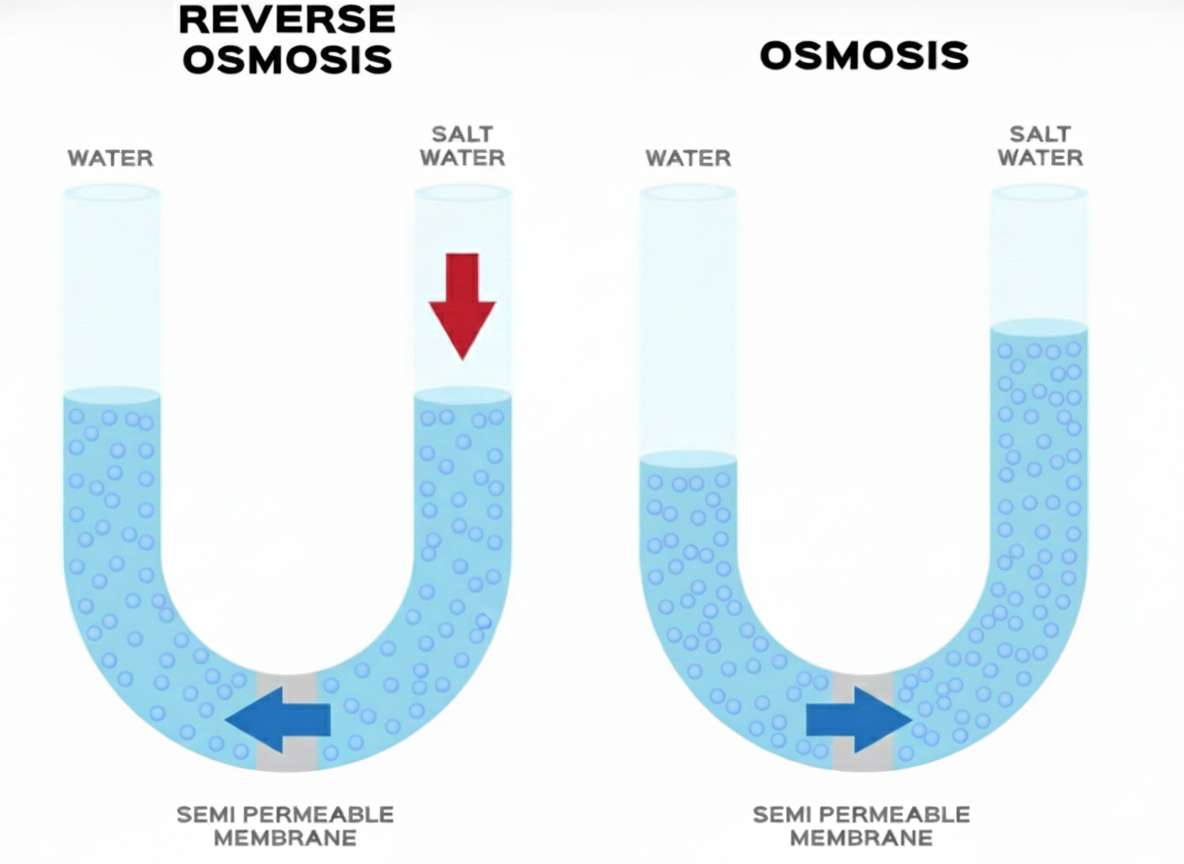
RO is exceptionally effective at removing fluoride, arsenic, and nitrates. However, because it removes 95-99% of all minerals, the resulting water can be slightly acidic. Premium under-counter RO units now include a remineralization stage that adds back small amounts of calcium and magnesium to balance the pH and improve flavor.
It is important to note that traditional RO systems can waste 3 to 4 gallons (11 to 15 liters) of water for every gallon of pure water produced, so looking for high-efficiency or tankless RO models is a better choice for sustainable home design.
Ultrafiltration and UV sterilization for pathogens
Ultrafiltration (UF) is a robust alternative for those who want better-than-carbon filtration without the water waste of reverse osmosis. UF membranes use hollow fibers to block bacteria and cysts while allowing healthy minerals to remain in the water.
For those who's water comes from private wells or those in regions with unreliable biological safety, adding an ultraviolet (UV) lamp is a critical safety step. UV light does not use chemicals; instead, it uses a specific wavelength of light to scramble the DNA of viruses and bacteria, rendering them harmless. For professionals, ensuring the UV sleeve is cleaned annually is vital for maintaining the necessary 16,000 to 30,000 microwatt-seconds of energy required for sterilization.
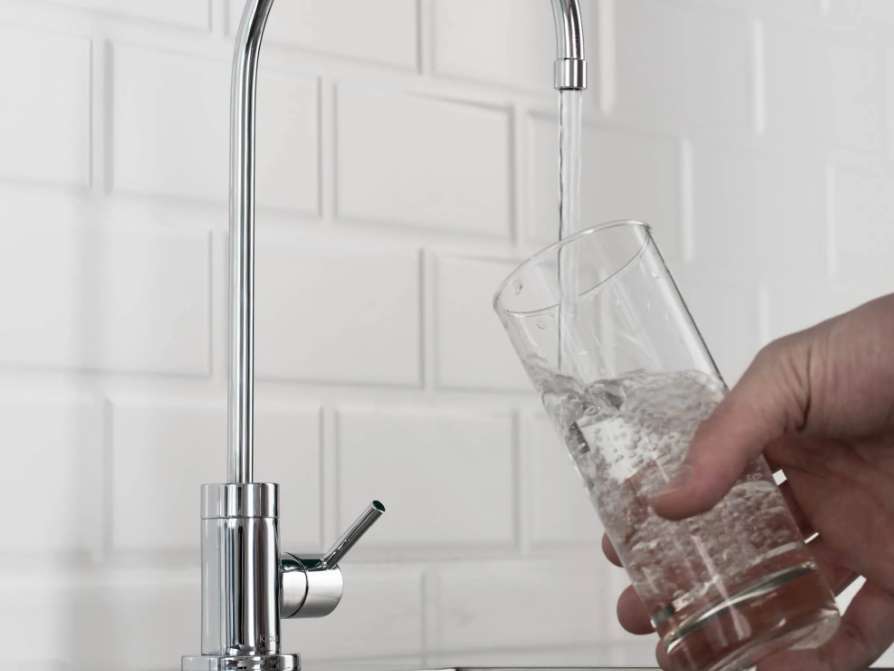
Top 10 best under-counter filters: 2026 buyers guide
The following selections are chosen for their filtration certification, durability, and ease of filter replacement in the 2026 market.
- 1. CuZn UC-200 Under-Counter Filter: Best for high-capacity inline use. It lasts for up to 5 years or 50,000 gallons (189,271 liters) and does not require a separate faucet, making it ideal for rentals or simple retrofits.
- 2. Aquasana Claryum 3-Stage Max Flow: Best for multi-contaminant removal. Certified to NSF/ANSI standards to remove lead, PFOA/PFOS, and mercury with a fast flow rate of 0.8 GPM (3.0 LPM).
- 3. APEC ROES-50 Essence Series: Best overall reverse osmosis. A professional-grade 5-stage system known for its robust leak-free fittings and standard 10-inch (25-cm) filter housings that are easy to source globally.
- 4. Waterdrop G3P600 Tankless RO: Best for modern kitchens. A compact, tankless design that produces very little waste water and features an integrated display to monitor TDS (total dissolved solids) in real time.
- 5. Hydroviv Custom Under-Sink Filter: Best for personalized safety. Hydroviv engineers the filter media based on the specific water quality report of your city or region.
- 6. iSpring RCC7AK 6-Stage RO: Best for mineral balance. This system includes an alkaline remineralization stage to restore natural minerals and balance the pH after purification.
- 7. Clearly Filtered 3-Stage System: Best non-RO for fluoride. Utilizing proprietary "Affinity Technology," this system removes fluoride and chromium-6 without the need for a storage tank.
- 8. Frizzlife SK99 3-Stage Filter: Best for easy maintenance. Features a shut-off valve within the filter head, allowing for a 3-second cartridge change without turning off the main water supply.
- 9. Multipure Aquaversa: Best for lead and cysts. A durable stainless steel unit that uses a carbon block capable of removing sub-micron contaminants with high efficiency.
- 10. Culligan EZ-4 System: Best budget option. A simple, twist-on filter that is effective for basic chlorine and sediment removal in smaller households.
Installation and professional maintenance tips
Proper installation and regular maintenance are what separate a high-performance system from a potential leak hazard. Professionals recommend checking the static water pressure of the home before installation; reverse osmosis systems typically require a minimum of 40 psi (2.76 bar) to operate.
If the pressure is too low, a booster pump must be added. Conversely, if pressure exceeds 80 psi (5.5 bar), a pressure-reducing valve is necessary to prevent blowing out the filter seals.
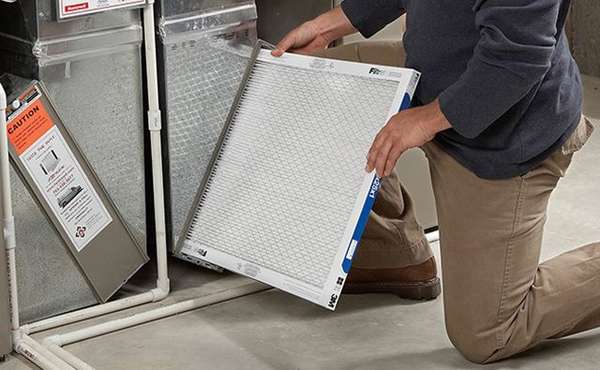
Maintenance schedules should be strictly followed to prevent bacterial growth within the filter housings. Carbon pre-filters should be replaced every 6 to 12 months, while reverse osmosis membranes can last 2 to 3 years depending on the incoming water hardness.
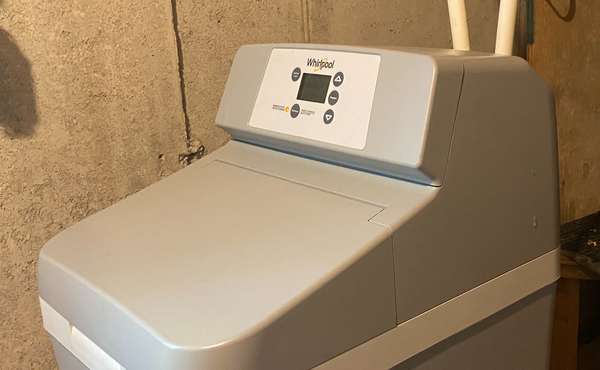
If your home has significant scale issues, you may first need to consider choosing the right water softener to protect the delicate filtration membranes from premature clogging. In the UK, Australia, and New Zealand, ensure that all components are WRAS or WaterMark certified to comply with local plumbing regulations and insurance requirements.
Pitcher water filters - do they work?
Water filter pitchers provide a convenient entry point for home water treatment but their performance is often limited compared to more robust under-counter systems. Most standard pitchers are designed primarily to improve the taste and odor of municipal water by removing chlorine and certain minerals through a combination of activated carbon and ion-exchange resin.
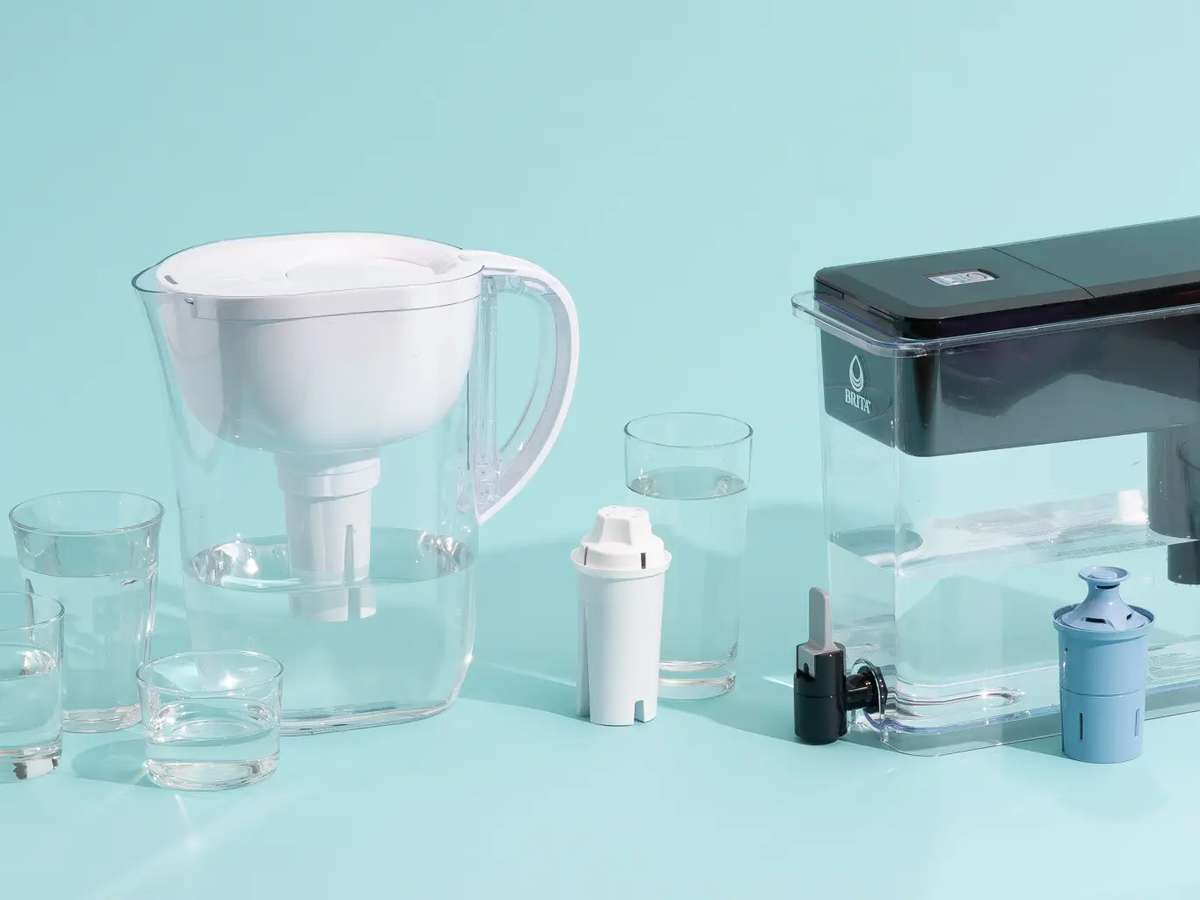
While these "gravity-fed" filters are highly effective at neutralizing chemical tastes, they often fall short when addressing more hazardous contaminants such as PFAS (forever chemicals), lead, or arsenic unless they are explicitly certified to NSF/ANSI 53 standards.
Effectiveness and filtration depth
The primary drawback of a pitcher is its reliance on gravity rather than line pressure. Because water passes slowly through a small amount of loose media, the "contact time" is limited, which can lead to inconsistent removal rates for complex industrial chemicals.
Research from Duke University has highlighted that some popular pitcher brands can even release captured contaminants back into the water if the filter is used past its saturation point. For professionals and homeowners dealing with known heavy metals or biological risks, an under-counter system remains the more reliable recommendation.
Cost comparison and long-term value
While the upfront cost of a pitcher is low - typically between $30 and $90 (approx. 25 to 70 GBP) - the total cost of ownership can quickly surpass that of an installed system. High-performance pitcher filters often cost $25 to $50 per cartridge and require frequent replacing to maintain safety standards.
Over a single year, a household can easily spend $300 to $450 on pitcher refills. In contrast, a high-quality under-counter system with a $300 initial price tag might only require $80 in annual maintenance, making it the more economical choice for long-term household use.
Maintenance and filter changing schedule
Maintenance for pitchers is frequent and demanding to prevent bacterial growth inside the moist filter housing. Most standard cartridges are rated for only 40 gallons (151 liters), which translates to a filter change every 4 to 8 weeks for an average family. High-capacity versions may extend this to 100 gallons (378 liters) or roughly 3 to 4 months.
Failure to adhere to this schedule not only reduces filtration efficiency but can also lead to the accumulation of organic matter within the pitcher reservoir. If your source water is particularly hard, you may find these filters clog even faster.
In brief
Ensuring safe drinking water requires matching the right technology to your specific water chemistry. While activated carbon is a cost-effective choice for improving taste and removing chlorine from municipal water, reverse osmosis remains the most thorough method for eliminating heavy metals, nitrates, and dissolved solids.
For those on well water, UV sterilization is a necessary safeguard against biological pathogens. Always prioritize systems with third-party certifications from organizations like NSF International or the WQA (Water Quality Association) to verify that the filter actually performs as advertised.
Now that you know more about home drinking water filters, find more info about water quality & green building techniques in the Ecohome Green Building Guide and these pages below:
-
Choosing the right water softener for your well
-
Best watermakers for off-grid homes: desalination guide
-
Removing radon gas from well water
-
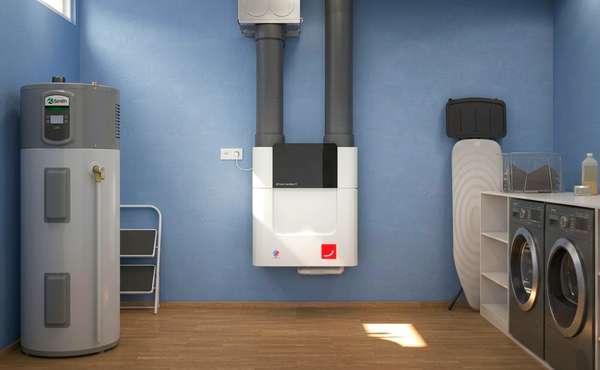
Is it the right time to buy a heat pump water heater? See our buyers guide










Comments (0)
Sign Up to Comment