








Drain water heat recovery: a homeowner's & pro's guide
Drain water heat recovery (DWHR) is a passive energy-saving technology that captures heat from gray water before it disappears down the sewer. In a typical home, heating water is often the second largest energy expense after space heating.
By using a heat exchanger to preheat incoming cold water using the warmth from shower drains, these systems can reduce water heating costs by 20-40%. This guide explores the mechanics, brand performance, and specialized solutions for various foundation types.
- How drain water heat recovery works
- Passive energy efficiency in sustainable home design
- Vertical units: brand performance and pro features
- Installation and plumbing configurations
- Efficiency, maintenance, and return on investment
- Horizontal dwhr for slab on grade foundations
- In brief
How drain water heat recovery works
How the falling film effect transfers heat
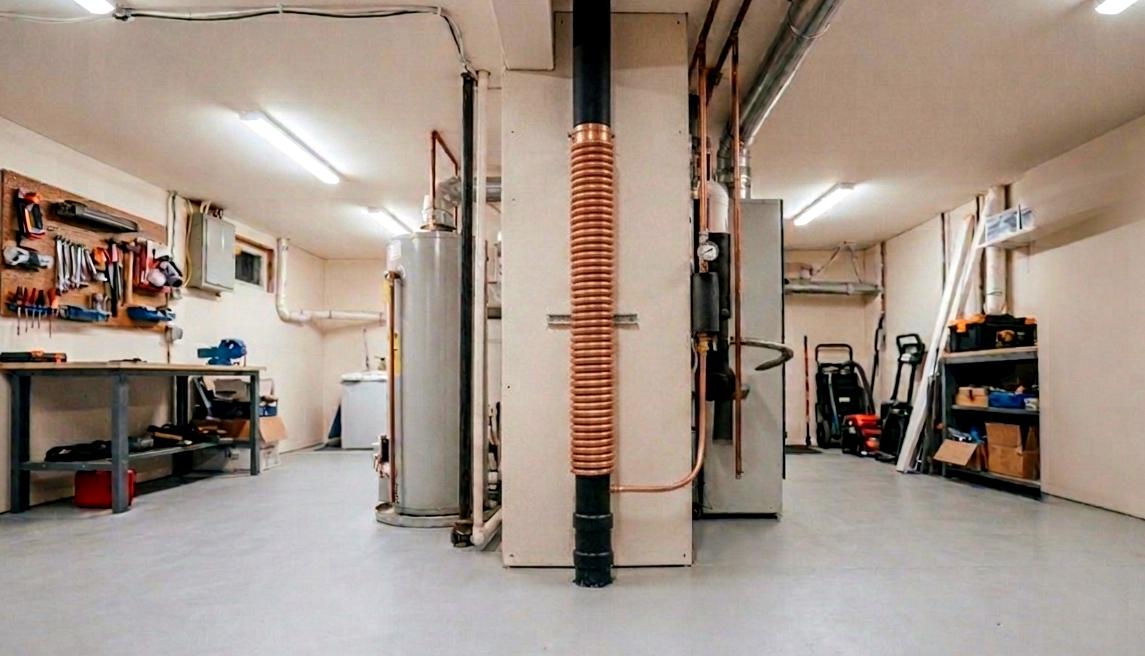
The most common DWHR systems consist of a copper potable water tube wrapped tightly around a central copper drain pipe. As warm shower water flows down the drain, it does not fill the pipe; instead, gravity pulls it against the inner walls in a thin layer known as a falling film. This maximizes the surface area in contact with the copper, allowing heat to transfer through the pipe wall to the cold water circulating in the outer coil.
By the time the incoming cold water reaches your water heater or shower mixing valve, it has been preheated from roughly 50°F (10°C) to as high as 75°F (24°C). This means your water heater does significantly less work to reach the desired temperature.
Passive energy efficiency in sustainable home design
What we like most about drain water recovery systems is their passive nature. With no moving parts, a unit is unlikely to break down in your lifetime. This fits perfectly with the "KISS" principle (Keep It Simple, Stupid). When applied to home design, we often look to a quote from the late Rob Dumont, designer of the world's first Passive House, who said:
"Simple is Better than Complicated, Passive is Better than Active, and Moving Parts Fail."
Intelligent home design focuses on simplicity, durability, and efficiency. Drain water heat recovery pairs naturally with passive solar design, which is a core component of the envelope first home building philosophy.
The goal is to reduce energy demand before worrying about how to replenish it. When you zoom out and account for all the energy losses in a home, plugging those leaks results in a superior building. You end up with a home that is more resilient, more affordable to operate, and carries a much higher resale value.
Vertical units: brand performance and pro features
Comparing the technical edge of industry leaders
While most vertical units look similar, technical differences in efficiency-to-length ratios and installation hardware define the market leaders. For a pro, the choice often comes down to labor savings and vertical real estate.
- ThermoDrain: Frequently favored by builders for high efficiency in a compact footprint. Their factory-integrated PEX or expansion fittings are a major labor-saver for contractors, eliminating the need for soldering in tight mechanical rooms.
- RenewABILITY (Power-Pipe): The original industry leader with the widest range of lengths. They are the gold standard for energy code compliance and are a staple in almost every major Net Zero pilot project.
- GFX (Gravity Film Exchange): One of the earliest pioneers in the technology. While less common in modern residential retail, their industrial copper designs remain a reference for large-scale commercial heat recovery.
If your vertical space is restricted to 30-40 inches (76-101 cm), choosing a unit with a higher efficiency-per-inch rating is critical to achieving a viable ROI.
Installation and plumbing configurations
Plumbing the potable water side
There are three main ways to plumb the preheated water coming from a DWHR unit:
- Preheating the water heater only: The preheated water is fed into the cold water inlet of the water heater.
- Preheating the shower only: The preheated water is sent directly to the cold side of the shower's mixing valve.
- The balanced approach: The preheated water is split, feeding both the water heater and the shower's cold water intake. This is the most efficient configuration as it maximizes the volume of water moving through the heat exchanger.
Regulatory compliance and safety
In many regions, including parts of Canada and the US, DWHR is now a mandatory requirement for new builds under energy codes. It is critical to ensure any unit installed is CSA B55.1 or B55.2 certified. These standards ensure that the unit uses a double wall heat exchanger, preventing any possibility of cross-contamination between drain water and potable drinking water.
Efficiency, maintenance, and return on investment
Long term performance and durability
One of the greatest advantages of DWHR is its passive nature. There are no pumps, no moving parts, and no electrical connections. Once installed, a high-quality copper unit can last 30 to 50 years. Because the internal copper pipe is the same diameter as the rest of the plumbing, there is no increased risk of clogs compared to a standard drain.
Calculating your savings
The return on investment (ROI) depends on the number of people in the household and the frequency of showers. For a family of four, a vertical unit typically pays for itself in 2 to 5 years. This makes it one of the most cost-effective ways to improve a home's Energy Star or Passive House rating without ongoing maintenance costs.
Horizontal dwhr for slab on grade foundations
Overcoming the lack of vertical height
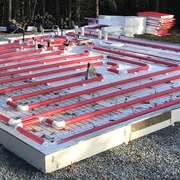
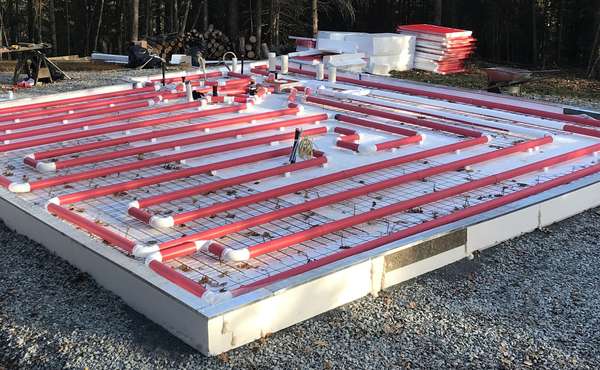
In single-story homes built on a slab on grade, traditional vertical units are impossible to install because they require a vertical drop to create the falling film effect. Because these foundations have plumbing embedded in concrete, any heat recovery must be planned early in the design phase to capture horizontal runs with a shallow slope.
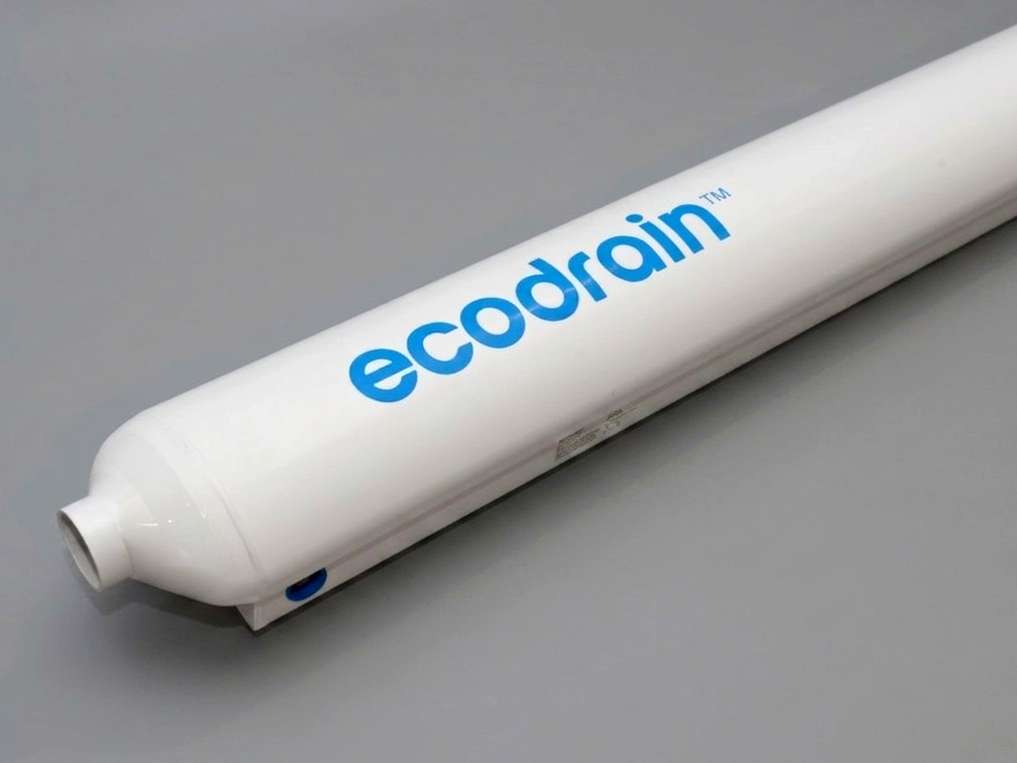
The importance of turbulence in horizontal flow
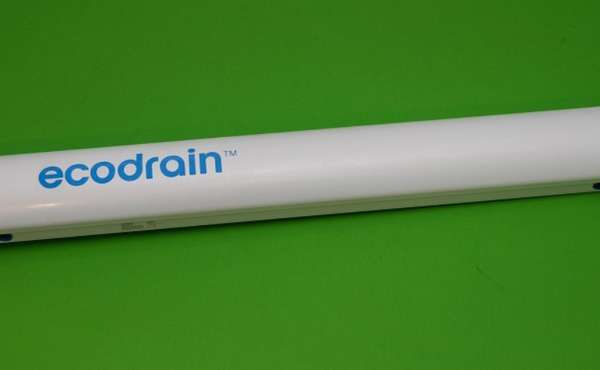
Unlike vertical stacks where water clings to the pipe walls, water in a horizontal pipe pools at the bottom. Specialized units from EcoDrain (based in Quebec) and Zypho solve this by creating turbulence. By forcing the water to tumble across flat internal plates or specialized channels, these units maintain higher efficiency levels (typically 30-33%) that standard vertical pipes cannot reach when laid horizontally. Zypho units are particularly effective for shower-tray recovery in high-end condos where floor space is at a premium.
In brief
Drain water heat recovery is a simple yet powerful tool for reducing a home's carbon footprint. By capturing heat that would otherwise be lost down the drain, these systems offer a maintenance-free way to recycle energy.
Whether utilizing a standard vertical stack or a specialized horizontal unit for a slab on grade home, homeowners can save money and extend the capacity of their water heaters, providing more hot water for longer periods without increasing energy consumption.
Now that you know more about drain water heat recovery brands, find more info about sustainable plumbing & green building techniques in the Ecohome Green Building Guide and these pages below:
-
Slab on grade or crawlspaces: which is better?
-
Greywater heat recovery overview
-
Home water consumption and efficiency
-
Greywater recycling systems for homes



Comments (0)
Sign Up to Comment