


The WELL building standard - how is it different than other green building rating systems?
The focus of a lot of green home rating systems have historically focused on a structure's impact on the planet, prioritizing energy efficiency and resource conservation, but WELL is different. WELL is the world's leading, performance-based certification system uniquely focused on optimizing buildings to support and advance human health and well-being.
This guide will walk homeowners and building professionals through the core principles of WELL, its global reach, and its key differences from traditional green building certifications like LEED for homes, Passive House, Net zero and BREEAM.
- Understanding the WELL building standard
- The 10 concepts of WELL v2
- A global reach: countries of operation
- Comparing WELL to other rating systems
- In brief
Understanding the WELL building standard
The WELL Building Standard, administered by the International WELL Building Institute (IWBI), is a flexible, evidence-based framework that measures, certifies, and monitors design and operational features of the built environment that directly impact the health of occupants.
Unlike other standards that focus primarily on the environmental performance of the building, WELL is human-centric, grounded in a body of medical research that explores the connection between the places where we spend over 90% of our time and our physical and mental health.
This makes it crucial for developers, architects, and homeowners who recognize the value of improved occupant performance, comfort, and satisfaction.

Key features and methodology
WELL is a performance-based system. This is a critical distinction for both professionals and interested homeowners:
- Preconditions and optimizations: Projects must meet all applicable preconditions (essential features) to achieve any level of certification. Optimizations are optional features that earn points toward higher certification levels (Silver, Gold, and Platinum).
- Performance verification: Achieving WELL certification is not just about documentation. After construction is complete, a qualified third-party professional - a WELL Performance Testing Agent - must visit the site to conduct on-site testing and inspection. This ensures that the building is actually performing as designed in areas like air and water quality.
- Recertification: To maintain its integrity and ensure a building continues to support occupant health, WELL requires recertification every three years. This ongoing commitment is a guarantee of continued performance.
10 design concepts of the WELL v2 rating system
The current version of the standard, WELL v2, is organized around 10 core concepts. Each concept contains features with specific health and well-being intents, providing a clear roadmap for design and construction teams, and a tangible value proposition for homeowners.
Air
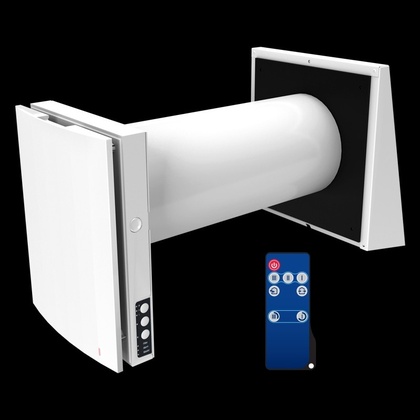
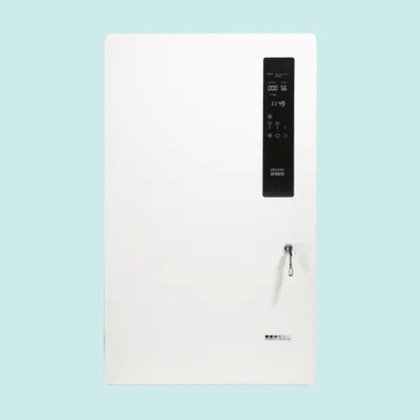
The Air concept focuses on achieving high levels of indoor air quality (IAQ). This involves rigorous requirements for ventilation, filtration, and pollutant source control. For professionals, this means specifying high-efficiency air filters (e.g., MERV 13 or higher), ensuring adequate outdoor air exchanges, and testing for pollutants like volatile organic compounds (VOCs) and particulate matter.
For homeowners concerned about safe indoor home air quality, it translates directly to a healthier living environment with less dust, fewer allergens, and a reduced risk of respiratory issues.
Water
This concept is about ensuring the quality and accessibility of water. Features address the presence of inorganic and organic contaminants, as well as the proactive management of water-based pathogens like Legionella.
Projects must meet specific water quality thresholds, often requiring advanced filtration systems beyond what is commonly used in code-built homes. For a project to earn credit in this area, the water must be tested on site.
Nourishment
The Nourishment concept promotes healthy eating habits by increasing the availability of fresh, wholesome foods and encouraging mindful eating. In residential settings, this might involve design features like highly accessible refrigerators, ample counter space for food preparation, and space for indoor or outdoor gardening. In commercial or multi-unit buildings, it includes standards for healthy options in vending machines and cafeterias.
Light
The Light concept of WELL addresses both visual acuity and the non-visual effects of light on the body’s circadian system. This often requires complex lighting design plans to maximize exposure to natural daylight, implement circadian lighting strategies (lighting that changes color temperature throughout the day), and minimize glare.
This is particularly important for professionals designing workspaces and for homeowners interested in improving sleep quality and productivity. While other rating sytems incorporate points for passive heating and cooling home design, WELL is one of the few that addresses the mental health implications of home lighting. Read more here about how to treat seasonal affective disorder (SAD) with light therapy and day-lighting of homes

Movement
This concept encourages building design, policies, and technologies that promote physical activity and discourage sedentary behavior. Features include design elements like inviting stairwells (to encourage walking over using elevators), fitness areas, and the provision of ergonomic sit-stand desks or furnishings in both commercial and home offices.
Thermal comfort
Thermal Comfort focuses on creating a high-quality, comfortable, and productive indoor environment through appropriate temperature, humidity, and airflow control. It goes beyond simple code compliance by mandating the provision of personal thermal control and addressing factors like radiant temperature asymmetry and drafts, which are common complaints in many buildings.
Professionals will focus on high-performance HVAC systems and superior building envelopes to meet these precise criteria.Learn here all about how to design homes to be warm and thermally comfortable.
Sound
The Sound concept aims to minimize noise pollution and create a comfortable acoustical environment, recognizing that noise can significantly impact stress, focus, and sleep. This is achieved through features related to sound reduction through acoustic panels, sound masking, and material selection that minimizes sound transmission between spaces. For apartments or semi-detached homes, this is vital for occupant well-being. Read here about how to reduce sound transmission in homes.
Materials
The Materials concept seeks to reduce or eliminate exposure to hazardous building products and manage materials responsibly. It addresses the specification of products that are free from various toxic chemicals and focuses on the responsible sourcing and safe disposal of building materials. This directly complements the IAQ goals by eliminating the source of many indoor air pollutants, aligning with Ecohome’s core mission.
Mind
Mind promotes mental health and cognitive well-being. This is achieved through features that integrate biophilic design (connection to nature), provide access to outdoor spaces, promote stress-reduction programs, and implement policies that support work-life balance and proper sleep.
Community
The Community concept encourages social equity, civic engagement, and access to essential health resources for occupants and neighbors. It includes features related to emergency preparedness guides for homeowners, health promotion, and home design for universal access for seniors and those with mobility issues.
A global reach: countries of operation
Unlike some green building standards that were initially developed for a specific regional market, the WELL Building Standard was designed to be globally applicable. The International WELL Building Institute (IWBI) reports that the standard is currently active in more than 130 countries across the world, impacting billions of square feet of real estate.
Regional adaptation for a mixed audience
While the core concepts are consistent globally, the technical requirements for WELL are often adapted or cross-referenced with local standards and regulations to ensure feasibility and relevance. Key regions for its adoption include:
- North America (US & Canada): The standard originated in the US and has a strong partnership with the US Green Building Council (USGBC) and the Canada Green Building Council (CaGBC). This has led to high uptake in commercial sectors and a growing interest in residential applications. For professionals, this means familiar reference points to US and Canadian codes like ASHRAE.
- UK & Europe: While the BREEAM rating system is the dominant rating system, WELL has gained traction, especially in the commercial real estate sector, as a crucial tool for corporate wellness and ESG (Environmental, Social, and Governance) reporting. Crosswalks exist to simplify the process of achieving both BREEAM and WELL.
- Australia & New Zealand (ANZ): The standard is also seeing accelerating uptake across Australia and New Zealand, particularly in major urban centers, as a way to differentiate high-value property based on occupant health outcomes.
Comparing WELL to other rating systems
The WELL Building Standard is not a replacement for, but rather a complement to, other major green building certification systems like LEED (Leadership in Energy and Environmental Design) and BREEAM (Building Research Establishment Environmental Assessment Method). Understanding the difference is crucial for any professional or homeowner deciding which path to pursue for a new construction or deep retrofit project.
The core philosophical difference: planet v people
The primary distinction lies in the central focus:
- LEED and BREEAM: These are primarily environmental sustainability ratings. They focus on the building's impact on the planet, prioritizing energy efficiency, water conservation, site ecology, and responsible material selection to reduce the carbon and environmental footprint of buildings.
- WELL: This is a human health and well-being rating. It focuses on the building's impact on the people inside it, prioritizing indoor air quality, comfort, movement, and mental health.
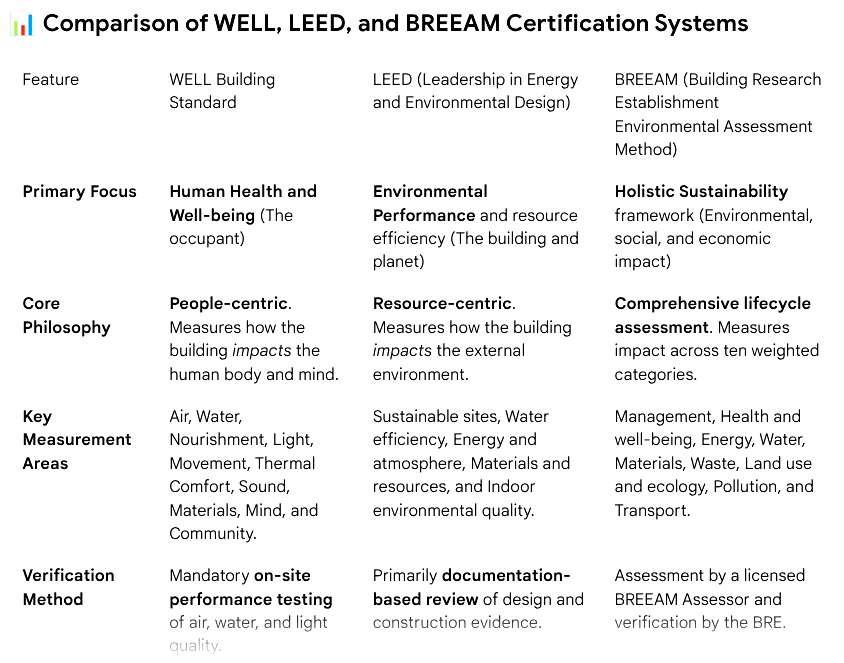
Key differences in requirements and process
| Feature | WELL Building Standard | LEED (Leadership in Energy and Environmental Design) | BREEAM (Building Research Establishment Environmental Assessment Method) |
|---|---|---|---|
| Primary focus | Human health & well-being (occupant) | Environmental performance & resource efficiency (building & planet) | Comprehensive sustainability & lifecycle assessment (UK/Europe) |
| Core metrics | Air quality thresholds (VOCs), daylight quantity, acoustic comfort, mental health features. | Energy use reduction, water efficiency (gallons or litres per flush), recycled material content. | Energy, water, materials, management, ecology, transport, and pollution. |
| Verification | Mandatory on-site performance testing by a WELL Performance Testing Agent. | Primarily documentation-based review of design and construction details. | Assessment by a licensed BREEAM assessor and verification by the BRE. |
| Recertification | Mandatory every 3 years. | Optional for most certifications, but highly recommended. | Required for in-use certifications. |
Synergies and dual certification
It's important to note that these systems often work together. Many projects, especially high-end commercial buildings and large institutional developments, pursue dual certification. For instance, a project may achieve LEED Platinum certification for its outstanding energy performance, while simultaneously achieving WELL Gold for its superior indoor environment, lighting, and health-promotion features. This combined approach satisfies both environmental and human health goals, creating truly high-performance spaces.
In brief
The WELL Building Standard is a global, people-first certification that has revolutionized the way we think about the built environment. It shifts the focus from purely environmental performance to the health and well-being of the building's occupants, recognizing that a healthy building is a high-performing building.
It operates in over 130 countries, including strong markets in North America, the UK, and Australasia. Its key difference from green building systems like LEED and BREEAM is its mandatory, on-site performance testing and dedicated focus on 10 concepts that directly influence human health, such as air, light, movement, and mind.
By integrating its requirements with existing environmental standards, projects can achieve a holistic vision of sustainability that is beneficial for both the planet and its inhabitants.
Now that you know more about the WELL Building Standard, find more info about sustainable construction & green building techniques in the Ecohome Green Building Guide and these pages below:
-
See Ecohome's Edelweiss House -Canada's first LEED V4 Platinum certified home
-
Choosing a home rating system - which is best for you? LEED, Passive House, BREEAM, Net Zero, Living Building Challenge or WELL?
-
Built to Passive House standards but not certified - see the Damn Near Passive House
-
See here to find a LEED for homes provider / inspector to get a home certified










Comments (0)
Sign Up to Comment