Slab on Grade
You're in the right place for step-by-step guides to insulated slab on grade foundations and floors especially if building a high-efficiency LEED, Passive House, ZNE, FPSF or Positive Energy or Passive Solar Homes.
Related products




About
Slab on Grade
Build Better, Renovate Better, Live Better - with EcoHome...
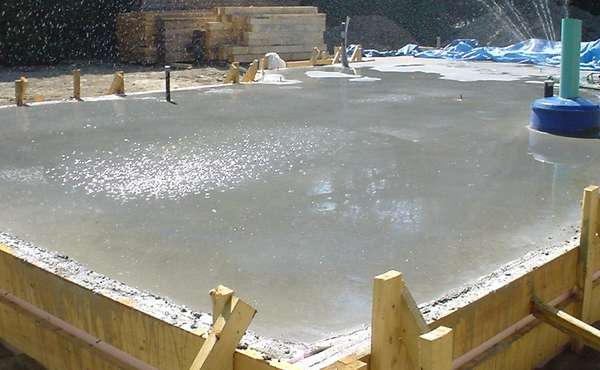
A high-performance slab-on-grade foundation is an excellent choice for a durable, energy-efficient, and healthy home, offering a modern alternative to traditional basements and crawlspaces. EcoHome aims to make successful slab-on-grade construction straightforward by providing clear guidance on everything from professional and DIY-friendly forming systems to the crucial details of ground preparation and design. Choosing the right system, whether it involves Insulated Concrete Forms (ICFs), a frost-protected raft slab, or integrated solar or hydronic radiant heating, will depend on factors like your climate, site insolation, soil conditions, and the experience of your construction team. With careful planning, your slab foundation can become a core component of your home's comfort and performance.
Ground Preparation and Base Layers for a Durable Slab
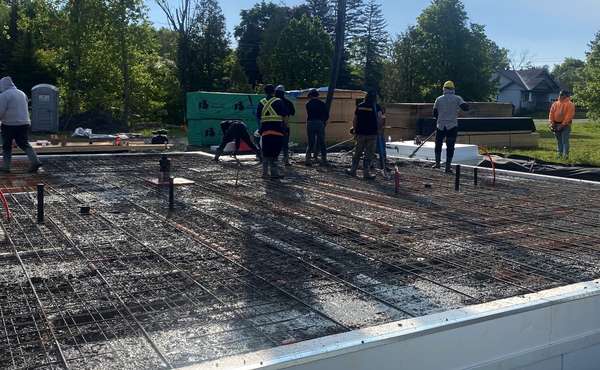
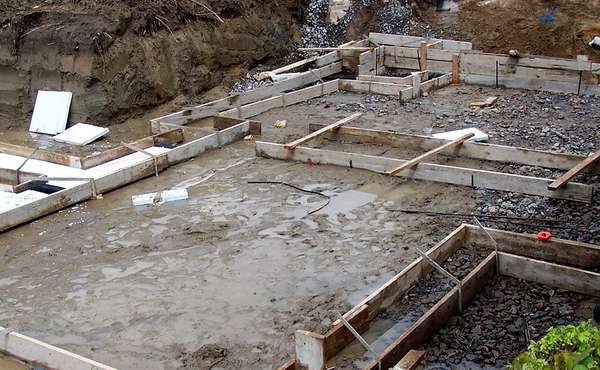
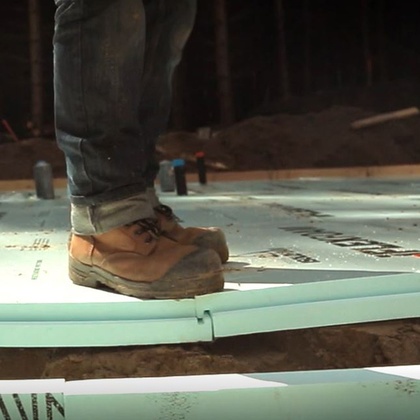
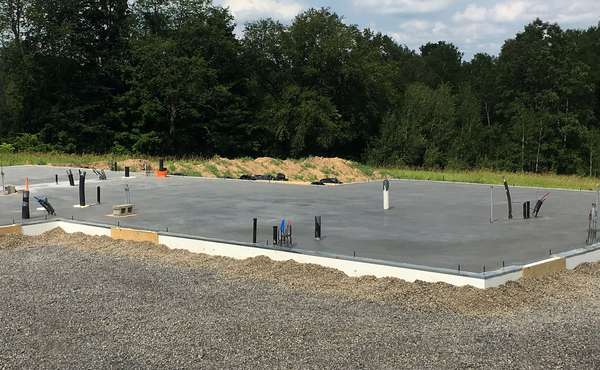
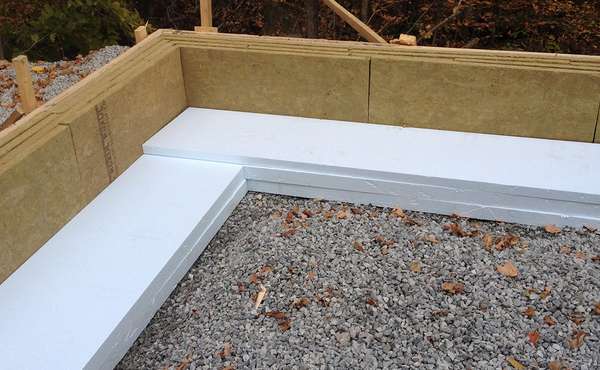
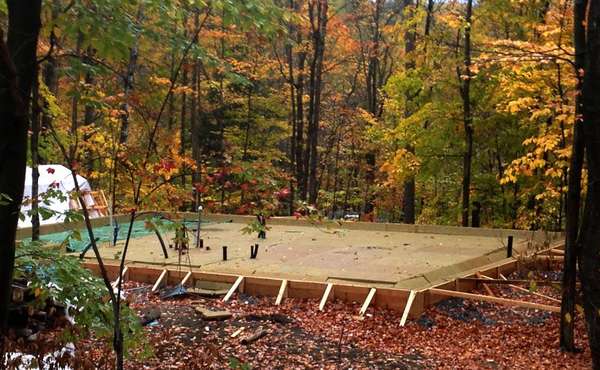
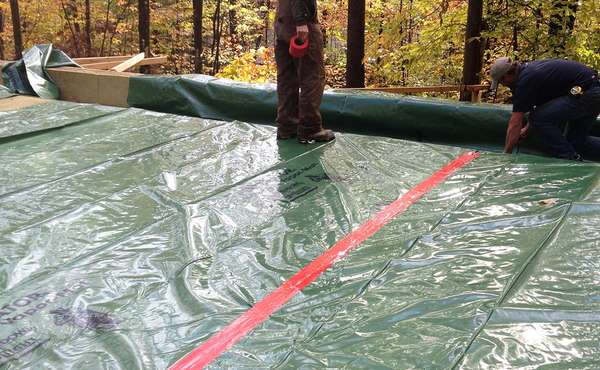
The long-term performance and durability of a slab-on-grade foundation begin with meticulous ground preparation and the correct layering of base materials. The process starts with excavating to remove organic topsoil and creating a stable, level base of compacted granular fill, such as gravel, to ensure proper load distribution and drainage. A critical layer of continuous, high-density rigid foam insulation is then installed over the fill to thermally isolate the slab from the ground, which is essential for energy efficiency in any climate. Finally, a durable vapor barrier or membrane is laid on top of the insulation, directly under where the concrete will be poured. This layer is crucial for preventing ground moisture and soil gases like radon from wicking up into the home, protecting indoor air quality and preventing damage to flooring.
Choosing the Right Slab-on-Grade System: Monolithic, FPSF, and ICFs
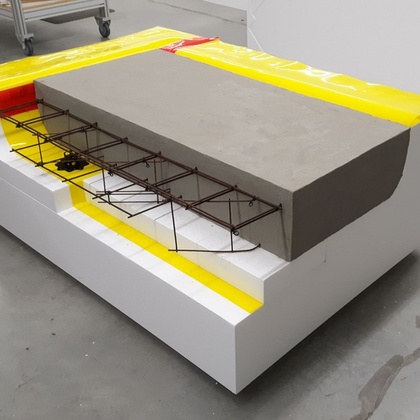
Several slab-on-grade systems are available, each offering distinct advantages depending on your project's needs and location. A monolithic slab is a common choice where a single, thick pour of concrete forms both the floor and the footings in one go, often suitable for warmer climates. In colder regions like Canada, the northern USA, and the UK, a Frost-Protected Shallow Foundation (FPSF) or raft slab is a superior option. This design uses strategic placement of vertical and horizontal insulation around the slab's edge to keep ground temperatures higher, preventing frost heave without requiring deep, costly footings. Insulated Concrete Forms (ICFs) can also be used to form the edges of a slab, providing built-in, continuous insulation that integrates seamlessly with ICF walls for an exceptionally airtight and well-insulated building envelope.
Integrating Radiant Heating and Finishing Your Concrete Slab
One of the most compelling features of a slab-on-grade foundation is its ability to serve as an efficient thermal mass for radiant floor heating. Hydronic radiant heating, where flexible PEX tubing is embedded directly into the concrete slab during the pour, is a popular choice for delivering consistent, comfortable warmth throughout the home. In locations with good solar access (insolation), a solar-heated radiant floor system can also be designed to capture and store the sun's energy. Once poured and cured, the concrete slab itself can be the final floor finish. It can be ground, polished, and sealed to create a durable, modern, and low-maintenance surface, or it can serve as a perfectly flat and stable substrate for any other type of flooring you choose. We also have Canada's and the USA's most comprehensive high performance and sustainable prefabricated and modular homes directory available here, searchable by Province or State, as well as the largest online directory of green construction contractors here on EcoHome.