







How to deal with condensation in basement?
I live in Minnesota. My basement is currently partially finished. I plan to finish it this year. The foundation walls are poured concrete, and about 1 foot of the foundation walls is above ground without exterior insulation. There is a vapor barrier between the concrete walls and the 2x4 studs. The space behind the rim joist is insulated with 1" rigid foam (the pink stuff) and then covered by a very thin layer of spray foam. I plan to keep the current vapor barrier and wood studs for financial reasons, put mineral wool between the studs, then cover it with drywall. I'm going to add mechanical ventilation & a dehumidifier to the basement. I have a few questions:
1. What kind of insulation should I add behind the rim joists? I feel like spray foam is the answer, but I'm a little concerned about off-gassing.
2. I'm worried about condensation between the vapor barrier and the insulation / studs in winter, especially in the areas where the foundation walls are above ground. Can I do anything to prevent mold from growing?
3. The top 3' part of a wall in the mechanical room doesn't have any vapor barrier & insulation because of an electrical board. Will that be an issue once the basement is finished?



















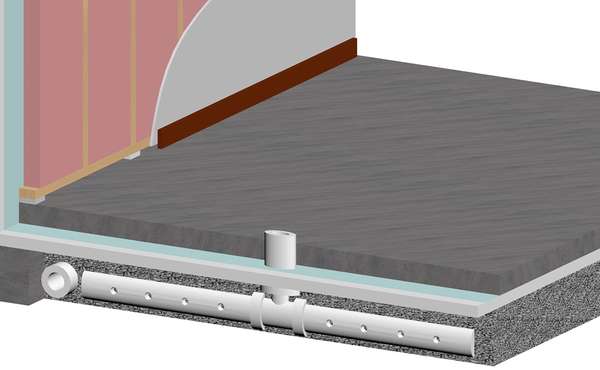


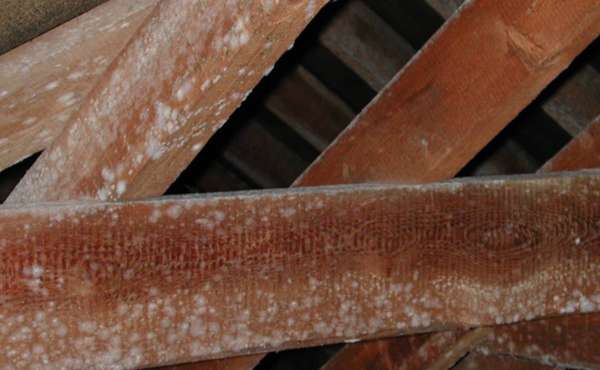
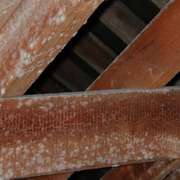
Finishing a basement in a cold climate like Minnesota requires careful management of the "dew point" to prevent hidden mold (see here to better understand the dew point in homes.) Since you plan to keep the existing vapor barrier against the concrete, the biggest risk is moisture getting trapped between that plastic and your new drywall.
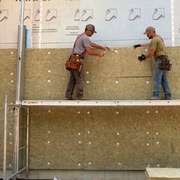
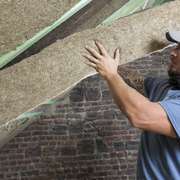
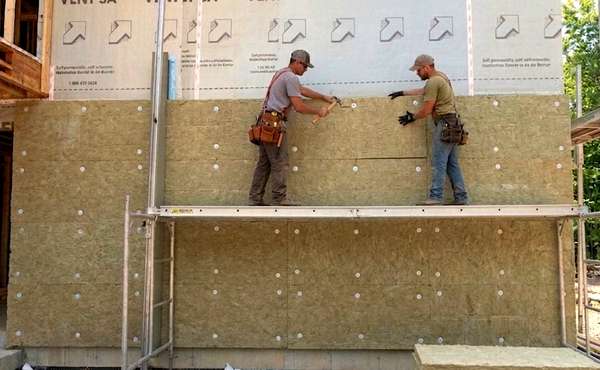
Adding mineral wool rigid insulation boards is a smart choice because it is inorganic and won't support mold growth, but it won't stop condensation if warm, humid indoor air reaches the cold vapor barrier. Your plan to include mechanical ventilation and a dedicated dehumidifier is the most critical step to keeping those interior humidity levels low enough to prevent beads of water from forming behind the studs.
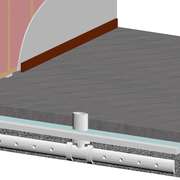
Basement encapsulation : the best way to upgrade basements and prevent mold
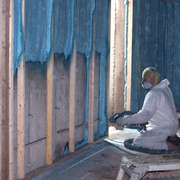
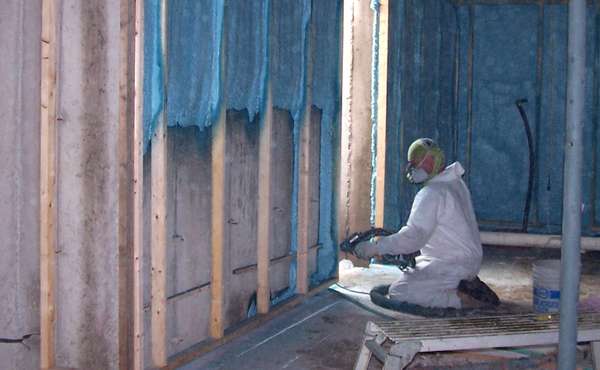
For the rim joists, adding more closed-cell spray foam or thicker rigid foam (sealed with canned foam at the edges) is the best way to prevent condensation in that specific cold spot. we share your aprehension about spray foam, but its a small amount and it certainly works.
Regarding the mechanical room, an uninsulated section near an electrical board usually won't cause systemic issues, but it will be a cold spot where heat escapes. As long as you maintain low indoor humidity, that small area is unlikely to create a major condensation problem compared to the larger wall surfaces.