


Can I use a dimpled membrane and Isorad panels for basement wall insulation?
Hi
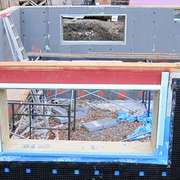
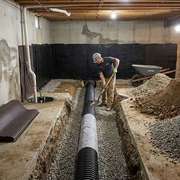
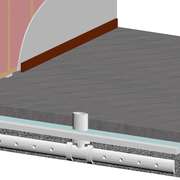
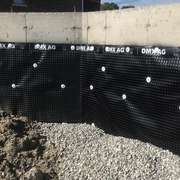
I would like to redo the insulation in my basement and put an interior french drain also. I came across information that suggest to put a delta membrane along the wall and it continues under the concrete slab up to the french drain.
I thought it was a good idea because it avoids the hygroscopic pressure on the concrete created if there is a non permeable membrane touching a wet concrete... and my house is in a high water table area (mostly in spring).
Then I thought about combining the Delta membrane with the insulation by taking the Isorad foam panel made for radiant floor;
Would that be a good idea? I would maybe shoot some urethane on top of the Isorad to close the holes on top of the panel. But at least, no hygroscopic pressure and also a little air to dry.
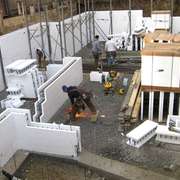
If I were to build a new house or redo my french drain, I would put the Isorad on the exterior of the foundation wall and it would be perfect I think...Delta membrane and insulation in one.
So concerning the Isorad on the interior walls, is it a good idea? Urethane yes or no? I thought urethane would also be good to insulate and air seal the rim joist also.
Big question...sorry!
thank you
David



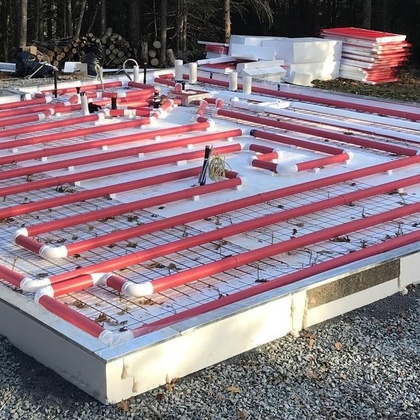
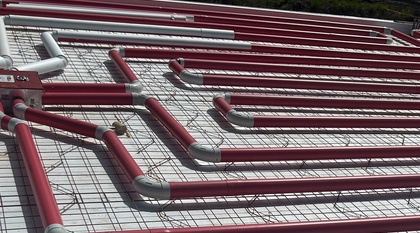









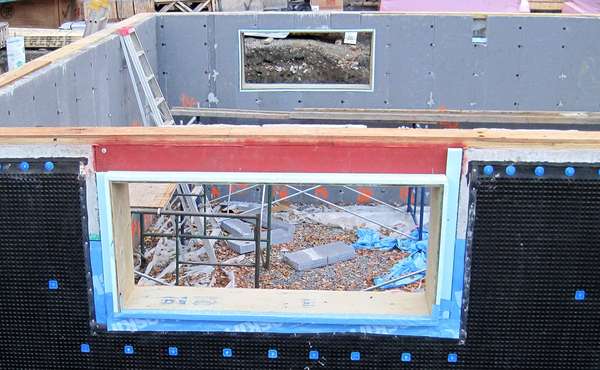
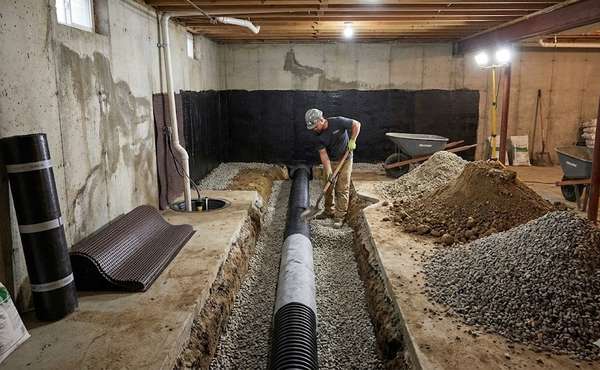
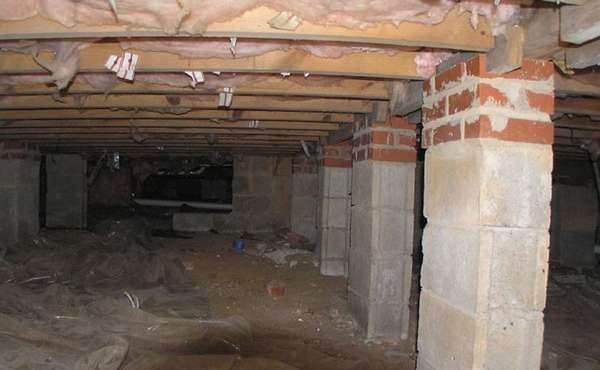
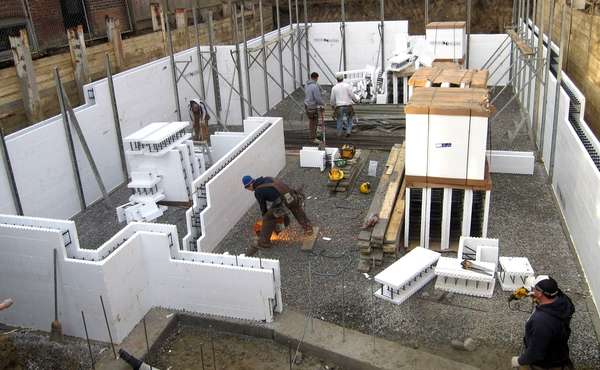
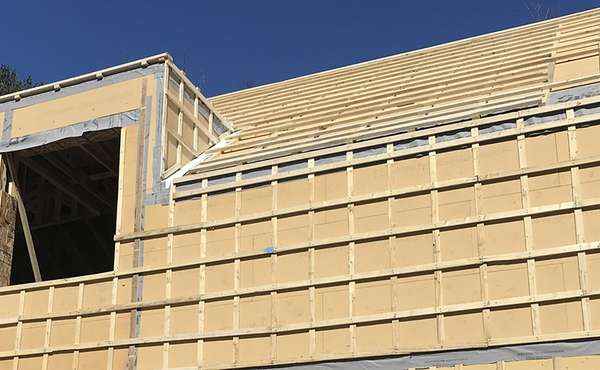
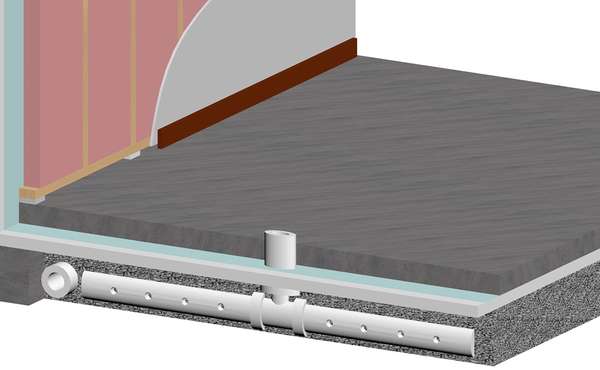
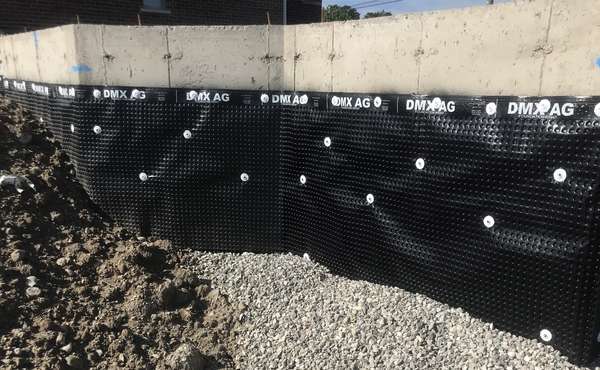
Using a dimpled membrane (like Delta-MS) on the interior of a foundation wall can effectively manage water seepage by directing it into an interior French drain. However, Isorad is a panel designed for sub-slab radiant floors, and trying to install it on a vertical wall presents significant challenges.
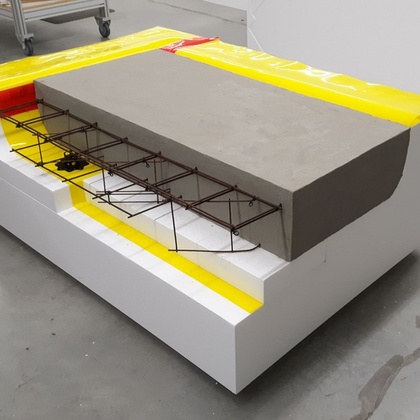
These panels are not designed for vertical mechanical fastening and have 'knobs' that create large, irregular air gaps, so its not really the right product for what you are trying to achieve. this article offers a some ideas that I think could work in your situation -
Repairing damp basements - Why encapsulation is the best method for basement and foundation upgrades
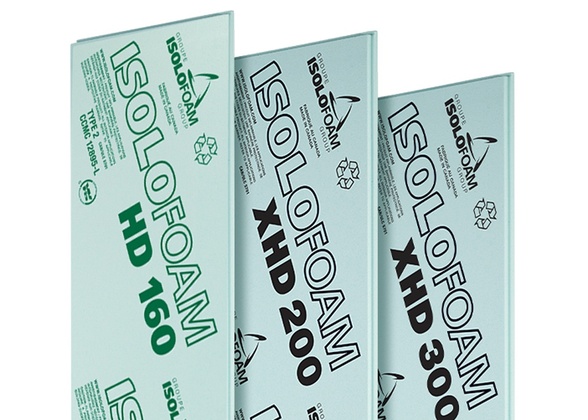
A more reliable approach is to install the dimpled membrane against the wall, followed by a continuous layer of rigid 2-inch XPS foam boards with sealed joints. You can then build an interior framed wall that is safely protected from moisture in the foundation and will prevent mold and rot.
This method creates a dedicated drainage plane behind a high-performance thermal break. Regarding the rim joist, closed-cell urethane is the industry standard for air sealing and insulating that specific area, as it prevents warm interior air from condensing against the cold wood and concrete transition. Rim joists are tricky we don't love spray foam and try to avoid it, but it does work well in that situation.
Last note - anytime anyone discusses basement renovations we try to always point out that you should never put a vapor barrier on an interior basement wall unless you are trying to grow mushrooms inside the wall. Read here about why basements are moldy and how to prevent mold when finishing a basement.