





How to properly insulate rim joists embedded in concrete in a home built in 50s?
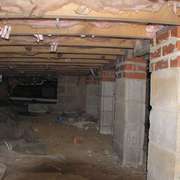
I'm having trouble getting a grasp on the best way to do this. We have a detached home with poured concrete foundation where the joists are embedded in the poured foundation. We would like to improve insulation and one of the leakiest places is at the edge of the foundation. We were thinking to insulate from the inside - many contractors suggested blowing foam to fill up those gaps - but I also read that effectively sealing off the rim joists could lead to rot - end of joists would no longer dry out? Would it be better to insulate from the exterior? Wouldn't that trap all vapour inside during summer? Has anyone dealt with a similar situation and what would the best practise be? Montreal, Quebec so cold in winter, humid in summer :)
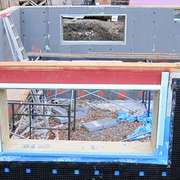
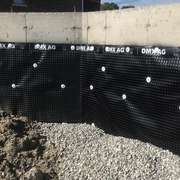
House built in the 50s. We just redid french drain. MS delta wrapped the foundation.
Thanks for any any input.















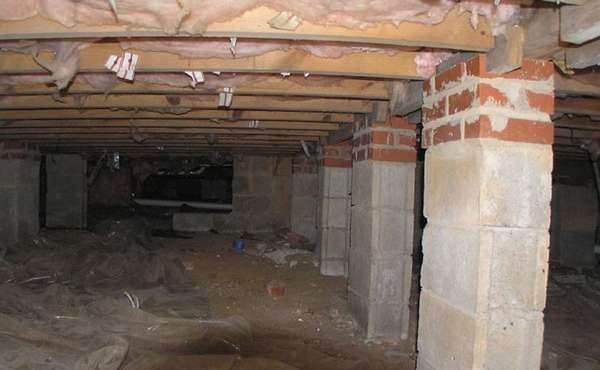
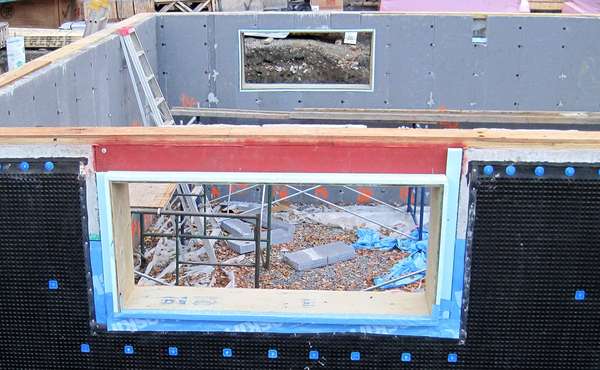
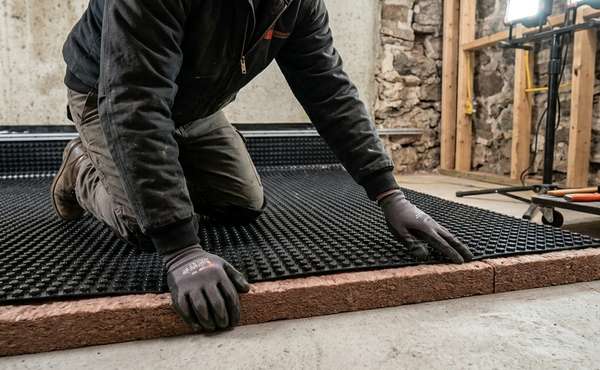
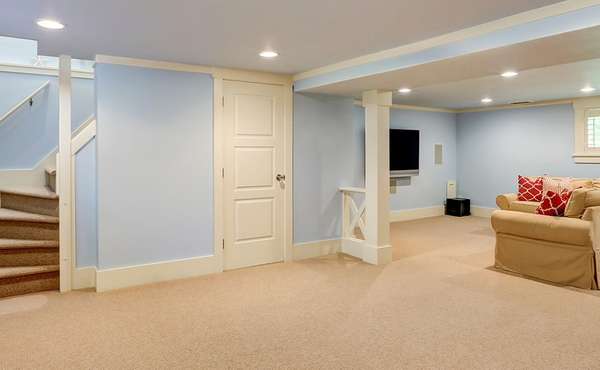
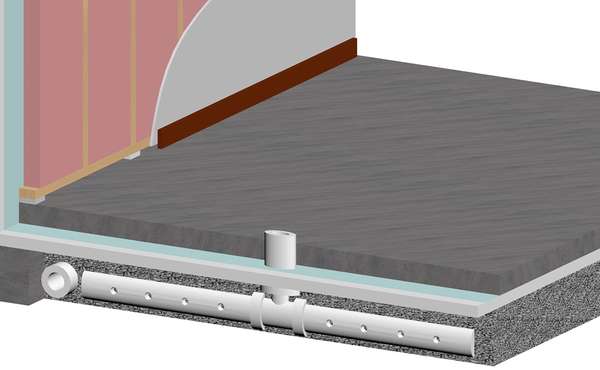


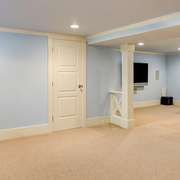
Rim joists embedded in concrete is common in Montreal basements, and poses exactly the risks you are hearing about - that insulating them can trap moisture and cause them to rot. There are pages here about how to finish basements -
How to insulate basements properly without causing mold or rot
We are of the opinion that the heat loss is preferrable to rotten joists, so I would avoid the spray foam option. The problem stems from the fact that the concrete foundation of a house that old would have no moisture protection on the exterior so it stays constantly wet. It may not feel wet to the touch, but the moisture content of concrete would be high. And currently it is able to dry to the interior, which it has forever, that's why your joists likely haven't rotted yet.
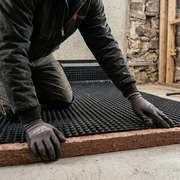
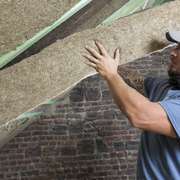
Exterior insulation is always the best option if you can do it, but those downtown Montreal homes don't always have room for it. One comprimize you could consider for the interior is mineral wool insulation, it is extremely permeable to moisture so it would still be able to dry.
If your rim joist cavities are visible and easily accessible, putting in pieces of mineral wool batts would reduce the heat loss, just don't put any kind of moisture barrier over it. And if it is acccessible then you could monitor it, and as a maintenance routine pull a piece out on occasion to look behind and ensure there is no moisture build up.
Thanks for your quick and precise response.