




Bird films on windows: a homeowner's & pro's guide to protecting our feathered friends
Millions of birds die annually due to window collisions, as they cannot perceive clear or reflective glass as a solid barrier. For homeowners and building professionals, applying specialized bird-safe window films is one of the most effective ways to mitigate this risk while maintaining building performance and aesthetic appeal.
This guide provides a comprehensive look at the key aspects of this topic. Below is an overview of the sections we will cover, allowing you to jump directly to the information you need.
- Understanding the mechanics of bird strikes
- The 2x2 rule: essential spacing standards
- Types of bird-safe window films and treatments
- Professional installation and surface preparation
- The intersection of bird safety and energy efficiency
- International standards and local regulations
- Maintenance and long-term durability
Understanding the mechanics of bird strikes
Bird strikes occur because glass is either transparent, showing a clear flight path to interior plants or opposite windows, or reflective, mirroring the outdoor sky and vegetation. To a bird, these reflections are indistinguishable from the real environment.
High-performance windows with low-e coatings can sometimes increase reflectivity, making them even more hazardous if not treated with visual markers. This is particularly problematic during migratory seasons when birds are exhausted and less likely to navigate complex urban environments.
Architects and builders must also consider the 'passage effect,' where birds see a corridor or a glazed link between two buildings and attempt to fly through it. Identifying these high-risk zones - such as glass balconies, corner windows, and glass skywalks - is the first step in a professional bird-deterrent strategy.
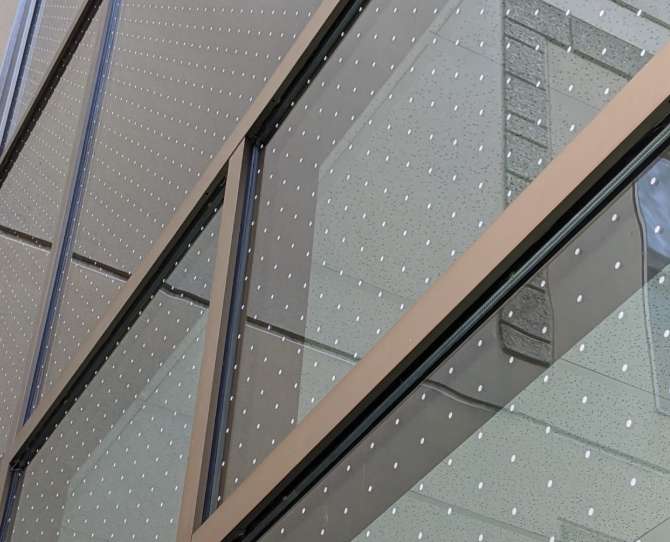
The 2x2 rule for bird films - spacing standards
The most critical factor in collision prevention is the density of the pattern. Research from organizations like the American Bird Conservancy (ABC) and FLAP Canada has established the 2x2 rule as the definitive standard for small bird safety.
The importance of dense spacing
Visual markers must be spaced no more than 2 inches (5 cm) apart horizontally and vertically. While older guidelines suggested 4 inch (10 cm) spacing, this is insufficient for smaller species like hummingbirds or kinglets, which may still attempt to fly through the gaps.
For building pros, ensuring a 2 inch (5 cm) grid pattern is the only way to meet modern CSA A460 standards for bird-friendly design. When markers are spaced correctly, birds perceive the glass as an impenetrable object, similar to a screen or a wall.
Types of bird-safe window films and treatments
There are several commercial-grade and DIY options available for retrofitting existing glazing units. Choosing the right material depends on the visual impact desired and the specific building orientation.
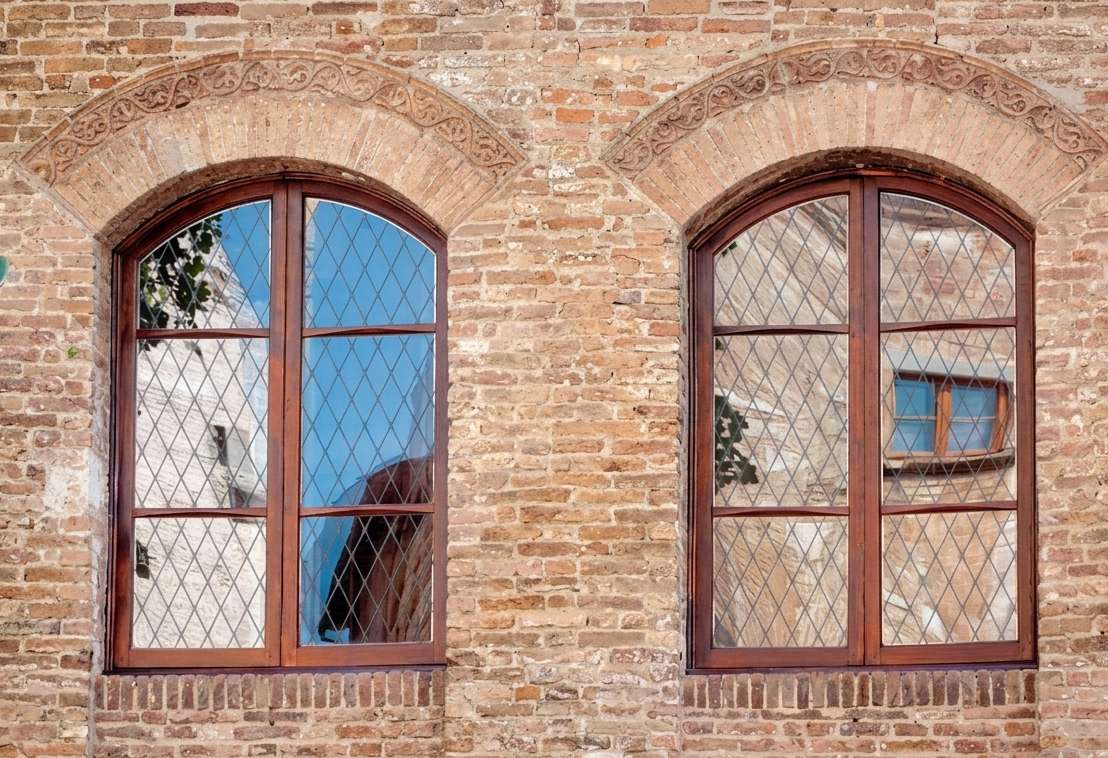
Adhesive dot patterns and perforated films
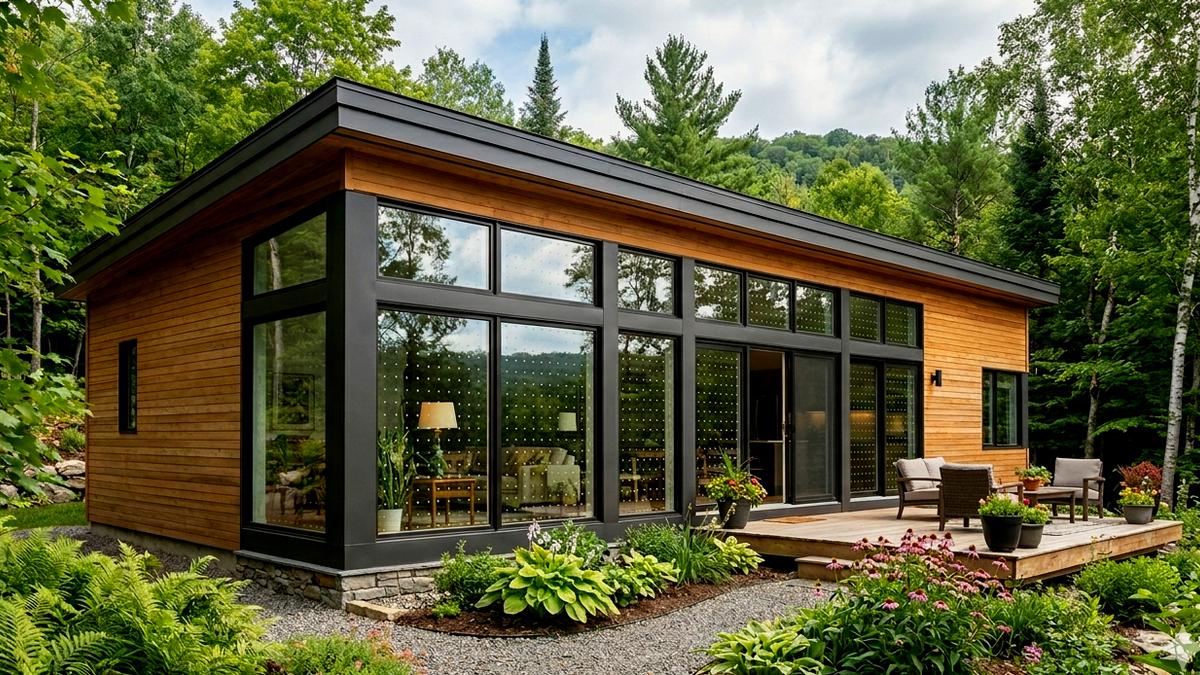
Products like Feather Friendly use a marker pattern consisting of small dots or squares. These are applied as a tape, but once the carrier film is removed, only the dots remain, leaving the majority of the glass surface clear. One-way perforated films, such as CollidEscape, cover the entire exterior surface.
These appear opaque from the outside - effectively eliminating reflections - while remaining transparent from the interior. These films often serve a dual purpose by providing daytime privacy for occupants without blocking the view to the outside.
Uv reflective films and coatings
Some films utilize ultraviolet (UV) patterns that are visible to birds but nearly invisible to humans. While aesthetically preferred by some homeowners, these have limitations. They are most effective on south-facing windows with direct sunlight and may not be noticed by all species, such as owls, which have lower UV sensitivity.
Professionals should verify the specific nanometer wavelength reflection (typically 300-400 nm) before specifying these products. It is important to note that as the sun moves throughout the day, the effectiveness of UV films can fluctuate based on the angle of light hitting the glass.
Professional installation and surface preparation
For any bird-safe window film to be effective, it must be applied to the first surface (outside) of the glass. Applying film to the interior surface is a common mistake; exterior reflections will obscure the pattern, rendering it useless to birds. On commercial projects, this often requires the use of lifts or scaffolding, making it essential to incorporate these treatments into the initial construction or renovation budget.
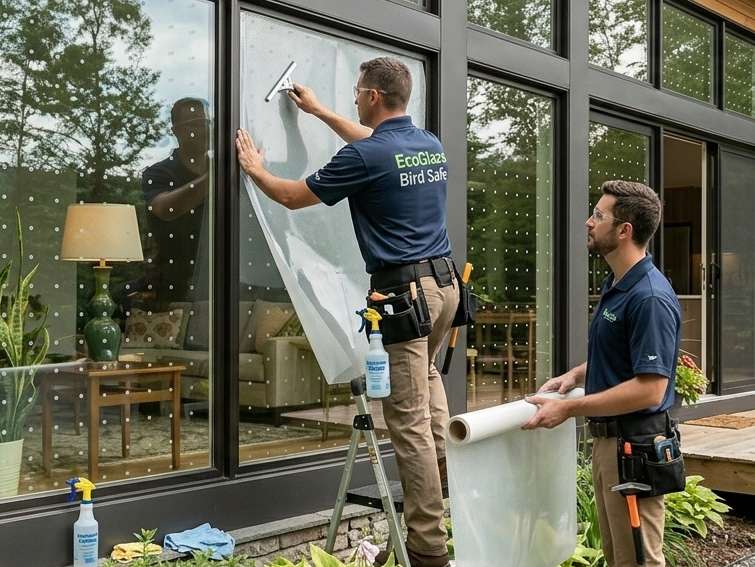
Surface preparation protocol
- Clean the glass thoroughly with a non-ammonia based cleaner to ensure maximum adhesion
- Remove any stubborn debris like paint overspray or silicone with a specialized glass scraper
- Ensure the glass temperature is within the manufacturer's recommended range, usually above 50°F (10°C)
- Use a squeegee to remove all air bubbles, as pockets of air can cause the film to peel or degrade prematurely
- Trim the edges of the film slightly back from the window frame (about 1/16th of an inch) to prevent lifting over time
The intersection of bird safety and energy efficiency
Many homeowners and pros worry that adding film will negatively impact the solar heat gain or insulation properties of their windows. In reality, many bird-safe films can actually improve building performance.
Perforated films, for instance, act as a secondary shading layer, reducing solar heat gain in the summer and lowering cooling costs. When combined with modern triple-pane windows or low-e glazing, these films contribute to a more stable indoor climate while protecting local biodiversity.
International standards and local regulations
Building codes are increasingly incorporating bird-safety requirements. In Toronto, Canada, the Toronto Green Standard (TGS) mandates bird-friendly glazing for new mid to high-rise developments. Similar standards are emerging in the US (e.g., New York City's Local Law 15) and are recommended best practices in the UK, Australia, and New Zealand to protect migratory pathways.
For professionals, failing to meet these standards can lead to project delays or costly retrofits later in the building's lifecycle. Consulting with a bird-safety expert during the design phase is now considered standard practice for LEED and Passive House projects.
Maintenance and long-term durability
High-quality exterior films are designed to withstand UV exposure and extreme weather. Most commercial-grade films have a lifespan of 5-10 years. When cleaning treated windows, avoid abrasive tools or harsh chemicals that could scratch the film or degrade the adhesive.
Standard dish soap and a soft cloth are typically recommended for routine maintenance. If a section of a dot-pattern film becomes damaged, it can often be spot-repaired without needing to replace the entire window treatment, making it a cost-effective long-term solution.
In brief
Preventing bird strikes is a vital component of sustainable building. By choosing exterior-applied films with a 2x2 inch spacing, you can significantly reduce bird mortality at your property. Whether using perforated films for privacy or dot patterns for minimal visual disruption, the key is consistency across the entire glass surface. Integrating these solutions into your building maintenance or design plan ensures that your home or project is safe for the environment and compliant with emerging green building standards.
Now that you know more about bird films on windows, find more info about related subjects & green building techniques in the Ecohome Green Building Guide and these pages below:
-
Window buyers guide: tops tips for buying the best performing windows
-
Aerogel in windows and walls: guide to r-value and efficiency
-
How to install windows & doors correctly
-
Gas-filled windows: argon and krypton performance










Comments (0)
Sign Up to Comment