








Homes have a lot of appliances and electronics that even when not in use can cost you money, and there are easy ways to save and lower your bills. For most people, reducing home energy use is about lowering utility bills, but doing so in a way that maintains comfort and isn't disruptive to your way of life.
To do that, it helps to know which appliances and gadgets use the most energy so you can reduce your bills without too much inconvenience. The biggest energy drains aren't the small appliances; they are the core systems responsible for maintaining your indoor environment and providing hot water. There are actions large and small that can amount to noticeable savings every month depending on how urgent it is to lower your costs and how much you want to sacrifice.
This guide provides a comprehensive look at the key aspects of this topic. Below is an overview of the sections we will cover, allowing you to jump directly to the information you need.
- What uses the most energy in your home?
- How to save money on heating and cooling
- Domestic hot water: the second biggest drain
- The major appliances and electronics
- The energy vampires (phantom loads)
- Regional differences and global factors
- The best energy saving home improvements
- In brief: the real energy wasters
What uses the most energy in your home?
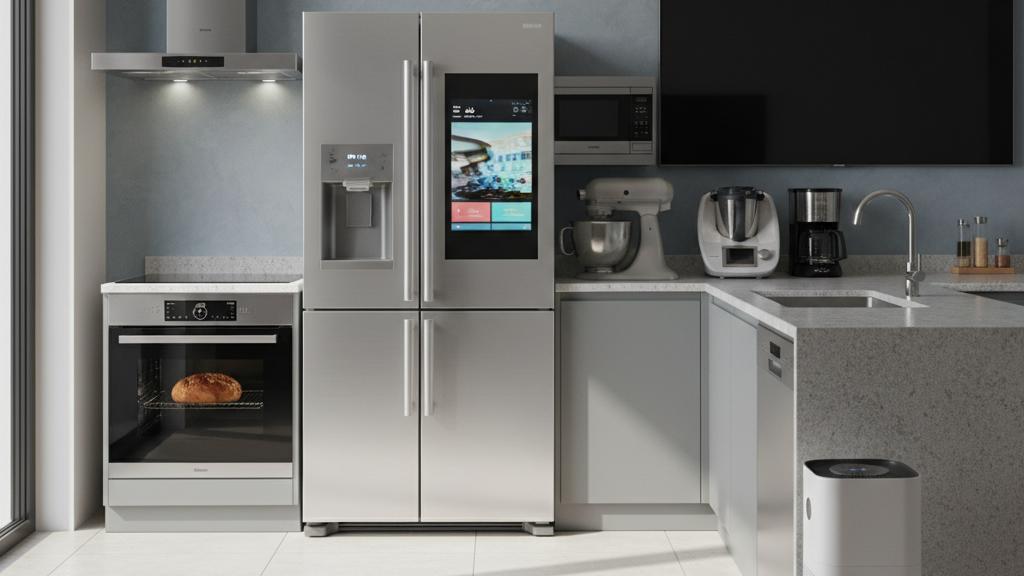
Lifestyle plays a very big part in how much energy you consume at home, but here is an average of how different appliances and electronics generally measure up in terms of energy consumption:
- Heating and air conditioning: 47% of energy use.
- Water heater: 14% of energy use.
- Washer and dryer: 13% of energy use.
- Lighting: 12% of energy use.
- Refrigerator: 4% of energy use.
- Electric oven: 3-4% of energy use.
- TV, DVD, cable box: 3% of energy use.
- Dishwasher: 2% of energy use.
How to save money on heating and cooling
In virtually every region of the world where indoor climate control is necessary, heating and cooling systems are the two largest consumers and waster of energy in a residential home. For both the cold winters of Canada and the northern US to the hot, humid summers of the southern US, heating and cooling accounts for anywhere from 45% to over 60% of a home's total energy use.
So how can you reduce your bills?
I know it sounds simplistic but hear me out, because lowering the heat even a little makes a difference.
Dress a bit heavier or lighter depending on if it's heating or AC that's jacking up your bills, and in the case of heating - small space heaters where you sit can direct heat right at you and enable you to lower overall temperatures and stay quite comfortable.
A less than obvious way that helps, is that the rate of heat transfer between objects (or heat loss from homes in this case) increases dramatically the more there is a difference in temperature. Meaning - your coffee will go from steaming hot to tepid way faster than it will go from tepid to cool, and similarly the hotter your home is the more that heat will want to get out. It's something of a bell curve, so every bit helps.
How to reduce heat loss in homes:
There are some very easy solutions to reduce heating bills like putting plastic on windows, sealing air leaks with caulking, and improving weather stripping around doors. Air leakage through building envelopes is thought to account for about a third of heat loss in homes, and so it's very much worth the effort to make some affordable air sealing improvements. See our page here on green home improvements - simple tips to save energy.
Domestic hot water: the second biggest drain
After space conditioning, domestic hot water is the second-largest energy consumer, typically accounting for 14% to 25% of a home's total energy bill. This is because water has a high specific heat capacity, meaning it takes a large amount of energy to raise its temperature, and in a standard tank, this heat must be maintained 24 hours a day, 365 days a year.
So how do you lower your hot water bill?
Again I know its simplistic, but you do that by using less. Rinse dishes in cold water, use the dishwasher more sparingly, take shorter showers, wash clothes in cold water and try to wash hands with cold water. In the same spirit of heat transfer listed above, keeping your hot water tank at a lower temperature means it will lose less energy while sitting idle but full of hot water.
Lower temperatures means you don't need to mix it with as much cold for bathing, and it's safer to avoid scalding yourself or your kids. To use less volume of hot water, switch to a low flow showerhead, and contrary to popular opinion, washing clothes in cold water works as well as hot.
The major appliances and electronics
While the percentage of total energy consumption for individual appliances is smaller than the big two, their collective share is significant, often totalling 20% to 30% of a home's electricity use. This category is where homeowners typically have the most immediate control.
Clothes dryer and washing machine
Together your washer and dryer can account for up to 13% of a home's energy use, with the dryer being the bigger offender due to the heat required.
Do you need to wash clothes after every use? Can you maybe do a spot clean on a pair of jeans and be done? If you step out of a shower clean, can you maybe get a second use out of a towel rather than sending it through the laundry? That's a personal call, some do it already and some wouldn't even consider it so I'm just putting that out there.
A towel holds tons of water and uses tons of energy in the dryer to get rid of it. Important note - we don't recommend drying clothes indoors as it can add unwanted humidity, but if your home is really dry in winter, then it may not be such a bad thing, you just need to be aware.
People and homes function best at about 40-50% Relative Humidity, so if your home is at 20 or 30% RH then hanging a wet towel or two suddenly becomes a good thing and saves time that your dryer would have been spinning and eating your money. Get a hygrometer (probably for under 10 bucks at dollar store or hardware store) and keep an eye on the levels.
if you happen to have an HRV exhaust intake in your bathroom that's helpful as it's obviously a great place to hang wet things. And a clothes line in summer makes clothes drying free.
The energy vampires (phantom loads)
A phantom load, or standby power, is the electricity drawn by devices even when they are turned off or in standby mode (e.g., TVs, cable boxes, chargers, gaming consoles). While each device's consumption is small, collectively, these "energy vampires" can account for 5% to 10% of your total household electricity bill. In winter it's less of a concern as the energy loss is actually just heat, but in summer it's not helpful at all.
And while electric heat from electronics and lights is actually 'greener' energy since heating with electricity is cleaner than fossil fuels, it can still be a premium on your bills, and I realize you're here to learn how to lower them.
Refrigeration and lighting
Modern refrigerators are significantly more efficient than models from even a decade ago. Old, inefficient fridges (especially second fridges in a garage) can be massive energy wasters. Similarly, lighting's share of energy use has plummeted thanks to the widespread adoption of LED (light emitting diode) bulbs.
- In a modern, efficient home, lighting might account for only 2% to 4% of the total energy load.
- In a home using old incandescent or halogen bulbs, lighting can still contribute over 12% to the energy bill.
There is not much you can do with your fridge as food needs to be a certain temperature. Maybe just not standing there with the door open would help, lord knows I heard my mother say that enough as a kid, and I guess it stuck.
Regional differences and global factors
While the fundamentals of energy waste (envelope and water heating) are universal, the proportion of each depends heavily on your location and climate:
| Region/Climate | Primary energy waster | Key concern for professionals |
|---|---|---|
| North America (Cold climates, US & Canada) | Space heating (Natural Gas or Electric) | High-efficiency heat pumps & deep wall/attic insulation |
| Australia & New Zealand (Warmer climates) | Space cooling (Air conditioning) & domestic hot water | Shading, heat pump sizing, and roof/ceiling insulation |
| United Kingdom (Temperate/Cool) | Space heating (Gas Boilers) & poor air sealing | Boiler replacement/Heat pumps & solid wall insulation |
For building professionals, designing for energy efficiency requires considering the local climate zone and utility rate structure (e.g., time-of-use pricing), which heavily influences the payback period for investments like solar panels or battery storage.
The best energy saving home improvements
The above are mostly lifestyle adjustements to lower your utility bills and some with very minor costs like caulking of plastic for windows. In general it is good to have an 'envelope first' design philosophy for building and renovating, and in that spirit here are some pages that offer bigger ticket items to improve the overall energy efficiency of your home.
- What to look for to find the best energy efficient appliances
- Insulating attics in older homes to improve energy efficiency
- When to replace windows and when to repair them
- Why you should upgrade to a heat pump water heater now
- Heat pump water heaters - what they are and how they work
In brief: the real energy wasters
The top two energy wasters in almost every home are heating and cooling (over 45% of total consumption) and domestic hot water (14% to 25% of total consumption). The most effective way to stop this waste is to adopt an 'envelope-first' approach: prioritize air sealing and insulation to reduce the demand on your HVAC and water heating systems before upgrading the equipment itself. Once the demand is reduced, investing in high-efficiency appliances and heat pumps yields the maximum benefit.
Now that you know more about what wastes the most energy in a home, find more info about sustainable building and green building techniques in the Ecohome Green Building Guide and these pages below:
-
Heat pumps, geothermal and air conditioning
-
Net zero energy homes vs Passive House: the differences, costs, efficiency
-
Electricity: appliances, lighting and all things electrical
-
Home insulation guides: lower bills and less noise










Comments (0)
Sign Up to Comment