



How to know if vermiculite insulation contains asbestos and what to do about it
Vermiculite was a popular choice for home attic insulation from the 1920s to about 1990 in both the US and Canada, until it was phased out in 1990. And there is a high risk of it containing asbestos, so finding it can be a major source of anxiety for homeowners. If anyone reading this has a home built in the last 30 years, you would not have it.
Vermiculite itself is a mineral that is harmless to humans; the problem is that 70% of the world's vermiculite supply came from a single mine in Libby, Montana, that regrettably also had a lot of asbestos. So 30% of the attics with vermiculite are perfectly safe, the problem is the 70% chance that it came from Montana with asbestos hitching a ride, and you cannot tell the difference visually.
To further muddy the waters, testing vermiculite is not 100% reliable and can possibly return high rates of false negatives or false positives, particularly false negatives. So given that there is a two-thirds chance it's contaminated with asbestos and testing is not completely reliable, it all has to be treated as if it were contaminated.
This guide provides a comprehensive look at the key aspects of this topic. Below is an overview of the sections we will cover, allowing you to jump directly to the information you need.
- Identifying vermiculite in your attic
- Is the vermiculite in your home dangerous?
- Should you remove Vermiculite from attics or leave it undisturbed?
- How safe is it to leave Vermiculite in attics?
- What is the asbestos contamination risk during abatement?
- Testing for asbestos in vermiculite
- Professional asbestos removal methods
- In brief
Identifying vermiculite in your attic
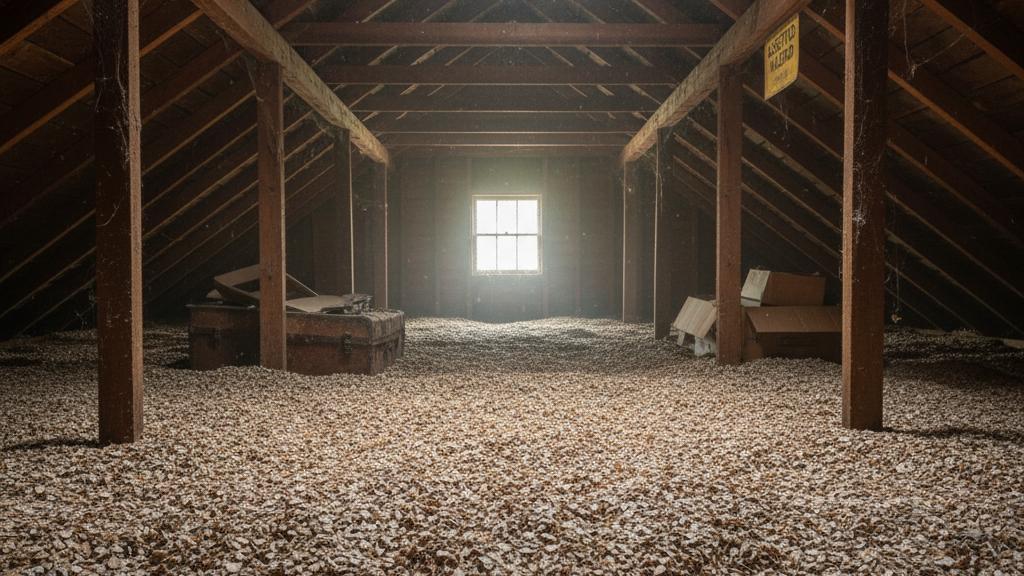
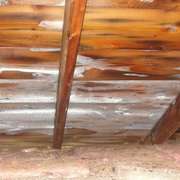
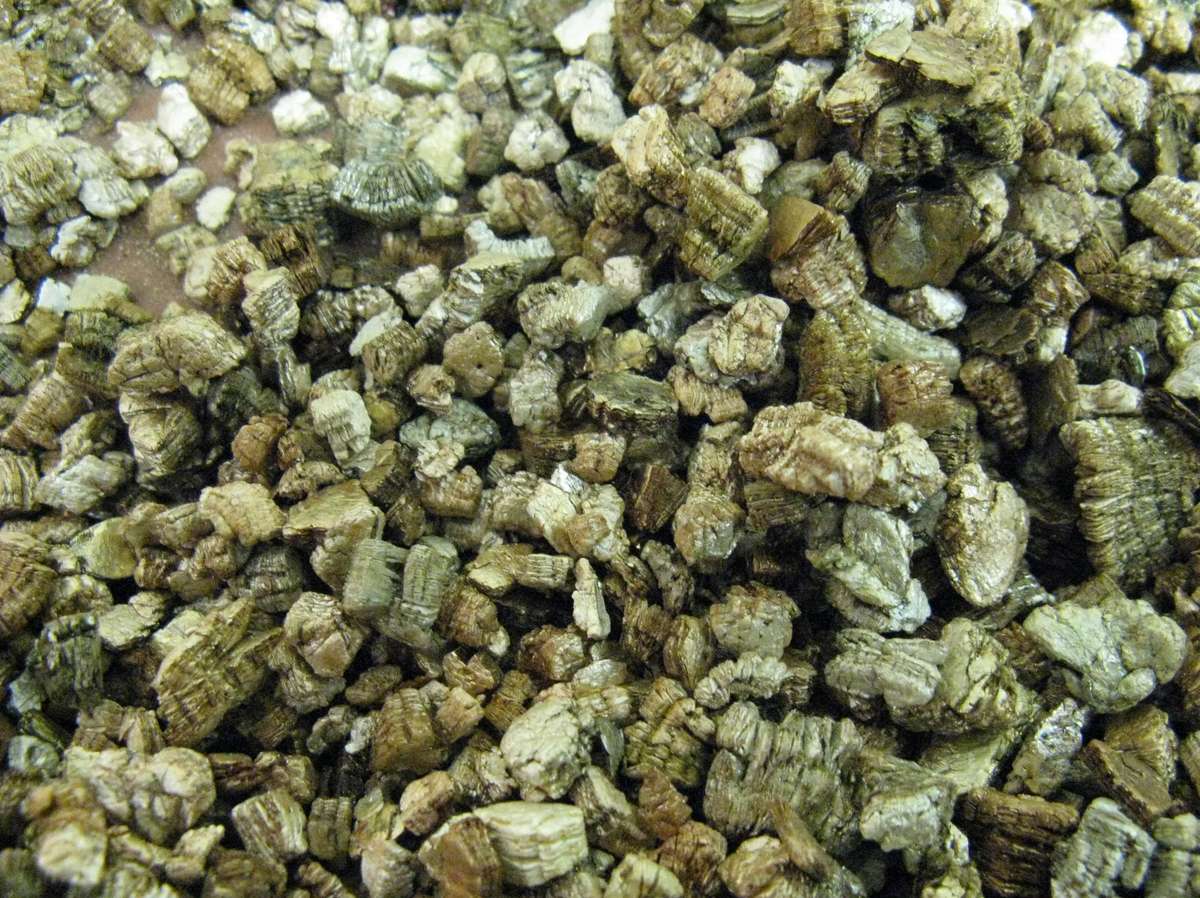
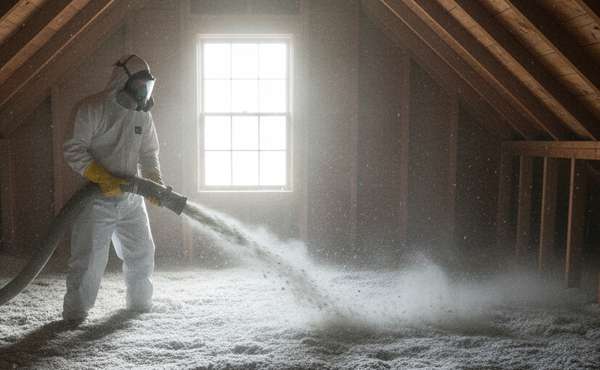
The first step is visual identification. Vermiculite insulation is a loose-fill material that looks like small, pebble-like pieces. The granules are typically light-brown, silver-gold, or gray-brown and have a shiny, layered texture, similar to a mica-like mineral. It has a fluffy appearance and can be found in attics, walls, and sometimes crawl spaces of homes built before the mid-1990s. If you find this material, you should treat it as if it contains asbestos until proven otherwise. Do not disturb it in any way, as this could release harmful fibers into the air.
Is the vermiculite in your home dangerous?
The danger is not from the vermiculite itself but from the asbestos fibers it may be contaminated with. The consensus among health and environmental agencies is that vermiculite insulation is not an immediate health hazard if it is undisturbed.
This means that as long as the insulation is left alone and not agitated, the risk of airborne asbestos fibers is minimal. However, any activity that could stir up the material-such as renovations, adding new insulation, or even storing items in the attic-will pose a significant risk of releasing asbestos fibers.
Why was asbestos from the Libby mine so common?
While Canada had major asbestos mines, particularly in Quebec, which produced chrysotile asbestos for a wide range of building materials, these mines were not the source of asbestos-contaminated vermiculite.
The vast majority of vermiculite insulation sold in North America was mined from the Libby, Montana, mine, which was contaminated with a different, more hazardous type of asbestos. This is why the presence of vermiculite is so closely linked to the Libby mine specifically.
Should you remove Vermiculite from attics or leave it undisturbed?
This is a common question, and there are building professionals firmly on either side of the issue, so I'm going to argue from the fence, with caveats. The case for leaving vermiculite undisturbed in an attic is solid, which is based on the theory of 'leaving well enough alone', and very significant cost of hiring asbestos abatement professionals to remove and dispose of it. It is in all likelihood, harmless if left where it is.
The first reason for the high cost of abatement is that it is a high-risk practice, and so company fees and the salaries they pay tend to reflect that. You're getting hit with danger pay basically. Disposal fees for asbestos are also extremely high, as it cannot be simply disposed of in a construction waste bin and must be handled as hazardous waste.
Those against abatement seem to arrive at that conclusion based on it not being worth the cost, as it could easily run into the tens of thousands to remove it. It can also be argued that any disturbance, even by seasoned pros, does add a risk. Fair point.
How safe is it to leave Vermiculite in attics?
The general consensus is, that it when undisturbed, asbestos-contaminated vermiculite in attics does not pose an air quality risk to the conditioned space below. That does not mean it is entirely risk-free, specifically for homes with very poor air sealing.
Particles falling through the ceiling is not the concern for exposure, the risk of airborne asbestos particles is more attributed to minor air currents in the attic caused by drafts or temperature differences, which can stir up light asbestos fibers.
These airborne fibers can then be drawn into the living space below through common air leaks and penetrations in the ceiling such as recessed light fixtures, electrical boxes, plumbing stacks and attic hatches.
The double-whammy here is that if your home is old enough to contain vermiculite it's probably also old enough to have virtually no thought put towards air sealing when it was built.
The difference in air pressure between the attic and the living space can act like a vacuum, pulling contaminated air down into the home. The natural stack-effect of warm air rising means it is more likely air will be forced into attics, but that should not be relied upon if there is potential asbestos above. Read more here about the importance of balancing air pressure in homes.
This is a primary reason why experts emphasize the importance of air sealing the ceiling of a home that has vermiculite. Sealing any pathways with caulk, tape or spray foam seals can prevent any particles from the attic contaminating the interior of your home. This should be done to safeguard your air quality whether you plan to leave the vermiculate or have abatement specialists remove it.
How safe is the abatement process?
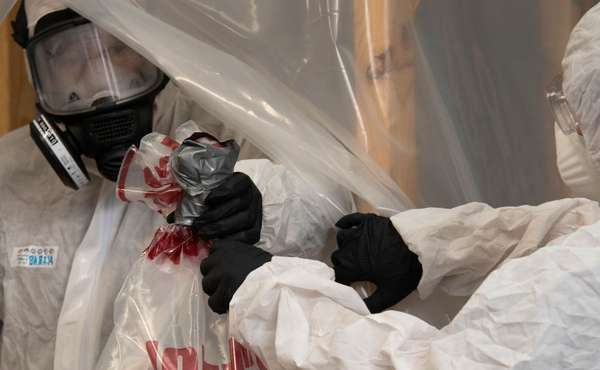
Certified abatement professionals follow a strict, multi-step protocol to prevent the spread of asbestos fibers. Nothing is ever entirely 'risk-free', but these are trained professionals and so the risks of air contamination is low.
- Containment: The work area, including the attic and all entry points, is sealed off from the rest of the home using thick plastic sheeting and duct tape. This creates a 'containment' zone.
- Negative air pressure: A specialized machine with a HEPA (High-Efficiency Particulate Air) filter is set up to pull air out of the containment zone, creating negative air pressure. This ensures that any asbestos fibers that become airborne are immediately captured by the machine's filter and cannot escape into the home's interior.
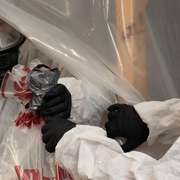
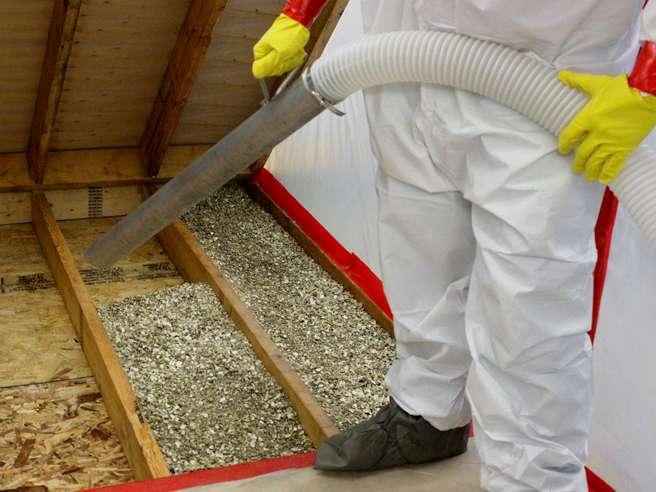
- Removal: The vermiculite is carefully removed using a powerful, specialized HEPA vacuum system designed for hazardous materials. The vacuum hose is connected to a collection drum outside the home, minimizing dust generation inside. Workers wear full personal protective equipment (PPE), including a respirator with a HEPA filter, disposable suits, and gloves.
- Cleaning and testing: After all the insulation is removed, the entire area is meticulously cleaned with HEPA vacuums. An independent third-party company is then hired to perform a final air clearance test. This is a critical step to ensure no asbestos fibers remain in the air. The containment barriers are only removed once the area is officially cleared and deemed safe.
What is the asbestos contamination risk during abatement?
The entire abatement process is carried out in a way to manage the risk of contamination. While no process is absolutely without risk, it is considered relatively safe because of the strict safety measures in place. The greatest risk of contamination comes from a person attempting to remove the insulation themselves without the proper training, equipment, or containment protocols. Such an attempt could spread dangerous asbestos fibers throughout the entire home and its ventilation system.
Taking additional air sealing steps ahead of a potential removal process is an excellent added value measure that has no downside since air leakage in attics causes heat loss and moisture concerns.
Testing for asbestos in vermiculite
The only way to confirm if vermiculite insulation contains asbestos is to have it professionally tested by a qualified laboratory. It is impossible to tell by visual inspection alone. A certified professional will take multiple samples from different areas of the attic, as asbestos fibers may not be evenly distributed. These samples are then sent to an accredited lab for analysis, typically using Polarized Light Microscopy (PLM) or Transmission Electron Microscopy (TEM).
Are false positives and false negatives a problem?
The reliability of asbestos testing is a common concern. While laboratory testing is highly accurate, no test is 100% perfect. Studies have shown that false positives (a test report showing asbestos when there is none) and false negatives (a test report showing no asbestos when it is present) can occur, although they are not frequent.
The risk of a false negative is more likely when the asbestos concentration is very low. This uncertainty is one of the reasons why many professionals and health agencies recommend a cautious approach. Rather than relying on a single test result, the standard practice is to assume that any vermiculite insulation contains asbestos and proceed with professional removal, or to leave it completely undisturbed.
Professional asbestos removal methods
If you're planning a renovation that will disturb the vermiculite, or if you simply wish to eliminate the risk from your home, professional abatement is the only safe option. These companies follow strict federal, provincial, or state guidelines to ensure the material is removed without contaminating the rest of the home.
Find asbestos abatement professionals near me
What to expect from a professional abatement company
Abatement professionals will follow a meticulous process that includes the following steps:
1. Containment: The work area, including the attic and any access points, is sealed off with plastic sheeting to create a negative pressure environment. A specialized machine with a HEPA filter is used to constantly pull air out of the attic, ensuring that no asbestos fibers can escape into the living space. This is a critical step that should not be overlooked.
2. Removal: The vermiculite is carefully vacuumed out using a specialized HEPA vacuum system designed for hazardous materials. This method minimizes agitation and prevents dust from becoming airborne. The vacuumed material is fed into sealed bags or containers for proper disposal.
3. Cleanup: After the bulk material is removed, the entire attic area is cleaned using HEPA vacuums. A final air clearance test is conducted to ensure the air is safe before the containment is removed.

What about vacuuming through a hole in the roof?
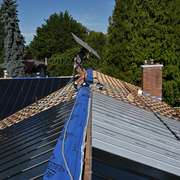
A common question from homeowners considering a roofing project is whether a professional abatement team can remove the vermiculite from a hole cut in the roof sheathing to avoid bringing it through the house. The answer is no, this is not a safer or viable method. The process still requires the same level of professional containment and negative air pressure to be effective.
Cutting a hole in the roof while the attic is not under negative pressure would release a significant amount of asbestos-contaminated dust into the air, potentially affecting your home's exterior and your neighbors' properties.
Furthermore, without proper containment within the attic, there is no way to ensure all surfaces are cleaned and tested, leaving a contamination risk. Regardless of the access point, the vermiculite must be handled in a controlled, contained environment to ensure safety.
In brief
Finding vermiculite insulation in your home should be treated with caution but not panic. The key takeaway is to never disturb it. Assume it contains asbestos and contact a professional for testing. If it must be removed, it is a complex process that requires an experienced and certified asbestos abatement company. The cost of professional removal is an investment in the long-term health and safety of your home and family, and it is the only way to eliminate the risk without causing a dangerous contamination.
Now that you know more about vermiculite and asbestos, find more info about home health and green building techniques in the Ecohome Green Building Guide and these pages below:
-
How to identify and remove asbestos from homes
-
How to protect air quality and keep homes clean during renovations
-
Find the best home air purifier in the Ecohome green building products directory
-
Buyers guide for home air filters in furnaces - HEPA, SMART or standard?








Comments (0)
Sign Up to Comment