




Hard water stains are a common and frustrating problem in many households, leaving chalky, mineral deposits on sinks, toilets, and fixtures. While commercial cleaners often contain harsh chemicals and strong acids, there are a number of effective, eco-friendly, and non-toxic methods you can use to tackle these stubborn stains.
This guide provides a comprehensive overview of the science behind hard water, the best natural cleaning agents, and practical, step-by-step instructions for a cleaner, healthier home.
This guide provides a comprehensive look at the key aspects of this topic. Below is an overview of the sections we will cover, allowing you to jump directly to the information you need.
- Understanding hard water and its impact
- The best natural cleaning agents for hard water stains
- DIY cleaning solutions for toilets and sinks
- Preventing future hard water stains
- In brief
Understanding hard water and its impact
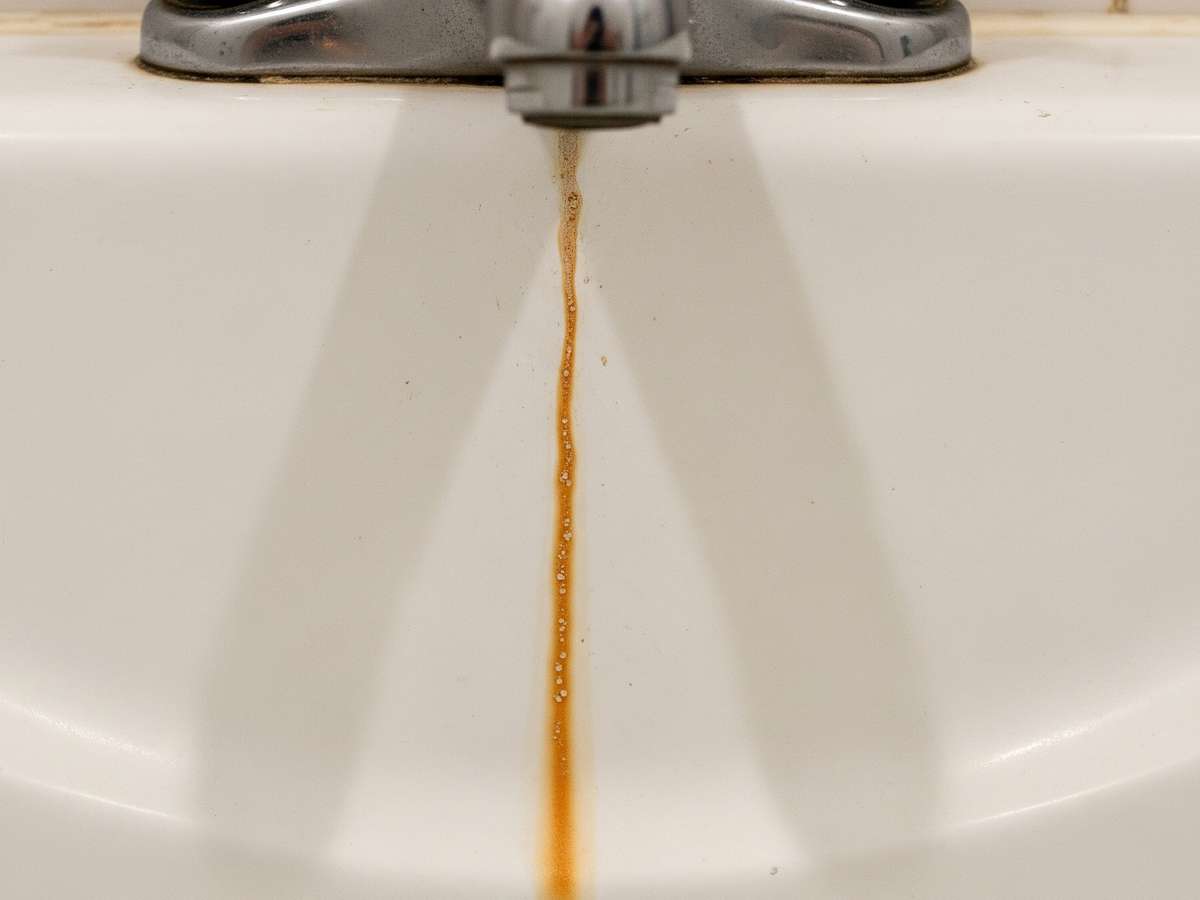
Hard water is defined by a high concentration of dissolved minerals, primarily calcium and magnesium. As water evaporates from surfaces in your bathroom or kitchen, it leaves behind these mineral deposits, which accumulate over time to form the tough, scaly buildup known as limescale or hard water stains. While not a health risk, this buildup can be unsightly, damage fixtures, and reduce the efficiency of appliances.
The severity of hard water varies significantly by location. In North America, regions with limestone bedrock, such as the Great Lakes basin and many parts of Florida and Texas in the US, or the Prairies and Southern Ontario in Canada, tend to have very hard water.
In the UK, areas like the south-east of England have notoriously hard water. In Australia and New Zealand, hard water is also a concern in many areas, particularly in parts of South Australia and the North Island, New Zealand.
The best natural cleaning agents for hard water stains
You don't need harsh chemicals to fight hard water. The secret lies in using mild acids that dissolve the mineral deposits without damaging surfaces or harming your health. Here are the most effective non-toxic options:
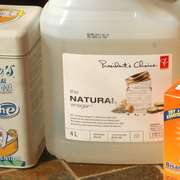
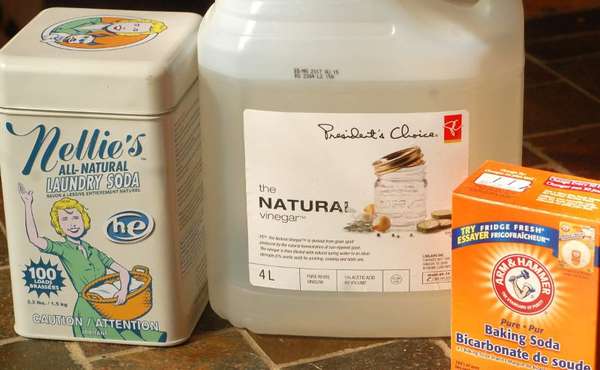
- White vinegar: A household staple, its acetic acid is highly effective at dissolving calcium carbonate, the primary component of limescale. It's safe for most surfaces but can be too harsh for natural stone like marble.
- Citric acid: Found in citrus fruits, this is a stronger acid than vinegar and works wonders on tough stains. It's available as a powder in most grocery stores and is a great alternative for those who dislike the smell of vinegar.
- Baking soda (Sodium bicarbonate): A mild abrasive and a natural deodorizer, baking soda works by gently scrubbing away loosened mineral deposits. It can also be used in combination with vinegar or citric acid to create a powerful cleaning paste.
DIY cleaning solutions for toilets and sinks
Here are step-by-step instructions for both homeowners and building professionals to tackle hard water stains in common bathroom and kitchen areas. We've included different methods to suit the severity of the stain and the type of surface.
How to clean hard water stains on a sink or toilet bowl
Toilets and sink drains are common places for hard water buildup, particularly along the waterline and at the bottom of the toilet bowl. Here are two effective methods:
The vinegar-soak method (for light to moderate stains)
- Lower the water level: Before you start, turn off the water supply to the toilet and flush it to remove most of the water from the bowl. This exposes the stained areas and allows the cleaning solution to work more effectively.
- Add the vinegar: Pour 1-2 cups (240-480 ml) of white vinegar into the toilet bowl, making sure to coat the stains.
- Let it sit: Allow the vinegar to sit for several hours, or even overnight, to give the acid time to dissolve the minerals. For an extra boost, you can sprinkle a tablespoon or two of baking soda directly onto the stains before adding the vinegar.
- Scrub and flush: Use a toilet brush to scrub the stains. The softened deposits should come off with some effort. Once the stains are gone, turn the water back on and flush a few times to rinse the bowl.
The pumice stone method (for stubborn stains)
For tough, long-standing stains, a pumice stone can be a lifesaver. It is a very effective tool for this job, but it is important to understand what a pumice stone is and how to use it safely.
A pumice stone is a type of volcanic rock that is surprisingly soft and abrasive. It can be used to scrub away hard water stains from porcelain surfaces without scratching them, as long as the surface remains wet. It is not recommended for use on fiberglass, plastic, or softer surfaces.
- Wet the surface: Before you start, make sure both the pumice stone and the surface you are scrubbing are thoroughly wet. This is critical to prevent scratching.
- Gently scrub: With light pressure, begin scrubbing the stains with the wet pumice stone. The stone will crumble as you use it, creating a paste that further aids the cleaning process.
- Rinse and repeat: Rinse the area and your stone frequently to remove the loosened debris. Repeat until the stains are gone.
How to clean sinks and faucets
Hard water stains on sinks and faucets can make a bathroom or kitchen look dirty, even after a thorough cleaning. The key is applying the acidic cleaner directly and letting it sit.
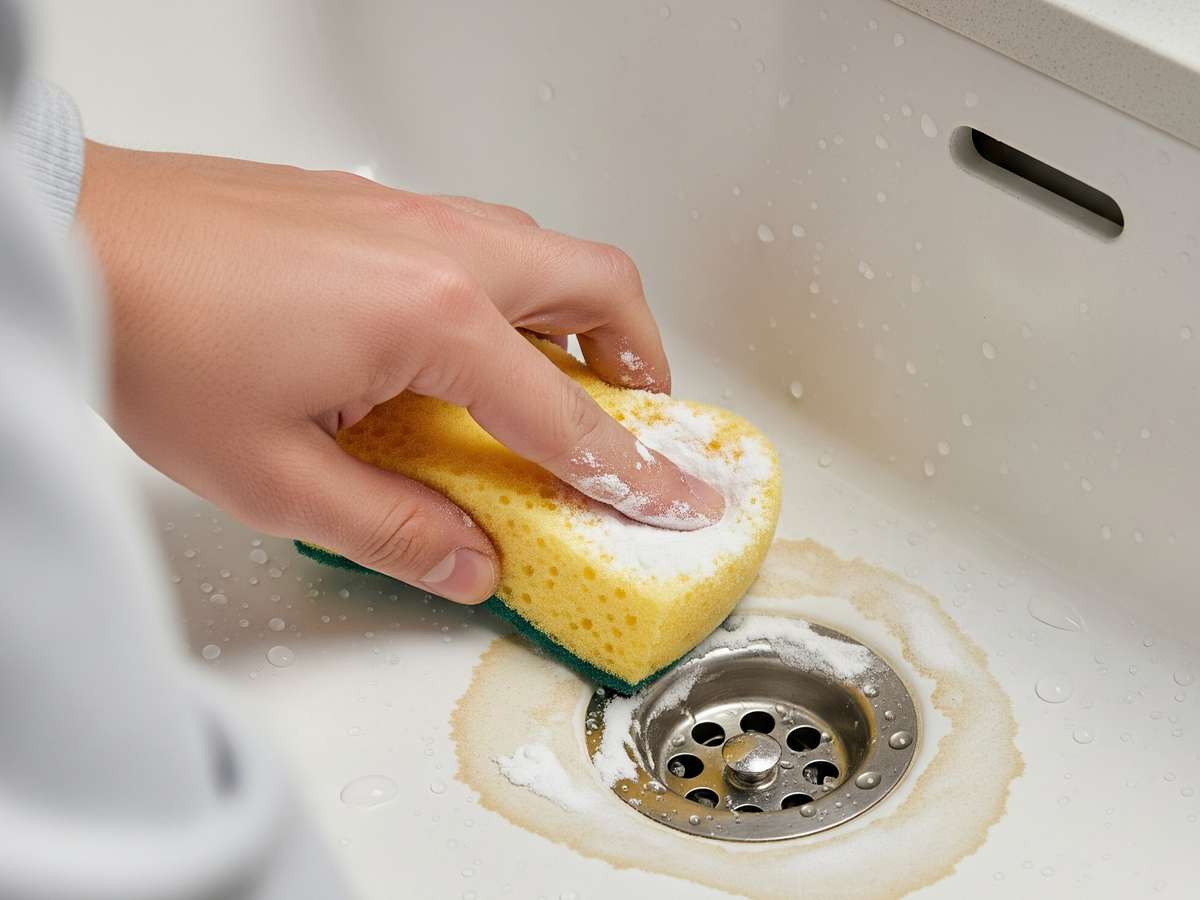
- Make a paste: For vertical surfaces like the sides of a sink, a paste of baking soda and a little water is perfect. For a stronger solution, use baking soda and citric acid or vinegar.
- Apply and wait: Spread the paste over the stained areas. For faucets, you can soak a cloth or paper towel in vinegar and wrap it around the fixture, securing it with an elastic band. Let it sit for at least 30 minutes.
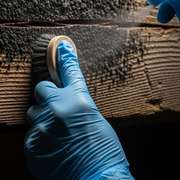
- Scrub and rinse: Use a non-abrasive scrubber, like a soft-bristled brush or old toothbrush, to scrub the surfaces. The stains should lift away easily. Rinse thoroughly with water and buff dry to a shine.
Preventing future hard water stains
Prevention is always easier than cleaning. By taking a few simple steps, you can drastically reduce the occurrence of hard water stains.
- Wipe down surfaces: Get into the habit of wiping down your sink and shower after each use. A simple cloth or squeegee will remove the water before the minerals have a chance to dry and form a stain.
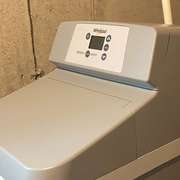
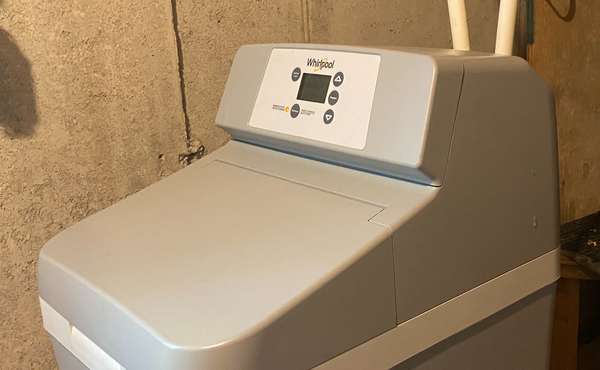
- Consider a water softener: For homeowners and professionals dealing with severe hard water, a water softening system may be a worthwhile investment. These systems work by removing the calcium and magnesium ions from your water. This not only prevents stains on fixtures but also extends the life of appliances like dishwashers and water heaters. While the installation may be costly, the long-term benefits in maintenance and appliance longevity can offer a positive return on investment.
- Switch to DIY cleaners: By opting for non-toxic cleaners like vinegar and baking soda, you can maintain a clean home without relying on harsh chemicals that can harm both your health and the environment. For more tips on making your own safe cleaning products, read our guide on how to detoxify your home.
In brief
You can effectively remove hard water stains from your home using readily available, non-toxic household items. White vinegar, citric acid, and baking soda are powerful, eco-friendly alternatives to chemical cleaners. For a more intense clean, a pumice stone can be a great tool, especially for toilets.
The best approach is to prevent the stains from forming in the first place by regularly wiping down surfaces and considering a water softening system in areas with very hard water. By choosing these methods, you're not only maintaining a beautiful home but also protecting your family's health and the planet.
Now that you know more about eco-friendly cleaning, find more info about sustainable homes and green building techniques in the Ecohome Green Building Guide and these pages below:
-
Water softener buyers guide - choosing the right water treatment system
-
How to know if you have radon gas in well water and how to remove it
-
Save money by washing in cold water, and it works better!
-
Are tankless on-demand water heaters any good? Find out when they make sense and when they don't





Comments (0)
Sign Up to Comment