






How do you seal a crawlspace and remove radon gas from it?
I have a small crawl space, about 10' x 6' that is mostly gravel, and then an L-shape extends another 3' x 4' under some steps and is a thick concrete slab. I have a radon mitigation tube through the concrete slab (about 2' from the exposed earth) and weaves it's way to the roof (fan in attic). 3 of the crawl space walls are cinder block, and 4th is facing interior of home. In the 10x6 section, the builder laid down concrete extending from wall on the floor for about 5", while the remaining part is the gravel. So, imagine the floor is a picture on your wall, where the frame is concrete while the photo itself is gravel/earth.
Question: I should probably seal the earthly floor to make the radon mitigation system efficient. Am I better off finishing with concrete, or rather, using a plastic vapor barrier? If the latter, am I okay just adhering the vapor barrier to the part of the floor that is concrete (ie, that 5" section around the floor), or should I apply all the way up the 3 cinder block walls?






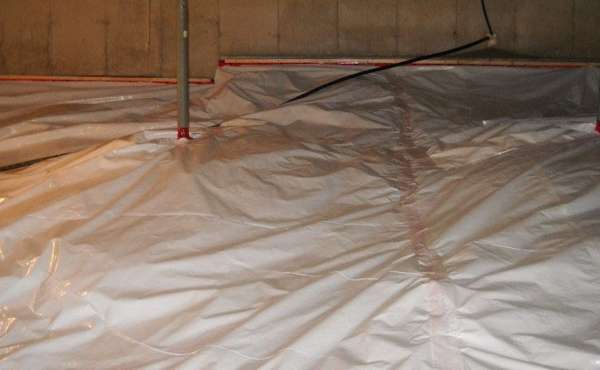
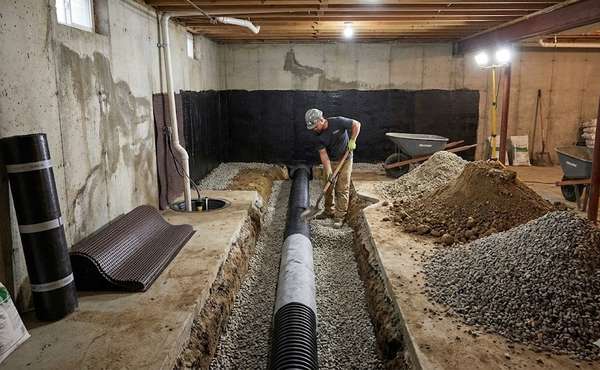
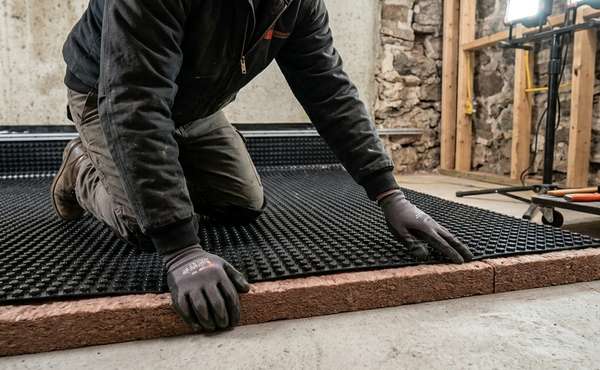


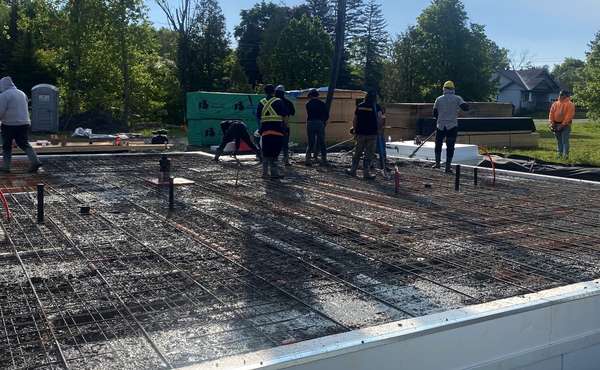
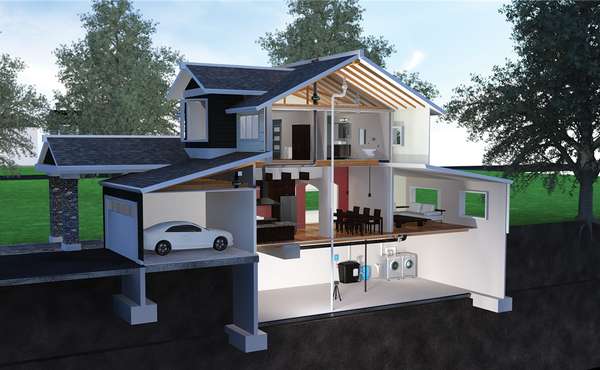
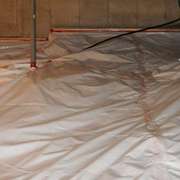
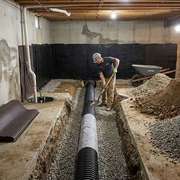
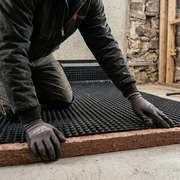
The easiest and most effective way is to cover all the exposed soil with a thick plastic vapor barrier and extend it a few inches up the cinder block walls, taping it well. You don’t need to pour concrete—just make sure all gaps are sealed so your radon fan can work efficiently.
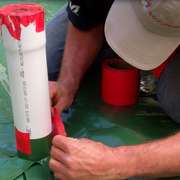
For a small crawlspace like yours, a sealed vapor barrier usually works better than pouring more concrete. Most people lay a heavy-duty plastic membrane over the gravel, seal the seams, and tape or glue it to the existing concrete edges so the whole area is airtight. It’s also pretty common to run the barrier a bit up the cinder block walls to keep radon from slipping through gaps. Since you already have a mitigation pipe and fan, sealing the ground properly will help that system pull the radon out much more efficiently.