
LEED® for Homes: A Guide to the v4.1 version of this Green Building Certification
For homeowners in Canada and the United States, the LEED® (Leadership in Energy and Environmental Design) for Homes rating system is the premier benchmark for designing and constructing healthy, sustainable, and highly efficient homes. Developed by the U.S. Green Building Council (USGBC) and administered in Canada by the Canada Green Building Council (CaGBC), LEED provides a rigorous, third-party verified framework for creating better homes for people and the planet.
While past versions of LEED set the foundation, the current standard, LEED® v4.1 Residential, has evolved to be more performance-based, flexible, and focused on the real-world factors that impact occupant health and environmental quality. This guide explains how the modern LEED® for Homes system works and what it takes to achieve certification from April 2, 2019 to April 28, 2025, when the U.S. Green Building Council launched the new, more comprehensive LEED v5, the latest version of Leadership in Energy and Environmental Design® LEED® v5 rating system for sustainable buildings.
How the LEED® v4.1 for Homes Rating System Worked
The LEED® v4.1 system moved away from the rigid v4 checklist to a more holistic approach. Every project had to first satisfy a series of mandatory prerequisites - fundamental green building practices for issues like erosion control, moisture management, and basic ventilation. Once the basic parameters for LEED certification were met, the new home construction project earned points by achieving voluntary credits across several categories and as often assessed by accredited LEED certification companies.
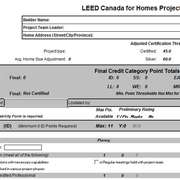
There were a total of 110 possible LEED® points available for certifying homes. The number of points your project earned determined its level of final LEED® certification as follows:
-
LEED® Certified: 40-49 points
-
LEED® Silver rated: 50-59 points
-
LEED® Gold rated: 60-79 points
-
LEED® Platinum rated: 80+ points
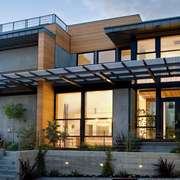
Achieving the highest levels, like LEED v4.1 Platinum certification, required a deep commitment to integrated design and sustainable practices. As a testament to our expertise in this area, Ecohome designed and built The Edelweiss House, Canada's first certified LEED v4 Platinum home, demonstrating that the highest level of performance was achievable even in demanding and cold northern climates and at a similar budget to standard Quebec code-built homes at that time - (an outstanding achievement that relied on a lot of unsung sweat and tears from Ecohome co-founder, Mike Reynolds.)
The 9 LEED® v4.1 Credit Categories Explained
Here is a breakdown of the categories where a LEED v4.1 project could earn points towards certification. The specific number of available points in each category varied slightly based on project-specific details.
1. Integrative Process (IP)
This foundational category rewards projects that use a collaborative, team-based approach from the very beginning. It encourages a project team (architect, builder, energy modeler) to work together to identify opportunities and synergies early in the design phase, setting the stage for success across all other categories.
2. Location & Transportation (LT)
A successful green home construction project is about more than just the building itself; it's also about its place in the community. This category encourages building on previously developed or infill sites, protecting sensitive land and farmland. It rewards homes built in compact, walkable communities with access to public transportation, bike networks, and amenities, reducing reliance on personal vehicles and the associated carbon emissions.
3. Sustainable Sites (SS)
Every construction project impacts its immediate environment. The Sustainable Sites category focuses on minimizing that impact. Credits are awarded for practices like:
- Site-sensitive design that preserves natural vegetation and minimizes disturbance.
- Effective stormwater management to reduce runoff and pollution, whether dealing with heavy rainfall in coastal British Columbia or flash floods in the American Southwest.
- Reducing the heat island effect by using reflective roofing and paving materials.
- Controlling light pollution with smart, downward-facing exterior lighting.
4. Water Efficiency (WE)
With increasing water scarcity in many regions, this category is more important than ever. The goal is to reduce overall water consumption both inside and outside the home. Points are earned for installing WaterSense-labeled fixtures (toilets, faucets, showers), high-efficiency appliances, and designing water-wise, climate-appropriate landscaping that eliminates the need for permanent irrigation systems. Rainwater harvesting and greywater recycling systems can also earn significant points.
5. Energy & Atmosphere (EA)
This is the most heavily weighted category in the LEED® system, as it addresses the largest source of a home's environmental impact: energy consumption. The first prerequisite is meeting a minimum level of energy performance, often verified by a certified energy modeler. Key to this category is the mandatory blower door test, which measures the home's airtightness. Credits are awarded for:
- Exceptional energy performance that goes far beyond local building codes.
- Airtight and highly insulated building envelopes (walls, roofs, foundations).
- High-performance windows and doors.
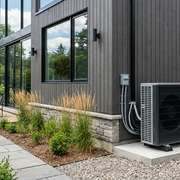
- Efficient heating, cooling (HVAC), and water heating systems.
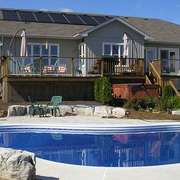
- Installation of on-site renewable energy systems, such as solar panels.
6. Materials & Resources (MR)
This category encourages environmentally responsible material selection and waste reduction. It promotes a life-cycle approach to building materials, from extraction to disposal. Points are awarded for:
- Sourcing materials with transparent environmental reporting (like Environmental Product Declarations).
- Using salvaged, refurbished, or recycled materials.
- Choosing products that are sourced and manufactured locally.
- Diverting a significant portion of construction waste from landfills through recycling and reuse.
7. Indoor Environmental Quality (IEQ)
We spend about 90% of our time indoors, making indoor air quality critical to our health and well-being. This category focuses on creating a healthy, comfortable, and safe indoor environment. Credits are earned for:
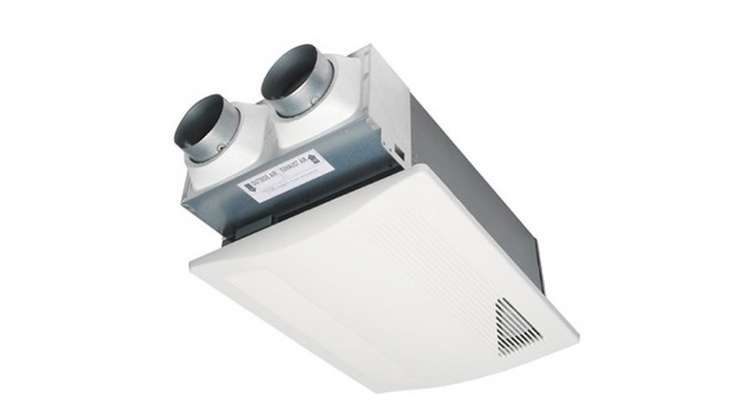
- Enhanced ventilation systems that provide a continuous supply of fresh, filtered air.
- Using low-emitting materials, such as paints, adhesives, flooring, and cabinetry with no or low Volatile Organic Compounds (VOCs).
- Properly sealing combustion appliances to prevent backdrafting of pollutants like carbon monoxide.
- Installing high-capture filtration systems (like MERV 13) to remove airborne contaminants.
- Controlling sources of indoor moisture to prevent mold growth.
8. Innovation (IN)
The Innovation category rewards project teams for implementing creative, forward-thinking green building strategies that go above and beyond the existing LEED® credits. It also provides an opportunity to earn points for achieving exemplary performance in an existing credit category.
9. Regional Priority (RP)
Recognizing that environmental priorities differ by location, this category offers bonus points for achieving credits that are particularly important for a project's specific geographic area. For example, a home in California might earn a Regional Priority credit for exceptional water efficiency, while a project in Ontario or Quebec might earn one for superior airtightness and energy performance in a cold climate.
LEED® V4. 1 replaced the old LEED® V4
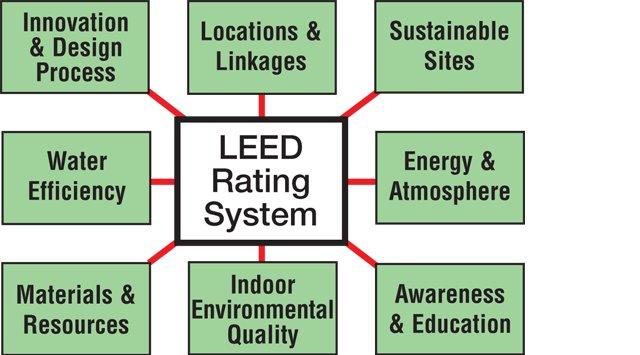
Back in the days of building The Edelweiss, there were 8 LEED® categories with a total of 136 available points in LEED v4, and a minimum amount was required to achieve certification as explained below. This point threshold was determined by the size of the house compared to the amount of bedrooms. To encourage increased housing density, homes with more bedrooms per total square foot had lower certification point thresholds.
Within the 8 categories there were 19 mandatory measures and a number of requirements in which each project had to obtain. The more points accumulated, the more the project exceeded the "LEED v4 Certified" level and earned a silver, gold, or platinum accreditation.
The 8 LEED® v4 categories:
Innovation & Design Process (11 points)
Green building begins at the design phase, and this category encourages builders to put together their building team early and involve them in the design process. It is here that regional issues and home durability is addressed, and building orientation is determined to maximise passive solar gains.
Locations & Linkages (10 points)
The location and linkages category aims to reduce the need for new infrastructure development by encouraging building on previously developed land with access to community resources, public transportation and existing infrastructure such as water, sewage and hydro.
LEED® encourages condensed housing and building on infill lots which serves to protect green space and environmentally sensitive areas by slowing urban sprawl.
Sustainable Sites (22 points)
Any new construction will have an ecological impact. This category seeks to limit that impact on the building site, as well as the surrounding environment and waterways.
Points are awarded for responsible site stewardship during both construction and the lifecycle of the home. For example, managing storm water runoff and erosion; safeguarding the permeability of soil; reducing construction related pollution; and by encouraging non-toxic pest control and regionally appropriate landscaping that reduces the need for irrigation.
Water Efficiency (15 points)
The goal of this category is to reduce the overall consumption of water inside the home and out. Points are earned for water conscious home design including efficient appliances, fixtures and fittings; and reducing outdoor irrigation needs through rain water collection and water recycling.
Energy & Atmosphere (38 points)
Our homes are an enormous consumer of energy. This LEED® category aims to reduce overall operational consumption through better building envelopes (insulation, doors and windows) and more efficient appliances and fixtures.
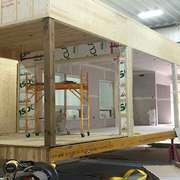
Certification requires a blower door test where homes are depressurized and tested for air leaks before drywall is installed, so any necessary air seal repairs can be made. Minimum standards must be met for certification and points are awarded for exemplary performance.
This category also deals with heating, cooling, domestic hot water and any renewable energy generation features. Given that this is where the energy performance of your home is determined, it is also where the greatest amount of points can be achieved.
Materials & Resources (16 points)
During both construction and operation, buildings generate a lot of waste and use large quantities of materials and natural resources. The Materials & Resources category encourages the selection of sustainably grown, harvested, produced, and transported products and materials with a documented chain of custody. It also promotes waste reduction as well as material reuse and recycling.
Indoor Environmental Quality (21 points)
There are upwards of 80,000 known chemicals in various household products, materials, finishes, and furnishings. The most commonly found contaminants in homes include formaldehyde, carbon monoxide, radon gas, mold, pet dander, and dust. These can cause a variety of adverse health effects including allergies, asthma and respiratory illnesses.
LEED® rewards builders for taking steps to reduce or eliminate many of these pollutants. Air quality is improved through design features, material choices, moisture control measures, combustion venting, home ventilation, and air filtering. This results in a healthier indoor environment and greater satisfaction, health and comfort among occupants.
Awareness & Education (3 points)
The Awareness & Education category encouraged builders to provide homeowners with the necessary knowledge to run the systems of their home properly, and publicly promoted green building and the LEED® rating system - which is probably why LEED® certification became popular.
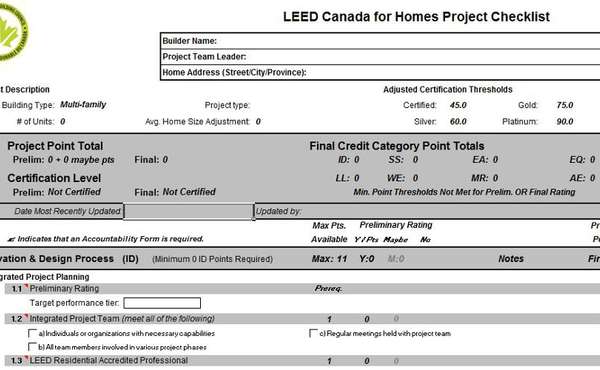
Qualified LEED® Home Builders were required to provide homeowners with a minimum one hour educational walkthrough to identify and provide instruction of the home’s operational systems, as well as provide homeowners with the completed LEED® checklist and accompanying paperwork, including manuals on all home systems.
Once all of the prerequisites are met, the LEED® rating system is a fairly adaptable process. Modest sized homes are encouraged, but larger homes can meet certification with a bit more effort.
Builders had the choice to go after the points that are important to them and their clients, to help them to reduce the impact and maximize the performance of the home they choose to build and live in.
Is a LEED® Certified Home Right for You?
Pursuing LEED® for Homes certification is a commitment, but the rewards are significant. It offers a clear roadmap and third-party assurance that your home is truly sustainable - not just claiming to be. The result is a home that is more durable, less expensive to operate, healthier for your family, and more sustainable. It is a tangible investment in quality, performance, and a resilient future.
Explore Sustainable Home Construction Further
Now that you understand the modern LEED® v4.1 for Homes rating system, discover more in the Ecohome Green Building Guide:
-
Passive House vs. LEED®: What's the Difference?
-
Why Build a LEED® Certified Home?
-
Case Study: Canada's First LEED® v4 Platinum Home
-
Key Features of Resilient Home Design
Join the Ecohome Network
Discover the benefits of a free Ecohome Network Membership - promote sustainable construction businesses and get discount pricing on select sustainable building materials!










Comments (0)
Sign Up to Comment