





What is the best insulation for basement concrete walls?

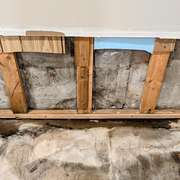
The floor is gravel/stone and usually damp, even with windows open and dehumidifyer on. The walls do not sweat.. The humidity in summer is rarely below 80. I am in Northern VT and the temp now is 58 in the basement and humid 63. I have not seen any mold yet. Spray foam out - toxic. So are some rigid foam boards. Family very concerned. You mention a new type of friendly board. What can I use that is safe, R-20 at least ? Thank you.
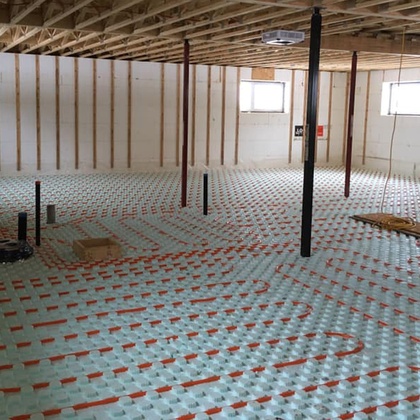










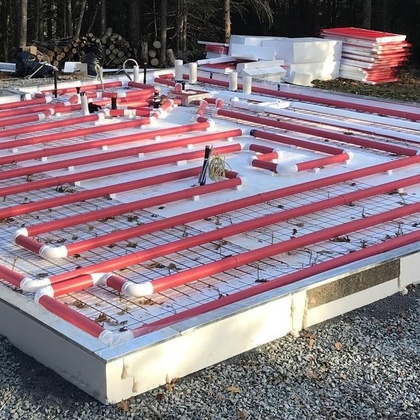


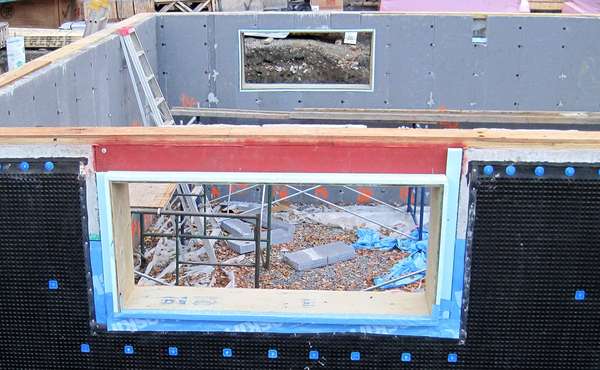

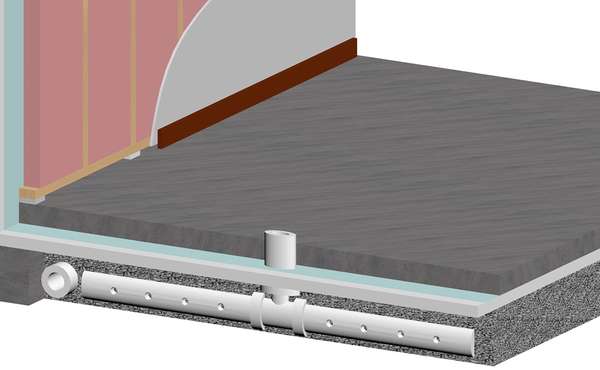
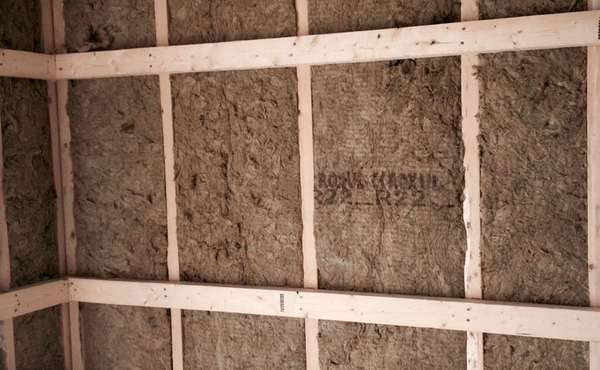

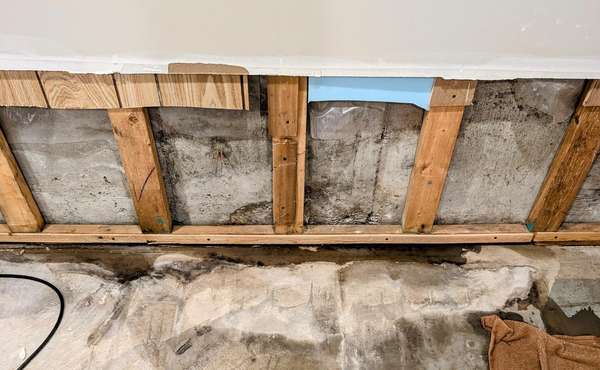
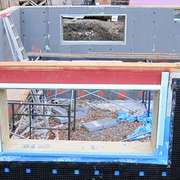
The best insulation for basement walls would be something that is not harmed by moisture. EPS foam is our preference for performance, cost and ecological footprint, and we don't typically find it to be a great concern for air quality except for those with chemical sensitivies.
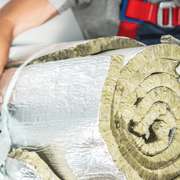
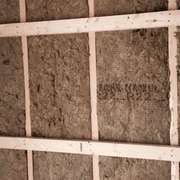
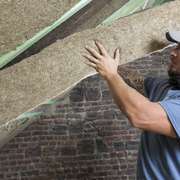
The problem is that natural materials that are completely benign with no human impacts are also much more susceptible to moisture in filtration. Rigid mineral wool may be a great middle ground for you, Read more and choose which one makes sense for you on these pages -
Choosing the right rigid insulation for basements
Best practices for basement insulating and renovations to prevent future mold
While the insulation will help with efficiency as well as moisture issues when done correctly, I think the bigger problem you have is humidity and the floor. If it is damp all the time you would be wise to have some sort of moisture protection as it sounds like you don't currently.
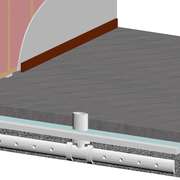
Under your stone floor is likely just dirt, so it will continue to supply moisture into the basement. You would be wise to lay a moisture barrier of some kind, like a 6-mil poly barrier.
Also - windows open while running a dehumidifier is counter productive, from what you say I suspect the air in summer is quite humid where you are. So close the windows and let the demidifier remove moisture. Presuming it is sized properly for the space, and if not then get another one and have them both running.
But as mentioned I think the floor is the issue, I would rake back some stone, lay some poly, cover that with the stone and do the whole floor that way. it's not impossible that walking on the stone may slightly damage or perforate the poly, but that would have virtually no negative impact on its ability to prevent ground moisture from rising.