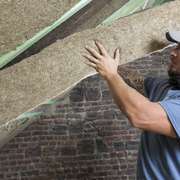
To find the most efficient Passive House wall, if your intention is to reduce your carbon footprint, starts with choosing materials with low-embodied energy. Different insulation materials will have different R values per inch - which affects the energy required to operate a Passive House - but that doesn’t address the embodied carbon, meaning the energy required to manufacture the materials in the first place. That aspect is finally getting some traction in the green home building industry, and a free carbon calculator has recently been released, which lets you input different materials to see the overall impact.
The LEED Home Rating System has always rewarded points for material selection (awarding points for locally produced, recycled and reclaimed building materials, but Passive House certification has so far not made that a concern at all unfortunately. PH focusses on the energy required to heat and operate a home, but it does not consider the fact that some materials have significantly greater embodied energy.
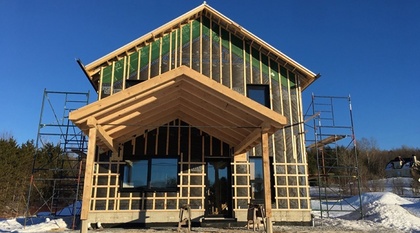
We think that will begin to change soon. Here you can find everything you need to know about Passive House certification, and back to wall design – any material can be chosen, success is measured by the right amount and proper applications of insulation and a focus on airtightness. Here is an example of a Passive House wall system with Larsen trusses and cellulose insulation that has an extremely low carbon footprint. So this full life cycle of that home would be easily 10 or more times lower than a Passive House made of ICF, even if their heating bills were identical to the penny. Material selection is very important! Thanks for the question.
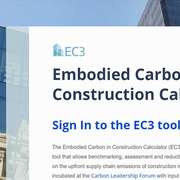
The carbon footprint of a building is the sum of 2 things; the embodied carbon from construction & the energy used once built. The EC3 tool from Skanska calculates a building's…
Zero-carbon housing & zero-energy housing are terms used interchangeably to define single family dwellings with a very high energy efficiency rating - but the overall…
Here's what we think will be the top twelve green building trends for 2025. Top sustainable construction trends for 2025 There are always new green building products coming out…
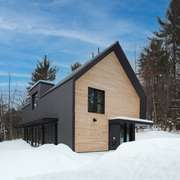
The S1600 Modern prefab kit eco home provides a Stylish & Affordable green home for young families looking for great Value, Comfort & Healthier Living. Affordable prefab eco…
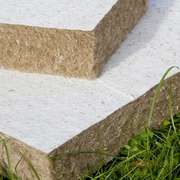
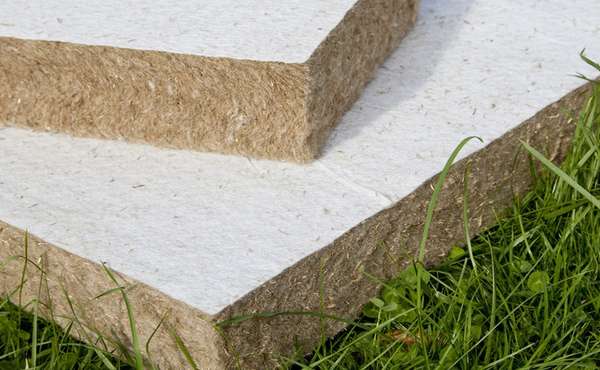
Natural insulation materials such as hemp insulation, cellulose (including grass based), wood fiber, straw and cotton act as carbon storage and reduce embodied energy and carbon…
Discover if stucco is the right exterior finish for your home. We'll explore its pros and cons, cost, lifespan, and maintenance. Stucco as an exterior home finish Stucco is a…
The impact of 2020 and working from home has a lot of people considering moving away from urban centers to the countryside. How do we stave off an environmental disaster of…


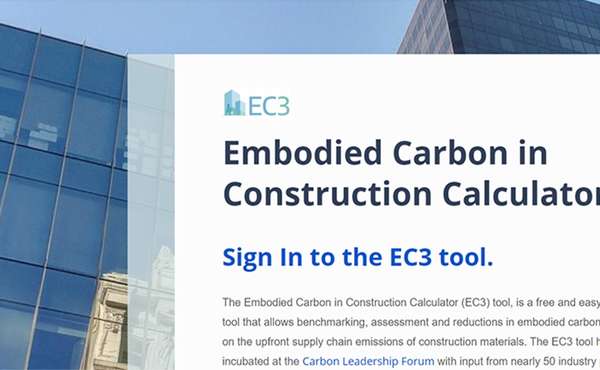




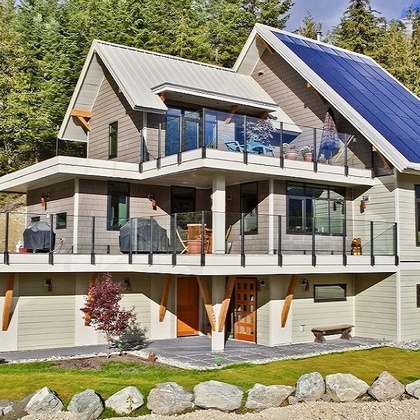





To find the most efficient Passive House wall, if your intention is to reduce your carbon footprint, starts with choosing materials with low-embodied energy. Different insulation materials will have different R values per inch - which affects the energy required to operate a Passive House - but that doesn’t address the embodied carbon, meaning the energy required to manufacture the materials in the first place. That aspect is finally getting some traction in the green home building industry, and a free carbon calculator has recently been released, which lets you input different materials to see the overall impact.
Calculating the carbon footprint of buildings with the EC3 calculator from Skanska
The LEED Home Rating System has always rewarded points for material selection (awarding points for locally produced, recycled and reclaimed building materials, but Passive House certification has so far not made that a concern at all unfortunately. PH focusses on the energy required to heat and operate a home, but it does not consider the fact that some materials have significantly greater embodied energy.
We think that will begin to change soon. Here you can find everything you need to know about Passive House certification, and back to wall design – any material can be chosen, success is measured by the right amount and proper applications of insulation and a focus on airtightness. Here is an example of a Passive House wall system with Larsen trusses and cellulose insulation that has an extremely low carbon footprint. So this full life cycle of that home would be easily 10 or more times lower than a Passive House made of ICF, even if their heating bills were identical to the penny. Material selection is very important! Thanks for the question.