




Advice on suitable insulation for a camper van conversion?
As you might already know, there is a lot of debate in the vanlife world about appropriate insulation to use for conversions, but unfortunately most of it seems rooted in anecdote and ideology and not evidence. Do you have advice on the most suitable insulation for these conditions?
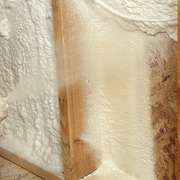
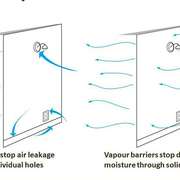
So far the schools of thought seem to be moisture-managing (like wool) vs hydrophobic permeable (thinsulate) vs aiming to not have moisture pass through (e.g. polyiso boards with foam gap filler or spray foaming the entire van - despite the risk of metal deformation), with strategic use of air gaps, radiant barriers, and things to interrupt thermal bridging... A popular idea seems to be to use breathable insulation to let the moisture and air pass through, which would eventually let the van dry out -- but this doesn't get rid of the condensation issues on the metal walls in the interim. For example, an anecdotal experiment by another vanlifer showed that the Thinsulate allowed for a LOT of condensation build up on the wall, which seems concerning from a rust perspective
I've read some good things on your site about Rockwool but I don't like the idea of particles potentially getting loose and flying around in the van interior due to van vibrations.
We plan to do a lot of winter camping in our van (-30 C) so we're looking for something effective but hopefully not too expensive or with unintended consequences.
Any insights you can share would be appreciated!













Responses (0)
Sign Up to Comment