


What exactly is a monolithic concrete slab?
Imagine a monolithic slab as a large, continuous structurally solid 'plate' of concrete that makes up your home's foundation. The whole thing is poured at one time, combining both the finished concrete floor and its thickened edge footing.
This single pour method is a real game-changer compared to traditional foundations. The benefits include reduced building cost, speed of completion, and even lowering a building's carbon footprint, as typical foundations involve three separate trips for concrete trucks. First they arrive to pour the footing, then back to pour foundation walls, and a third trip to pour the basement floor. Each trip for work crews and trucks will cost many thousands of dollars.
Monolithic slabs have the same structural capacity to carry point loads under load-bearing walls, those would already be figured into the slab design by the engineer that designs it.

This guide provides a comprehensive look at the key aspects of this topic. Below is an overview of the sections we will cover, allowing you to jump directly to the information you need.
- Do monolithic slabs work in cold climates?
- Advantages of a monolithic slab foundation
- Insulating below monolithic slab-on-grade foundations
- Where do water pipes go in a slab foundation?
- Disadvantages of a monolithic slab foundation
- Key tips for monolithic slab foundation success
- Building a monolithic concrete slab foundation, step-by-step
- Monolithic slab vs. floating slab: understanding the difference
- Cost comparison: additional above-ground story vs. basement
Do monolithic slabs work in cold climates?
Despite an army of foundation contractors and general contractors who are unfamiliar with this method and therefore spread that hesitation to potential clients, a monoslab is a perfectly functional foundation for any climate zone, even the most unforgiving climates in the far north. You just need a sufficiently large and level lot to build the home size your family needs.
For building sites located on steep slopes, a monolithic slab might seem tricky due to costly leveling work, but it's often still possible by simply incorporating a walk-out basement into the design. Here in North America, you'll often hear 'slab-on-grade' used as a general term for foundations laid directly on the ground.
A monolithic slab is just a method of pouring it, and even if you were building a full foundation, you could pour a monoslab first then install ICF walls on top for very effective and durable basement design.
Advantages of a monolithic slab foundation
The first notable advantage of a monolithic slab is that it is done in a single trip of concrete trucks and work crews. It costs a lot to get a foundation crew and pump truck to show up on site, so one trip instead of three will no doubt save you money and carbon emissions.
But the biggest advantage, is that a slab foundation designed as a monolithic slab separates the footing from the cold wet ground with insulation and vapor protection. Traditional building practices are such that the footing is poured with no insulation or vapor barrier underneath, a glaring oversight in design that leads to heat loss and mold issues.
Insulating below monolithic slab-on-grade foundations
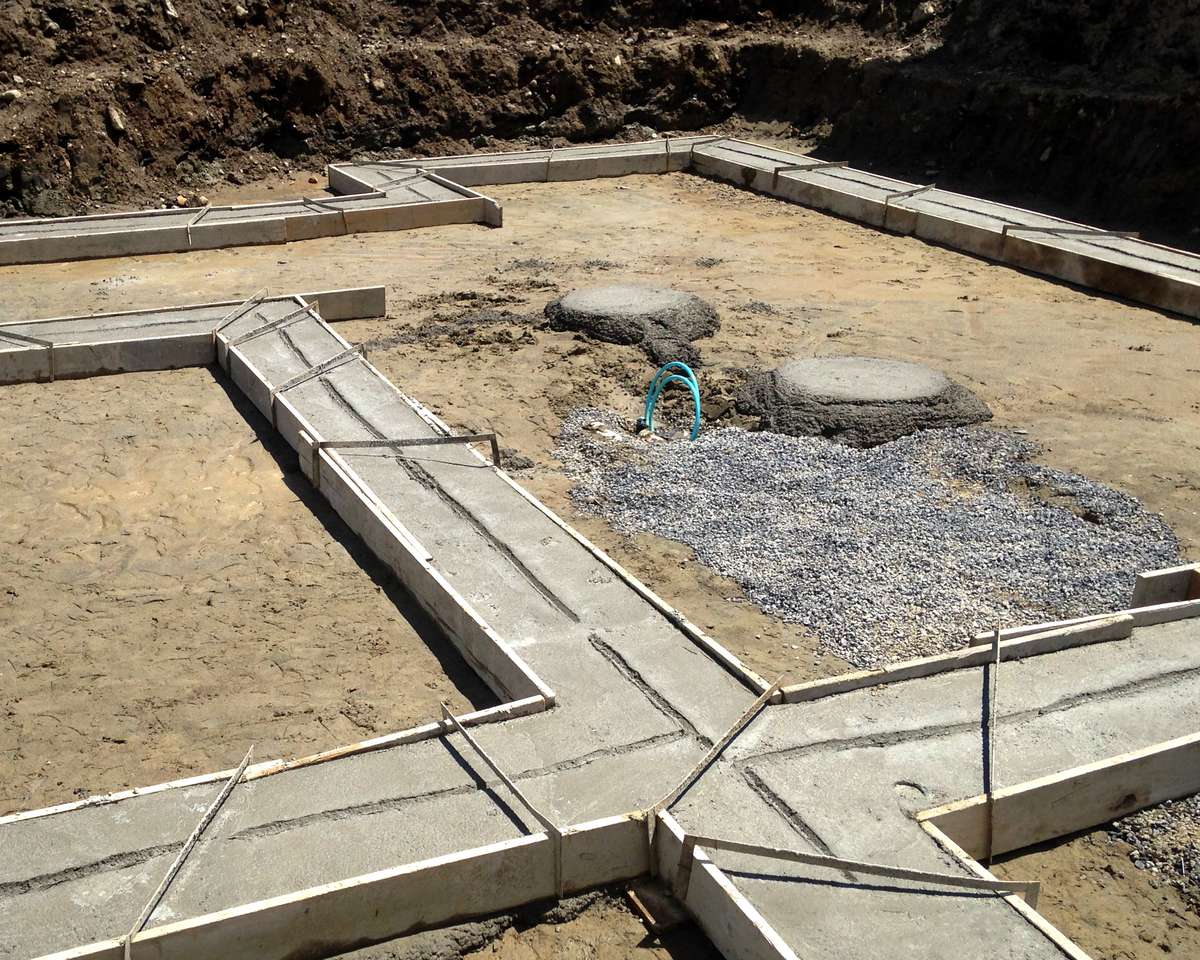
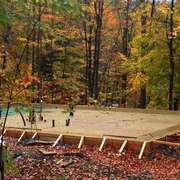
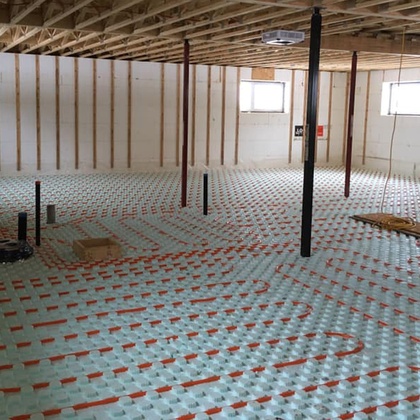
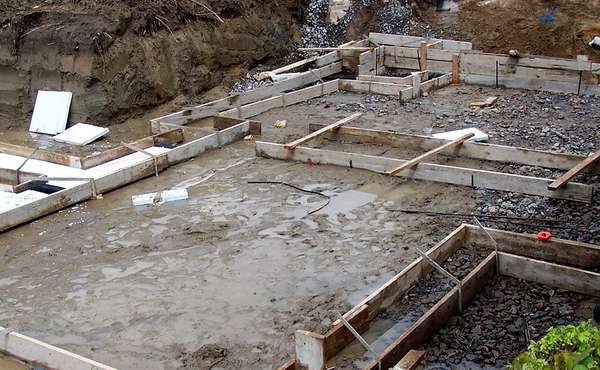
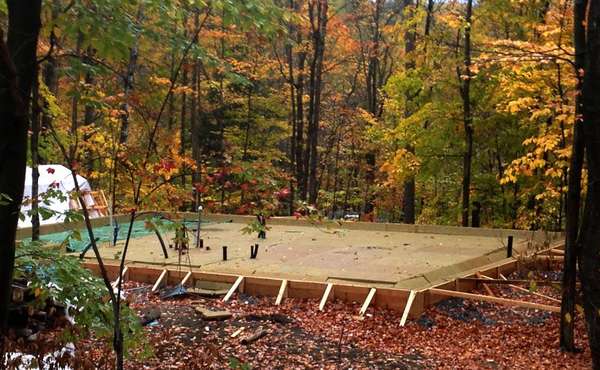
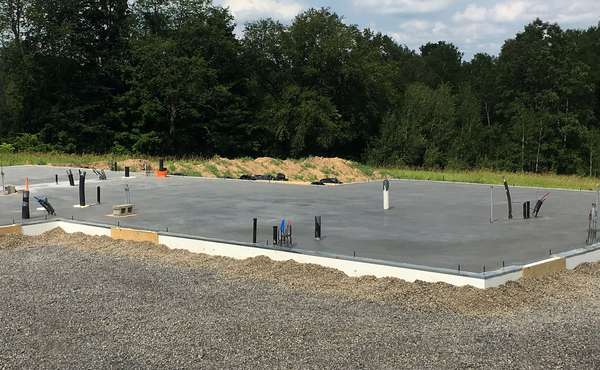
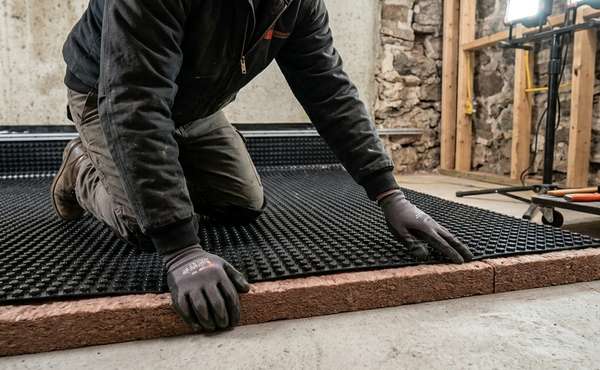
Concrete is porous, and when poured straight on the ground with no vapor protection, it will forever absorb moisture and deposit it in the house. An uninsulated footing will also absorb heat from the house and deposit it in the ground. Those are two very easily avoidable design flaws. The image below is the insulated monolithic slab foundation under construction for our exceptionally high-performance demonstration home, the LEED V4 Platinum Ecohome Edelweiss house, which is an efficient and durable alternative to a regular code built and unprotected strip footing - as found under frost walls.
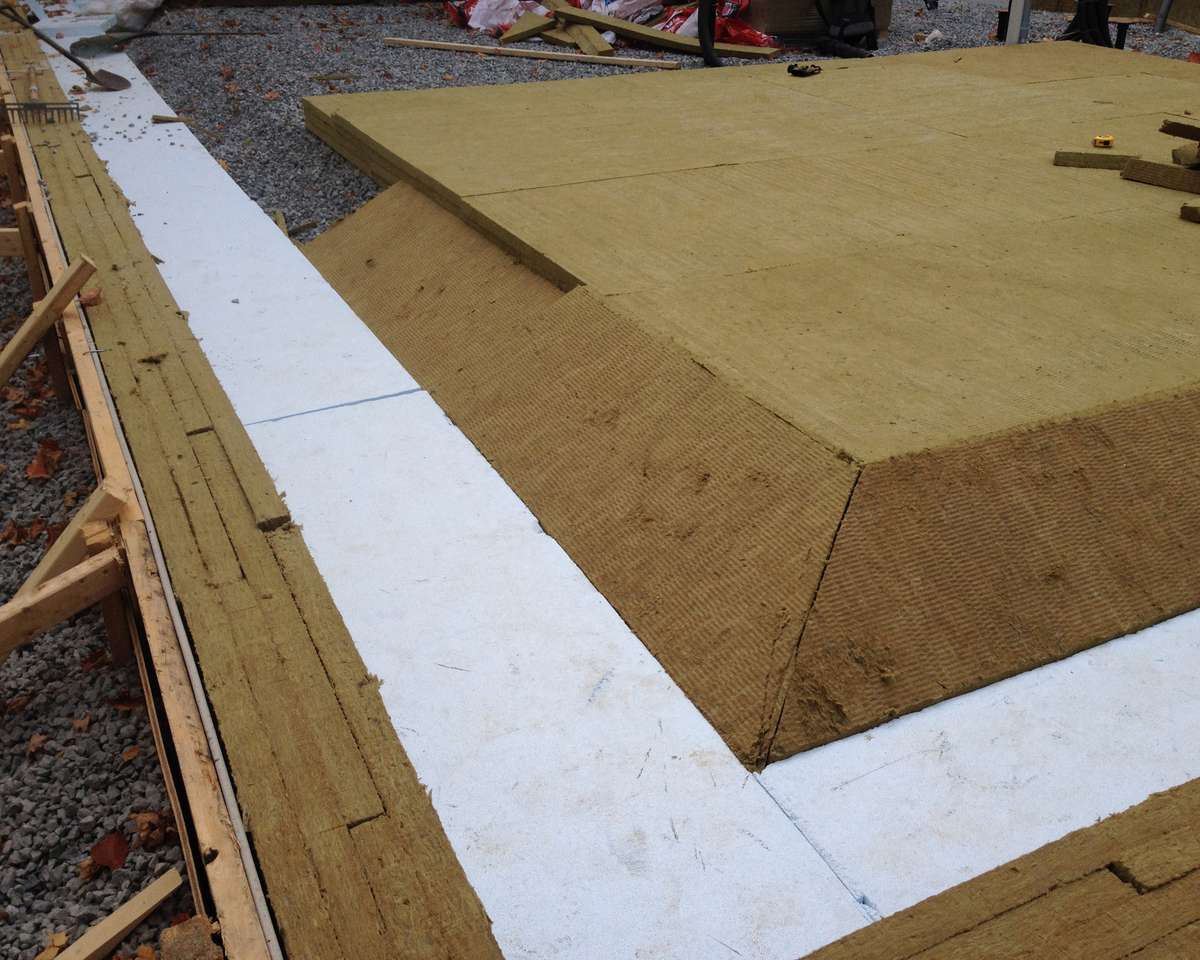
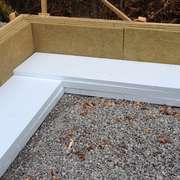
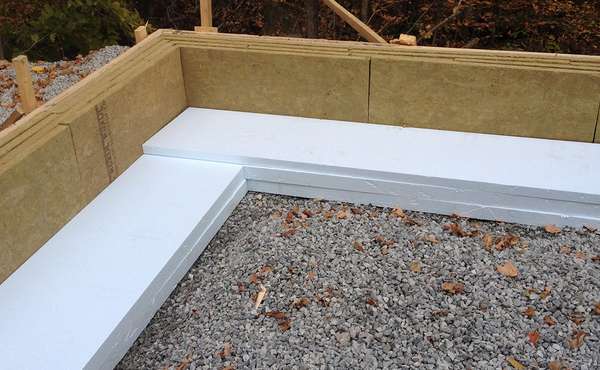
The highly insulated monolithic slab-on-grade foundation assembly above has eight inches of insulation under the main slab, also eight inches under the footing and protecting the slab exterior. This was necessary to meet LEED standards in Quebec, a very cold climate. By separating the slab from the wet ground, we cut off the source of moisture along with reducing unwanted heat loss to the ground below.
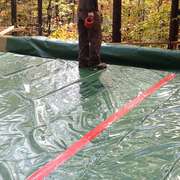
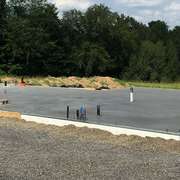
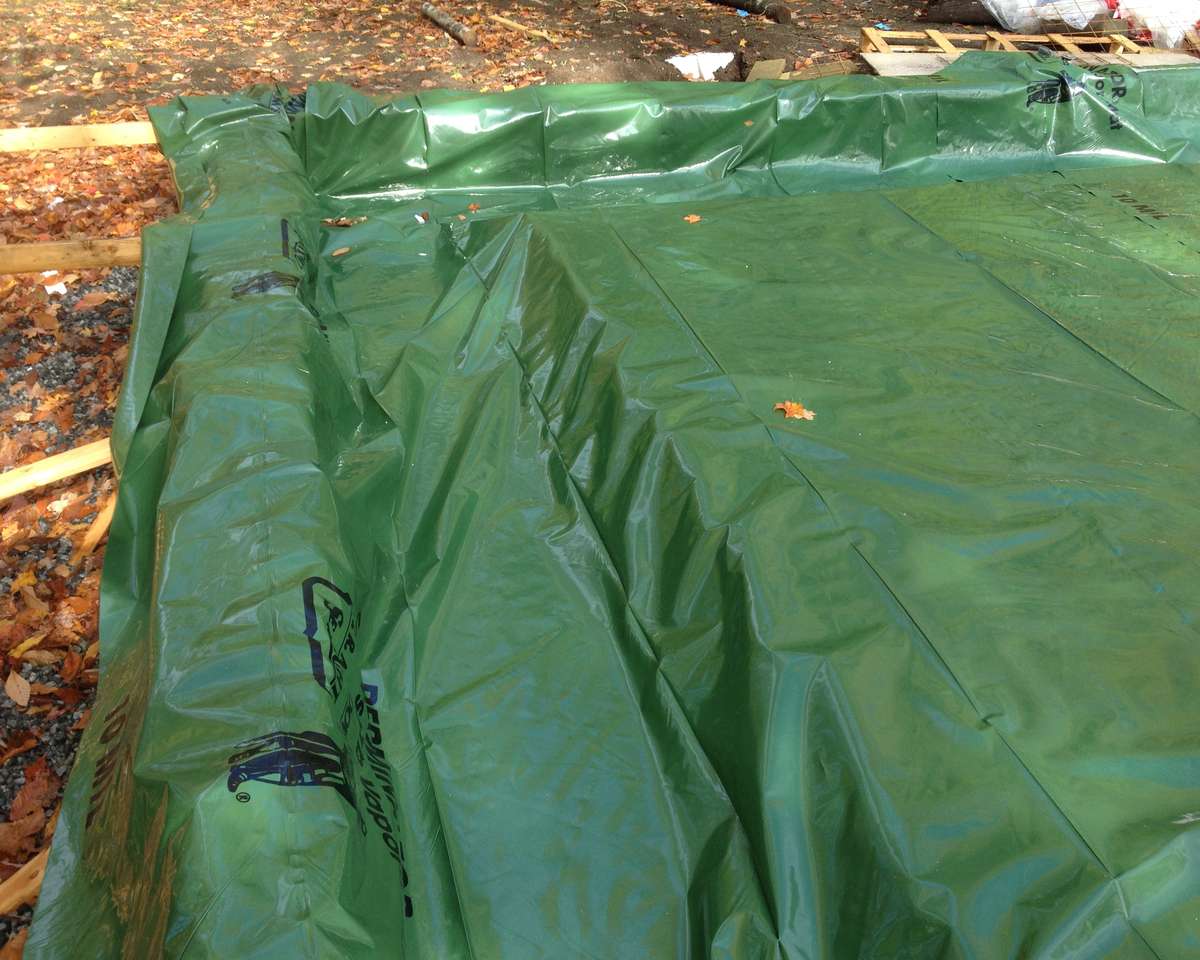
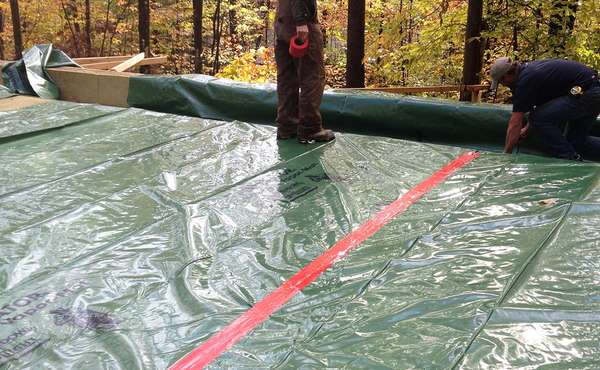
Insulating the slab to this degree was an essential factor that enabled attaining the highest Possible LEED rating, while also meeting the very stringent energy efficient standards of the Passive House rating system. The image below is that same slab assembly covered with a 10-mil radon barrier and vapor barrier, protecting indoor air quality from radon gas, and mold due to the infiltration of ground moisture.
Building on a monolithic slab-on-grade foundation is also a greener and more cost-effective way to build. It simply requires less concrete than conventional foundations. To put it in perspective, that translates to roughly 3.9 tonnes less greenhouse gas (GHG) emissions compared to building a home of the same size with a multi-pour strip footing and floating slab foundation.
Why we're big fans of monolithic slab-on-grade foundations:
- Built-in radiant floor heating (radiant cooling systems are also possible): Imagine cozy, evenly distributed warmth throughout your ground floor. The slab can be seamlessly designed to include any of the many types of under floor radiant heating systems, whether it's hydronic (water-based), air-heated, or underfloor electric cables. When done right and properly insulated, it offers superior comfort and energy efficiency. The thermal mass of concrete helps regulate indoor temperatures by absorbing and slowly releasing heat, keeping your conditioned space consistant. In some climates, adding radiant cooling can even offer advantages over forced air conditioning.
- Enhanced natural light and accessibility: Say goodbye to gloomy, underground basement spaces! By opting for a slab foundation, you can build another story above ground using lightweight wood framing, which is often more economical, more sustainable, and provides far more enjoyable, naturally lit living areas. Plus, if you're building your 'forever home', slab-on-grade foundations lend themselves well to universal and age-in-place design for seniors. No basement stairs means the entire main floor is accessible at all stages of mobility, which is a thoughtful investment in your future.
- Comparable performance and structural integrity: When properly-designed and built, a slab-on-grade foundation delivers performance on par with homes that have traditional foundation walls, ensuring long-term durability and stability. The single-pour nature of a monolithic concrete slab simplifies the forming process and can really speed up construction compared to multi-stage foundation pours.
- Adaptability to challenging soil conditions: Got tricky soil? Monolithic slabs can work on problematic or unstable soil conditions like peat, infill, or expansive clay soils when footings. Of course, this always requires the necessary geotechnical and structural engineering work to ensure success, but would you believe that building on EPS foam might be the ideal solution to expansive clay or peat in your building lot? (trust us, it is!)
- Cost savings: A monopour slab avoids extensive excavation, complex formwork, and prolonged concrete pouring and drying times. For this reason, monolithic slabs can be less expensive than full basements or crawl spaces. This approach also favors lighter, above-ground wood construction, however it is also perfectly suitable for stronger, heavier wall construction methods like CMU masonry walls or highly insulated and durable ICF construction.
- Reduced flood and water damage risks: Slab foundations naturally reduce the risk of basement flooding, and guess what? Insurance companies tend to look favorably on that!
Look, we'll just say it: we're not fans of basements. While we get that in some areas, due to land cost or availability, maximizing square footage is essential for home value, but basements are quite frankly, indoor swimming pools waiting to happen.
Where do water pipes go in a slab foundation?
Plumbing plans need to be carefully designed and meticulously followed for all slab foundations, including monolithic slabs. Drains will go below the slab and insulation in the drainage stone; water lines can be placed there as well, or they can be embedded in the rigid insulation layer.
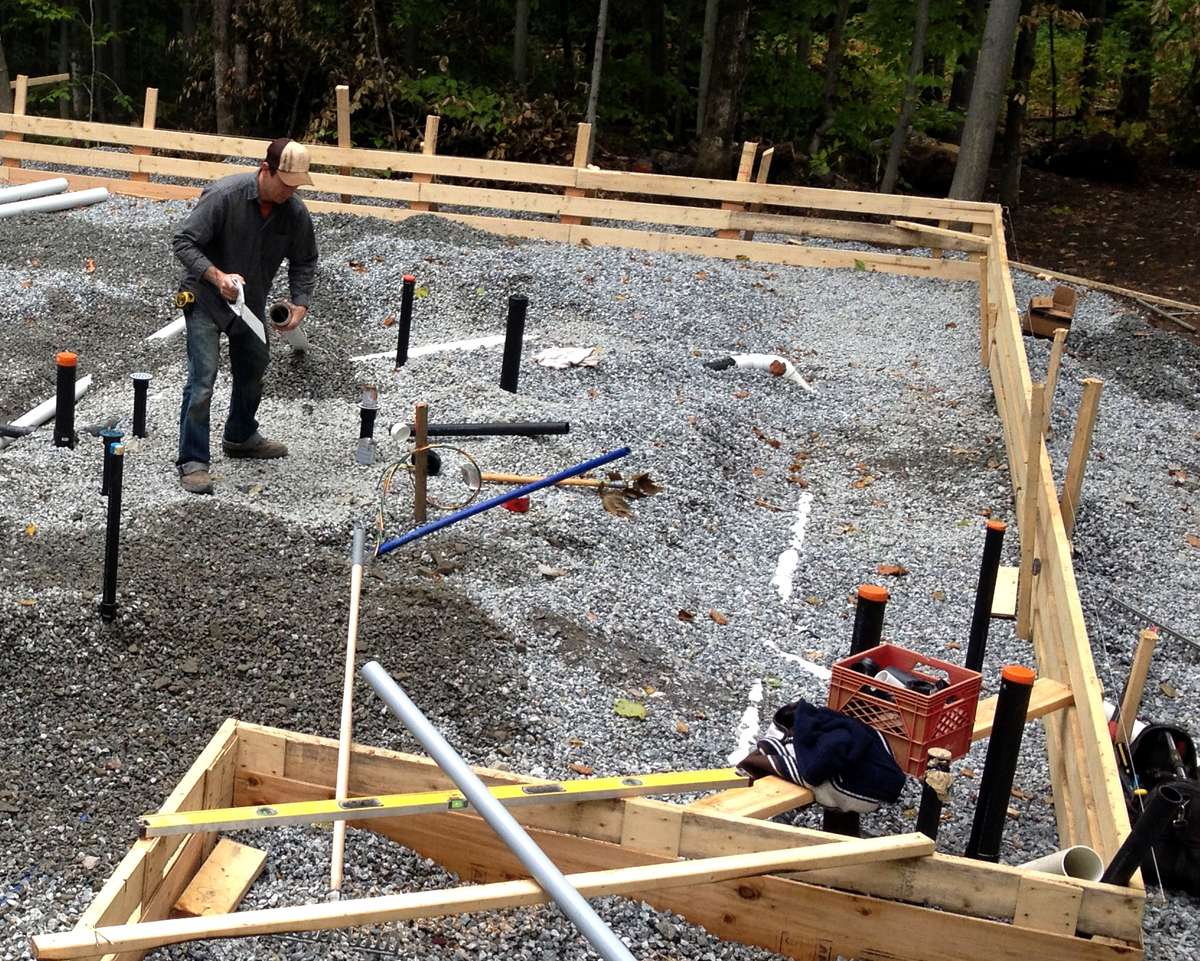
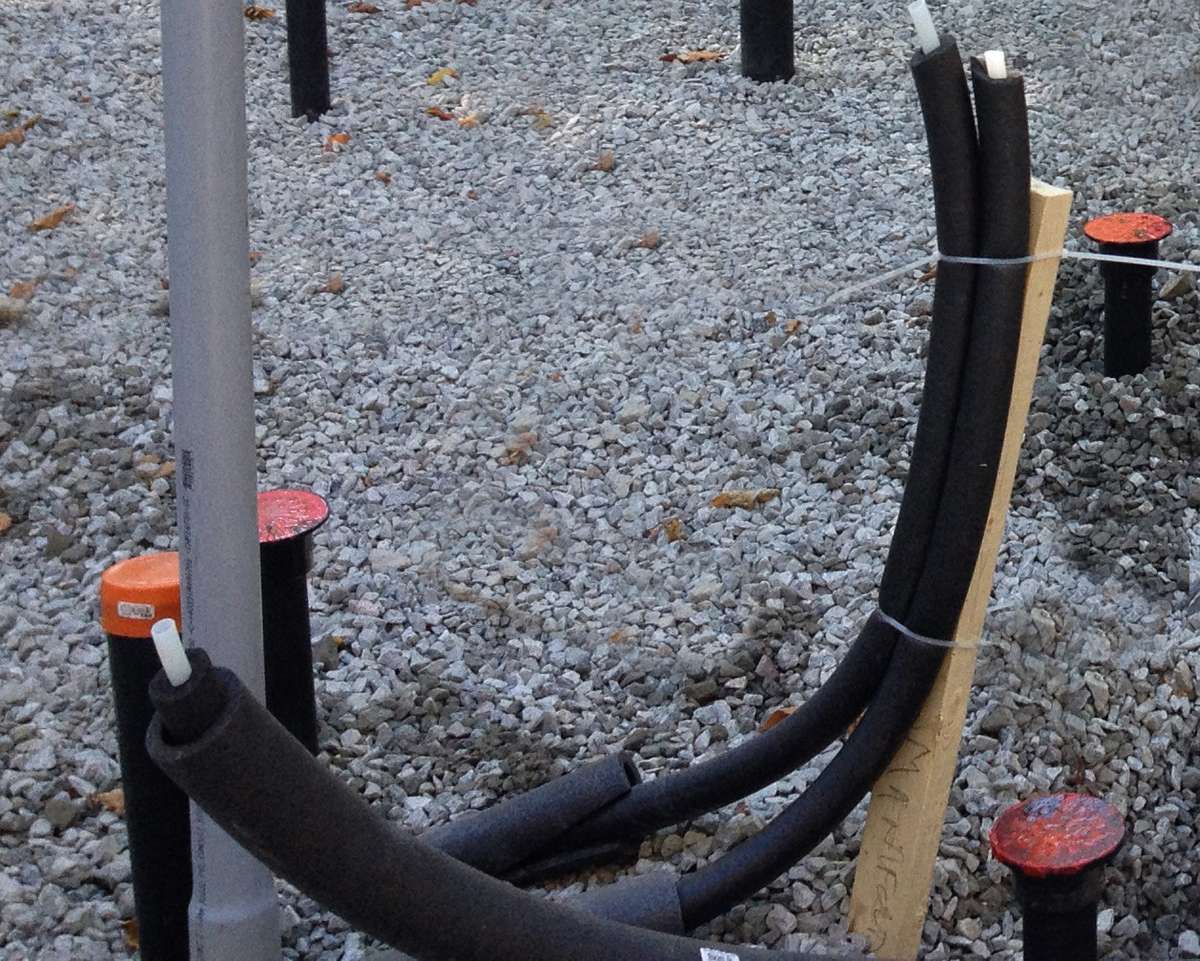
The ground below your slab will be relatively cold, so it is important to insulate your water lines. They can usually be seated right on the top layer of foam insulation (in conduits) without too much incovienence or obstructions, or you can cut a groove in the top layer of foam with a circular saw to lower them out of the way. This will for sure keep them warm, however that may also mean your cold water is warmer than you like when the floor is heated.
Alternatively, you can run water lines in the drainage stone along with the ABS drains, and doing so means your plumber can do it all in one trip rather than coming back after the insulation is laid to run water lines.
Like so many aspects of building code, insulation requirements are often minimal, so to achieve LEED certification in the Edelweiss House we doubled the code insulation sleeve requirements in the drainage stone beyond a single layer.
Disadvantages of a monolithic slab foundation
While we love monolithic slabs, it needs to be clear that they demand careful attention to detail during construction. They are not immune to issues like cracking, heaving, or moisture problems if they're not built right.
Here then are our "Top Tips for Monolithic Slab Foundation Success!":
- Precision is key: You absolutely need a conscientious, detail-oriented, experienced concrete contractor for a slab-on-grade. Proper insulation is non-negotiable, and thermal bridging, especially around the perimeter, must be carefully mitigated to prevent heat loss and potential condensation.
- Detailed contractor instructions: Don't leave it up to the builder! Clearly specify your desired insulation levels and all other requirements to your contractor, and make sure they are explicitly written into the contract. Basement floors are generally chronically under-insulated, so we always caution homeowners not to be talked into accepting basic code requirements for one of the most cost-effective parts of building a home - the insulation - the gift that keeps on giving in high-performance home construction!
- Concrete's environmental impact: Yes, building a slab-on-grade means pouring concrete, and concrete has a significant environmental footprint. That's why we strongly recommend opting for reduced-carbon, green(er) concrete options. Look for those that use supplementary cementitious materials like fly ash, slag, graphene or ground glass pozzolan, or other innovative solutions to reduce the embodied carbon levels.
- Integrated storage and mechanical space: No basement means no hidden storage or mechanical room down below. All your storage will need to be cleverly integrated into your main living space, in a backyard shed, or you'll need to build an extra floor. Similarly, your furnace, water heater, and ventilation systems will need a dedicated utility room or closet on the main or upper floors. None of this is difficult, it just needs consideration when designing a home to site noisy, hot or potentially dangerous things away from the main living areas and especially bedrooms.
- Plumbing and utility layout: Your plumbing lines and electrical conduits will be embedded directly within the concrete slab and then run underneath it. That means they're very difficult to change or access once the concrete is poured - so let's make any joints under there the best we ever made! Planning for any future renovations involving plumbing relocation can be a real headache, and can border on impossible if the concrete is poured directly around pipes and electrical. Make sure you plan ahead and use sleeves for future access of any utility lines like electrical or water lines, or at the very least wrap the part that will end up in th concrete slab in several layers of mineral wool insulation so theres a certain level of flexibility and movement in any plumbing or wiring installation. Be aware that repairing a leak in an embedded pipe can be complex and costly, often requiring you to break into the slab, unless of course you do like they do in Europe and place all these essential services in a conduit that allows you to slide them out and change them easily if ever that becomes necessary. (Those pesky Europeans, eh?)
- Geotechnical requirements: If your foundation isn't sitting directly on surface bedrock, your structural engineer will likely require a geotechnical soil test, which tells you about the ground's bearing capacity - or in other words how much weight it can take - and so how much it might settle with the weight of your lovely newly built house sat on top of it.
- Site drainage: We can't stress this enough: while a slab reduces flood risk, proper site grading (away from the foundation) is absolutely critical. Improper exterior drainage can lead to moisture issues at the slab perimeter. Always consider adding perimeter drains, shaping your land with swales, and ensuring your downspouts discharge far away from the foundation.
Key tips for monolithic slab foundation success
To make sure your monolithic concrete slab foundation performs like a champion and truly aligns with sustainable building principles, you need to pay close attention to a few crucial factors:
Frost-protected shallow foundations (FPSF) in cold climates
If you're building in a cold climate (which is most of Canada and Northern America!) Frost-Protected Shallow Foundations (FPSF) aren't just a good idea for slab-on-grade construction, they're often a necessity.
- What is a FPSF? It's a smart foundation design for cold climates that strategically places insulation to stop the ground right beneath your shallow monolithic slab footings from freezing. Why? To avoid frost heave in your home. That's when freezing soil expands and pushes your foundation upwards, causing structural damage.
- How it works: Instead of digging down deep below the natural frost line (which can be many feet in colder regions), an FPSF system uses rigid insulation. This insulation is installed vertically along the slab's edge and horizontally outwards, creating an insulated 'skirt' or 'wing'. This design feature traps geothermal heat from the earth, along with heat gently escaping from your building, keeping the soil around your foundation above freezing even when the frost line is much deeper outside.
- Benefits: FPSF designs mean less excavation, less concrete, and simpler, more economical foundations. All this adds up to superior frost protection when it's engineered correctly, and a much cleaner, quicker foundation construction.
Radon mitigation in a monolithic slab foundation
Radon gas is a naturally occurring radioactive gas that can sneak into homes through cracks in foundations. Since monolithic slabs sit right on the ground, radon mitigation is an important consideration, especially if you're building in an area with known high radon potential which you can check on a radon map.
- Strategies for radon mitigation: You can implement a passive radon system (a simple vent pipe from under the slab to the roof) or an active system (which includes a fan to draw radon out). A granular layer beneath the slab combined with a properly sealed vapor barrier are fundamental to any radon-resistant construction.
Learn more here about radon mitigation in basements, slabs and crawl spaces
Termite and pest control in slab foundations
For any slab-on-grade home, including a monolithic slab, keeping termites and other pests out is a must.
- Strategies for termite and pest control: This involves meticulous detailing around the slab perimeter. This involves proper flashing, barriers (like stainless steel mesh or basalt barriers), chemical treatments where allowed and necessary, or poly-based termite barriers. The absolute golden rule is to eliminate any wood-to-ground contact around the slab and home.
Building a monolithic concrete slab foundation, step-by-step
Building a successful monolithic slab foundation requires careful planning and precise execution. Here's how to do it right, step by step:
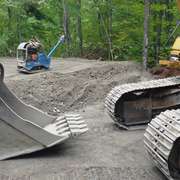
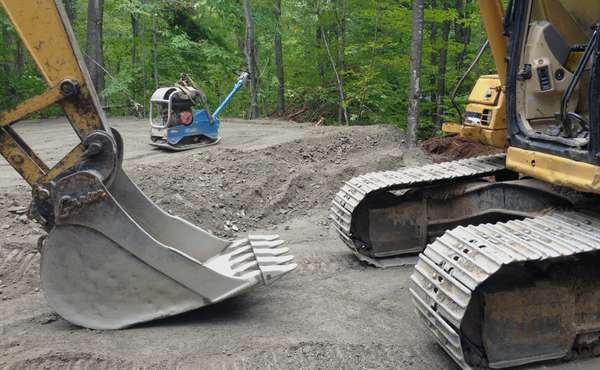
- Excavation: You'll start by digging to remove the top soil and to grade the building lot to ensure your slab perimiter will always be clear of surface water runoff.
- Gravel footings (if required): Sometimes, especially with peat or disturbed soils on brown sites closer to town or in cities, your engineer might call for compacted gravel footings in trenches at least 4 feet deep, complete with a French drain at the bottom. This is where the soil report comes in, this will establish the compression strength of the ground where you want to build your home, and will check for any unexpected complications like expansive clay that will need special considerations. Obviously, if you're building on solid bedrock, these trenches and drains aren't needed, you just need to skim off the top soil and get everything relatively flat.
- Leveling and backfill: Next, create a perfectly level base using a bed of ¾-inch clear crushed stone, followed by proper backfilling. This granular layer of clean gravel also acts as a capillary break, stopping moisture from wicking up from the ground.
- Formwork construction: Build your wooden forms for the slab. Make sure they're securely held in place with plenty of reinforcements, like firmly planted stakes, or if you want a really high-performance slab to passive house standards, then opt for FPSF pre-engineered ICF slab forms and remove any guess-work from the future performance of your home foundations.
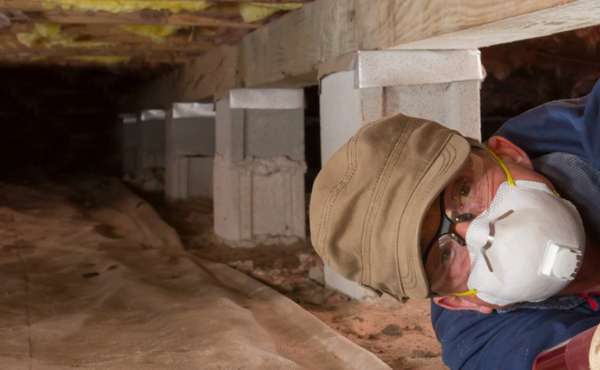
- Ground floor plumbing and mechanical rough-ins: Now's the time to install all the necessary plumbing lines, electrical conduits, and ventilation ductwork that will be embedded within the slab and pass underneath it. Remember our earlier advice: meticulous planning for future access points using sleeves is crucial here, and trust us when we say this is a better option than crawling around in a damp and smelly crawlspace will ever be!
- Lots of insulation and a vapor/ radon barrier. This is a critical step for energy performance, moisture control and radon mitigation in a monolithic slab foundation - and a moist, cold, monolithic lump of a leaky concrete slab foundation is very much NOT what you want to build a comfortable healthy home on, promise. The next steps to succes for your monolithic slab should look like this:
- Rigid insulation: Lay down (lots of) continuous layers of high-compressive strength rigid insulation (like EPS - expanded polystyrene - the white stuff, XPS - extruded polystyrene - the real styrofoam, which is BLUE - or high density mineral wool) across the entire slab footprint. Pay very close attention to hitting at least the specific R-value your climate zone and energy goals demand, or even a few R extra - because is it even possible to have too much insulation in homes?
- Perimeter / skirt insulation (for FPSF): This is absolutely vital for frost protection. Extend rigid insulation vertically along the slab's perimeter and horizontally outwards (it's the 'skirt' or 'wing' of insulation we talked about). Do this according to your FPSF design and local building codes. It prevents the ground below your slab from freezing and heaving, and avoids having to dig deep (in every sense) and build frost walls for homes in most states and provinces who drive cars and have t'internet!
- Vapor barrier: You need vapor protection, in some cases that can be achieved with just a 6-inch base of drainage stone below a 6 inch base of EPS. When using less insulation, you would need a vapor barrier directly over your insulation layer. If your vapor barrier is intended to act as a radon barrier, be sure to use one that is at least 10-mil thick to prevent perforations from the rebar, and it should also be overlapped and taped with specialized seam tape. It is also important to carefully seal around every single penetration such as pipes and conduits. This creates an impenetrable shield against ground moisture and radon gas.
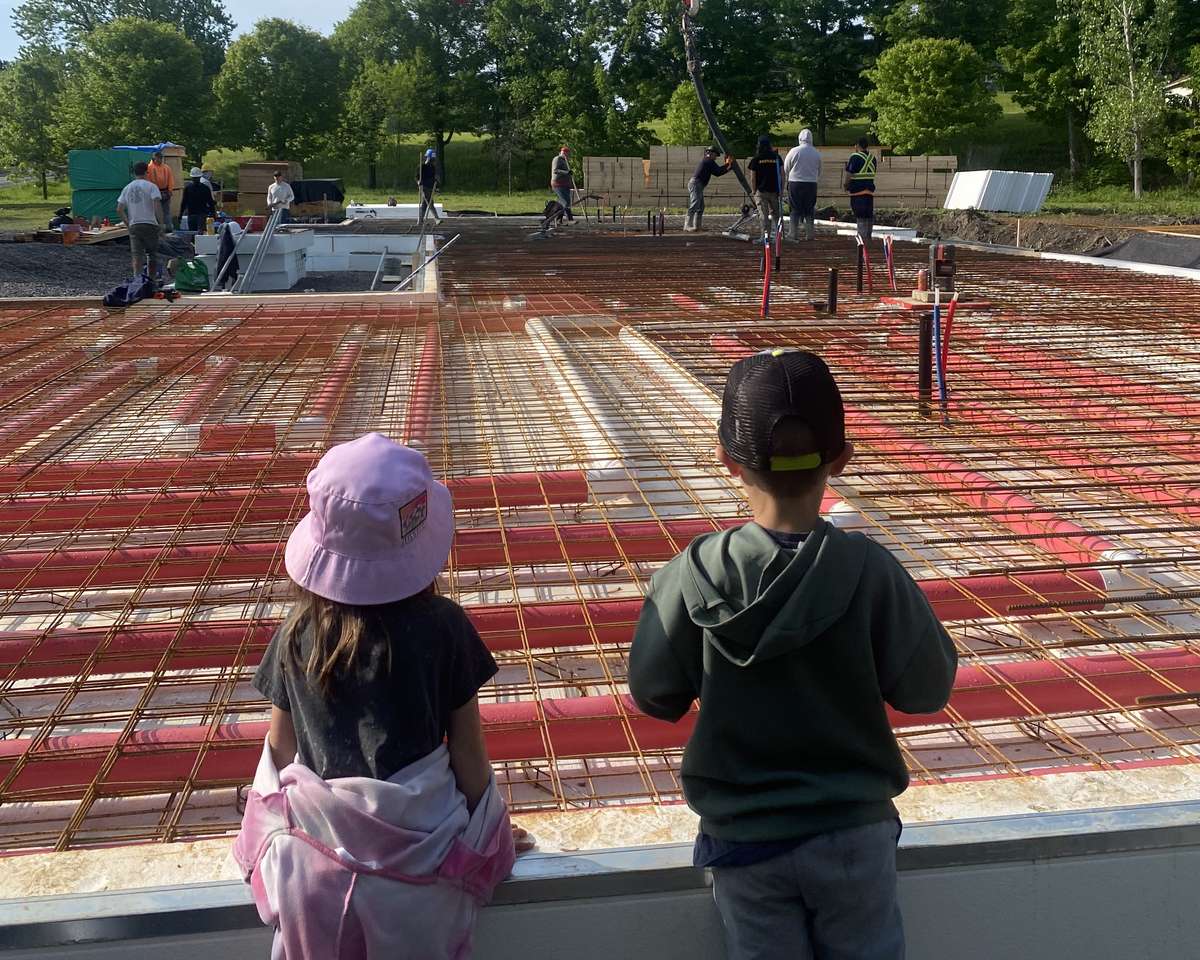
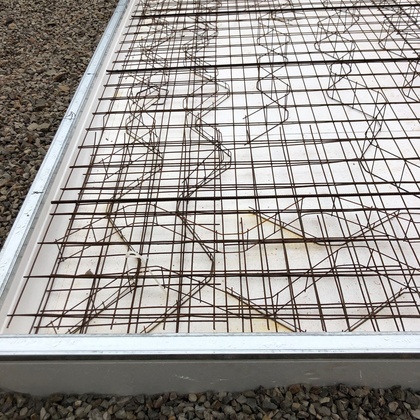
- Steel reinforcement: Install the armature - rebar and/or wire mesh, exactly as specified by your structural engineer. This is what gives your slab strength and resistance to cracking.
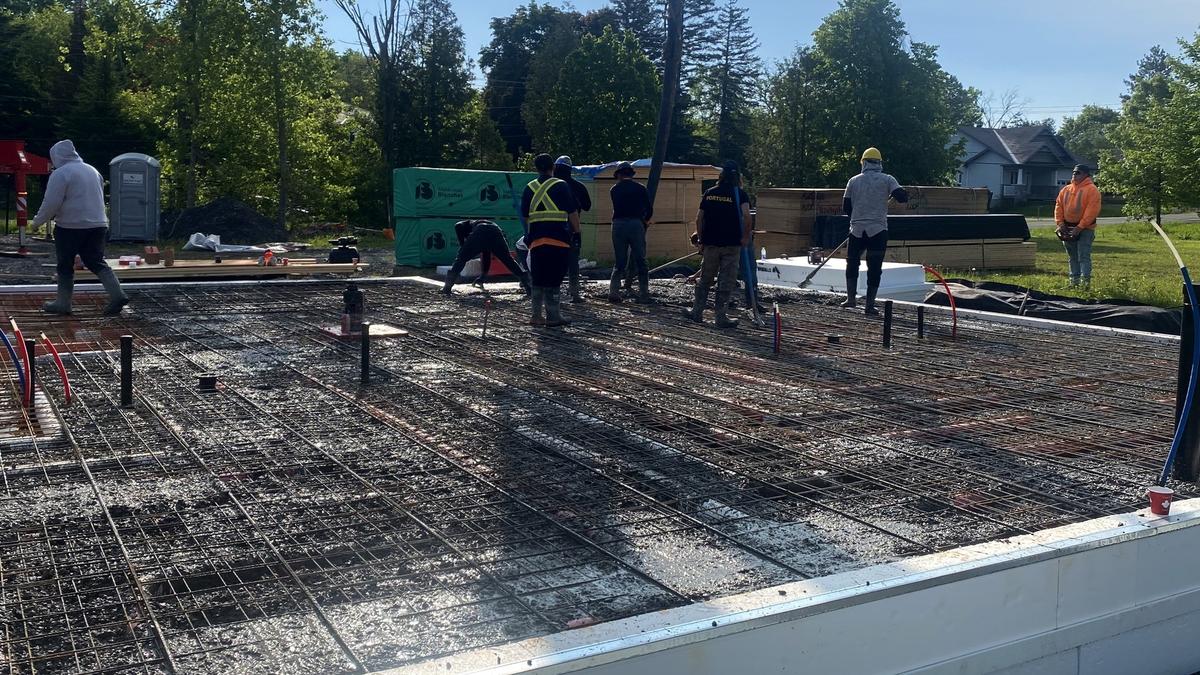
- Radiant heating installation (optional but recommended): If you're going for a radiant floor heating system, now's when you install the PEX tubing (for hydronic systems) or electric heating cables. Even if you don't plan to activate the full heating system immediately, it's often a smart move to install these components in the concrete now, giving you the flexibility to integrate it later.
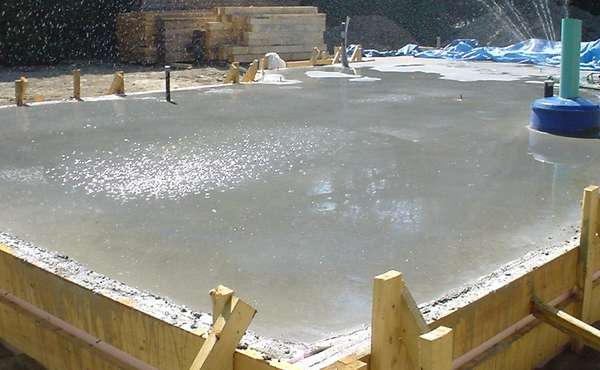
- Concrete pour: This is the big day! Make sure the mix meets all structural requirements as specified by your engineer, including how to ensure a proper cure in the days afterwards. That can mean keeping it wet in the heat of summer, and keeping it warm in colder months. Whenever possible, always try to source eco-friendly, reduced-carbon concrete options (those with supplementary cementitious materials like fly ash or silica fume, or innovative low-carbon binders).
- Control joints: During or immediately after the pour, control joints (also known as saw cuts or expansion joints) are either tooled or cut into the slab surface. These joints intentionally create weak planes in the concrete, encouraging any natural cracking to happen neatly along these lines rather than randomly all over your finished floor. Note - control joints may not be required or may even be prohibited with raft slabs designed to spread the weight over the entire slab surface. This should also be confirmed with engineers.
- Slab finishing (optional): If you're a fan of polished concrete floors, and having a super-low maintenance and durable floor finish that will save money in the long term, the slab can be polished using a grinder/polisher after the initial finishing. This can transform your slab into a beautiful, durable, and super easy to maintain hyper-allergenic finished floor.
Monolithic slab vs. floating slab: understanding the difference
Wondering about the difference between these two slab types? It all boils down to how they're poured:
- Monolithic slab: Here, the footings and the slab are poured at the same time as a single, continuous unit. This means less transportation, which is better for the environment.
- Floating slab: This is a two-step operation: first, the footings are poured, then the slab is poured separately afterwards. A floating slab isn't typically structural for a house, carrying virtually no load from the building itself. You'll usually see them used for detached garages or sheds. Floating slabs may include pads or grade beams to carry any point loads, again this is to be determined by an engineer.
Important Note: Many municipalities will require engineer-stamped plans for homes built with slab-on-grade foundations. So, always check with your local building department for specific requirements and climate zone considerations!
Cost comparison: additional above-ground story vs. basement
When it comes to comparing the cost of adding an above-ground story versus building a basement, it's never as simple as just looking at square footage. Many factors really sway the overall cost, including local conditions, the soil on your land, your climate, and those all-important building codes.
Soil conditions and excavation complexity
The biggest wildcard impacting basement costs is excavation.
- Challenging soils: If your building site has rocky soil that needs blasting (which can run you $40-$100+ per cubic yard just for removal!), a high water table that demands constant dewatering and specialized waterproofing, or even unstable/expansive clays that need engineered fill or piling, then basement excavation costs will absolutely skyrocket. In these scenarios, adding another story above ground is almost certainly the more economical choice, as it dramatically cuts down on expensive and disruptive below-grade work.
- Simple excavation: If you're lucky enough to have easily workable and stable soil (like sandy loam) with no high water table, digging for a basement might be relatively straightforward. In these ideal conditions, the raw cost difference between a basement and an extra above-ground story could be pretty similar. A basement might even seem slightly cheaper per square foot initially, since it uses your existing foundation footprint. But remember, that often overlooks the true finished costs.
Climate zones and building codes
Climate zones play a huge role in foundation design and cost, especially when it comes to frost protection.









Why did you use Roxul rather than XPS? Which one is cheaper?
Our choice of Roxul was born of a desire to move away from foam more than anything. Roxul is a recycled stone wool, and there are no fire retardants. I wouldn’t use XPS under a slab as it is unnecessarily expensive (and a heavy polluter) but EPS insulation is far more affordable that either Roxul or XPS. We were really happy with how the Roxul handled and how it performs, but it did however require the inclusion of EPS under the footing anyway As Roxul doesn’t have the compressive strength to handle the load of a footing and bearing wall.
It was a great experiment, but it was tougher to source the higher density Roxul boards, so it has not taken the slab world by storm, nor has it turned into a big market success for Roxul. Don’t hesitate to try it because it works, but if it’s a hassle I’d go with EPS, or a pre-fab slab foam kit.
One more question: Other shallow frost-free foundations I have seen use rigid foam laid 2-4 feet horizontally out from the edge of the foundation. Is this unnecessary with Roxul? Can you explain why this foundation will will work as shown, without the extra horizontal insulation? If this were an unheated space (garage) with a second floor living suite above, do you see any problems with your method? Thanks.
A 2 or 4 foot skirt of rigid insulation around the perimeter is often necessary to prevent frost heave, but not always, and the type of insulation wouldn’t affect whether or not one is needed. Whether you need a skirt or not, and how much, should be determined by an engineer who factors in the climate and elevation. That said, we did require (and install) a 2-inch thick 2 foot skirt around the perimeter in this case.
As for an unheated garage with a living space above, no problem there, but if you're not heating the garage portion then it's even more likely need a perimeter skirt than if it were heated, and again, I'd check with an engineer to determine how much. Best regards.
Hi. We are currently planning a new home in a coastal bc climate. The home will have a walkout basement and I am writing to ask what type of exterior foam insulation would be best below grade when we have a carpenter ant population in our area and climate. We, will insulate below the basement slab and on the exterior basement walls but which material is least likely to become a home for ants? Our current home, which we are replacing, has an ant issue with the styrofoam that is on the roof below the roofing material. I don't want an ant issue below grade in the new house. The discussion is always about R values and never about the fact that ants seem to like foam.
thoughts or ideas?
Dean
Hi Dean,
I too am planning a home in coastal BC and this is the first I’ve heard of ants eating foam. Everything that I have looked at has been pushing me towards building a complete ICF home. My understanding was that the expanded polystyrene has a chemical in it to stop rodents and bug infestation. Have you asked any ICF Supply companies or were you planning a conventional form style foundation? I have researched a few different block styles and I think I have found what will work the best for me, there are many choices. One other thing... will you insulate below the footing as well as under slab?
PS. FWIW, I was told by a company that manufactures foam insulation that it is illegal and against building code to put pesticides in any foam products. I am not sure if that applies to ICF foam, but doesnt half the system end up inside your house?
Hi Matt.
It is great to actually connect with someone. We are based just north of Comox on V island. The ant issue below grade is an information black hole. I cant determine if the lack of information is because there is not an issue, not the focus or just because it just hasnt emerged yet.
I am not setting out to build a extremely highly efficient home, just a comfortable one with no pest issues. I dont feel the mild coastal climate is economically condusive to adding a lot of incremental capital costs to a new build. My energy model for example indicates that even basic exterior foam insulation outside the sheathing would have a 45 year payback. We intend to insulate below the slab for basic comfort and I have not yet asked what the recommendation is for below the footings. I am not sure I care as long as we handle the edges of the slab as effectively as is practical.
I have not yet spoken to any ICF people directly but I would prefer to use exterior foam on the foundation for basic building science reasons, if it wont cause pest issues. I have asked a lot of questions of builders and architects and energy advisors and still have not found anyone that has any experience with pest issues in foam below grade on the exterior of foundations. In comparison, there is lots of information out there about the ant issue in foam above hot, non vented roofs like were installed in the 60s and 70s all over Vancouver Island on Panabode houses. Like mine! try the pj mcallum roofing website for some example videos and a good bit of practical experience based wisdom. They are based in Duncan BC.
So, I am starting to lean towards thinking that in foam outside a concrete foundation it is not warm enough or moist enough to attract ants like it is above a ceiling with minimal vapour barrier between the warm moist interior air and the foam. I am not sure that really makes sense though.
Not much extra info for you I guess, but if you want to connect outside this forum for a deeper discussion since we are in the same area/climate and both have projects being planned, that would be cool. let me know your email address and I will write to connect us.
Dean
The expense on this is ludicrous. a 1500 square foor slab would require 55 packages of rockwool (for 8 inches) at a cost 55.00 each that equals over 10,000.00.
I'm curious what was used for the horizontal skirt insulation outside the slab on this project? Is Comfortboard appropriate in this application?
Hi Eric. We used comfortboard for the skirt as well. Water flows though mineral wool without a problem, but that isn't instantaneous. So as an additional protective measure we covered it with a 6mil poly barrier to ensure that in the event that there was ever a heavy rain in the fall followed by a flash freeze that the insulation would be dry and still function at its best.
Is Roxul the name of the product you used under the slab, or does the under-slab board go by a different trade name?
Hi Elizabeth
Yes it was Roxul, but the company has since renamed themselves Rockwool, and the generic name for the insulation is mineral wool. There are other companies that make it in case Rockwool doesn't supply your area. We used a high density rigid board under the slab, but more common in residential use (and easier to find) are the batts that get used in stud cavities. The rigid boards are more commonly seen on the exterior of commercial buildings, and EPS foam is usually used under slabs.
Thanks Mike, I found the locally made equivalent a few days ago, but it does cost a bomb. Under slab insulation is such a dilemma isn't it! I'm in the midst of a design competition aiming at True Zero by 2050 - i.e. covering all operational energy and recovering all embodied energy - and have been using a CO2 calculator to quantify everything. There's 2.6T of CO2 in 100m2 of 100mm thick mineral fibre, compared to 0.9T for roughly the equivalent R value in EPS. But additionally, I'm looking at cost and other factors such as marine pollution (looking at you EPS!), and trying to take into account (although not quantify) the fact that XPS & PIR degrade in performance over time. So I have a choice between a product that is significantly more expensive and has significantly higher CO2 emissions, compared to another which is wreaking havoc in marine environments, persistent in those environments and really hard to contain on site. I've seen a few references to the insulative value of scoria, but because its performance seems to be unverified, I can't claim its insulative value, which means I don't meet the challenge! Typically, here in Australia, mainstream environmentally conscious builders are mostly using XPS. Sigh. Thanks for your website, I find it really valuable.
That's a really interesting stat on the embodied energy Elizabeth, thanks for sharing. That is for sure the downside of mineral wool - beyond not being cheap, it has a high embodied footprint. We tried it as an experiment to showcase it as an option, but the company didn't show much interest or follow up, and it is much less of a hassle to just use EPS.
There is no perfectly 'eco-friendly' way to build a home as everything has a back story with some sort of ecological harm. Obviously you are making an effort to reduce your footprint so I think you should just trust your own instincts, design and construct consciensciously, and guilt-free :)
[homeowner planning to build an eco-friendly tiny home on foundation, ~ 600 sq.ft/ 56 sq m, zone 6a]
I have two questions:
1. Would the LEED compliant monoslab described above eliminate the need for hydronic radiant heating in the slab?
2. I'm considering an outside-accessed unheated storage area on one part of the footrpint. The exterior walls would be load-bearing with heated space above. Can the slab in this area be thermally separated, or would it be better to simply insulate the outside walls and make this heated storage? All input very much appreciated -- thanks!