



Solar power and battery storage for winter grid failures: a homeowner's and pro's guide
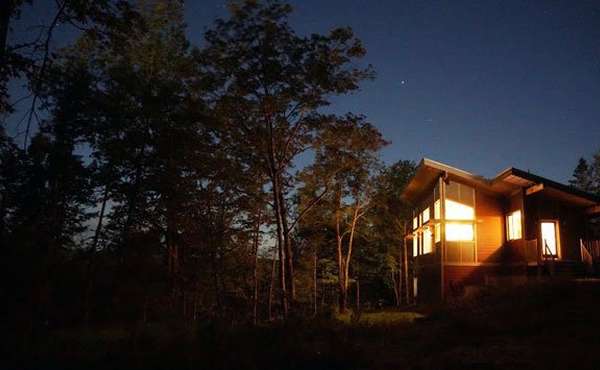
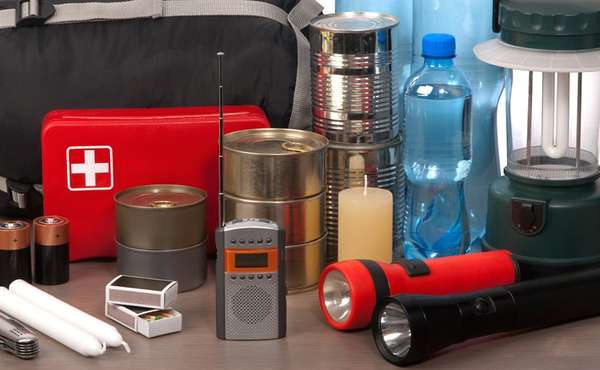
Beyond lighting, cooking, and general home operation, the biggest risk to home comfort and security during a power outage is losing your primary heating source. While lighting with candles and eating a cold dinner is manageable for a few days, maintaining indoor temperatures during freezing winter conditions is another matter entirely. Investing in resilient design features for homes through solar energy and energy storage systems is rapidly shifting from a luxury upgrade to a critical component of climate-resilient building design.
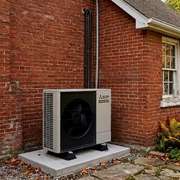
If your property relies on conventional electrical heating systems such as standard electric furnaces, baseboard heaters, boilers, or air-source heat pumps, heating capacity is entirely lost when the utility grid goes down. Even standard gas or oil furnaces require electricity to run their electronic ignitions, control boards, and distribution blowers.
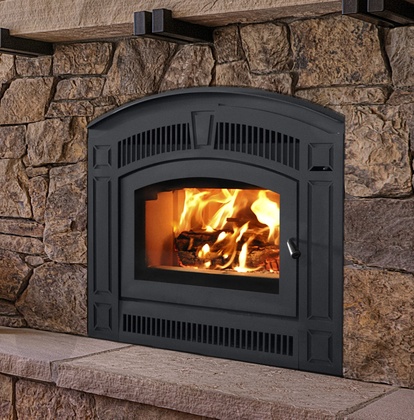
Most standard pellet stoves also require a continuous supply of electricity to operate the internal fuel hopper mechanism, except these two examples of off-grid pellet stoves that don't need power to operate. Outside of ultra-efficient, passively heated structures, a conventional wood stove or a properly engineered backup power system is often what prevents frozen pipes and emergency evacuations when local power distribution networks fail.
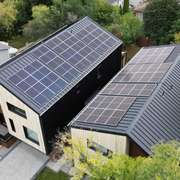
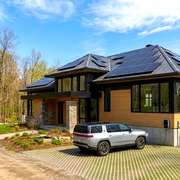
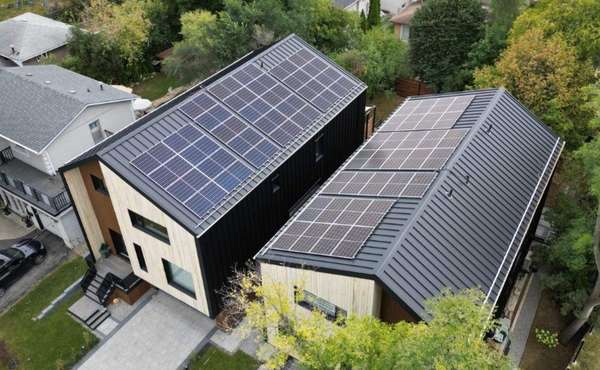
A standard grid-tied photovoltaic (PV) rooftop solar array is typically designed to shut down automatically during an outage to protect utility linemen from electrical backfeeding. Even if configured to operate independently, a standard residential solar array without a dedicated energy storage system cannot reliably run heavy inductive heating loads across an entire home.
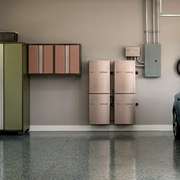
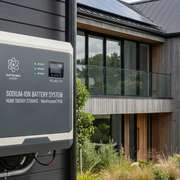
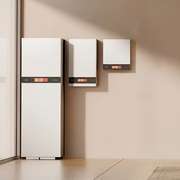
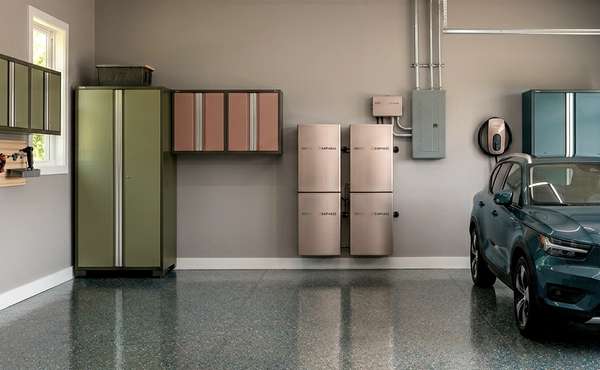
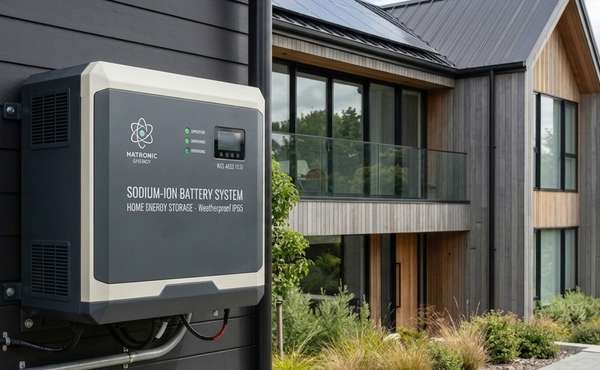
However, during an extended winter blackout, an appropriately sized solar array paired with an intelligent, in-house battery backup system can isolate and supply emergency power to critical building zones, keeping your home safely habitable until the grid is restored.
- Calculating solar panel ROI and energy cost savings
- Emergency power for sump pumps and flood protection
- Running refrigerators and freezers on backup power
- Evaluating grid emissions versus residential solar offset
- Choosing between LFP and lithium-ion home battery systems
- Reducing grid transmission line losses with micro-power generation
- Designing for climate resilience and passive heating efficiency
- In brief
Calculating solar panel ROI and energy cost savings
Determining the financial payback period and return on investment (ROI) of a residential solar installation depends directly on your local utility electricity rates weighed against the per-kilowatt-hour installation cost of the system.
Ongoing drops in product pricing, improved solar cell efficiencies, and robust manufacturer warranties make modern PV systems increasingly competitive with utility power. A qualified solar installation contractor can run a detailed site assessment and shading analysis to provide specific financial performance projections for your property.

Installing a combined solar PV and battery storage system can help eliminate your exposure to fluctuating utility electricity rates. Even if your solar array does not generate enough daily energy to achieve complete net-zero operation, a smart battery backup system can be programmed to charge from the grid during lower off-peak rate hours.
The system can then discharge to power your household electrical loads during expensive peak-rate windows, lowering monthly operational costs without requiring significant lifestyle adjustments.This decentralized approach to energy management is expanding rapidly as battery storage technology evolves and manufacturing costs continue to decrease.
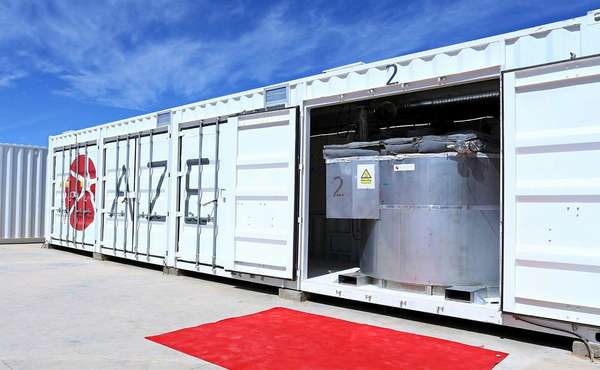
Integrating energy storage into residential and commercial building designs addresses the inherent intermittency of renewable energy sources - the wind does not always blow and the sun does not always shine when household energy demand peaks. For instance, wind turbines often generate excess energy at night when utility demand drops; utilizing battery banks to capture and store this surplus clean energy significantly improves the overall viability and stability of the regional electrical grid.
Emergency power for sump pumps and flood protection
Widespread power failures frequently occur during severe weather events, such as heavy rainstorms, freezing rain, and high-wind blizzards that drop tree branches onto local distribution lines. These exact meteorological conditions drastically elevate the risk of basement water infiltration. If your property relies on an electric sump pump to manage high water tables or foundation drainage, a utility blackout can quickly result in catastrophic structural flooding.
A properly configured solar PV array paired with an emergency battery subsystem guarantees that critical moisture-control hardware stays online throughout an extended weather emergency. In properties without a full residential solar installation, investing in a dedicated, standalone sump pump battery backup system is a highly effective risk-mitigation strategy. Ensuring continuous power to your drainage infrastructure protects subfloor assemblies, prevents mold development, and maintains overall indoor air quality during severe weather events.
Running refrigerators and freezers on backup power
Building professionals and resilient-minded homeowners frequently maintain extended food supplies in deep-freeze units and refrigerators. During an extended grid failure, keeping these appliances online is necessary to prevent significant financial loss and food spoilage. In regions prone to frequent or prolonged grid disruptions, you might be wise to look into a plug and play home battery can operate fridges and freezers during power outages.

A portable generator or battery backup does not need to run continuously to protect your food supply. Operating the generator for just 30 to 60 minutes, twice per day, allows refrigeration compressors to lower internal temperatures sufficiently to safely preserve perishable goods.
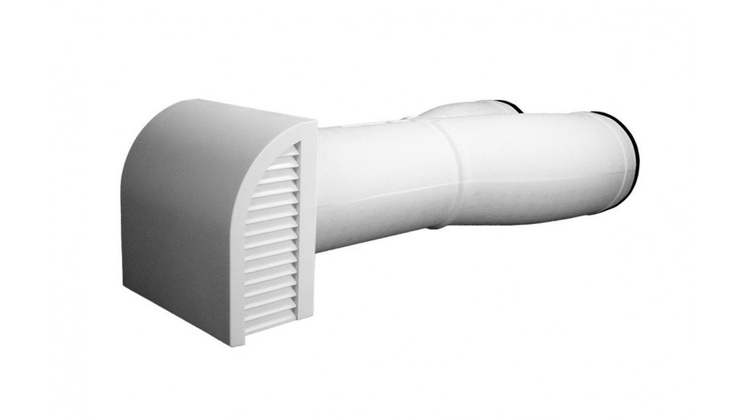
When operating temporary combustion generators, always ensure the unit is located outdoors, far from window openings and HVAC fresh-air intakes, to completely eliminate the risk of carbon monoxide accumulation inside the home.
Evaluating grid emissions versus residential solar offset
Conventional electrical grids distribute power dynamically, meaning your household consumes electricity generated by the closest online generation facility. If your property is situated near a coal-fired plant or a natural gas peaking facility, your baseline electricity consumption carries a high carbon footprint. Conversely, if your home is located close to a large-scale hydroelectric installation, a commercial wind farm, or a utility-scale solar array, you are already using a cleaner energy mix.
From a climate-conscious building perspective, the specific energy mix of your local utility grid dictates how much your personal carbon footprint will drop after installing residential solar panels. In jurisdictions relying heavily on fossil fuels for baseline electricity, a home solar installation delivers a massive net reduction in greenhouse gas emissions. In regions with a nearly decarbonized grid, the primary benefit of home solar shifts from carbon mitigation over to localized grid resilience, emergency autonomy, and individual peak-load management.
Choosing between LFP and lithium-ion home battery systems
Early residential off-grid installations relied almost entirely on industrial lead-acid battery banks. The notable downsides of lead-acid options - including massive physical footprints, regular maintenance needs, limited lifespans, and toxic chemical compositions - made energy storage a complicated option for mainstream homes. While lead-acid options are still used in basic agricultural or industrial setups, the modern residential energy storage sector has shifted decisively toward advanced lithium chemistry options.
Today, the major technological choice for homeowners and building contractors is between standard lithium-ion options like Lithium Nickel Manganese Cobalt (NMC) and modern Lithium Iron Phosphate (LFP) systems. LFP chemistry offers distinct advantages for stationary home storage, including exceptional thermal stability, a non-toxic raw material composition, and a operational lifespan that can exceed 6,000 charge cycles at deep depths of discharge.
These smart battery banks integrate seamlessly with home automation setups, automatically adjusting charge and discharge patterns to match your real-time domestic consumption. For a comprehensive breakdown of cost, safety profiles, and weight differences between these two prominent options, read our detailed comparison guide at LFP vs lithium-ion batteries: a guide for homeowners and pros.
Reducing grid transmission line losses with micro-power generation
Transmitting electricity across long distances over high-voltage power lines results in inherent energy waste known as line losses or transmission losses. Generating electricity far from the point of consumption requires utility providers to produce excess power simply to compensate for the electrical resistance encountered along the transmission network. This structural inefficiency increases overall operational costs and drives up regional grid emissions.
Localized micro-power generation, such as rooftop solar PV, eliminates these transmission inefficiencies by producing electricity directly where it is consumed. By shifting generation to individual rooftops, residential solar installations help decentralize the broader utility network. This decentralized architecture enhances community-wide infrastructure resilience: when a primary distribution line or central substation fails during a storm, the impact is localized, preventing widespread cascading blackouts across the region.
Designing for climate resilience and passive heating efficiency
Achieving electrical autonomy and operational resilience in home construction is highly practical and remains remarkably cost-effective when integrated early in the design phase. The physical size and upfront cost of a residential solar array are directly dictated by your total electrical demand, and your demand is entirely determined by building efficiency.
By reducing standard mechanical loads through the installation of high-efficiency air-source heat pumps, LED lighting arrays, and low-flow plumbing fixtures, you directly downsize the solar infrastructure and battery capacity required to keep your property running during an emergency.
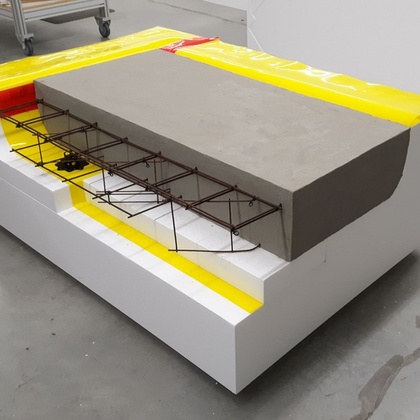
This principle is especially powerful when applied to home heating. High-performance insulation and advanced air-sealing materials are far more cost-effective per square foot than buying extra solar panels or expanding a backup battery bank.
If you optimize the building envelope to reduce space-heating demands by 70 to 80% - a metric easily achieved in modern high-performance builds - you drop the required size of your backup heating system by that exact same margin.
When paired with smart passive solar design features that optimize south-facing high-performance windows and thermal mass placement, keeping a home warm during an extended winter grid failure becomes a highly achievable standard.
Substantial financial resources are regularly misallocated in conventional residential construction by assuming that basic building codes represent high performance. Building a home that merely meets minimum local building codes often locks a property into decades of high energy bills and high heat loss. The first step towards home resiliency and heating during power outages is to reduce demand. Read more on this page - Learn about the envelope first design philosophy to reduce heating and cooling costs.
Directing those funds into a superior, air-sealed building envelope rather than oversized mechanical heating equipment yields a structure that can safely maintain its indoor temperature for days during a winter power failure, completely independent of the grid.
In brief
- Space heating and sump pump operation represent the most critical electrical loads required to preserve home safety and prevent structural property damage during winter grid failures.
- Grid-tied residential solar arrays require dedicated battery backup systems and automatic transfer switches to safely isolate from the utility grid and provide standalone power during a blackout.
- Modern Lithium Iron Phosphate (LFP) battery chemistry delivers superior operational lifespans, increased safety, and deep discharge capabilities compared to older lead-acid or standard lithium-ion alternatives.
- Investing in a high-performance, air-sealed building envelope is the most cost-effective way to achieve energy independence, as reducing thermal loss directly downsizes the backup power infrastructure needed for emergency climate control.
Now that you know more about solar power and battery storage for winter grid failures, find more info about resilient home design and green building techniques in the Ecohome Green Building Guide and these pages below:
-
Find experienced and reliable solar installers near me
-
The definitive guide to wood stoves for airtight, high-performance, and passive homes
-
2026 heat pump buyers guide- which heat pumps operate best in cold climates?
-
The top ten questions to ask a solar installer

















Comments (0)
Sign Up to Comment